|
HAPPY 4TH OF JULY TO
ALL YOU GARDENERS!
JULY 2025 / VOLUME #219
| | Compliments of Damon's Droneography | |
JULY HORTICULTURAL
AND GARDEN TIPS
Now that Summer is in full swing, the list of gardening and landscaping TO DO's grows even more. Some of them (Vegetable Garden, Lawn, Tree & Shrub, Fruits, Flowers, and General Landscape) are highlighted in this month's tips. So, to learn about what can be done in JULY, click on GARDEN TIPS.
| |
WHAT WE DO:
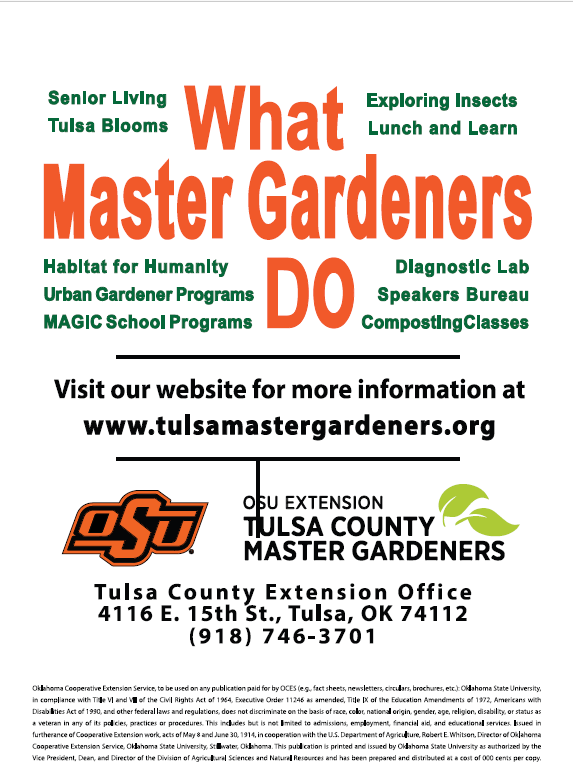
Since 1983, the Tulsa Master Gardeners have been serving the public by offering research-based horticultural information to residents of Tulsa and surrounding areas. We work with all age groups from having educational fun in the Tulsa Public School classrooms teaching K-5th graders the benefits of insects to teaching adolescents some life skills at the Tulsa Boys Home to holding Urban Gardener classes for adults to bringing joy through horticultural crafts to our seniors in assisted living centers – and so much more!
HOW IT WORKS:
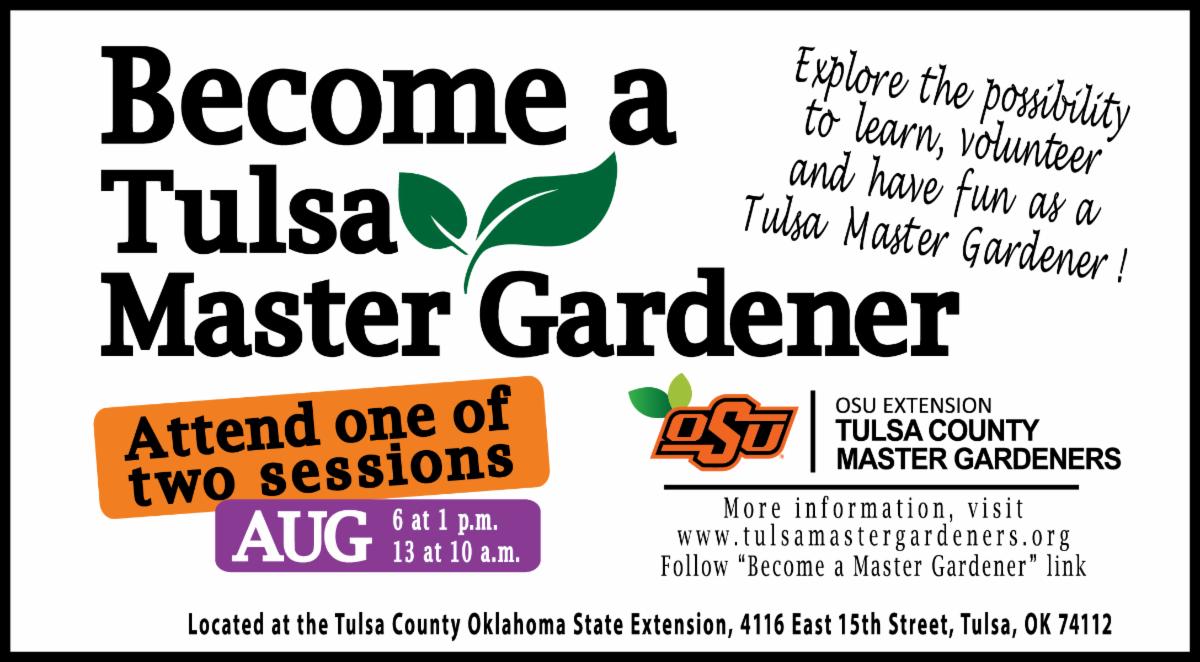
Each year a new set of about 40 adults attend weekly classes from early September to mid-December. Held at the Tulsa County Extension Office on 15th street, these “students” learn about various aspects of OSU researched-based horticultural information from accredited OSU Stillwater professors. The application process starts with applying online at tulsamastergardeners.org (scroll down and click on “Become A Master Gardener” for details), then attending one of two orientation sessions offered (as noted below), followed by a short interview process. If you are one of the lucky ones chosen, classes then begin on Wednesdays immediately following Labor Day. Come join the fun!
A LITTLE HISTORY:
The Tulsa Master Gardener Program has been active and thriving for over three decades and is currently considered one of the top five Master Gardener County programs in the entire nation. This is due to the size of our Foundation members as well as the number, diversity, and activity level of our various community outreach programs. We are a 501(c)(3) organization and, as such, receive no city, state or federal funding. Instead, the Tulsa's Master Gardener programs are self-funded by its own fundraisers (i.e. the spring plant sale), from member contributions, and from public donations.
If you wish to make a tax-deductible donation to our wonderful organization, you may go online at tulsamastergardeners.org and click on the link “Support Tulsa MG” at the top. We would be so appreciative!
| |
If you are interested in knowing how to become a Tulsa County Master Gardener, click on tulsamastergardeners.org to register and receive an e-mail reminder of the upcoming informational meetings.
Then, be sure to mark your calendar for upcoming one-hour information sessions as follows (you only need to attend one):
Wednesday, August 6th @ 1 p.m.
OR
Wednesday, August 13th @ 10 a.m.
Held at the Tulsa County OSU Extension Office
4116 East 15th Street, Tulsa
For a sneak peek of the fun, check out the video:
"What I Like About Being A
Tulsa Master Gardener"
| |
The Compost Connection
From Green Country Master Composters
| |
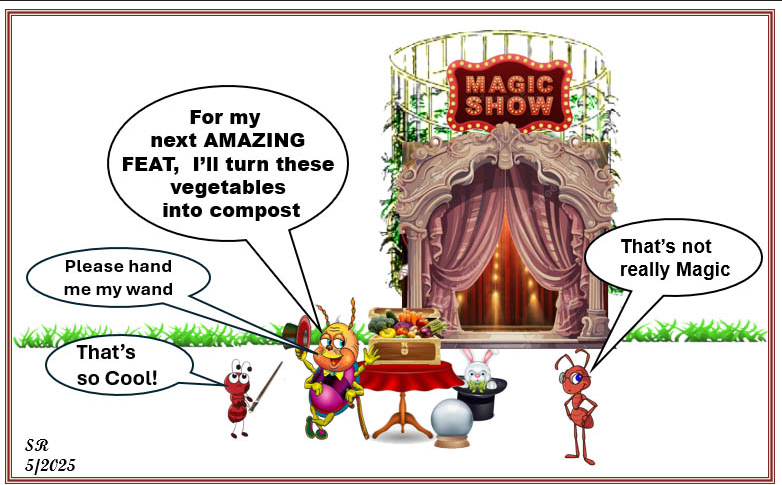
This Compost Connection issue is the second half of an article started in the May, 2025, Volume 217, that introduced blogging as another source for backyard composting information.
Below is the link for the first blog mentioned in that article:
https://www.the-compost-gardener.com/Compost-blog.html
A key concept for this monthly Compost Connection article is to encourage backyard composters to start their own research, building a list of resources for future reference. Here are other resources from the May, 2025, article:
https://bloggers.feedspot.com/compost_blogs/
This resource is a list of the 30 Best Compost Blogs and Websites in 2025. It’s loaded with information, and resources.
https://www.compostmagazine.com/composting/
If you don’t open any other link in this article, open this one. Just peruse the table of contents. This magazine lists everything including the science of composting, aerobic and anaerobic composting methods, lists of FAQs, Frequently Asked Questions, and lists of more resources.
To find all past Compost Connection articles, go to the main menu of the Tulsa Master Gardeners website:
tulsamastergardeners.org
On the main page, scroll down and click on the rectangle for Articles & e-Newsletter. That takes you to a page on which you will find access to all past Master Gardeners Tulsa World Newspaper articles.
On the same page below that you will see the link for the e-Newsletter. Scroll down and select any month which will pull up the Newsletter and you will find the Compost Connection for that month.
There is no shortage of resources you may find useful. All upcoming Master Gardeners’ workshops, information, and content can be found on our website as shown in the paragraph above.
In addition, you will find gardening information, resources, and links to hundreds of Oklahoma State University Fact Sheets which are all available through the Lawn & Garden link on the main page of the Tulsa Master Gardeners website. Select that link, scroll to the bottom of the page to find the link that reads "Search our Fact Sheet Database".
And finally, for even more compost information, click on the Lawn & Garden link on the Tulsa Master Gardeners website main page. Scroll down to Tips & Techniques to find the Composting section under that. Click there to find more information, short videos, and links to a variety of composting tips.
| Powdery Mildew on Cucumber Plant | |
Oklahoma Gardens And
The Menace of Mold
Oklahoma gardeners are no strangers to unpredictable weather, but extended periods of heavy rain can wreak havoc. What starts as a blessing for thirsty soil can quickly morph into a nightmare of soggy beds, root rot, and mold infestations that compromise both plant health and harvest quality.
Soggy Soil and Stressed Roots
· Excessive rainfall leads to waterlogged soil, depriving roots of oxygen.
· Root systems weaken, making plants vulnerable to disease and nutrient deficiencies.
· Raised beds and improved drainage are critical to keeping root zones healthy during wet spells.
Impact on Yields
· Fruits and vegetables may develop soft spots or discoloration.
· Pollinators often skip soggy gardens, leading to poor fruit set.
· Mold can also affect the aesthetics and storage life of harvested produce.
Solutions and Prevention
· Use drip irrigation to minimize leaf wetness once the rain subsides.
· Mulching with breathable materials and pruning for airflow can help prevent mold colonization.
· Avoid working in the garden when it’s wet to prevent spreading spores.
Types of Mold and What to Do
Powdery Mildew
· Appears as white, powdery spots on leaves and stems.
· Common on vegetables like squash, cucumbers, and tomatoes.
· Remove infected leaves to reduce spore spread.
· Spray with baking soda solution.
· Use neem oil or sulfur-based fungicides.
Downy Mildew
· Looks like yellow or pale green patches on the tops of leaves, with fuzzy gray mold underneath.
· Affects crops like basil, spinach, and lettuce.
· Improve air circulation by pruning and spacing plants.
· Apply copper-based fungicides or neem oil at first signs.
· Avoid overhead watering and water early in the day to
keep the foliage dry.
Gray Mold (Botrytis)
· Causes fuzzy gray growth on flowers, fruits, and leaves.
· Often enters through wounds or damaged tissue.
· Prune infected areas and dispose of them - don’t compost!
· Use sprays with neem oil, garlic, or baking soda.
· Keep plants dry and avoid overcrowding.
Sooty Mold
· Black, soot-like coating on leaves and stems.
· Doesn’t infect plants directly - grows on honeydew secreted
by pests like aphids and whiteflies.
· Can block sunlight and reduce photosynthesis.
· Target the pests (aphids, whiteflies) that produce honeydew -
use insecticidal soap or neem oil.
· Clean leaves with mild soap and water to remove mold.
· Encourage natural predators like ladybugs to control
pest populations.
White Mold
· Affects over 400 plant species, including beans and tomatoes.
· Causes stem rot and wilting.
· Spreads rapidly in humid conditions and poor air circulation.
· Remove and destroy infected plants—don’t compost them.
· Apply neem oil or baking soda spray to affected areas.
· Improve drainage and airflow and avoid overwatering.
Smart strategies and a bit of weather wisdom can help Oklahoma gardeners maintain resilience, even when the rain doesn’t know when to quit!
| |
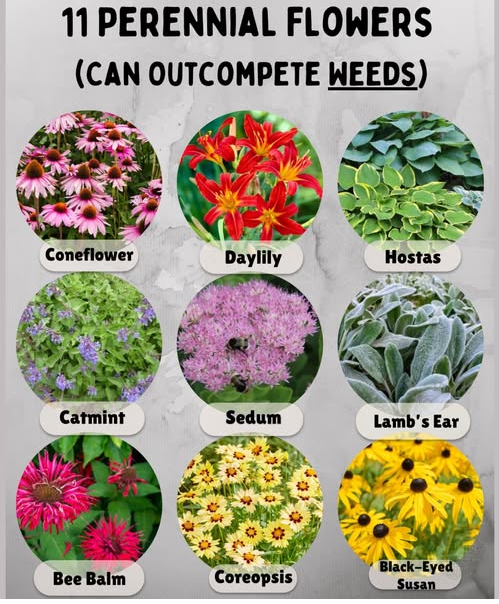
Love to garden? Hate to kill plants? Prefer to not replant each year? What if there were plants that actually like, even prefer, to be ignored and left alone? And, are perennials so they come back for even more neglect next year. Well, this is your lucky day . . . there are. And the cool thing is you probably either already have some of these or know about them.
So, to learn about a dozen flowering perennials that thrive in sun and prefer neglect (some shown above, some not), click on NEGLECTED PLANTS.
| |
IPM:
INTEGRATED PEST MANAGEMENT
A FINAL RECAP OF ALL CONTROL METHODS
| |
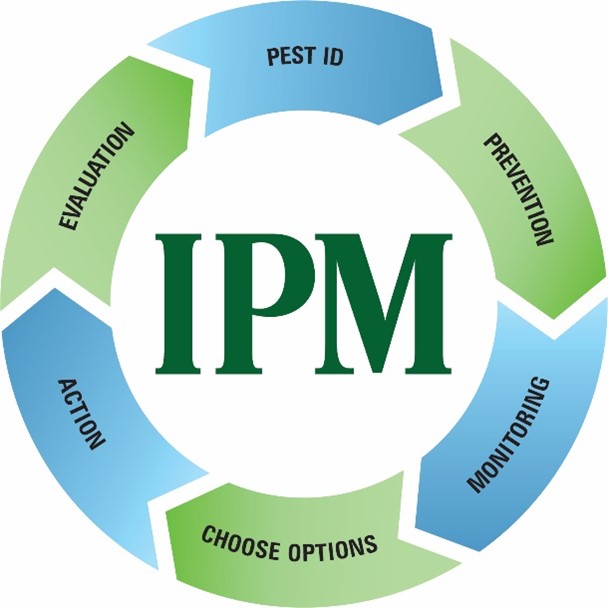
Integrated Pest Management (IPM) is a comprehensive and environmentally conscious approach to pest control that prioritizes long-term prevention and minimal use of chemical treatments. It incorporates five core key strategies: cultural, genetic, mechanical, biological, and chemical controls to manage pests effectively in home landscapes. Each method contributes to a balanced ecosystem, reducing reliance on pesticides and promoting plant health.
Last month's article explored the 4th control method (Biological Control) which uses living organisms to manage pest populations naturally. Click on BIOLOGICAL CONTROLS to learn more about this most important principal of IPM. It's the last one before we resort to chemicals!
In case you missed the 3rd control method on Mechanical Controls: Part 3 (a straightforward and often highly effective way to reduce pest populations without the use of chemicals), click on MECHANICAL CONTROLS to learn much more about this part of an integrated pest management approach to gardening.
In case you missed the 2nd control method on Cultural and Genetic Controls: Part 2 (focusing on creating an environment that discourages pests from becoming a problem in the first place), click on CULTURAL CONTROLS to learn more about this key foundational principle of IPM.
In case you missed the first article in March, click on IPM to start learning about this intriguing and environmentally-friendly approach to pest management.
| TOXIC AND POISONOUS PLANTS | |
Lush blooming gardens are certainly pretty to look at . . . but beware of their beauty. There are several common plants that have vivid blossoms and elegant leaves, but are toxic and poisonous . . . and are lurking in plain sight.
Click on TOXIC PLANTS to learn about the more common ones for humans, plus some info on pet dangers as well.
| |
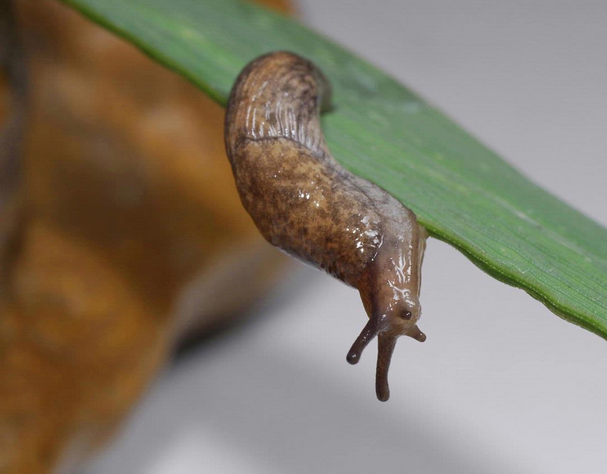
All this cool and wet weather has “greened up” Green Country thus benefiting our lawns and gardens. It also set out the welcome mat for the snail’s slimy cousin, the slug!
If you see shiny, silvery trails in your garden or on your walkway, that's a sure sign that slugs are active in your garden. In numbers, they can do significant damage to certain young plants as well as reduce both fruit and vegetable harvests.
Click on SLUGS to learn more about their lifecycle as well as three types of control measures (cultural, earth-kind, and chemical).
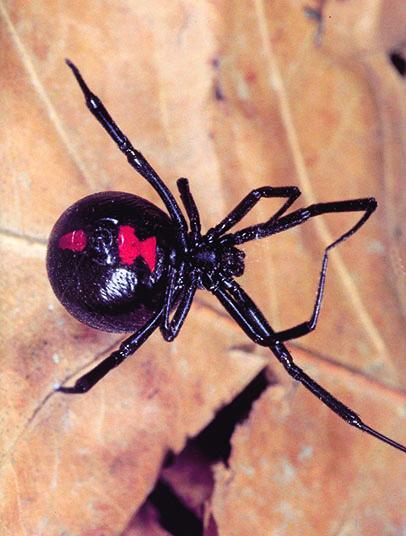
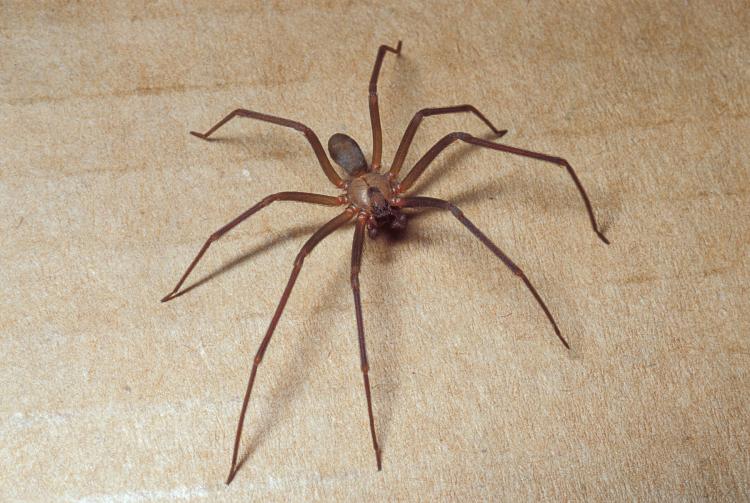
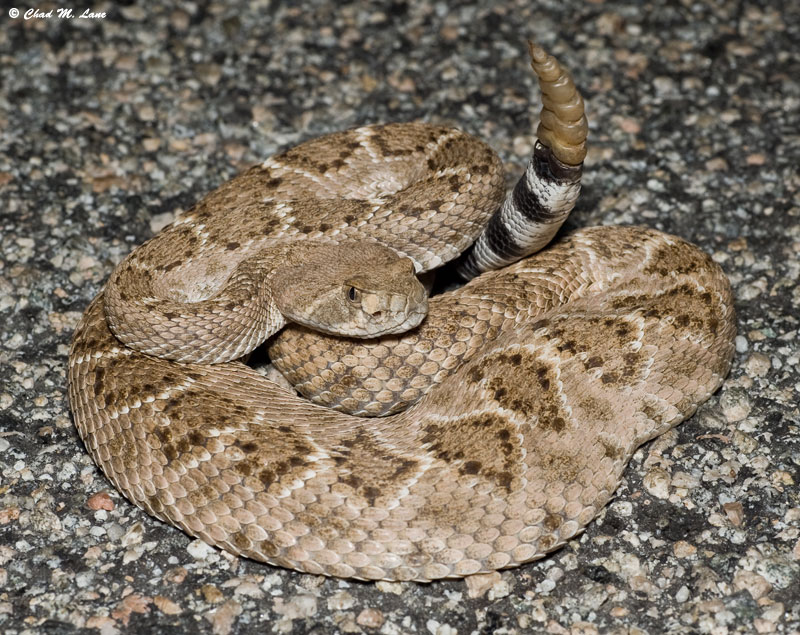
| VENOMOUS SPIDERS AND SNAKES IN OKLAHOMA | |
Oklahoma's natural beauty - ranging from forested hills and rocky outcrops to river valleys and prairie grasslands - provides rich habitats for all kinds of wildlife. Among them are a handful of spiders and snakes that are venomous. While encounters are generally rare it is important to understand which species to avoid and how to stay safe.
Click on S&S for more info on the few dangerous species that one may encounter around here.
| |
LIGHTNING BUGS:
NATURE'S NIGHT LIGHT
| |
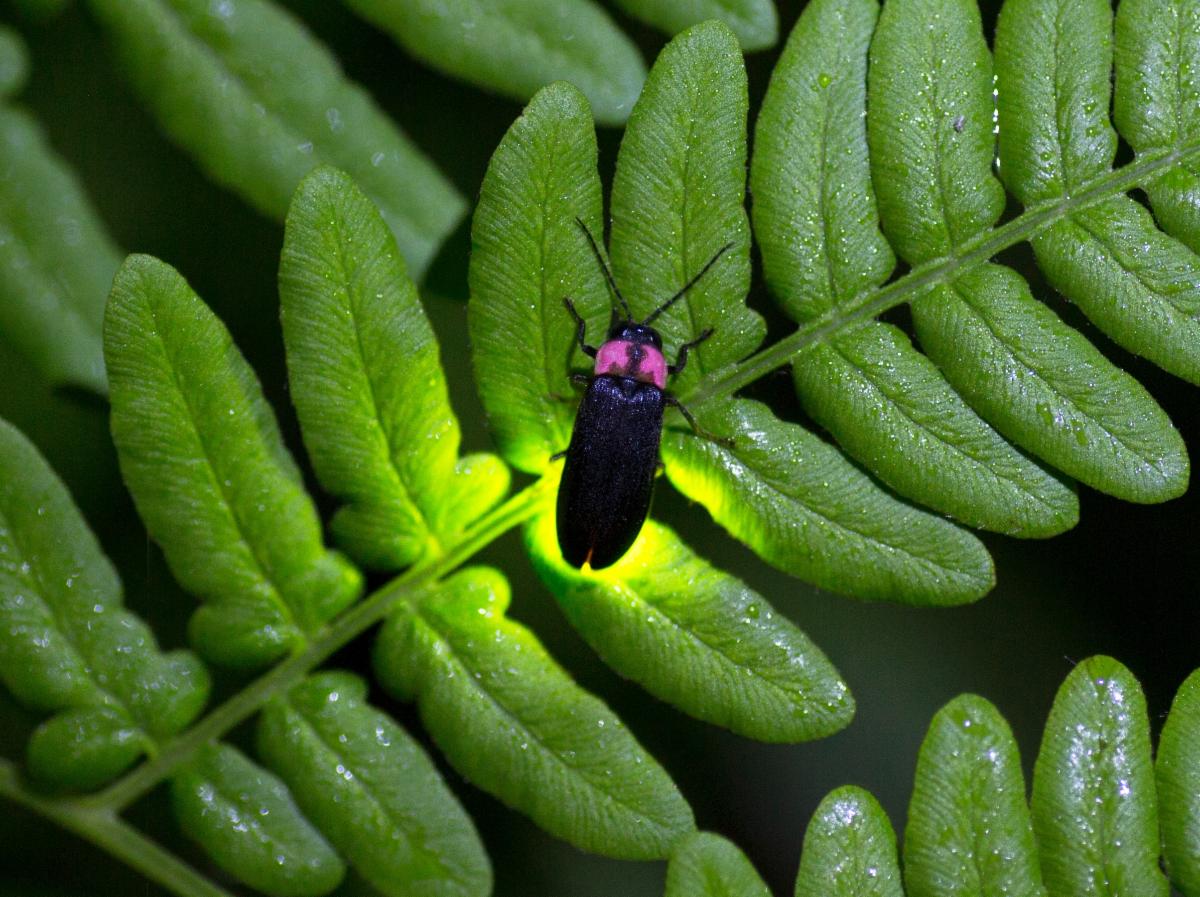
It’s summertime! Hot days, warm nights and the magical glow of Lightning Bugs!
Lightning bugs, fireflies, glow-worms, whatever you call them, are actually beetles of the Lampyridae family. Their “glow” is one of nature's magical inventions. For a quick read on how these little guys produce their glow as well as many other interesting facts such as their lifecycle, where in the world they live, number of species, and how we can protect them, click on NATURE'S NIGHT LIGHT.
| |
BLACK SWALLOWTAILS:
OKLAHOMA'S STATE BUTTERFLY
| |
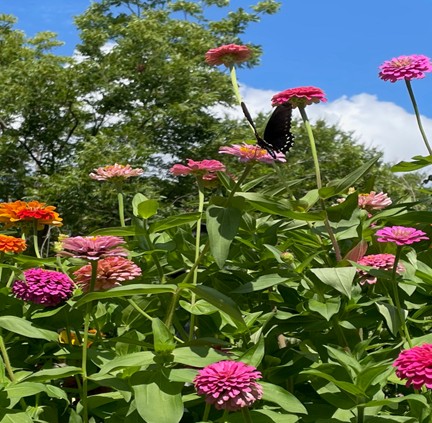
We all are familiar with the famous Monarch butterfly but there’s another beautiful pollinator around, the black Swallowtail (Papilio polyxenes). This has been Oklahoma’s official state butterfly since 1996. They love certain pollinator plants and herbs, but different from what the monarch prefers.
Click on SWALLOWTAILS to learn about their lifecycle, where they are found, and what to plant to attract them to your garden.
| CHICKENS: STARTING A BACKYARD FLOCK | |
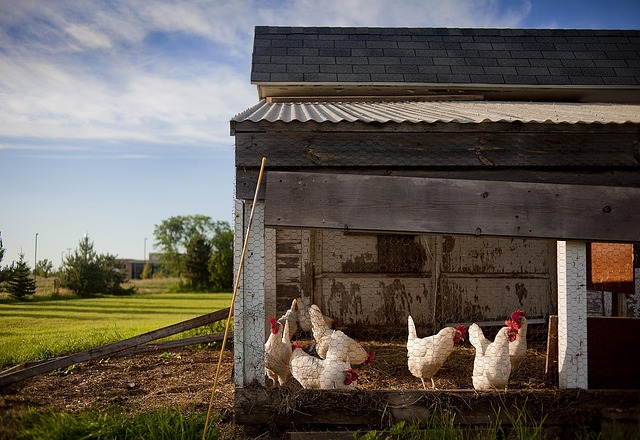
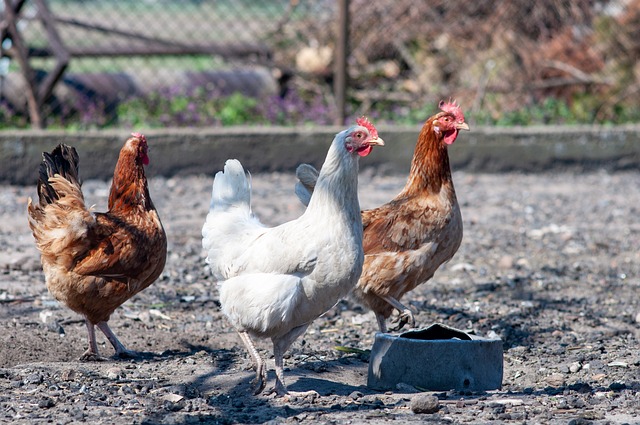
Raising a backyard flock can be a rewarding experience, providing fresh eggs, meat, fertilizer, and a closer connection to where your food comes from. However, before diving in, it is important to understand some common barriers, such as city ordinances/HOA rules, neighbor concerns, time/labor commitment. A little research upfront will help to avoid a potentially costly mistake down the road.
Having said that, let's get into some details about this up and coming craze. Click on CHICKENS for some detailed information on: housing, breed selection, brooding, equipment/bedding, food/water/light, disease, economics, and much more. If this sounds like something you would like to try, go for it - could be a lot of fun for you . . . and the kids!
| |
LASAGNA GARDENING:
NOT JUST FOR ITALIANS!
(aka Hügelkultur)
| |
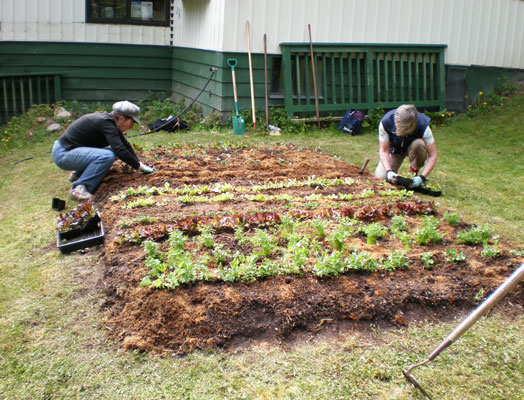
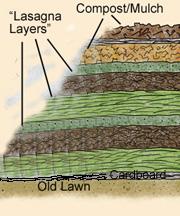
Lasagna gardening - also known as sheet composting - is a sustainable, no-till (what, no-till?) gardening method that builds rich, organic soil by layering biodegradable materials directly on the ground. This approach is especially beneficial for Oklahoma’s challenging climate, which features temperature extremes, variable rainfall, and clay-heavy soils.
While it may look like a lot of work, it's really not. And think of the labor saved by not tilling/weeding along the way as well as being really earth-friendly. To learn more about this innovative way to grow a vegetable garden, click on LASAGNA GARDENING.
| |
YOUR DETAILED GUIDE TO
CONTROLLING VEGE BUGS
| |
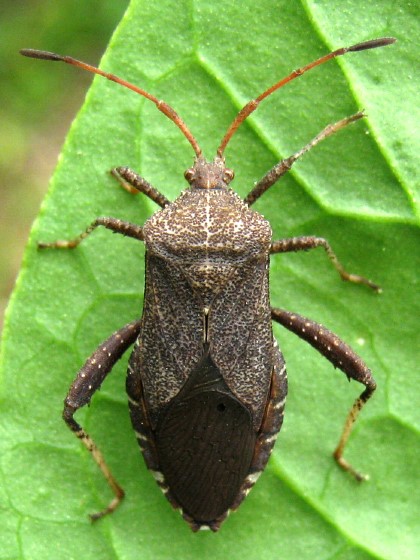
Admit it, if you grow a garden, you will have bugs. Virtually no way around it. But, armed with a little research-based info, you can (more or less) keep ahead of the bad guys in the garden.
Click on VEGE BUGS for a detailed guide on the most common insect pests in Oklahoma vegetable gardens - who they are, how to identify them, and best management tactics, all from OSU-based research and extension recommendations.
| |
SWARMING ANTS OR TERMITES:
HOW DO I TELL THE DIFFERENCE?
| |
When you see winged insects swarming around your Oklahoma home in spring, the burning question is: are they ants or termites?
Click on ANTS OR TERMITES to learn (or re-learn) how to distinguish them and when to seek help.
| |
DID YOU KNOW?
Since 1983, the Tulsa Master Gardeners have been serving the public by offering research-based horticultural information to residents of Tulsa and the surrounding area. The Tulsa Master Gardener Foundation is a 501 (c) (3) organization. As such, it receives no city, state or federal funding for its Tulsa community outreach programs. In fact, the Tulsa's Master Gardener programs are self-funded by its own fundraisers, from member donations, and from public donations.
The two main annual Tulsa Master Gardener fundraisers are its Spring Plant Sale in April and the Garden Tour that is usually the first weekend in June. And, one of the most important income sources that sometimes gets overlooked are the personal and corporate donations. These are so important in helping us to meet our financial obligations and we want you to know they are very much appreciated.
MG Endowment Fund
The Tulsa Master Gardeners have been around for over three decades and we plan to be around for many more decades. Furthermore, we are considered one of the top five Master Gardener County programs in the entire nation. We are because of the size of our Foundation membership, the number, diversity and activity level of our various community outreach programs, and our overall financial strength!
So, we are pleased to announce, in partnership with the Tulsa Community Foundation, the Master Gardener Foundation has established an Endowment Fund to ensure our long-term financial strength. Our plans are to build this fund for many years before making any withdrawals from it. Please consider us as you make your annual gift giving as well as longer-term estate planning decisions. Remember, all donations are fully tax deductible!
If you wish to make a tax-deductible donation to help fund the long-term success of the Tulsa Master Gardener program, click on
TULSA MASTER GARDENER ENDOWMENT FUND.
If you wish to make a tax-deductible donation to help fund the Tulsa Master Gardener program's annual expenses, click on
TULSA MASTER GARDENER FUND.
We thank ALL of you for having been such faithful contributors both in the past and in advance for your future consideration and participation! So proud to be a part of the Tulsa area - such a giving community!
| |
=====================================================Oklahoma State University, in compliance with Title VI and VII of the Civil Rights Act of 1964, Executive Order 11246 as amended, Title IX of the Education Amendments of 1972, Americans with Disabilities Act of 1990, and other federal laws and regulations, does not discriminate on the basis of race, color, national origin, gender, age, religion, disability, or status as a veteran in any of its policies, practices or procedures. This includes but is not limited to admissions, employment, financial aid, and educational services.
=====================================================
You can get answers to all of your gardening questions at:
TULSA MASTER GARDENERS
4116 East 15th Street Tulsa, OK 74112
918-746-3701
mg@tulsamastergardeners.org
| | | | |