NDSU Extension logo bar

Healthy Communities Alive!


Happy April!


April is gardening month. We can’t wait to get outside and explore nature. We have a lot of resources to help you. This month, our intern contributed resources to help stay healthy this spring and all year.


  • If you can’t wait for spring and summer gardening, see the Field to Fork website for archived webinars and other materials about growing, preparing and preserving fruits and vegetables. 
    
  • Check out the Nourish resources to learn about our online and face-to-face programs being offered. Our printable resources are always available online. 
    
  • Explore some recipes! You can find recipes that correspond to various produce we can grow at home – from apples to zucchini. See the food preparation and preparation topics at NDSU Extension. You will find information about beans, lentils, chickpeas and other budget-stretching, protein-rich foods. 
    
  • Beans are an excellent source of fiber and other nutrients. See the NDSU Extension Pulse resources for more information, including a free online cookbook titled “Spillin’ the Beans.” 
    
  • Many people shortchange themselves on vegetables. See the “Vary Your Veggies” collection to inspire your menus.


Until next time… celebrate Gardening Month!


Sincerely, 


Julie Garden-Robinson, Food and Nutrition Specialist, NDSU Extension


Please contact me at julie.garden-robinson@ndsu.edu or 701-231-7187 for more information about any of these programs.

Celebrate Gardening in April 


By Lindsey Barton, Dietetic Intern – NDSU Extension

Reviewed by Julie Garden-Robinson, Food and Nutrition Specialist


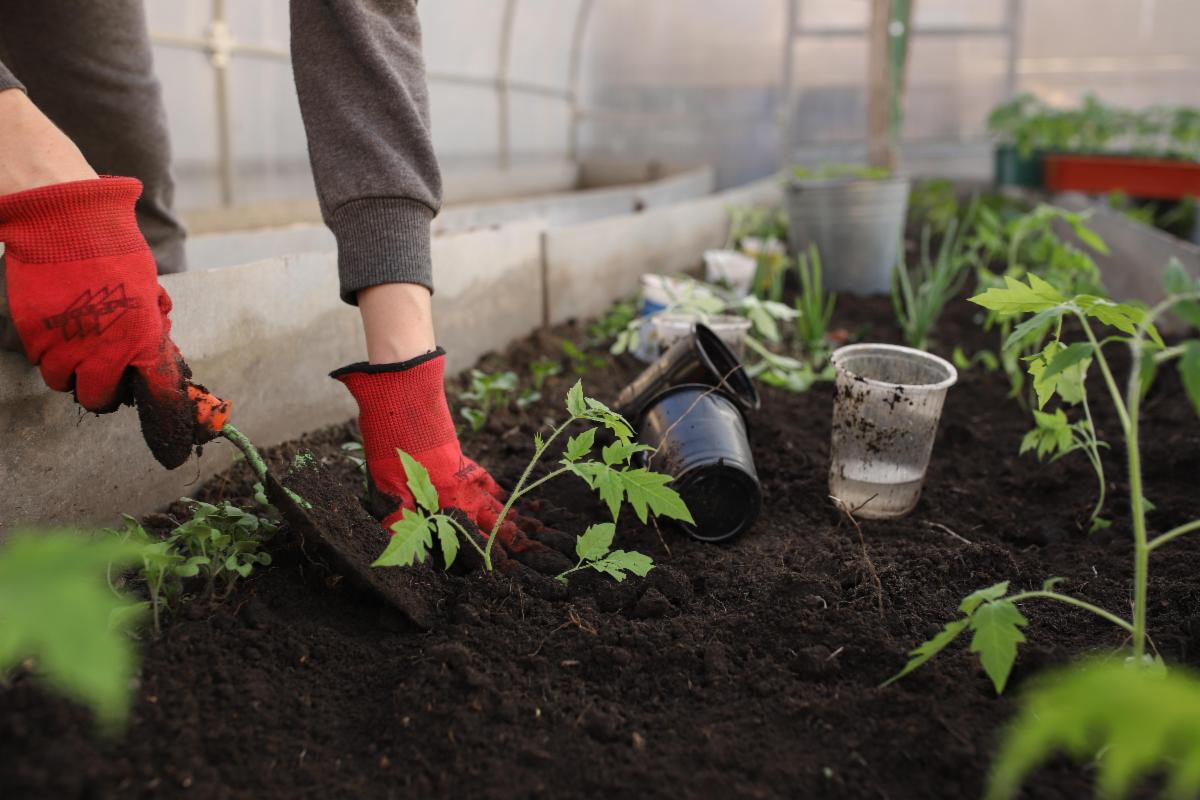
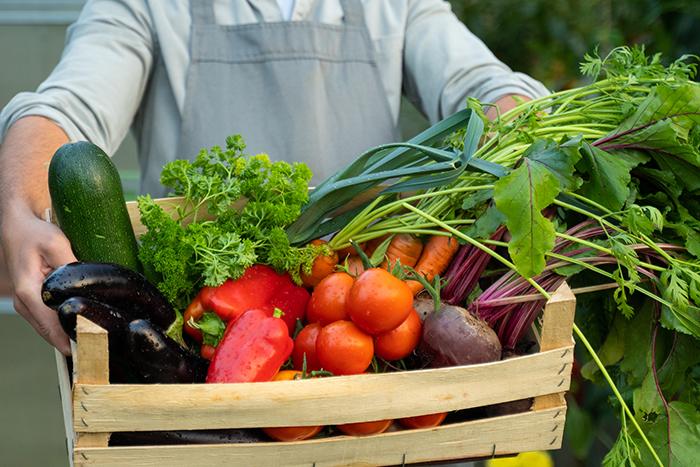
Gardening supports physical activity, mental well-being and social connection, all key components of healthy communities. Activities such as planting, watering and weeding provide gentle movement that can improve strength, flexibility, balance and cardiovascular health. Spending time outdoors caring for plants can help reduce stress, improve mood and promote a sense of accomplishment. Additionally, growing your own fruits and vegetables encourages healthier eating habits and provides access to fresh, nutrient-rich produce.


Beyond individual benefits, gardening contributes to community well-being by creating shared spaces where people bond, learn together and build a sense of belonging. Whether gardening takes place at home or in shared community spaces, growing plants can help grow healthier habits for everyone.


Gardening Q&A


I don’t have a yard. Can I still garden?

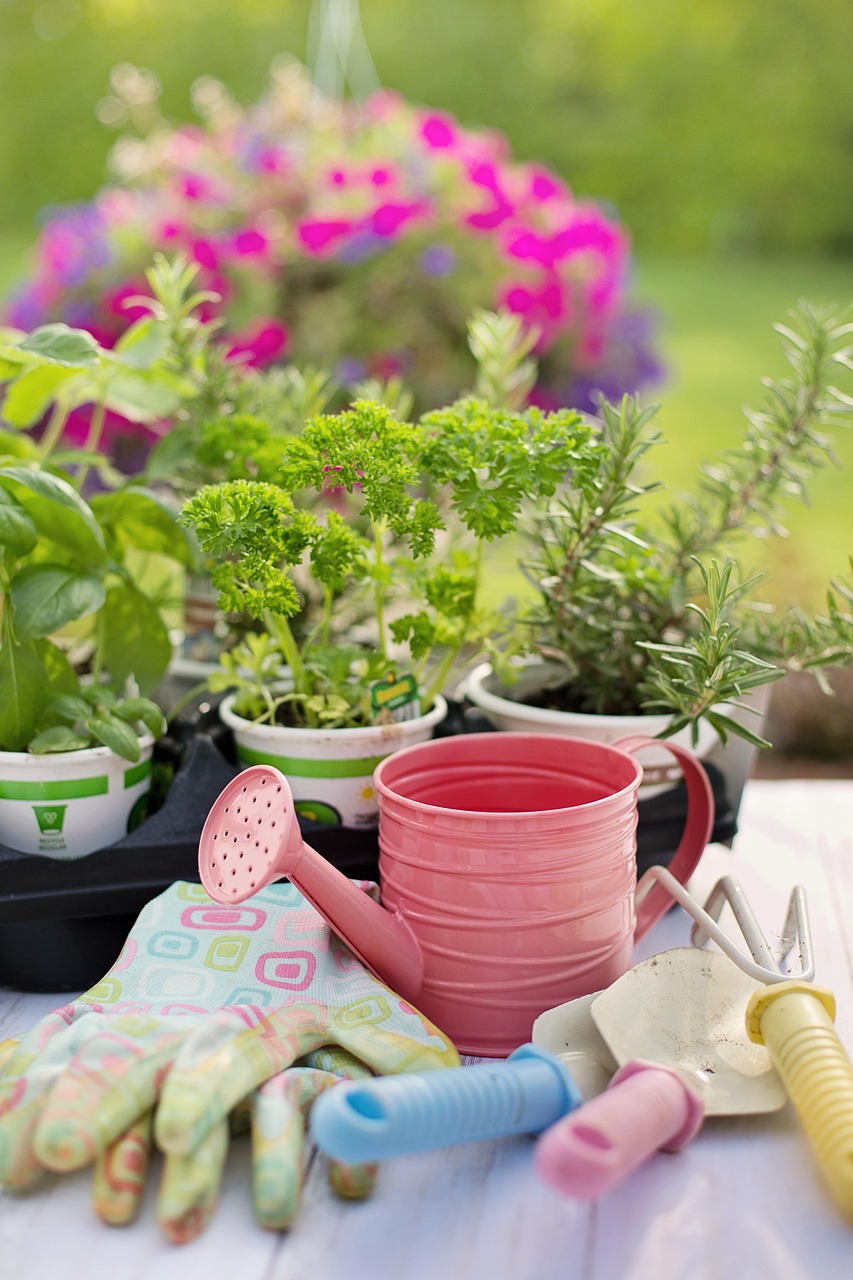
Yes! Container gardening works well for herbs, leafy greens, tomatoes and peppers. Pots, buckets and raised beds can be placed on patios or balconies or near sunny windows. Just remember to use containers with proper drainage to prevent overwatering.


When should I start gardening in North Dakota?

April and May are great times to plan your garden, prepare soil and begin planting cool-season crops such as lettuce, spinach, peas and radishes. Warm-season plants like tomatoes and peppers can be started indoors and transplanted outside once the risk of frost has passed.


How much time does gardening really take?

Gardening doesn’t have to be time-consuming. Even 10-15 minutes a few times a week can be enough to water plants, check growth and manage weeds.


How does gardening support healthy communities?

Gardening brings people together, encourages shared learning and improves access to fresh foods. Community gardens help strengthen social connection, promote teamwork and support food security.


I’m new to gardening – where can I get help?

NDSU Extension offers research-based resources, workshops and publications to support gardeners at all experience levels. Resources cover everything from basic gardening and soil preparation to vegetable growing and pest management. Best of all, these resources are all tailored to North Dakota’s climate and growing conditions.


What can you do in your community?

Support gardening in your community by attending local farmers markets and participating in a community garden near you.


Check out these links:


Gardening Advice from the U.S. Department of Agriculture


NDSU Gardening and Horticulture Website


Gardening Can Benefit the Entire Family


By Julie Garden-Robinson, Food and Nutrition Specialist


Not only does gardening produce fresh, healthful foods to incorporate into family meals and snacks, but it’s also a way to be physically active. Gardening is educational, allows children to develop new skills and is a time for family bonding.


Having a garden makes healthful fruits and vegetables readily available. Research shows that children who participate in school gardening programs eat more fruits and vegetables. Children are more likely to enjoy eating produce if it’s from plants they’ve cared for and watched grow.


Gardening consists of an assortment of activities: digging soil, planting seeds, watering plants, carrying pots and tools, weeding, and harvesting produce when it’s ready. These activities require a variety of muscle groups. Leg work (walking, squatting and crouching) and arm work (digging, pulling and carrying heavy objects) make gardening a good source of physical activity for children and adults.


Gardening gives children the chance to enjoy and appreciate the outdoors. Children will learn about the science of plants, animals and the environment around them. They’ll also learn about nutrition and where fresh foods come from.


Children can develop important skills by planting and tending to a garden. They will experience cooperation and teamwork from working in the garden with the whole family. This is also a way for them to practice responsibility by overseeing and caring for living plants and to increase their self-confidence by growing their own produce successfully.


Gardening requires work and dedication, but it can be a fun and rewarding family activity. The following fruits and vegetables are fairly easy to grow at home and are great starters for your garden:


  • Beans
  • Carrots
  • Lettuce
  • Peas
  • Peppers
  • Raspberries
  • Strawberries
  • Tomatoes
  • Cucumbers
  • Squash


What can you do in your community?

Take some time this month to plan or even start your garden. Check if there are community gardening groups, where you earn a share by helping and have the opportunity to share with food pantries in the future.


Resources:


Recipe of the Month


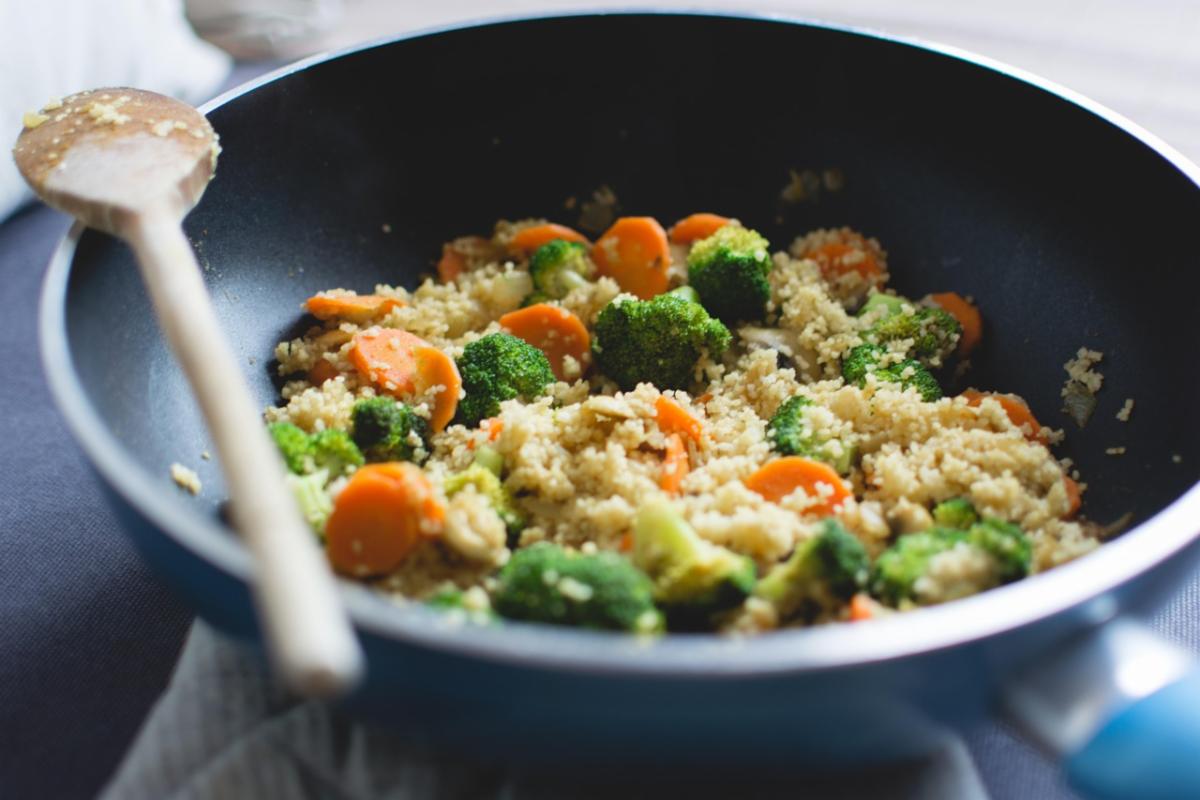
Let’s get enthusiastic about veggies with this recipe that has a variety of nutrient-rich veggies available in grocery stores, fresh or frozen.


Vegetable Stir-fry


1 teaspoon oil (canola, soy, sunflower, olive, etc.)

4 large carrots, sliced

1 pound broccoli, cut up

2 cloves garlic, diced

Curry powder (optional)

4 stalks celery, sliced

1 small (¾ pound) bok choy or Chinese cabbage, cut up

1 medium onion, diced

½ teaspoon ginger

Edamame (green soy) (optional)

Soy sauce (optional)

Chopped green onion and/or sesame seed (optional)

4 cups cooked rice (about 1¼ cups uncooked rice)


Heat oil in a frying pan or wok over medium-high heat. Add prepared carrots, broccoli and garlic to the frying pan. Stir constantly for 3 to 5 minutes. Add curry powder (optional). Add celery, Chinese cabbage, onion and ginger. Cook for an additional 2 minutes. Vegetables should be firm when done. Serve over rice or mix the rice with the vegetables. Garnish with green onion and sesame seeds (optional). Refrigerate leftovers.


Makes four servings. Without green onion, sesame seeds and curry, each serving has 350 calories, 2.5 grams (g) fat, 10 g protein, 74 g carbohydrate, 10 g fiber and 240 milligrams sodium.


NDSU Extension logo green-gold