Send your birthday wishes, personal memories, comments, or reflections on how his life and work have inspired you

View as Webpage & Print

Celebrating a Pioneer, Mentor, and Friend


Greetings!


Today, November 10, we celebrate the birthday of Dr. Cedric Garland, a pioneering scientist whose research with his brother, Dr. Frank Garland, helped establish the connection between sunlight, vitamin D, and cancer prevention.


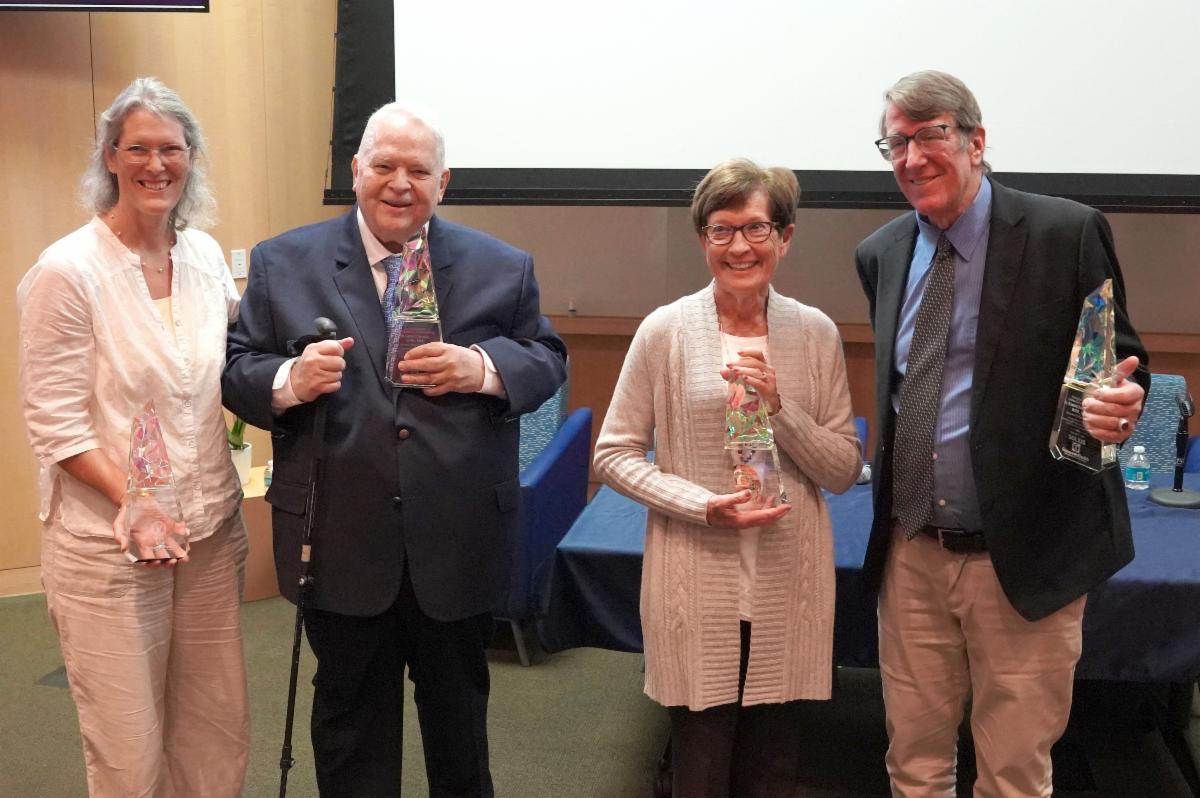
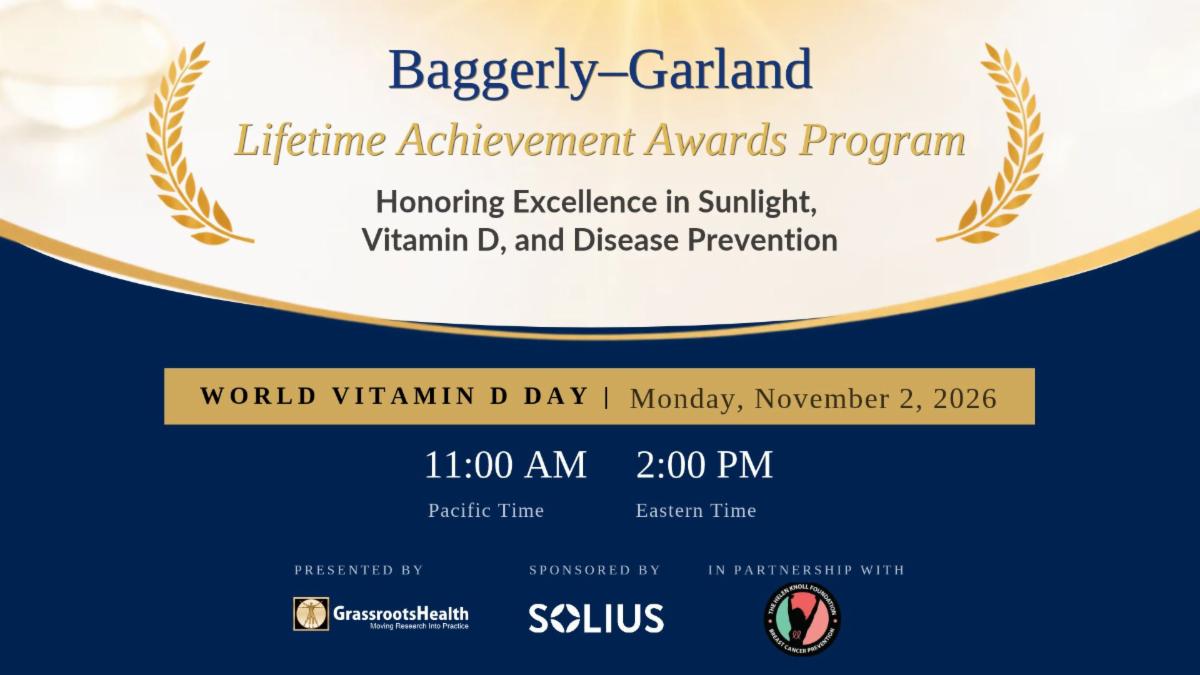
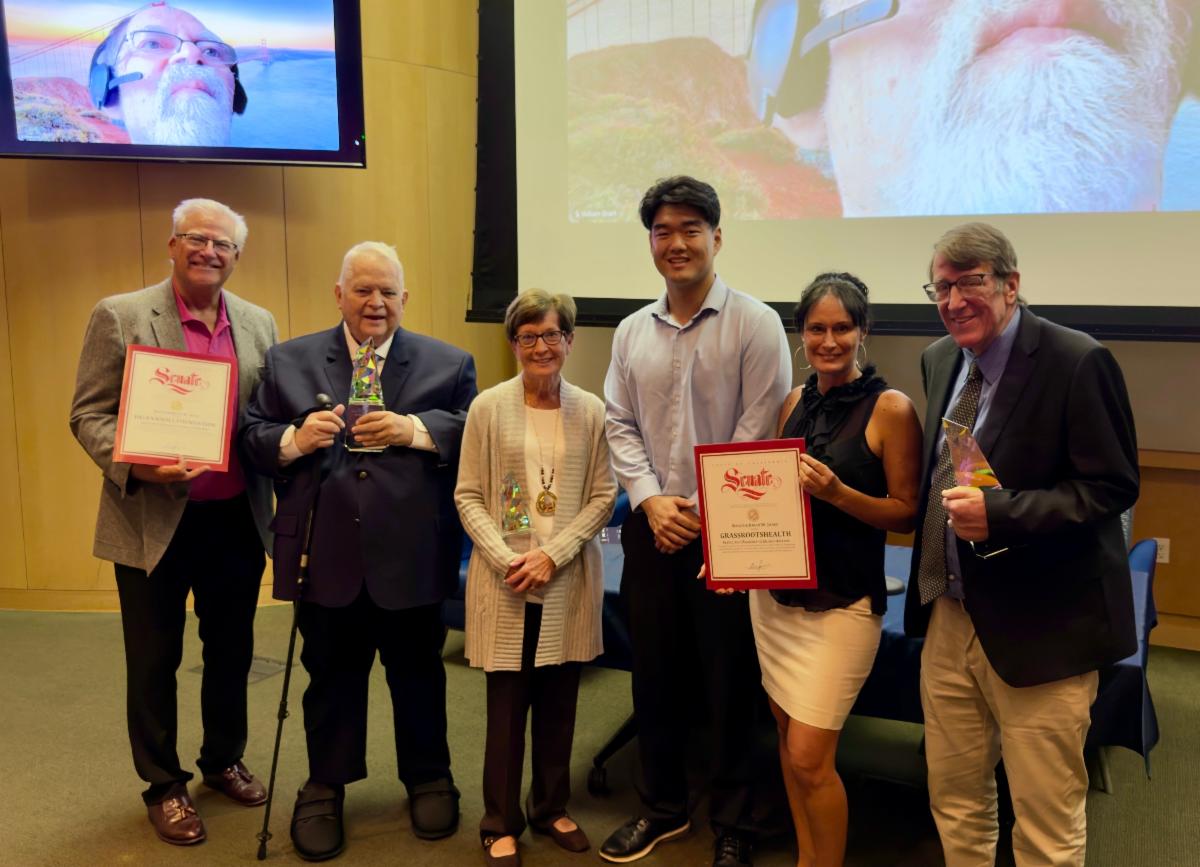
Just last week, Dr. Garland helped bring together leading scientists and colleagues for the inaugural Baggerly-Garland Lifetime Achievement Awards on World Vitamin D Day. His dedication to honoring others and recognizing their contributions made the event especially meaningful. Today, we turn that recognition back to him, with our deepest gratitude for his scientific leadership, generosity, and decades of dedication to advancing vitamin D research.


During the ceremony, Dr. Garland reflected on the skepticism he and his colleagues faced in the early years and how gratifying it is to see others continuing their work. His message was a powerful reminder that scientific discoveries can inspire generations of progress.

Birthday Wishes from Fellow Scientists and Friends


Dr. Joan Lappe shared:


Dr. Cedric Garland is the “real deal.”


As a young professor, he made a keen observation and went on to conduct amazing studies of the relationship between vitamin D and cancer.


This young professor and his brother Frank, a graduate student, were at an NIH symposium. There, they watched a slide presentation showing cancer incidence. Although the presentation was not very exciting, they both noticed something unusual that was not noted by the presenter: the numbers showed that the incidence of cancer was lower in US states with more sunny days (higher solar index).


The Garlands went on to conduct research to support their “Vitamin D Hypothesis.” As a result of their early publications, a multitude of studies have been conducted to establish this relationship and underlying mechanisms. Slowly, their hypothesis is being accepted by scientists and the public.


I think Dr Garland and his brother, who is deceased, deserve the Nobel Prize!


Dr. Edward Gorham wrote:


He’s incredible! It’s been a privilege of my life to work with him as he opened up a wealth of knowledge about vitamin D. He’s been at the forefront and led the way to the associations between vitamin D and disease prevention. Now we are just waiting for the world to catch up.


Dr. William B. Grant shared:


Dear Cedric,


You and your brother laid the foundation for my 27-year career studying vitamin D, first for cancer, later for many other diseases. As I was trying to figure out how to explain the geographic variations in cancer mortality rates as shown in the Atlas of Cancer Mortality in the United States, 1950‒99, NIH, NCI, Devesa et al. (1999), the NASA Langley Research Center’s librarian told me of your 1980 article hypothesizing that vitamin D from solar UVB radiation was the mechanism for reducing risk of colon cancer deaths.


I, like many others at that time, was totally unaware that vitamin D had non-skeletal effects. I then obtained the solar UVB doses at the surface from NASA’s Total Ozone Mapping Spectrometer (TOMS). I then determined the UVB dose for each of ~500 state economic areas and found UVB inversely correlated with mortality rates for 13 types of cancer. It was published in Cancer in 2002.


I consider your insight to identify UVB-produced vitamin D as reducing risk of colon cancer followed by observational studies of dietary intake and serum 25(OH)D concentrations as worthy of the Nobel Prize in Physiology or Medicine as Australian physicians Barry Marshall and J. Robin Warren won in 2005 for discovering the bacterium Helicobacter pylori and proving its role in causing gastritis and peptic ulcer disease.


Thus, for your birthday, I bestow upon you an Honorary Nobel Prize in Vitamin D.


Wishing you many more happy birthdays.


Your friend and disciple, Bill Grant, Sunlight, Nutrition and Health Research Center, San Francisco.


Jen Aliano, MS, Executive Director of GrassrootsHealth, shared:


On your birthday, we celebrate not only your extraordinary scientific contributions, but also the generosity, guidance, and unwavering commitment you have brought to GrassrootsHealth. Your work helped reveal the potential of vitamin D in cancer prevention, and your partnership with Carole Baggerly helped turn that knowledge into a movement for better health. We are deeply grateful for all you have done and continue to do. Happy Birthday, Dr. Garland!


We invite you to join us in celebrating Dr. Garland!

Send your birthday wishes, personal memories, comments, or reflections on how his life and work have inspired you by responding to this email or emailing jen@grassrootshealth.org. We would love to share your messages of appreciation with him on this special occasion.

Watch the Baggerly-Garland Awards Ceremony


In case you missed it! Watch the recording of the ceremony as we honored Drs. Edward D. Gorham, William B. Grant, and Joan M. Lappe for their groundbreaking contributions to vitamin D and cancer prevention research, along with special recognition of Dr. Garland for his pioneering discoveries, scientific leadership, and enduring legacy.

Distinguished Scientists Receive Awards for Research on Vitamin D for Cancer Prevention


GrassrootsHealth presented the inaugural Baggerly-Garland Lifetime Achievement Awards, honoring three scientists whose pioneering work helped advance the understanding of vitamin D, ultraviolet B (UVB) exposure and cancer risk.

Free Webinar Today!

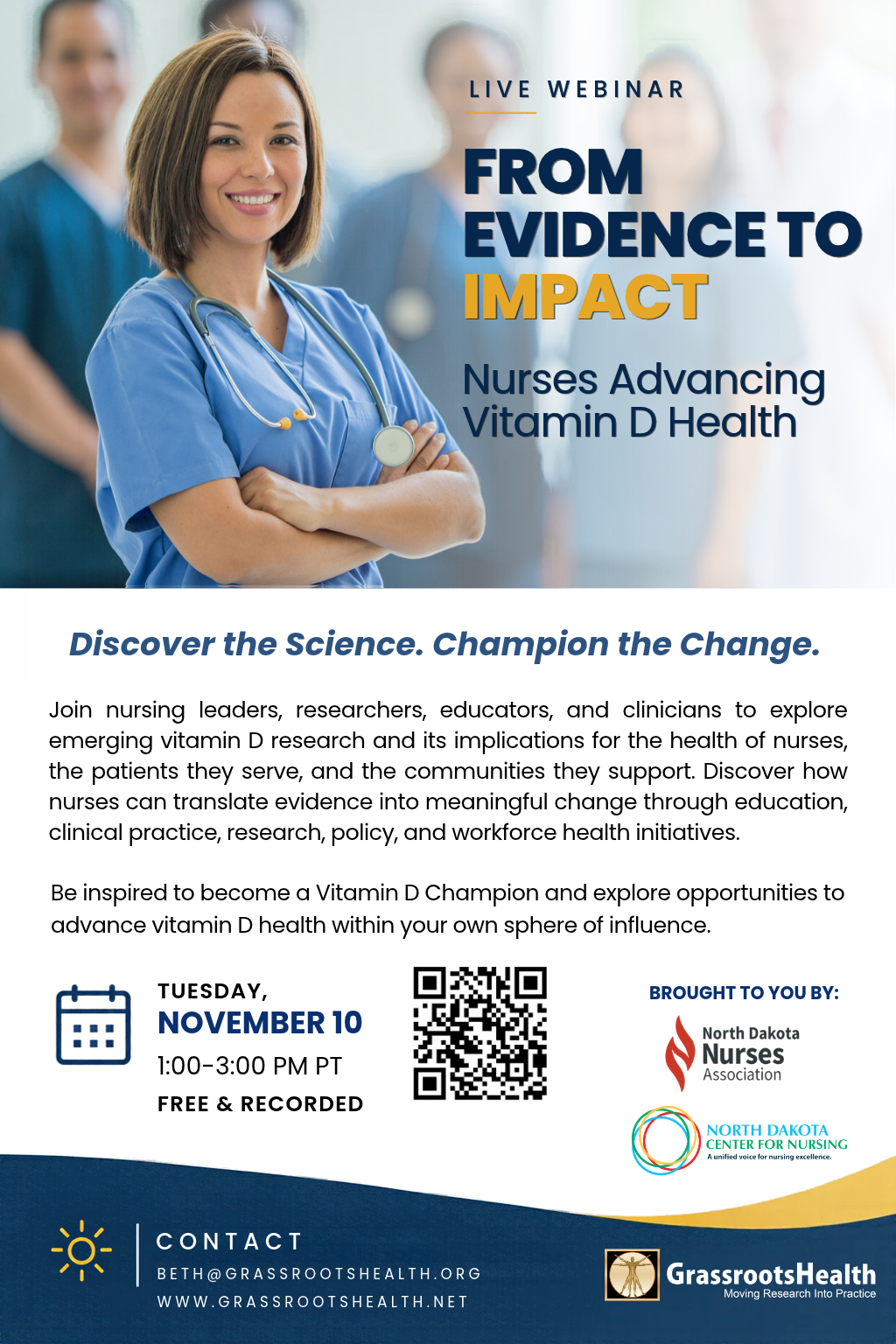
FROM EVIDENCE TO IMPACT: Nurses Advancing Vitamin D Health


Discover the Science. Champion the Change.


Join us today, Tuesday, November 10, from 1:00–3:00 PM Pacific for a FREE online webinar bringing together nursing leaders, researchers, educators, and clinicians to explore the importance of vitamin D in healthcare and the opportunities for nurses to help lead meaningful change.


Although the webinar focuses on nurses, everyone is welcome to attend! Whether you're a healthcare practitioner, educator, researcher, public health professional, or simply passionate about improving health through prevention, we invite you to join us.

Take Action and Measure Your Levels Today!

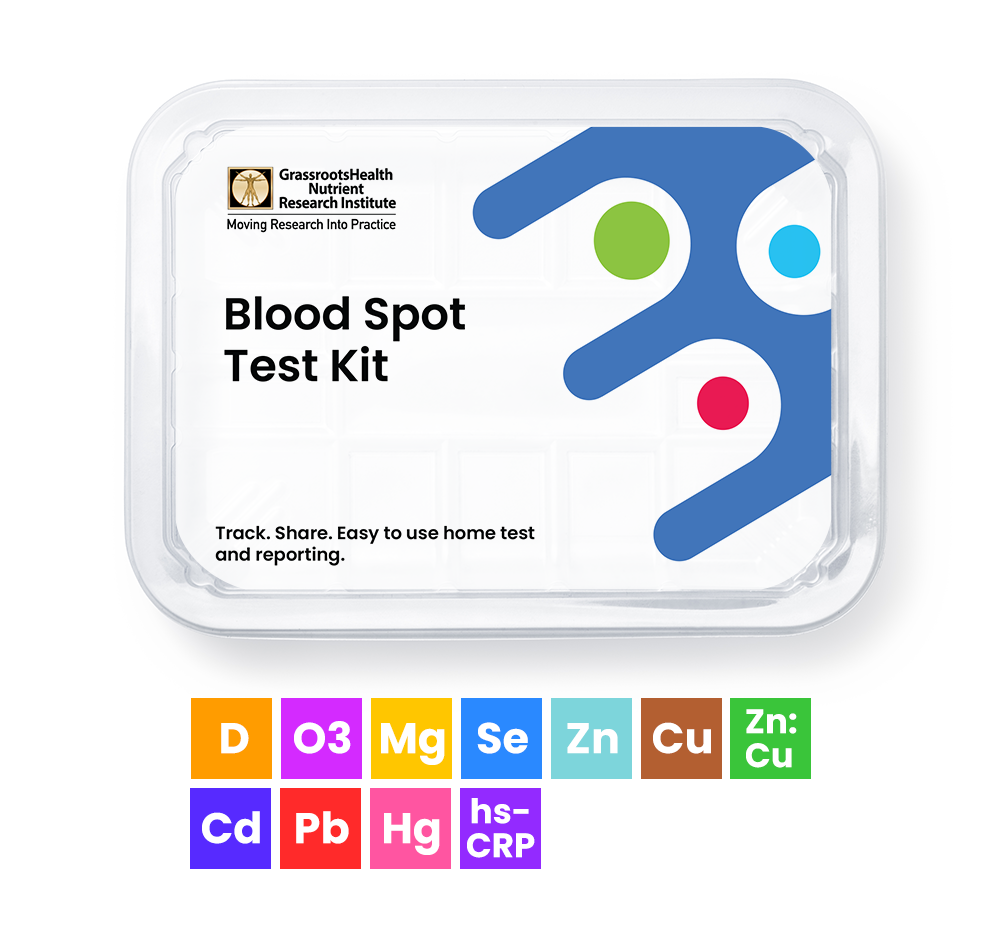
Based on findings from published studies, measuring your levels of vitamin D, magnesium, selenium, and omega-3s may help determine if more of these nutrients might be needed to provide the greatest risk reduction for breast cancer and improve outcomes in the case of a breast cancer diagnosis.


Create your custom home blood spot kit with the following measurements to help determine if you are getting enough of the following nutrients shown to benefit your current or future breast health:


X Share This Email
LinkedIn Share This Email
 

Participate Today with Your Home Test Kit Order

All purchases support vitamin D research and education. Measure your vitamin D and other important levels at home as part of the D*action project! Create your custom home test kit or choose from our top products below.


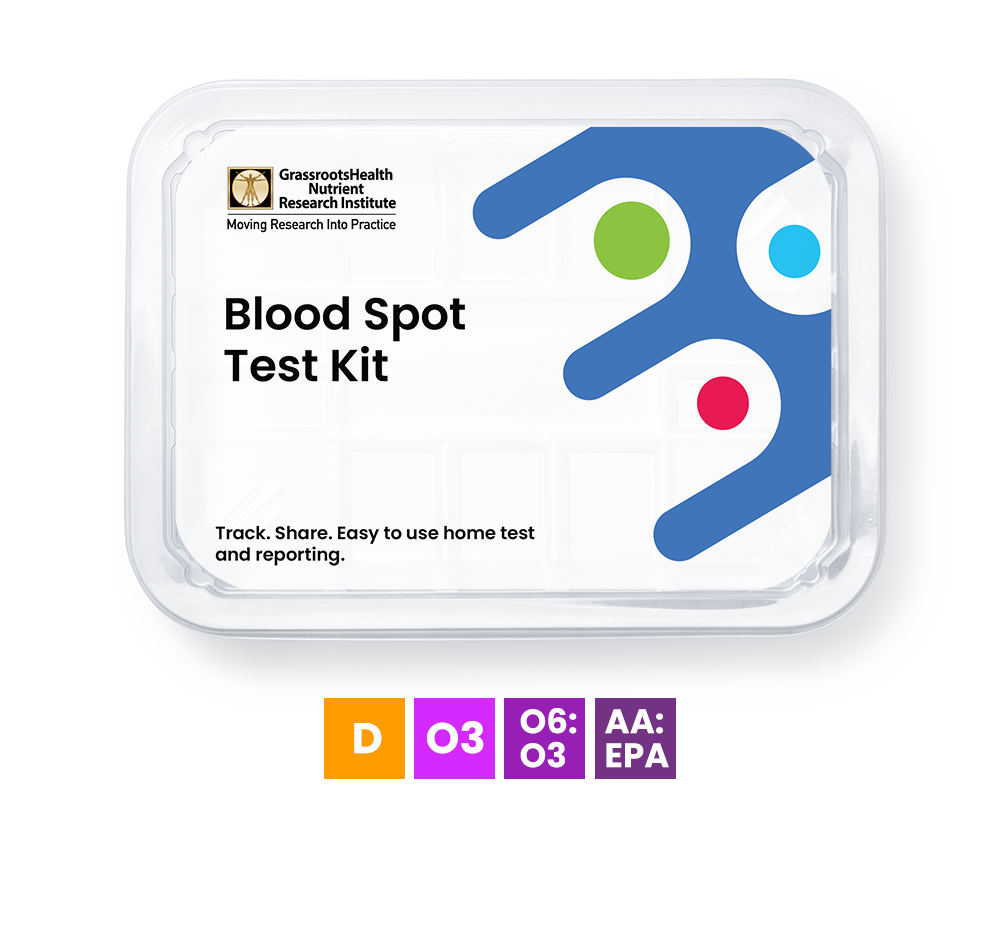
Vitamin D & Omegas

o3-ratios-kit-1 image

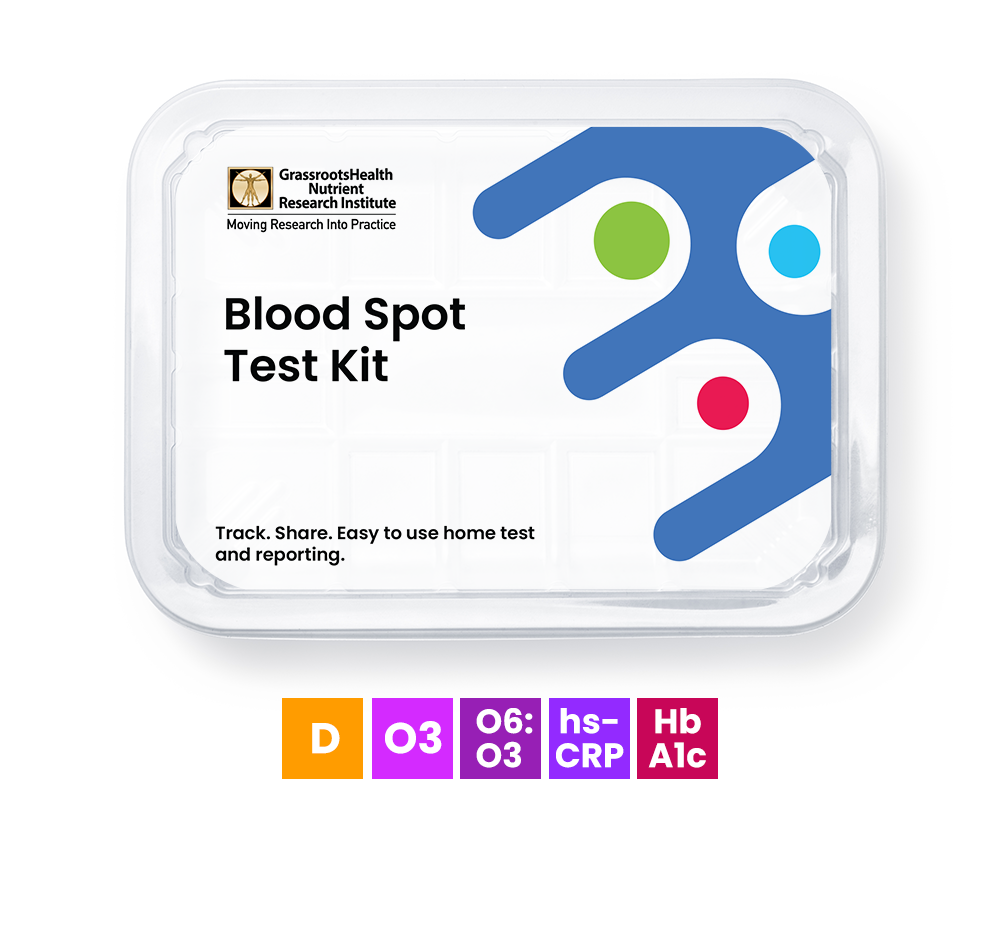
Inflammation Panel

inflammation-kit-2 image

Immune Boost Panel

immune-boost-kit-2 image
 

How Much Vitamin D do YOU Need to Get to 40 ng/ml (100 nmol/L)?

Did you know that everyone responds differently to vitamin D supplement amounts - by up to 6 times!?

Your health could be greatly affected by making sure you have a vitamin D level of at least 40 ng/ml (100 nmol/L). Don't get stuck with low vitamin D levels - learn more about what might affect your level and response to supplementation, and the steps to take through each season to keep levels in your target range.


Have a Beautiful and Healthy Day! Onwards,


Jen Aliano

Director

GrassrootsHealth

315 S. Coast Hwy 101, Suite U-87

Encinitas, CA 92024

(760) 579-8141

Facebook  Twitter  Instagram  YouTube