NDSU Extension logo bar

Healthy Communities Alive!


Happy June!


Ah, summertime. June marks gardening, outdoor eating and getting active under the sun. This month, our intern and program assistant contributed resources about dairy, gardening and more. June is Dairy Month, so enjoy a fruit smoothie with some yogurt.


  • New to gardening? All the 2026 webinars are archived on the Field to Fork website. You can learn about growing and preserving a wide range of fruits and vegetables – you can even learn about a relatively new type of food preparation: sous vide! While on the site, check out the other resources, including the recipes on the 2026 colorful annual calendar.
  • If you cracked open the grill, check out the featured grilling materials on the NDSU Extension website. You could “grill something new,” such as fruit!
  • As you spend more time outdoors, don’t forget the sunscreen. Visit Nourish Your Skin for more guidance to safely spend time under the sun’s rays.
  • See the Nourish resources to learn about our online and face-to-face programs being offered. Our printable resources are always available online.
  • Explore some recipes this summer. See the food preparation and preparation topics at NDSU Extension. The recipes must meet guidelines to be featured on our recipe website.


Don’t forget to protect your skin! National Skin Cancer Awareness Month (May) is over, but sun safety is important in all seasons. Remember to put all these tips into practice all summer:

  • Seek shade during the peak UV radiation hours of 10 a.m. to 4 p.m.
  • Apply sunscreen when you are exposed to the sun (this includes while under shade, driving, and standing or sitting next to windows).
  • Wear long-sleeved shirts and long pants for sun protection when outside. Wear dry, dark clothing made with tightly woven fabric for the best protection.
  • Wear a hat with a wide brim to protect your face, neck and ears from sun rays. Wear dark hats with tightly woven fabric for the best protection. If wearing a baseball cap, make sure your ears and neck are protected by following the other recommendations.
  • Wear sunglasses that protect your eyes from UV-A and UV-B rays, which are linked to vision loss, impaired vision and skin cancer on eyelids. For extra protection from UV rays, wear wraparound sunglasses that block them from reaching the side of your face.
  • Check out the Healthwise cancer awareness materials from NDSU Extension. Note that June is Men’s Health Month, and we have several handouts for men with the Healthwise resources. 


Until next time -- don't forget your sunscreen!


Sincerely, 


Julie Garden-Robinson, Food and Nutrition Specialist, NDSU Extension


Please contact me at julie.garden-robinson@ndsu.edu or 701-231-7187 for more information about any of these programs.

Tips and Resources for Planting


By Abel Brewster, Program Assistant – NDSU Extension

Reviewed by Julie Garden-Robinson, Food and Nutrition Specialist


You still have time to start a garden this season. Check out your hardiness maps. North Dakota is divided between some of the USDA’s toughest planting zones in the country. 


While growing food in your own backyard can be a useful way to eat healthfully, North Dakota’s rough winters can make gardening a challenge. Knowing what to plant and when is vital to the success of your garden this spring.


In this part of the world, the weather and snow heavily dictate when and what we can grow. To determine the optimal planting times, a final frost date is determined. The last frost is the average final date when the temperature is expected to fall below freezing point (32 degrees Fahrenheit) in that region. 

Planting crops after the last frost of the season lowers the risk of frost, which could otherwise be detrimental to your garden.


We are past the last frost, but know that some areas have had frosts at the end of May, historically. For reference, check out some of the larger North Dakota cities and their respective last frost dates (all past, but one never knows for sure):


  • Fargo: 5/11
  • Bismarck: 5/14
  • Minot: 5/15
  • Grand Forks: 5/16
  • Mandan: 5/18
  • Dickinson: 5/25
  • Williston: 5/26
    

Useful resources for determining when to plant


To ensure you nail your planting period, view the USDA Plant Hardiness Zone Map to identify which planting zone you belong in.


On the Almanac website, navigating to the planting calendar under the gardening tab will allow you to search for any city across the U.S. Based on your city, the website will list the best planting dates for many common crops this spring.


What plants grow best in North Dakota?


Since the first fall frost typically arrives between late September and early October, North Dakota only has about a 100- to 120-day growing season. This short window limits what we can grow.


Crops that work best in North Dakota include tomatoes, peppers, corn, beans, zucchini, cucumbers, summer squash, pumpkins and melons, which all need hot growing weather. Crops such as beets, potatoes, carrots, radishes, lettuce and spinach are better suited for the cold and have earlier planting windows.


Preventing frost damage


With the unpredictability of weather, there’s no knowing what tomorrow will bring, even if the last frost just passed. Looking at the forecast, some action can be taken to mitigate the damage. If the weather is expected to fall below 32 degrees, covering plants with tarps or blankets can protect them from the cold.


Adding mulch to your garden can help prevent the soil from freezing. It is also recommended to avoid using fertilizers high in nitrogen, as they tend to make crops more susceptible to frost damage.


Whether you’re an expert gardener or it’s your first time, the following resources can help you navigate spring planting and make the most of this climate. Good luck on your gardening journey!


Resource websites:


NDSU Field to Fork


NDSU Gardening and Horticulture


What can I do in my community?

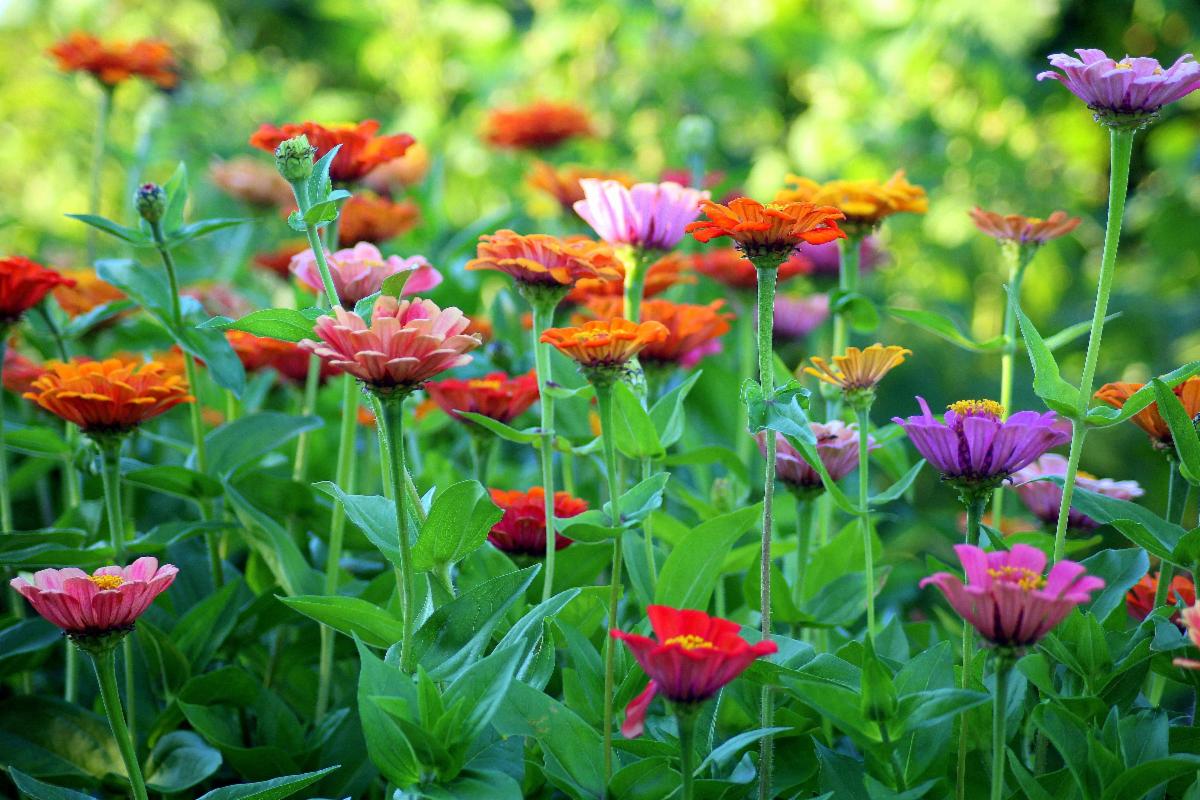
Volunteer to help beautify and nourish your community by volunteering at community gardens, planting flowers at community locations or teaching someone else how to garden.


Sources:

2023 USDA Plant Hardiness Zone Map. (n.d.). Retrieved from USDA plant hardiness: https://planthardiness.ars.usda.gov/


Almanac Planting Calendar and Guide for 2026 for Places in North Dakota. (2026, April 9). Retrieved from Almanac: https://www.almanac.com/gardening/planting-calendar/ND


Vegetable Planting Guide North Dakota Essential Tips for Successful Growing Seasons. (2026, April 3). Retrieved from Plant Native: https://plantnative.org/vegetable-planting-guide-north-dakota.htm


Milk and Kids: What Do Dietitians Recommend?


By Katherine Perrier, NDSU Extension Dietetic Intern (former)

Reviewed by Julie Garden-Robinson, Food and Nutrition Specialist


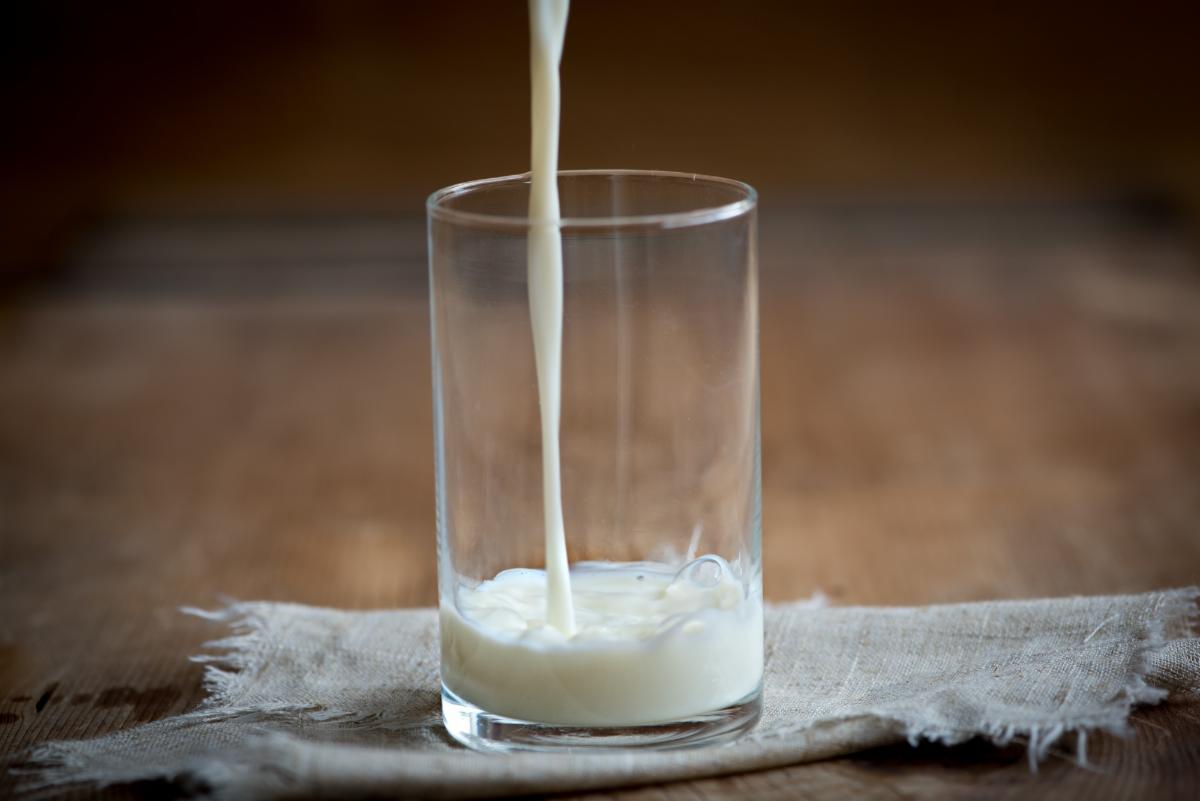
You may have received the message in the media that we should all be drinking whole-fat dairy. What do nutrition experts say? Let’s look at the differences and the current recommendations.


Difference between the Different Types of Milk


When you’re in the dairy aisle and deciding between nonfat, 2%, low-fat or whole milk, it can be challenging to know which option to choose for you. Milk is not a one-size-fits-all food category, and with contradictory statements about which option is better, you might be trying to decide what’s best for you or your family.


What are the different types of dairy milk options? 


The nutritional differences between milk types are exclusively in the fat content, which plays a big role in total calories. Micronutrients such as vitamins and minerals do not vary significantly and, in many cases, are fortified with vitamins D and A. 

Comparison of Types of Milk (8 ounces)


Whole or full-fat milk: 150 calories, 8 grams (g) fat, 5 g saturated fat

Reduced-fat milk (2%): 120 calories, 5 g fat, 3 g saturated fat

Low-fat milk (1%): 100 calories, 2 g fat, 1 g saturated fat

Nonfat (Skim): 80 calories, 0 g fat, 0 g saturated fat


Current Recommendations for Infants, Toddlers and Children


Guidelines from the Academy of Nutrition and Dietetics emphasize that milk recommendations depend on a child’s age and developmental stage. For infants under 12 months, only breastmilk and/or infant formula are recommended, as cow’s milk is not suitable due to its high protein and mineral content and the risk of digestive and other health issues.


At about 12 months, whole (full-fat) milk can be safely introduced to support growth and provide adequate calories. If full-fat milk is not appropriate, fortified alternatives may be used. By 24 months, most toddlers can transition to low-fat or nonfat milk, although some children who need additional calories may benefit from continuing whole milk under the guidance of a health care provider.


Milk is not the only source of dairy recommended for children. For those aged 2 to 12, about 1 ⅔ to 2 cups of dairy per day is advised, including yogurt, cheese, fortified soy beverages and soy-based yogurts. Among plant-based options, fortified soy beverages are the only alternatives considered nutritionally comparable to dairy milk for children. Because nutrient content can vary between products, be sure to check nutrition labels when choosing dairy alternatives.


  • Infants under 12 months: Breast milk and formula exclusively
    
  • Babies between 12 and 23 months: Whole milk is recommended
    
  • Babies over 23 months: Low-fat or non-fat fortified milk are recommended


Why Do Whole Milk Recommendations Change After the Age of 23 Months?


Nutrition recommendations from credible sources are based on strong evidence about children’s growth and development. The first two years of life are especially critical for physical, cognitive and motor development, and poor nutrition during this time can lead to issues such as stunted growth, low weight or developmental delays.


For children ages 12-23 months, milk is an important source of calories and nutrients. After this stage, as diets become more varied with solid foods, children typically need fewer calories, which is why recommendations shift from whole milk to low-fat or nonfat options while still maintaining important nutrients.


When choosing milk, it’s best to follow guidance from trusted sources like the Academy of Nutrition and Dietetics or the American Academy of Pediatrics. For specific concerns — especially for children under 12 — consult a health care provider. Overall, milk remains a valuable part of many diets, and choosing the right option doesn’t have to be complicated.


References:

CDC. (2025, April 30). Cow’s Milk and Milk Alternatives. Infant and Toddler Nutrition. https://www.cdc.gov/infant-toddler-nutrition/foods-and-drinks/cows-milk-and-milk-alternatives.html


Cleveland Clinic. (2023, March 27). Developmental Delay in Children: Symptoms, Causes & Outlook. Cleveland Clinic: Diseases & Conditions. https://my.clevelandclinic.org/health/diseases/14814-developmental-delay-in-children


Miavitz, J. (2026, March 27). Whole Milk vs. Low-Fat Milk: Which Is Healthier? University Hospital. https://www.uhhospitals.org/blog/articles/2026/02/whole-milk-vs-low-fat-milk-which-is-healthier


Recipe of the Month


Here’s a refreshing way to enjoy milk and seasonal fruit.


Berry Fusion Smoothie


½ cup milk (or vanilla or plain soy milk)

½ cup apple juice

½ cup raspberries

½ cup blueberries

3 teaspoons honey, to taste

½ teaspoon vanilla (if using plain milk)

½ cup ice


Combine all ingredients in blender and blend until smooth. Serve chilled.


Makes one serving. Each serving has 220 calories, 2.5 g fat, 5 g protein, 53 g carbohydrate, 3 g fiber and 65 mg sodium.

NDSU Extension does not endorse commercial products or companies even though reference may be made to tradenames, trademarks or service names.


North Dakota State University is an equal opportunity educator and employer. This work is supported by the U.S. Department of Agriculture’s National Institute of Food and Agriculture. Persons with disabilities who require alternative means of communication for program information (e.g., Braille, large print, audiotape, American Sign Language, etc.) should contact NDSU Extension at 701-231-1865.


NDSU Extension logo green-gold