|
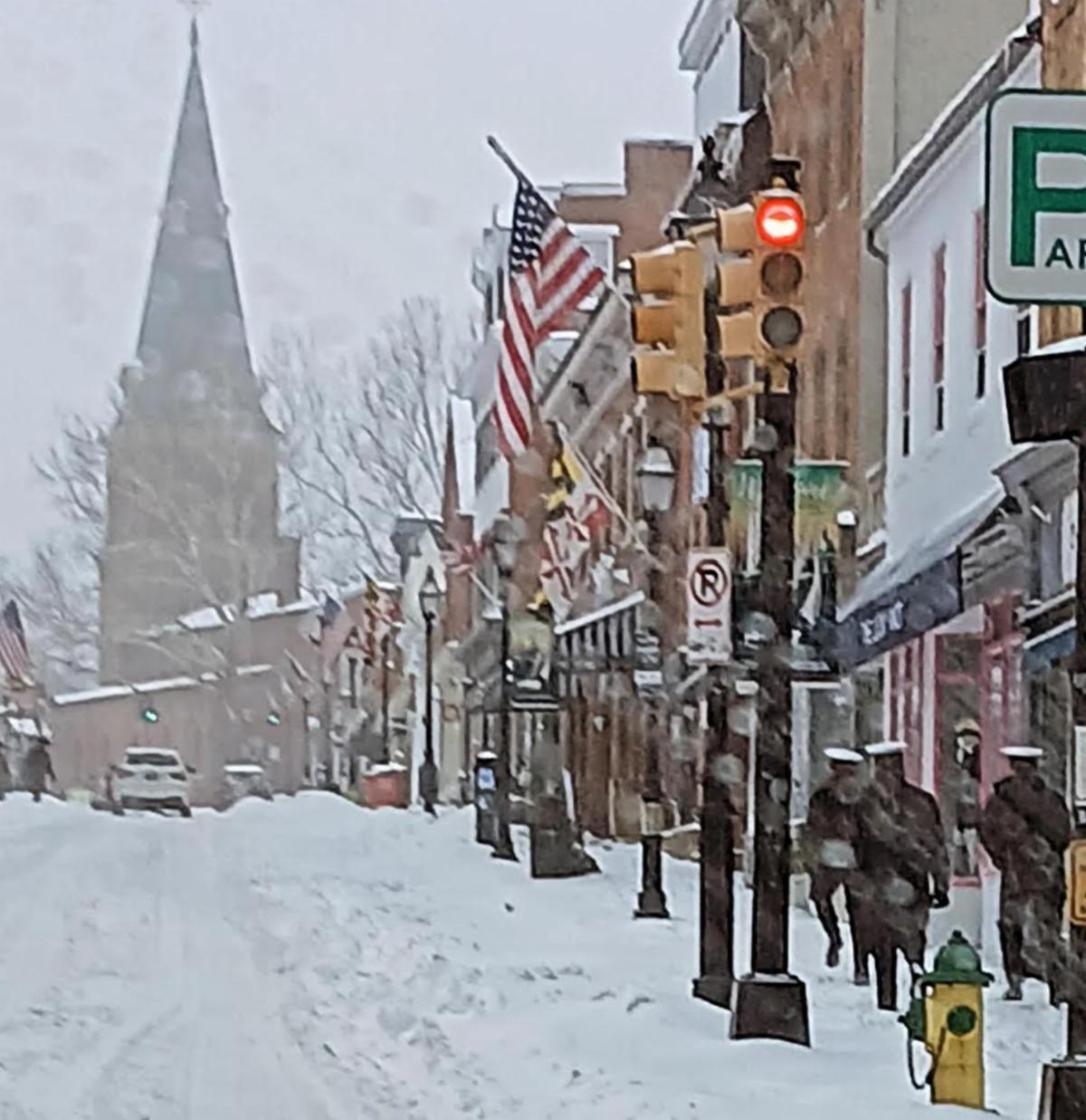
Photo Credit Jennifer Balducci
March at One.
Welcome to March AND the start of Spring! The above photo was taken by Jennifer during one of our big storms last month. We know how tired everyone is of this never ending winter and how light deprived we all are, but hopefully we will start seeing some daffodils poking up sooner rather than later.
Along those lines, we are ready for another month of helping you all with your struggles. Whether that is crippling anxiety or depression, unobtainable health goals or simply improving your balance, we are here for you. Even at the darkest hours, good things are right around the corner, it is about surrounding yourself with things that you do have control over, prolonged exhalations, getting enough sleep, exercising, eating real food, being out in nature, or connecting with a loved one.
As you read our newsletter this month, our hope is that you enjoy reading it as much as we enjoy creating it for you to learn about the latest in health news and what is happening in our community. Please feel free to share with anyone you think might benefit, there is no bigger compliment to us than that.
Yours in Wellness,
Jennifer and Christina
| | |
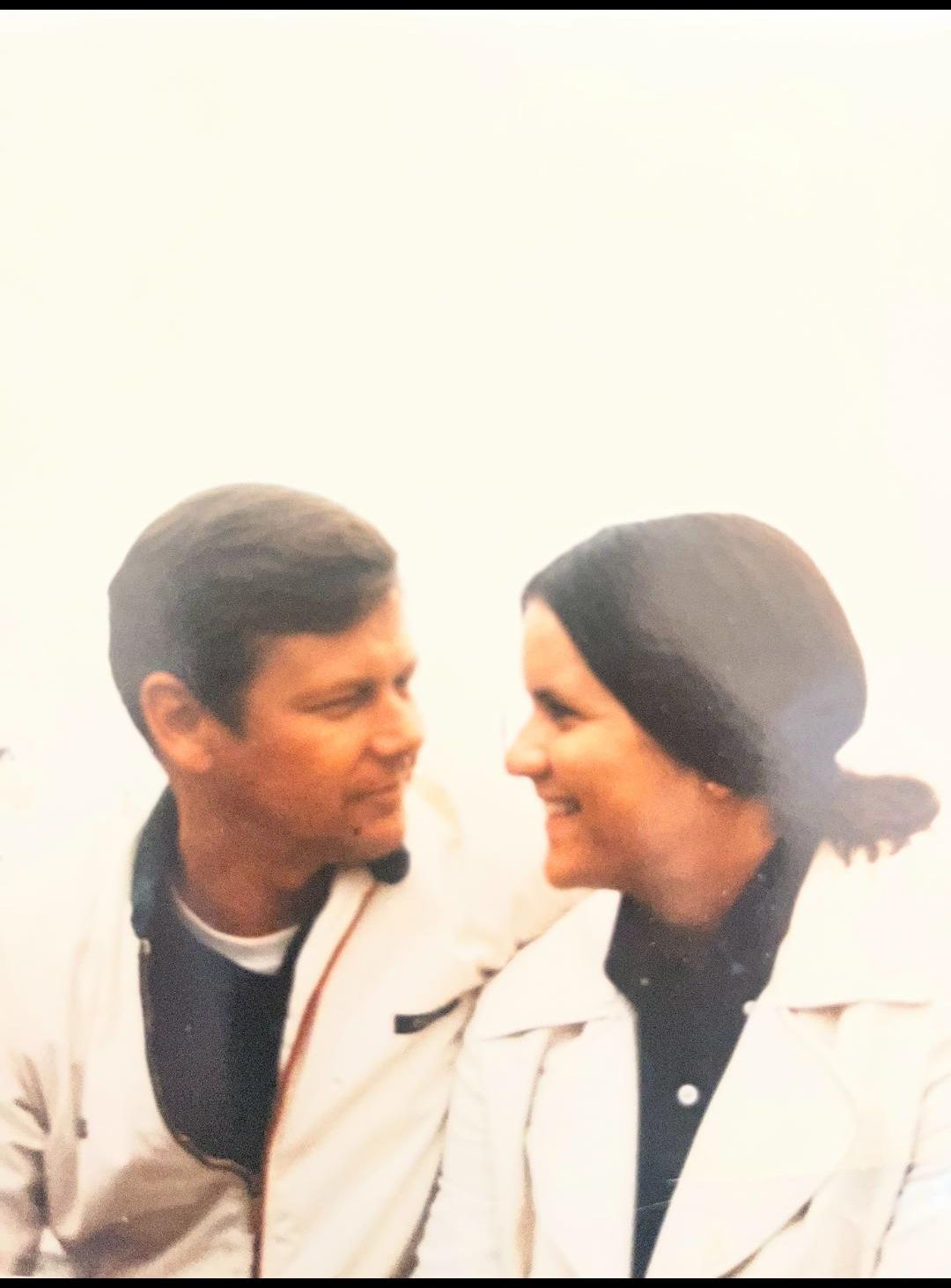
This Month's Newsletter is dedicated to John Lowe, a local legend, who we lost last month. John was one of our favorites with his big heart and quick wit that will never be forgotten. We know he is finally rejoined with the love of his life, Marilyn Lowe, who we also fondly remember in this incredible photo of them that their daughter, Krista, shared with us. They are both deeply missed.
| | |
March is Traumatic Brain Injury (TBI) Awareness Month
Traumatic Brain Injuries (TBI) can lead to physical, emotional, and cognitive impairments that affect daily life, independence, and well-being.
💚 In Honor of TBI Awareness Month, mention this newsletter for a FREE Micro Current Neurofeedback treatment! IASIS Micro Current Neurofeedback has been shown to improve emotional stability, cognitive function, and overall quality of life. Neurofeedback isn’t just for individuals who have sustained a TBI—it can benefit anyone experiencing anxiety, depression, PTSD, ADHD, addiction, eating disorders, and more.
TBI Facts & Statistics
(Sources: Brain Injury Institute & Brain Injury Association of America)
- At least 64 million adults in the U.S. report having sustained a TBI in their lifetime
- Every 9 seconds, someone in the U.S. sustains a brain injury
Leading causes of TBIs in the U.S.:
- Falls (48%) — particularly in older adults and young children
- Motor vehicle crashes (17%)
- Assaults (9%)
- Sports and recreation (8%)
Preventing Traumatic Brain Injuries
Everyday safety makes a difference. Here’s how you can help reduce the risk of TBI:
- Always wear seat belts and helmets
- Implement fall-prevention strategies for older adults, such as:
- Strength and balance exercises
- Medication review and management
- Home safety modifications (e.g., proper lighting, grab bars)
- Regular health check-ups
- Work with a Physical Therapist to create a safe, tailored exercise program
- Promote safe sports practices for children and adults
- Raise awareness about domestic violence and assault risks
Contact Connie to schedule your free consult today
Brain Game of the Month
Brain games are great for improving cognitive functions like memory, attention, processing speed, and problem solving.
What am I?
Hint 1: I can grow stronger with use, yet I have no muscles
Hint 2: I control your thoughts and movements, but I don’t move myself
Hint 3: Part of your body that only weights about 3 pounds
Answer will be found at the end of the newsletter
| | |
The Year of the Fire Horse: A Bold Cycle of Liberation, Momentum and Inner Recalibration
Every 60 years, the zodiac wheel gifts us one of its most powerful, uncompromising and catalytic energies: the Fire Horse. Known for its fierce independence, disruptive brilliance and refusal to be contained, the Fire Horse year arrives like a cosmic alarm clock, shaking loose stagnation, igniting passion, and urging us to reclaim our sovereignty.
Astrologically, the Fire Horse carries the elemental fuel of Fire and the untamed spirit of the Horse, creating a force that is both visionary and volatile, creative and rebellious. It is not a year for passivity. It is a year for shedding skins, breaking patterns and stepping into your next chapter with conviction.
The Fire Horse frequency aligns with a collective push toward breaking stagnation, recalibrating one’s inner compass and asking, “What is the next truest step for me?'
What Makes the Fire Horse So Potent?
1. Radical Independence
The Fire Horse is famous for going its own way. In astrology, Horse years favour autonomy and self‑definition but Fire amplifies this into a near‑non‑negotiable need for personal freedom. This is the year people walk away from outdated constraints, tired obligations and roles they’ve outgrown.
2. Creative Momentum & Courage
Fire is the element of inspiration, intuition and forward motion. Under this influence, ideas move quickly, passions ignite easily and opportunities appear suddenly. It’s a fantastic year for launching projects, changing direction or pursuing ambitions that previously felt too daunting.
3. Disruption With Purpose
The Fire Horse isn’t chaotic for the sake of chaos. Its medicine is clarity, burning away what no longer aligns. Expect a collective emphasis on authenticity, values‑based decision‑making and the courage to act even when others don’t yet understand your vision.
How This Energy Shows Up Emotionally & Spiritually
This cycle invites us to settle into our bodies, slow down internally and realign with what is real. Despite the outward fire, the inner work is about presence, not rushing.
You may notice:
• Increased sensitivity or intuitive downloads
• A growing disinterest in explaining or justifying yourself
• A desire to prioritise nervous‑system safety and energetic boundaries
• A pull toward choices that reflect who you’re becoming, not who you’ve been
This harmonises beautifully with the Fire Horse’s core lesson: authenticity grounded in embodied awareness.
How to Work With Fire Horse Energy
• Declutter stagnation. Physically, emotionally, socially. Fire wants space to move.
• Move your body. Horse energy thrives through motion, rhythm and somatic release.
• Follow the spark. Any idea that lights you up is worth exploring.
• Don’t fear the shake‑ups. Sudden shifts are often redirections, not disruptions.
• Choose alignment over approval. The Fire Horse never moulds itself for comfort or consensus.
Who Thrives During a Fire Horse Year?
• Visionaries, creators, entrepreneurs
• Anyone feeling overdue for a life reset
• People who have been silencing their truth
• Those learning to trust intuition again
• Anyone ready to step into leadership or visibility
Even if change feels uncomfortable, the Fire Horse supports leaps that lead to long‑term liberation.
Final Thoughts
The Year of the Fire Horse is not subtle. It is transformative, clarifying and energising. It encourages us to break free from outdated narratives and to lean into the future with courage. This is a year for reclaiming your agency, trusting your instincts and embracing the fiery momentum pushing you toward your most authentic expression.
Happy Lunar New Year!
Shared by Jan Graves
| | |
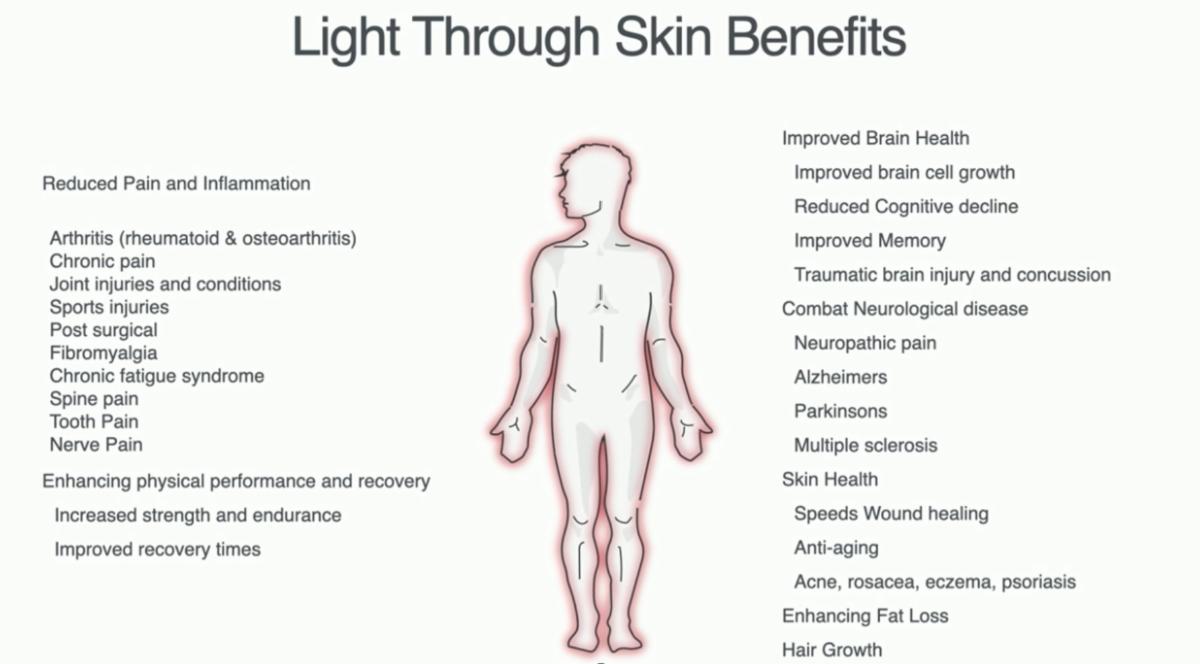
Americans spend 93% of life indoors, we are all light deficient.
Talk to us about how our Class IV deep tissue laser can supplement your light deficiency, help speed healing, reduce inflammation and increase new capillaries quickly.
Click here to schedule your session with One.
| | What We Are Buying Right Now | |
PlanetCare 2.0 Microfiber Filter
With your purchase you will keep 52 plastic bags out of the ocean every year!
Stop pollution at the source
A microfiber filter is the best way to prevent microfibers from reaching the environment.
PlantCare 2.0 will immediately filter 98% of microfiber waste produced by your washing machine, making a huge positive impact on water quality and giving you peace of mind knowing you're doing your part for the environment.
Click to Learn More
| |
Digital Detox
I went into phone-free silence. Something disturbing happened.
Suddenly shutting off external signals and focusing inward can demand a startling amount of energy.
February 13, 2026
Column by Dana Milbank
STOCKBRIDGE, Massachusetts — I went into rehab recently.
It wasn’t to treat substance abuse, though both drugs and alcohol are banned at the facility I checked myself into. Rather, I went to free myself from the noise that is disrupting our mental health in the 21st century.
I shut off my phone and laptop and locked them away for three days. But this was more than a digital detox: I joined 50 other people in taking a vow of silence. Instead of scrolling or chatting, we spent hours in guided meditation and the rest of the time alone with our thoughts.
But underneath all that woo, I also found something true. The silent unplugging made me appreciate, in ways I hadn’t fully understood, how much my phone has hijacked my attention. In the notification-free quiet, I wondered: Have I forgotten how to just be?
Now, when we go into silence and turn off our devices, we are entirely isolated. In our always-on, hyperconnected world, this is disorienting.
I expected I would go through some digital withdrawal, and that happened. Dozens of times, I felt an involuntary urge to reach for my phone: to check the time, to take a picture, to see if the snow had canceled my flight, to look up “upma” before ladling some onto my plate, to order Valentine’s Day flowers, to find out what I was missing and who was trying to reach me. It felt unnatural not to be scrolling while waiting for a session to begin.
But something else happened during those three days that I didn’t expect — and it was frightening.
I was blindsided by the kaleidoscope of emotions that poured out in the silence. In the absence of distractions from the phone, my thoughts bombarded me in random ways. I felt variously bored and anxious, clear-eyed and confused. One moment, I felt myself floating blissfully above the snow-covered hills — until I was awakened by my own snore. At another point in meditation, while I concentrated on my deep breathing, sadness suddenly overcame me as my brain transported me back 18 years to my mother’s deathbed and her breathing, weak and sporadic.
The instructor said she often sees this reaction. Some people experience an adrenaline crash as their stressed minds and bodies adjust to the calm. But it also turns out that suddenly shutting off external stimuli and turning attention inward can demand a startling amount of energy.
“We are often so externally focused that we don’t recognize what is going on in our minds, and when we begin to pay attention to that, it’s genuinely exhausting for most people,” Richard Davidson, a University of Wisconsin psychologist who studies meditation. It also can make us more anxious, at least at first.
Yet this shift is what ultimately improves our sense of well-being. Studies routinely show that moving from involuntary attention capture (what happens when your phone sends you notifications) to voluntary attention (when we choose to examine our own thoughts, or admire forms in nature or art) reduces our levels of stress, depression and loneliness, and improves our cognitive function.
Unfortunately, few of us escape the involuntary distraction of our devices, even for a few days. A landmark study in 2010, at the dawn of the smartphone age, found that people didn’t pay attention to what they were doing 47 percent of the time — and Davidson said that has probably increased.
I did my silent retreat here at the Kripalu Center for Yoga & Health in part because it’s relatively cheap (rates including meals and program start at $583 for dormitory-style lodging, and there are need-based discounts) and the three-day, two-night program felt less intimidating than longer ones. The 1950s facility, a former monastery that the state once considered converting into a prison, is not luxurious; there were water stains on the ceiling tiles in my room, and part of my nightstand was held together with Scotch tape.
The silent meditation was more to my taste. Frey, who launched the silent retreats five years ago, explained what we were here to learn: “Who am I when I’m not addicted to my phone and don’t have that thing buzzing on me all day long? … Who am I when I’m not scrolling on social media all day long?” Silence, she explained, “naturally slows us down and gives us a moment to land back inside of ourselves, to reinhabit this body that we live in.”
At present, I am a sojourner in civilized life again, to borrow from Thoreau. But not a contented one. I plan to try turning off my devices on Saturdays and spending part of the day in contemplation. Maybe I’ll switch my SIM card to an old flip-phone during that time, in case of emergencies. I’ll let you know how it goes.
Click here for full article
| |
What a gut microbiome scientist wants you to eat every day
Focus on eating fiber-rich foods, especially those high in a special type of fiber called resistant starch.
October 8, 2025
By Anahad O’Connor
Every time you eat a meal, you’re hosting a dinner party. Your guests are the trillions of microbes that live in your gut.
These hungry microbes, collectively known as your gut microbiome, directly affect your long-term health for better or for worse depending on what you feed them. Eat the right foods, and your gut microbes will churn out beneficial compounds that protect and improve your health. Feed them the wrong foods, and they can wreak havoc on your gut, setting off inflammation and increasing your risk of chronic diseases.
“If you take good care of your gut microbes, they’ll take good care of you,” said Corbin, who is also a registered dietitian nutritionist. “But when you don’t feed your gut microbes properly, they get hangry — they literally do. They break down the mucus layer of the gut, and they produce metabolites that aren’t healthy.”
You can make your gut microbes happy by doing the following, Corbin said: Limit your intake of ultra-processed foods, and try to eat items that contain plenty of fiber, particularly those that contain a special type of fiber called resistant starch. These include plant foods such as beans, peas, lentils, bananas (especially green bananas), apples, pears, and whole grains like barley, brown rice and oats. Even better: You can create resistant starch in rice, potatoes and a handful of other carb-heavy foods simply by cooking and then cooling them in the refrigerator -their starch molecules form tighter structures that become resistant to digestion. This process, known as retrogradation, can double or even triple the amount of resistant starch in these foods.
Resistant starch “creates an environment where the bad bacteria can’t thrive,” she said. “This changes the ecosystem of the microbiome in a positive way — it shifts the balance from potentially harmful bacteria to beneficial bacteria.”
Typically, the longer you refrigerate cooked starchy foods, the more their resistant starch content tends to increase.
Health authorities recommend that adults eat around 28 grams of fiber daily — yet most people eat far less than that. If you make an effort to eat more fiber-rich foods, you’ll invariably end up eating a lot of resistant starch.
All calories aren’t created equal
When our gut microbes aren’t properly nourished, they end up eating the thin layer of mucus that lines our intestines, Corbin said. This mucus layer acts as a protective barrier, preventing pathogens and toxins from leaving our guts and infiltrating our bloodstreams. The destruction of this barrier can lead to chronic inflammation, infections and other disorders. Studies show that low-fiber diets cause alterations in your gut microbiome that can play a role in obesity, Type 2 diabetes and heart disease.
Click here for full article
| |
How Dance Promotes Brain Health
It's no secret that regular physical activity like dance is beneficial. Dance also has a variety of positive effects on brain function. “It's like exercise, but it demands a cognitive load on top of that,” says Madeleine E. Hackney, PhD, associate professor of medicine at the Emory University School of Medicine and a research scientist at the Atlanta VA Medical Center. “You learn a lot of different steps and put them into play, which challenges your attention and memory. There's also spatial navigating in relation to other people and places.”
Besides challenging memory and thinking skills, along with mobility and coordination, “dance requires integration of different parts of the brain,” says Elinor Harrison, PhD, a professional dancer for 30 years who is now a movement science researcher and lecturer in dance at Washington University in St. Louis.
Because dancing can improve balance, coordination, motor skills, and proprioception (being able to determine where your body is in space), it can benefit people with impaired movement related to Parkinson's disease or multiple sclerosis (MS).
A study in a 2024 issue of the European Journal of Sport Science found that people with MS who participated in dance classes—including moving to rock music or learning the basics of ballroom dancing or Latin American dances—twice a week for 12 weeks demonstrated significant improvements in mobility, attention, and working memory.
Brain Boost
A study published in the Journal of Aging and Physical Activity in 2022 compared the effects of six months of 90 minutes of ballroom dancing twice a week with 90 minutes of treadmill walking twice a week among older adults who were at risk of developing dementia. “People in the dance group performed better on tests of executive function and memory and had reduced loss of volume in the hippocampus [a part of the brain responsible for memory and learning],” explains Joe Verghese, MD, FAAN, co-author of the study and professor and chair of neurology at the Renaissance School of Medicine at Stony Brook University in New York.
These findings build upon those from a seminal study in the New England Journal of Medicine in 2003. Researchers examined the connection between participation in various cognitive and physical activities and the risk of dementia in adults over age 75. Among all the physical activities, dancing was the only one associated with a reduced risk of dementia. This may be because “dancing is a complex physical activity with various cognitive, social, and physical components—the components all work together,” says study co-author Dr. Verghese. “It involves learning new movement patterns, which create new connections in the brain and strengthen existing networks.”
Click here for full article
Click here for new dance studio in Annapolis
| | |
Where to Donate Used Clothing and Household Items in Annapolis
Do NOT donate to Goodwill (most gets thrown in a dumpster out back)
Try the Lutheran Mission on West Street Instead (free parking behind center) Many of their items get recycled back to our own community.
Please call ahead before bringing donations to ensure we have sufficient staff available. Phone: (410) 269-5016
Donations Accepted:
Monday, Tuesday, Wednesday: 10:00–3:00
Saturday: 10:00-1:00
No donations accepted Thurs & Friday
Click here for location
| | |
Instead of Buying New Try Consignment
- Waste
- A large portion of the clothing produced ends up in landfills. The fashion industry is a major contributor to textile waste, which can include microplastic pollution.
- Fast fashion
- Fast fashion companies, such as Zara, H&M, and Shein, contribute to textile waste through rapid production cycles and inexpensive clothing.
- Shein produces between 35,000 and 100,000 items per day, according to Design Life-Cycle. This includes up to 10,000 new items added to the site each day.
- Synthetic fibers like polyester and acrylic do not decompose unlike natural fibers like cotton.
A great way to improve our environment is to shop locally for consignment instead of purchasing New cheap Fast Fashion, one of our favorites is Return To Oz
For Great Used Workout Gear at a fraction of the cost ThredUp
| | |
Heritage Baptist Church’s 20th annual SOUPer Bowl brought in $10,859 in donations for the Lighthouse Homeless Prevention Center.
Donations made during the February 8 luncheon came to just over $6000. Once the total was announced, an anonymous philanthropist offered to match up to $1500 on new donations, so organizers extended the giving portal through yesterday, February 19. This “overtime” giving brought in enough to meet and surpass the $10k goal.
The Light House will channel 100% of these funds to their eviction prevention program to help more families avoid being without a home in first place.
Since 2007, Heritage Baptist has hosted the SOUPer Bowl lunch to benefit the Light House. For more information, contact Pastor Scott Shelton at 410.263.6680 or see the church website (www.heritageloves.com)
| | If you are able to donate, we can transport from Severna Park. Message us or email us at contact@goodneighborsgroup.org | |
Free 2 Hour Parking for Annapolis Residents
Jared Littmann's Tip of the Month
Are you a local Annapolitan and do you struggle with the Premium Parking app? After going through the steps to get the code for resident 2-hour free parking (see link below to apply), the app normally picks up your correction location when parking in Hillman. But sometimes it doesn’t and it is easy to not notice until the app won’t take your promo code. Then you go back and fix the location. Lesson learned. When the app prompts with where it thinks you are parked, check it carefully rather than assume it is correct before proceeding!
Need a 2-hour free code? Apply for your 2-hour free parking promo code for Hillman Garage. Once approved your promo code will be emailed to you. Star this email for easy future reference when you park in Hillman Garage!
| |
The City of Annapolis has two systems to report issues.
Do you see a problem in our City that Needs to Be taken Care of?
Report It!
To report issues like sidewalk repair, snow removal, street markings, street sweeping, traffic signals, and more (view the entire list of services below), visit our "Submit a Problem" service
To address problems like Building, Electrical, Fence, Fire (FMO- non-emergency), Grading, Illegal Occupancy, and more (view the entire list of services below), go to our Anna311 Portal.
| | |
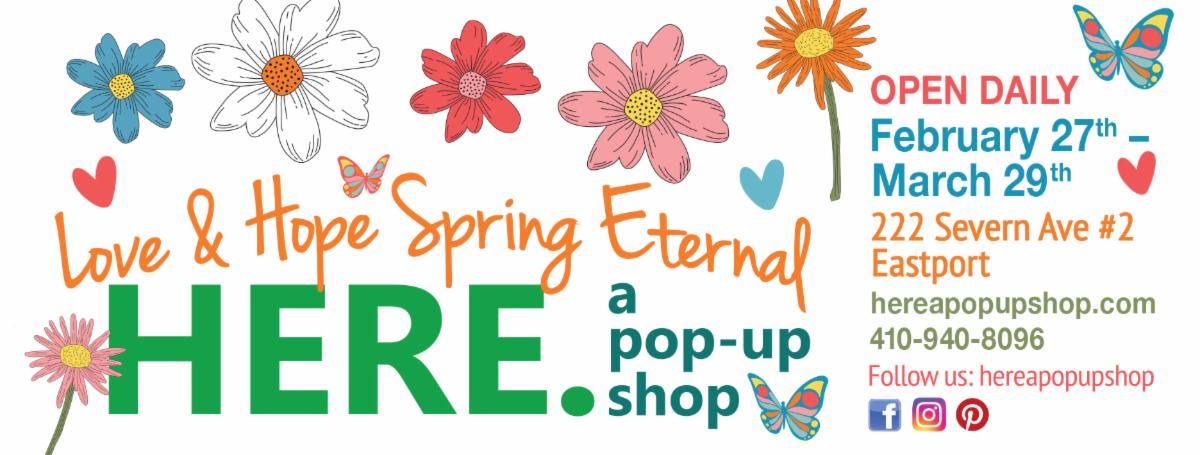
Where Are We Now? | HERE. a pop-up shop
Sunday (March 1st) Funday
It’s our 13th Anniversary & 55th pop-up
@phermbrewing
@graywolfspirits
@cane_collective
@loudbeads Charm Bar (also 3/15 + 3/29)
@breadandbutterkitchen @bar_and_batter
March 7th @saltygirlbooks 10qm-2pm
***** NEW TO ANNAPOLIS ****
March 14th @soulshineaura color readings! Sign Up Required
+ @inthesandshop Permanent Jewelry 11am-4pm
| |
Profs & Pints Annapolis: The Bagpipe of Ireland and Scotland
March 10, 2026 at the Graduate Hotel
Price:
Advance tickets: $13.50. Doors: $17, or $15 w/ student ID
Time:
5:00 PM to 7:30 PM
Click for Details
Celebrate Maryland: Oysters on the Bay!
March 20, 2026
Annapolis Maritime Museum & Park
Price:
free
Time:
10:00 AM to 2:00 PM
Click for Details
Oyster Week
March 20-31st
Click for Details
Sock Burning and Oyster Roast
Saturday, March 21, 2026, 12 - 4 PM
Rain date: Sunday, March 22, 2026, 12 - 4 PM
Celebrate the spring equinox and the beginning of boating season each March by burning those nasty winter socks at the Annapolis Oyster Roast & Sock Burning. In a tradition dating back to the late-1970s, Annapolitans relieve themselves of the necessities of winter as the “Burn Your Socks” is recited.
Click for Details
Poets in the Conversation Room with Bob Hicok at St. John's College
March 21, 2026
Price: free
Time:
2:00 PM to 3:30 PM
Click for Details
Guided Walking Tour and Community Archives Event with the Brewer Hill Cemetery Association
March 21, 2026
Price:
free - donations accepted
Time:
11:00 AM to 1:00 PM
Bates
Click for Details
Maryland Day Weekend Celebration
March 19-25th
Click for Details
Historic Annapolis Maryland Day Celebration
Date: Friday, March 22
Time: 10:00 am (EST) - 3:00 pm
Celebrate Maryland Day with Historic Annapolis!
On Sunday, explore the William Paca Garden and the Waterfront Warehouse and discover the history of Maryland’s capital city by the water.
Historic Annapolis Events $1
| | | | |