The U.S.
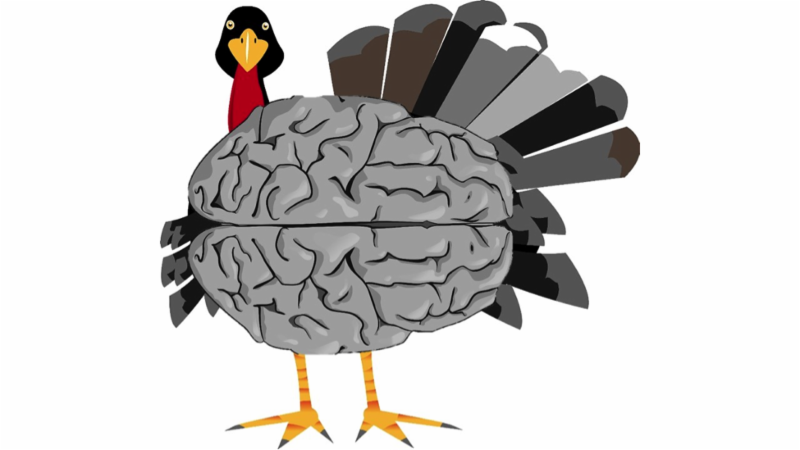
is one of several countries that celebrates the end of the harvest with a day of giving thanks - that we're prepared to survive another winter. With the word "survival" in the opening line, you've probably guessed that I'm about to find a way to link eating turkey with survival, because that's usually where I end up when I talk about our marvelous survival machines - our brains.
Read more...
Since I'm reminding all of you about the benefits of gratitude for your body and brain in another post, I thought I'd take a moment to share
what I'm most thankful for this year.
As we contemplate Thanksgiving here in the states, I thought you might want to replay my interview with Dr. Paul Zak. Neuroscience is teaching us that our emotions are part and parcel of our conscious and unconscious lives. As we say in this interview,
all learning is emotional.
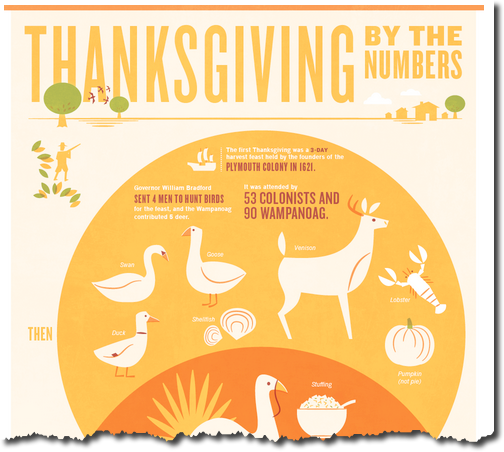
This week's featured infographic, in keeping with the US holiday, features facts about Thanksgiving, from Forbes magazine. Don't forget to thank someone today!
Dr. Thalheimer takes time out from
his myth-busting role to completely blow up the tired old "smile sheets" we trainers have used for decades. His innovative approach will give you a new way to look at post-training surveys. A must read for every trainer.
If you could understand what was happening in the brains of your target audience, would you be a more effective trainer, designer, consultant, or leader? Thanks to recent advances in neuroscience, learning and talent development professionals now have an opportunity to alter their approaches to change management, leadership development, training, and instructional design. Learn how the brain receives, encodes, and retrieves information to construct knowledge, and use these insights to improve your learning programs.
Read more...
If you're a member of ATD, remember that you get a nice discount on this and other ATD courses. (And if you're not a member, this might be a good reason to
join.)
All scheduled dates for Essentials of Brain-Based Learning course:
If you have kept abreast of the literature in the past few years, it is fairl
y common knowledge that there are not enough people to fill the gaps left by the Baby Boomers as they exit the workforce. While most research and articles which address this looming crisis look to overcoming the skills gap, this paper looks beyond entry level to the leadership level. Read more...
The Day Everything Changed: How AI Changed the Way We Learn in 2027
While science fiction depicts a world where intelligent robots rebel and overthrow their human masters, the more likely scenario is a world where human beings interface with computers, digital assistants and other technologies virtually seamlessly, changing just about everything we know about work today. Read more...