|
November at One.
Welcome to November, the month that we traditionally give thanks for all the things we are grateful for.
We are most thankful for all of you and your continued support that has enabled us to keep doing what we love for the past 13 years. We really can't believe we are on the cusp of embarking on our 14th year! That being said, it is always because of all of your love and support that we continue to be able to help you wherever you are on your wellness journey. Whether you are just getting started, or have been on that path for quite awhile, our hope is that you will find something that inspires you in this month's read to add something positive to your daily life.
As always, our newsletter this month is filled with the latest health information and local events happening in Annapolis, and maybe some healthy ideas for your Thanksgiving meal, please feel free to share anything you like, it is an honor when we hear that you found something special to pass on!
Yours in Wellness,
Jennifer and Christina
| | WELCOME EMILY EASTERLING, LMT, TO THE ONE. FAMILY! | | |
We're thrilled to welcome Emily Easterling, a licensed massage therapist and Pilates instructor, to ONE.!
Hi everyone! I'm Emily. When I'm not working on muscles, you'll probably find me kayaking Maryland's waterways or cooking something new. Annapolis is home, and I'm so happy to be joining a team that cares this much about helping people feel their best.
My approach
I'm a very analytical therapist. I look for the habits your body has picked up over time, and I can often feel them through touch. My Pilates background means I think about how your whole body moves, not just where it hurts. Each session blends what you need that day:
- Myofascial and orthopedic myofascial work
- Neuromuscular technique (NMT)
- Tui Na
Hypermobility and neurodiverse clients
Hypermobile bodies need a different approach. Loose joints can feel tight because the surrounding muscles are working overtime to keep things steady. I use stabilizing work and controlled pressure rather than pushing joints further. I also love working with neurodiverse clients. We can talk through what to expect before we start, keep conversation as quiet or chatty as you like, check in clearly about pressure, and adjust lighting, music and draping. You never have to explain what you need. Just tell me.
What clients are saying
"I'm a massage snob. After moving from California to Maryland, I went through a lot of massage therapists searching for someone who could actually deliver the pressure and quality I was used to. Emily is that person. Her deep tissue work is skilled and intuitive. She knows exactly where to focus and how much pressure to use." (Google review, 5 stars)
"Emily is the BEST. Her technique is unmatched... She also shares wonderful insights on things I have implemented in my daily routine." (Google review, 5 stars)
Services
Therapeutic, sports and prenatal massage. Sessions are 60 minutes ($115) or 90 minutes ($150); prenatal is 90 minutes.
Enhancements
- Bamboo, $15
- Salt stone, $25
- Contrast therapy, $30
New Client Welcome: Free Bamboo Enhancement
Book your first massage with Emily at ONE. and get a bamboo enhancement free, a $15 value. Just mention this newsletter when you book. Valid for new clients through December 31, 2026, one per client. Not available with prenatal massage.
Find Emily at ONE.
Mondays 10-4, Tuesdays 12-6 and Thursdays 10-4
Click here to request your appointment with Emily
| | |
Free Laser Session For New Clients In November
Do you have a nagging pain that won't go away? Try a free trial laser session on us in the month of November!
| |
HOW THE TIME CHANGE AFFECTS YOUR BRAIN
Don’t forget to turn your clocks back after a day of Halloween excitement. An extra hour sounds great, but even an hour of change can affect how we feel, sleep and function during the day.
Why does changing the clock affect your brain?
Your brain has an internal timekeeper called the circadian rhythm. This natural 24-hour cycle helps regulate your sleep-wake schedule, hormones, body temperature, alertness, and mood. When daylight shifts earlier in the evening, your brain may need time to adjust to the new schedule. The change in light exposure can temporarily affect sleep patterns, energy levels, mood, and concentration. According to UT Southwestern Medical Center, there are multiple studies which have shown a small increase in heart attacks after the start of daylight saving time in the spring and a small decrease at its end in the fall. However, stroke rates are 8% higher in the first 2 days following both time changes.
What might you notice?
- Changes in sleep: You may feel sleepy earlier in the evening or wake up earlier than usual.
- Brain fog and difficulty concentrating: Poor or disrupted sleep can make it harder to focus, remember information, and think clearly.
- Mood changes: Less daylight can affect mood and motivation, particularly for people who are sensitive to seasonal changes.
- Increased fatigue and stress: When your sleep schedule is disrupted, your body may have a harder time maintaining its usual balance.
According to Johns Hopkins Bloomberg School of Public Health, teenagers, in particular, tend to be sleepier and less focused after the time change.
How can you help your brain adjust?
- Get morning sunlight. Natural light helps signal to your brain that it is time to be awake.
- Keep a consistent sleep schedule. Try to go to bed and wake up at roughly the same time each day.
- Move your body. Regular physical activity can support sleep quality, mood, and mental clarity.
- Create a calming evening routine. Reduce bright light and stimulating activities before bed to help prepare your brain for sleep.
- Be patient with yourself. Give your body time to adjust, especially if you notice changes in energy or concentration.
Supporting Your Brain and Nervous System
Sleep, stress, and nervous system regulation are closely connected. When your brain and body have difficulty shifting out of a heightened state of alertness, relaxing at night and getting restorative sleep can become more challenging.
While you’re at One. PT for Physical Therapy, Pilates, Massage, or Dry Needling, treat your brain as well! Microcurrent neurofeedback (MCN) is a gentle, non-invasive approach designed to support the brain's self-regulation. While it is not a treatment specifically for the time change, it may be an option for people looking for additional support with stress, relaxation, and sleep.
As we move into shorter days and longer evenings, remember that taking care of your brain starts with small, consistent habits. A little extra attention to sleep, light exposure, and relaxation can go a long way toward helping you feel more balanced and energized this season.
Click here to request your appointment with Connie for brain health
Brain Game of the Month
Word scramble
- LLOTOBFA
- DRIEC
- AMTUUN
- TASEWRE
- TANFHULK
See answers at the end of the newsletter:
| |
Scientists were unsure of how microplastics harmed the body — until now
A new study demolishes a long-running assumption about plastic.
October 25, 2026
The research from scientists at Columbia University shows that when water is exposed to tiny microplastics, it releases highly reactive chemicals. These chemicals, known as reactive oxygen species (ROS), are known to contribute to heart disease, cancer and neurological diseases like Alzheimer’s.
A range of studies over the past few years have found links between microplastic exposure and various health problems. In humans, research has shown that higher microplastic concentrations in a key artery are linked to heart disease. In experiments with mice, scientists have found that exposure to microplastics can lead to Alzheimer’s-like symptoms and atherosclerosis.
It’s all about the size of the tiny plastics, according to researchers. While large pieces of plastic are unlikely to react with water, tiny microplastics have a larger surface area, which provides more opportunity for them to form dangerous molecules. When a plastic credit card breaks into microplastics, for example, its surface area increases by a thousand-fold, Min said. That surface area is part of what allows water to split into reactive chemicals.
“Plastics last for a long time,” Min said. “I think everybody will start to worry because this will likely trigger chronic inflammation.”
Click here for full article
| | |
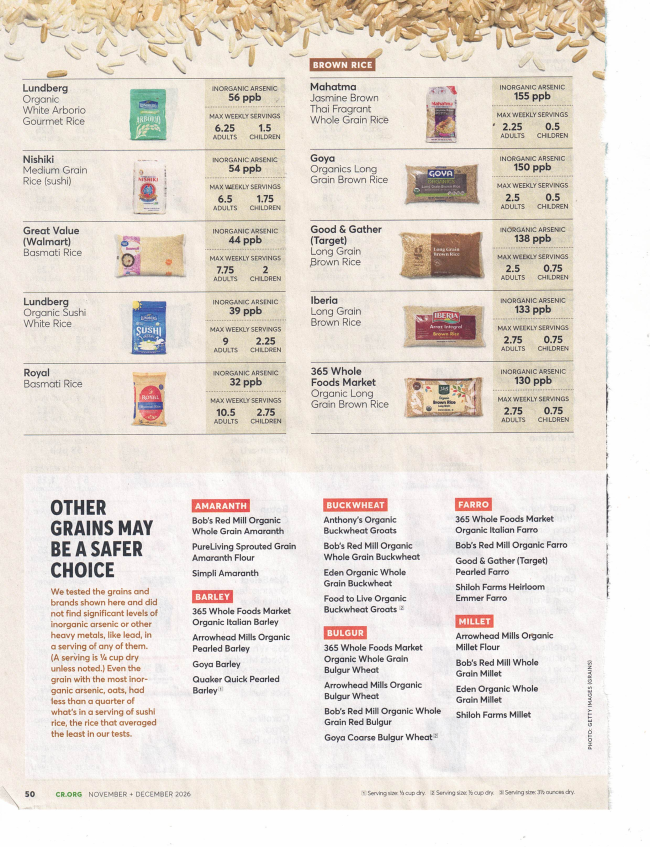
Consumer Reports Recently Tested Rice and Found EVERY Brand of Rice Has Arsenic In It
(You may want to try some of the other grains listed at bottom instead of rice)
| |
The invisible force making food less nutritious
By Naema Ahmed and Sarah Kaplan
Updated April 30, 2026
In 1988, the chickpeas and rice in curry were part of a well-balanced meal — a serving of each provided a plethora of essential nutrients, including roughly 22 percent of the zinc a person needs to consume each day.
Today, the very same meal has become a little less wholesome, meeting only 20 percent of the Food and Drug Administration’s recommendation for daily zinc intake, according to a meta-analysis of relevant research.
And by 2040, chickpeas could contain even fewer nutrients, including just 17 percent of recommended daily zinc — putting those who rely on them at greater risk of life-threatening deficiencies.
Chickpeas and rice are not the only foods steadily growing less nutritious. Many of humanity’s most important crops — including wheat, potatoes, beans — contain fewer vitamins and minerals than they did a generation ago.
The invisible culprit behind this damaging phenomenon? Carbon dioxide pollution.
Surging concentrations of carbon in the atmosphere, caused largely by burning fossil fuels, have produced potent changes in the way plants grow — from increasing their sugar content to depleting essential nutrients like zinc. Experts fear the degradation of Earth’s food supply will cause an epidemic of hidden hunger, in which even people who consume enough calories won’t get the nutrients they need to thrive.
“The diets we eat today have less nutritional density than what our grandparents ate, even if we eat exactly the same thing,” said Kristie Ebi, a professor at the University of Washington’s Center for Health and the Global Environment.
Plants depend on carbon dioxide to perform photosynthesis — but that doesn’t mean they grow better when there’s more carbon in the air, scientists say. A sweeping survey of changes among 32 compounds in 43 crops found that nearly every plant that humans eat is harmed by rising CO2 levels.
On average, they found, nutrients have already decreased by an average 3.2 percent across all plants since the late 1980s, when the concentration of carbon dioxide in the atmosphere was about 350 parts per million.
One of the primary theories is related to the fact that extra carbon dioxide helps plants produce more carbohydrates — like the cellulose in leaves and stems, and the starch that’s found in grains.
Those who oppose efforts to reduce carbon emissions frequently cite this effect to justify burning fossil fuels, ter Haar noted, arguing that carbon dioxide is “plant food.” But without a corresponding increase in mineral uptake, plants aren’t able to produce more of the proteins, acids and other molecules that make them nutritious.
The result is that crops have the potential to grow bigger and faster and produce higher yields, but each bite of food will have more sugar and fewer nutrients than before.
Plants breathe in carbon dioxide by opening their stomata — tiny pores in their leaves through which water can also evaporate into the air. If they are getting more carbon with each breath, they don’t need to open their stomata as often, which conserves moisture.
That means the plant will take up less water through its roots — and lose out on any minerals that are dissolved in that water.
Climate change can also alter how minerals move through the soil, research shows, affecting plants’ ability to absorb them. Microbes energized by warmer conditions may gobble up all available nitrogen, depriving plants of an element required to build proteins. At the same time, higher temperatures can increase the solubility of arsenic in water, causing a few crops, such as rice, to take up more of the toxic heavy metal.
Click here for full article
| | |
What we are loving right now
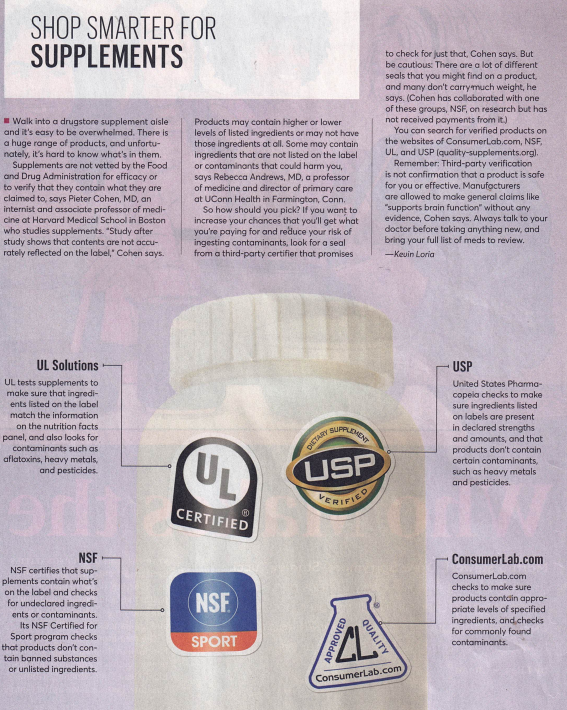
Shop Smarter Supplements
| | |
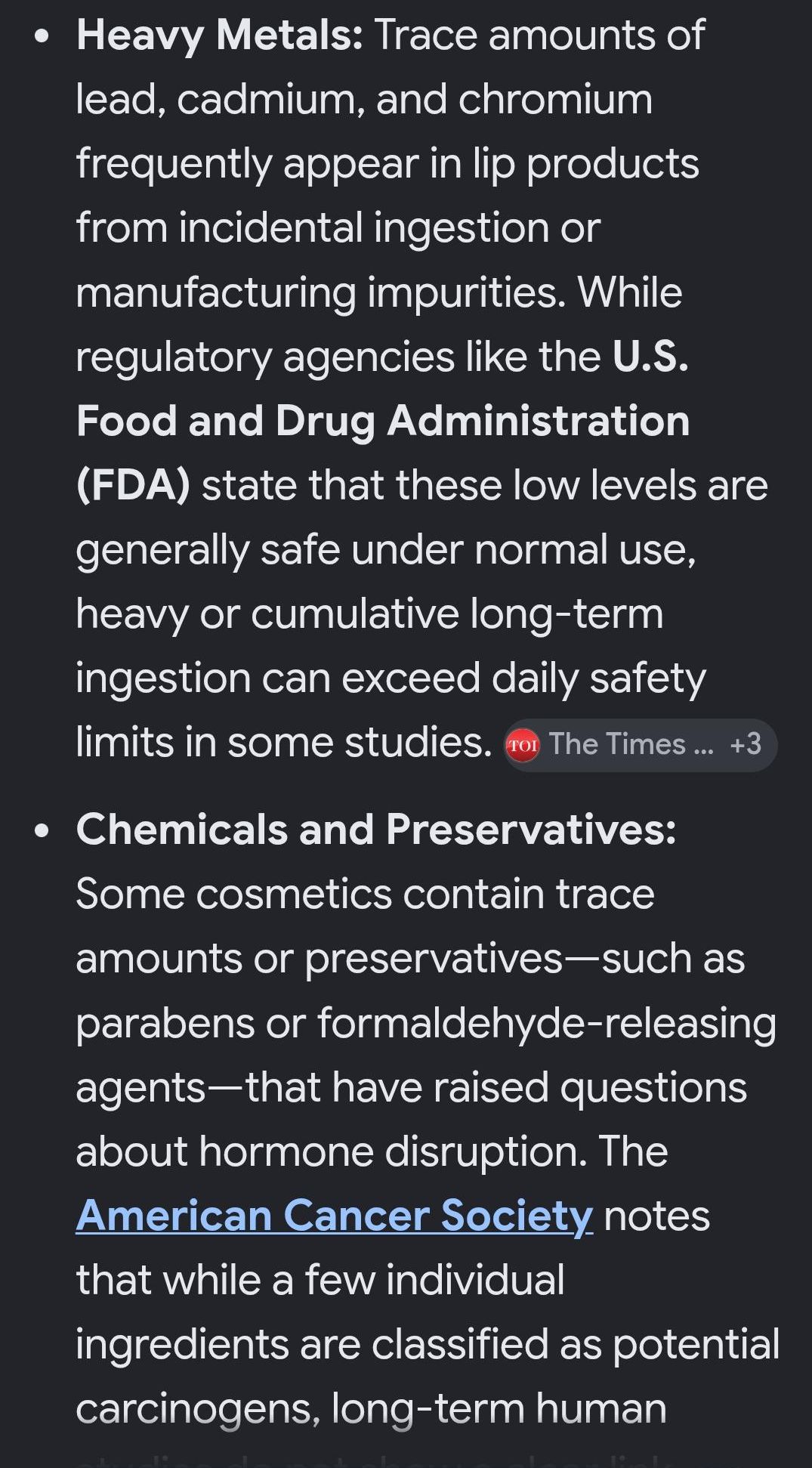
Did you Know that your Lipstick is Probably Toxic?
Here's what could be in what you are putting on your lips
| | |
Seeds 4 Success
Mission
Working together as a community to provide children from low-income communities with the skills and support to achieve success in school and life
Vision
Every child in Annapolis has the opportunity to build a bright future.
If you would like to support us by becoming a weekly mentor, you can sign up for a volunteer interest session here. We also accept volunteers on a one-time basis for occasional weekend and evening events; to find out more, please respond here and I can connect you with the right person.
If you would like to contribute a donation, you can do so by sending a check to the PO box in my email signature, visiting our website for details on monthly gifts, gifts of stock and ACH transfers from a DAF, or donating online here.
Seeds 4 Success is thriving and we feel lucky to call you partners on our journey. Thank you for your part in ensuring that every child has the opportunity to build a bright future. Here's to a year of success ahead!
With Gratitude,
--
Nikki Richards (they/she)
Advancement Manager
Office: (410) 533-3847
Cell: (443) 631-4038
Make a Difference. Donate Today!
Become a Mentor!
| | |
SOFO
Fall Greenscape
Already signed up?
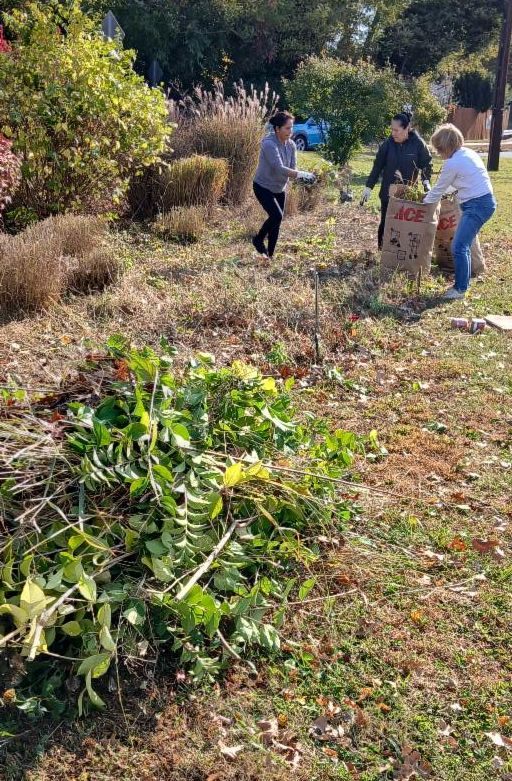
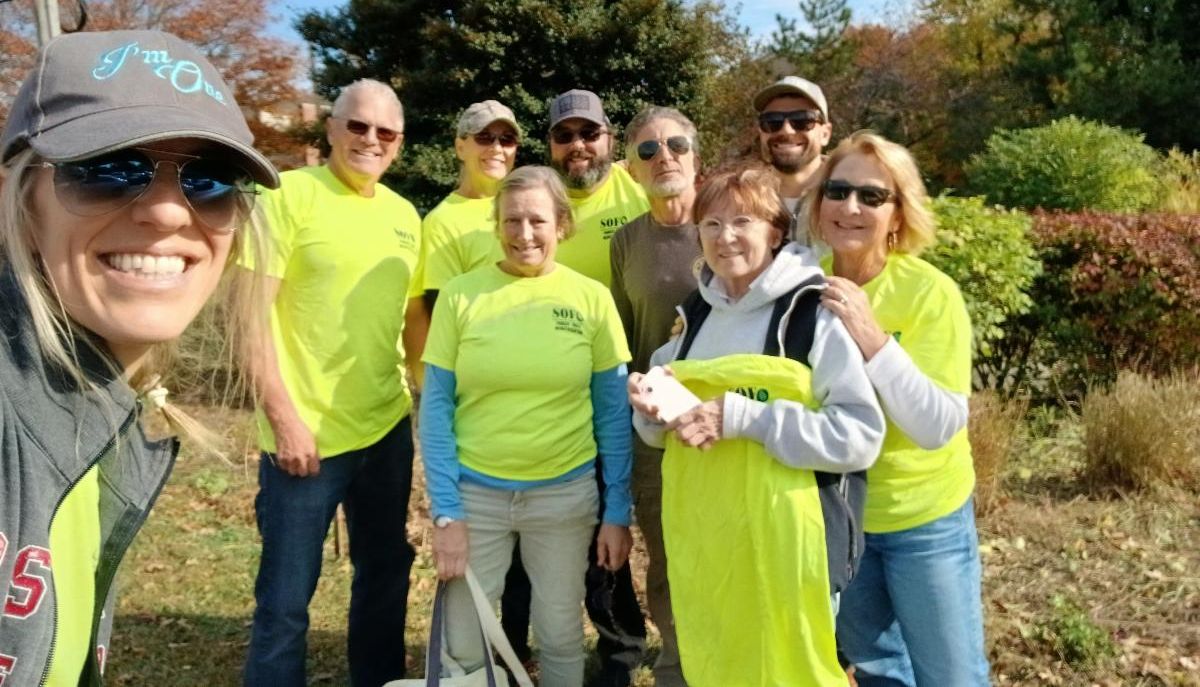
Join us for a productive and rewarding day at the SOFO Greenscape event! The SOFO Fall Greenscape is scheduled for this Saturday, Oct 31st, at 9 AM.. Cleaning up and planting bulbs at the Bay Ridge Triangle and Pirates Alley path by the McDonalds on Forest. It’s a great way to enhance and beautify the SOFO corridor while enjoying some time outdoors.
Click here to register
| | |
SOFO HOHO Toy Collection
One. will once again be collecting toys in November for our elementary school kids in need along the Forest Drive Corridor through the December 11th SOFO HoHo event
| | |
Free Parking For City Residents
COMPLIMENTARY PARKING VALIDATIONS FOR CITY RESIDENTS
The City of Annapolis offers City residents COMPLIMENTARY PARKING VALIDATIONS for up to two hours per day at one of our four parking garages in downtown Annapolis:
- Hillman Garage
- Knighton Garage
- Gott’s Court Garage
-Park Place Garage
Click here to sign up
| |
Healthy Pumpkin Pie Recipe
Ingredients
- 1 can pumpkin
- 2 eggs
- 1 tsp cinnamon or pumpkin pie spice
- raw honey to taste
Instructions:
- Pre-heat oven to 350f degrees
- wisk together all ingredients
- pour into ramikins
- bake for 30 min
| | |
Did you Know?
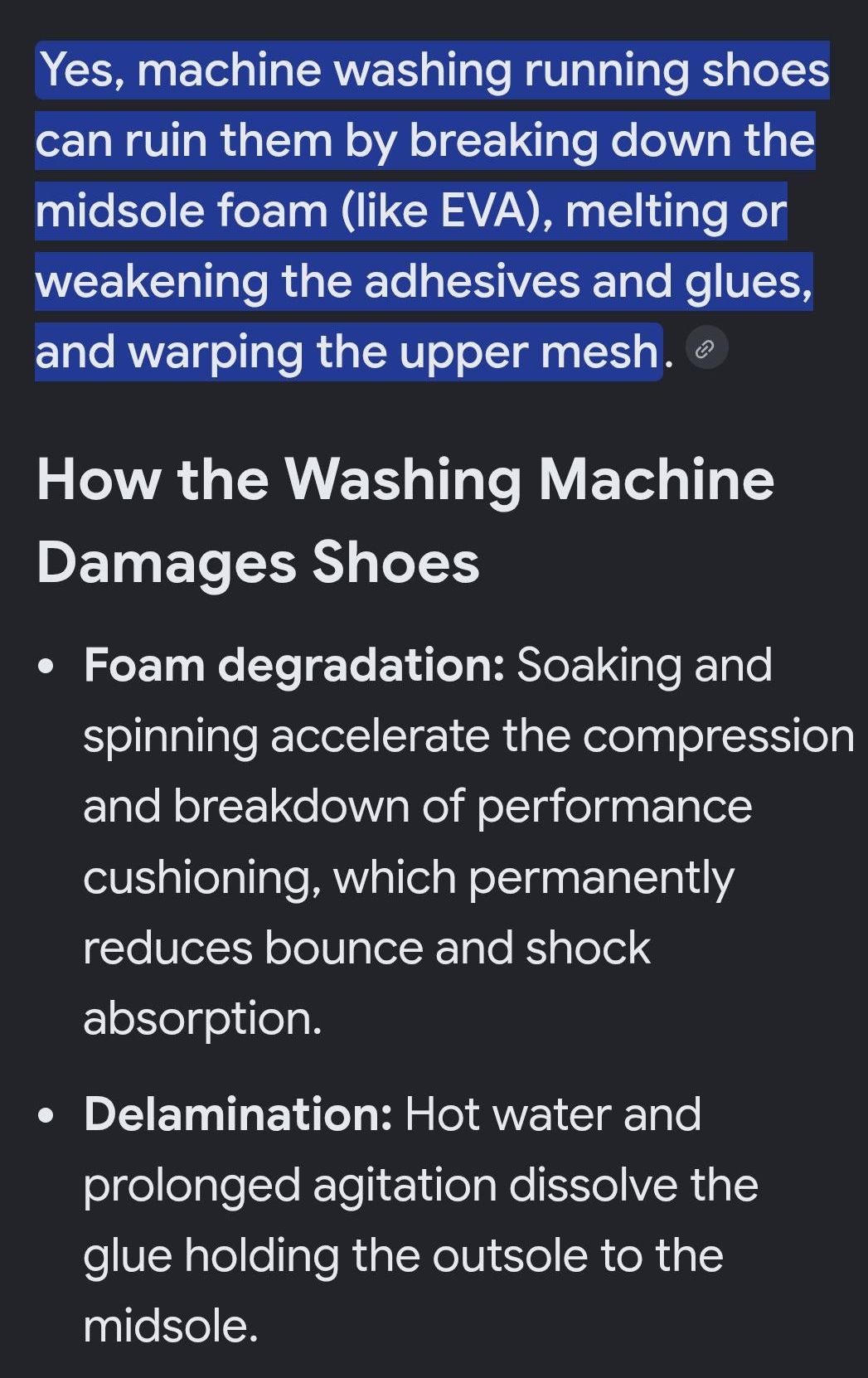
DO NOT WASH YOUR RUNNING SHOES!
| | |
Brain Game Answers
- FOOTBALL
- CIDER
- AUTUMN
- SWEATER
- THANKFUL
| | | | |