Harbor Herald: Sewage Solutions

A quarterly newsletter for marina and yacht club staff.

Issue: Summer 2025

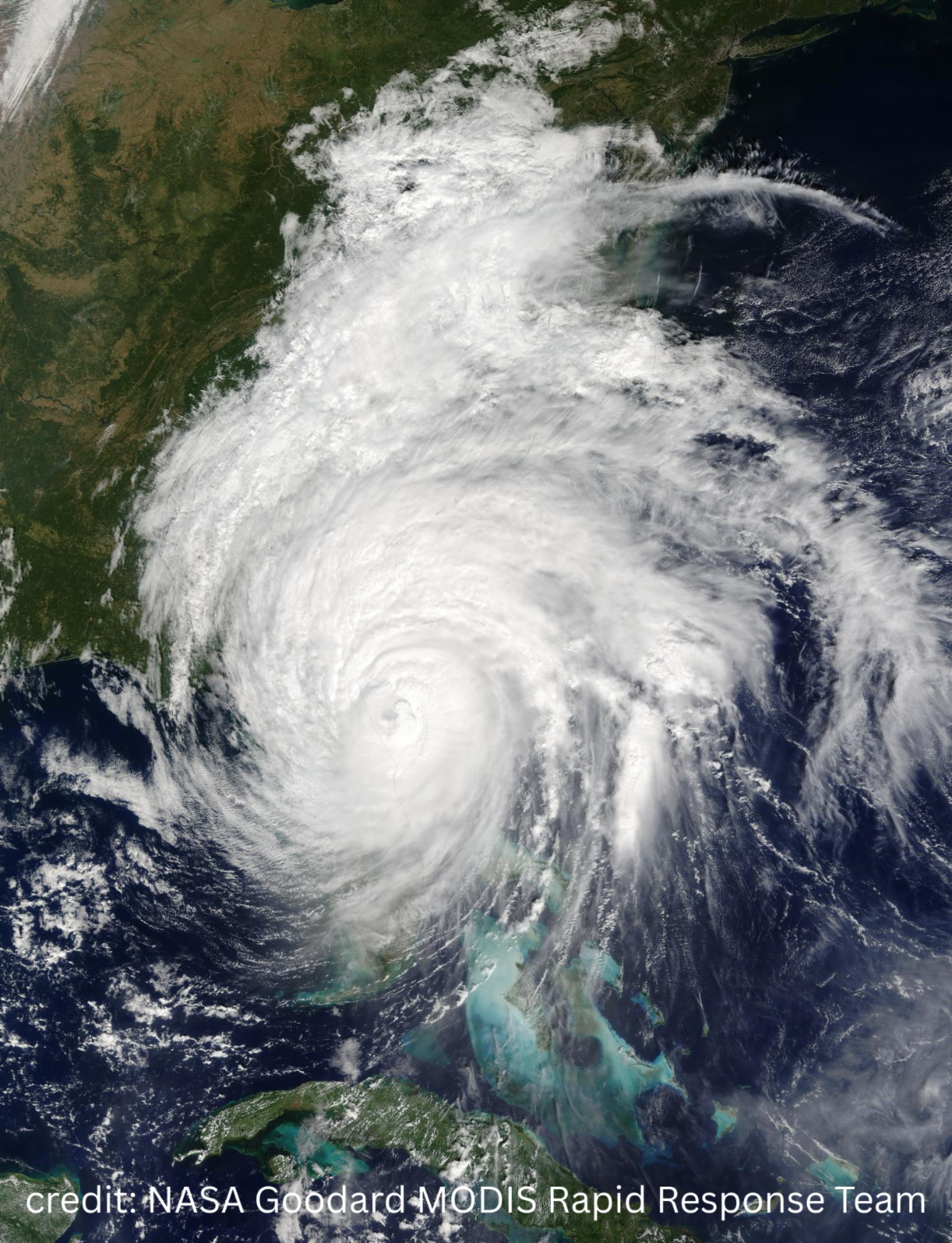
Considerations to Increase Pumpout Durability in the Face of Extreme Weather Events- like Hurricanes

Boating facilities are, by their very nature, in hazard-prone areas. They are located in a dynamic aquatic environment where conditions can change at a moment's notice. Facilities need to be prepared for numerous situations that affect various aspects of the property.


The Florida Clean Vessel Act program in collaboration with CVA programs around the county and manufacturers of pumpout equipment developed a document to provide general tips and considerations to keep pumpout equipment safe (or as safe as possible) from extreme weather disturbances- like hurricanes.


This document primarily focuses on considerations when installing or retrofitting equipment. But it also has checklists of what to do before and after a storm. Additionally, it has a list of suggested maintenance tasks.


Read More


Know the 9

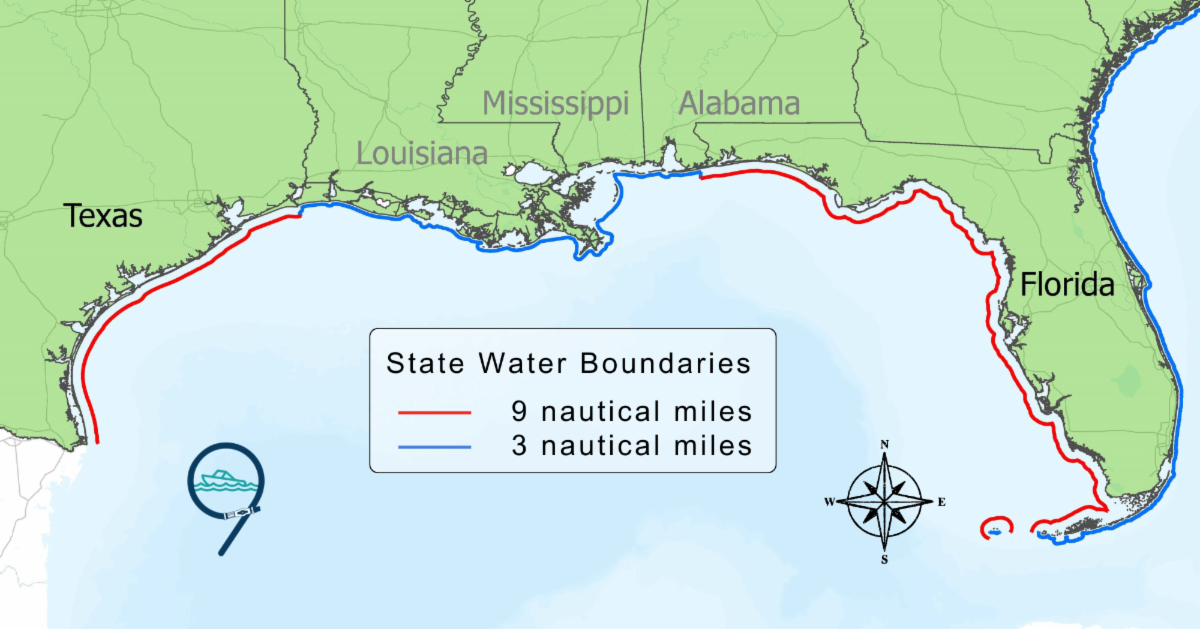
Florida & Texas Gulf Waters Extend 9-Nautical Miles

Most boaters are familiar with the 3-nautical mile limit. That’s the typical boundary that delineates state waters from federal waters. However, on the Gulf coast of Florida and Texas, state waters extend 9-nautical miles from shore.


A Look at the History


The 9-nautical mile boundary for Florida's Gulf waters has deep historical roots. Before Florida became a state, Spain claimed these waters; when Florida joined the Union in 1845, this boundary remained intact. The federal government later reaffirmed this claim in 1960 with a key court case tied to the Submerged Lands Act.


Why This Matters for Boaters


As a boater, it's important to remember that it's illegal to discharge untreated sewage in state waters. In the Gulf of America, that means within 9-nautical miles of Florida and Texas shores.


Spread the Word


Help us spread the word about this! We've made it easy with our social media toolkit, with graphics and text designed specifically for Facebook, Instagram, and X (formerly Twitter). We also have flyers and stickers available. To receive hard copies, just reply to this email with your mailing address and desired quantity.


Learn more at flseagrant.org/knowthe9

Pumpout Nav App data available on our website

Pumpout Nav helps boaters locate more than 280 publicly available pumpouts, mobile pumpout vessels, and portable toilet dump stations, in Florida. In the last issue of this newsletter, you learned about the new features available within the Pumpout Nav app.


Now the app's data is available on our website. There are pros and cons to only using the web version and now downloading the app.


Pros

  • Access to all pumpout details including cost, hours, exact location, and status.
  • Able to view the map and list based on disposal types (i.e. pumpout station vs. mobile pumpout vessels).
  • Don't have to download another app to find a pumpout that works.


Cons

  • Can not report a broken unit or one that works.
  • Does not show you the closest pumpout based on your current location.
  • Can not create an account, log pumpouts, or star any as your favorites.
  • Can not sort list of pumpouts based on location, price, or status.
  • Can not view No Discharge Zones.
  • Can not view facility phone number.
  • Don't have access to the 'Learn' content of the app.


View Pumpout Nav on the web


Meet Your Team

We're here to help you promote and achieve clean boating practices. Have an idea for an article? Please reach out.


We look forward to working together.

Vicki Gambale

Clean Vessel Act Education Coordinator

352.562.1134

v.gambale@ufl.edu


Eric Best

Northwest FL Clean Boating Coordinator

850.445.1820

eric.best@ufl.edu

Morgan Smith

Northeast FL Clean Boating Coordinator

850.694.2758

morgan.smith2@ufl.edu

Kiera Fielding

Southwest FL Clean Boating Coordinator

850.544.4854

kfielding@ufl.edu

Octavio Franco

Southeast FL Clean Boating Coordinator

850.879.4191

octavio.franco@ufl.edu

Funding for Florida Sea Grant's Clean Boating Program comes from the Florida Department of Environmental Protection through a grant from the U.S. Fish and Wildlife Service.

Facebook  X  Instagram  LinkedIn  YouTube