SOCIAL MEDIA
LinkedIn or checking out?
Conversations on the professional social network are getting more personal. Some users have mixed feelings about that
| |
|
IT MIGHT HAVE peaked with the brouhaha over the crying CEO, previously discussed in this newsletter and elsewhere, but the trend of LinkedIn becoming increasingly personal has been simmering for quite a while ― and it really raises questions about what LinkedIn is, now and in the future.
“LinkedIn is a place to showcase your resume, network and find job opportunities,” writes Canadian Business’ Srivindhya Kolluru. “But in recent years, it has morphed into a Facebook-esque platform where users share personal posts on everything from details of their divorce, baby announcements, thoughts on their favourite sports team and political events, often with the goal of increasing engagement or going viral.”
In other words, the virality game on LinkedIn isn’t much different than any other platform.
“But has it gone too far?” asks Nicholson Glover. “Has LinkedIn become a breeding ground for cringey memes, attention-grabbing GIFs and unprofessional oversharing? Is it oversaturated with ‘influencers’ desperately trying to cultivate a personal brand, and companies spamming their audience with irrelevant content in a bid to get their product seen and heard?”
It’s been good for LinkedIn, part of a wider uptick in activity on the platform. Hashtags about mental health grew exponentially, said LinkedIn’s editor in chief, during a period in 2021 when the number of feed updates viewed rose by 38 per cent and ad revenue doubled.
But has it improved the platform? That’s harder to say.
“It hasn’t solved recruitment’s problems,“ says recruiter Jason Bandy. “It’s making it harder. As a recruiter, if I was to spend 15 minutes talking to all my connections, it would take 4,000 years. It has created a haystack, which is so time-consuming.” Kieran Delamont
| |
WORKPLACE
Are you sure you don’t miss the office?
Finding magic in the mundane, workplace comedies celebrating cubicles, commutes and culture are more popular than ever
| |
|
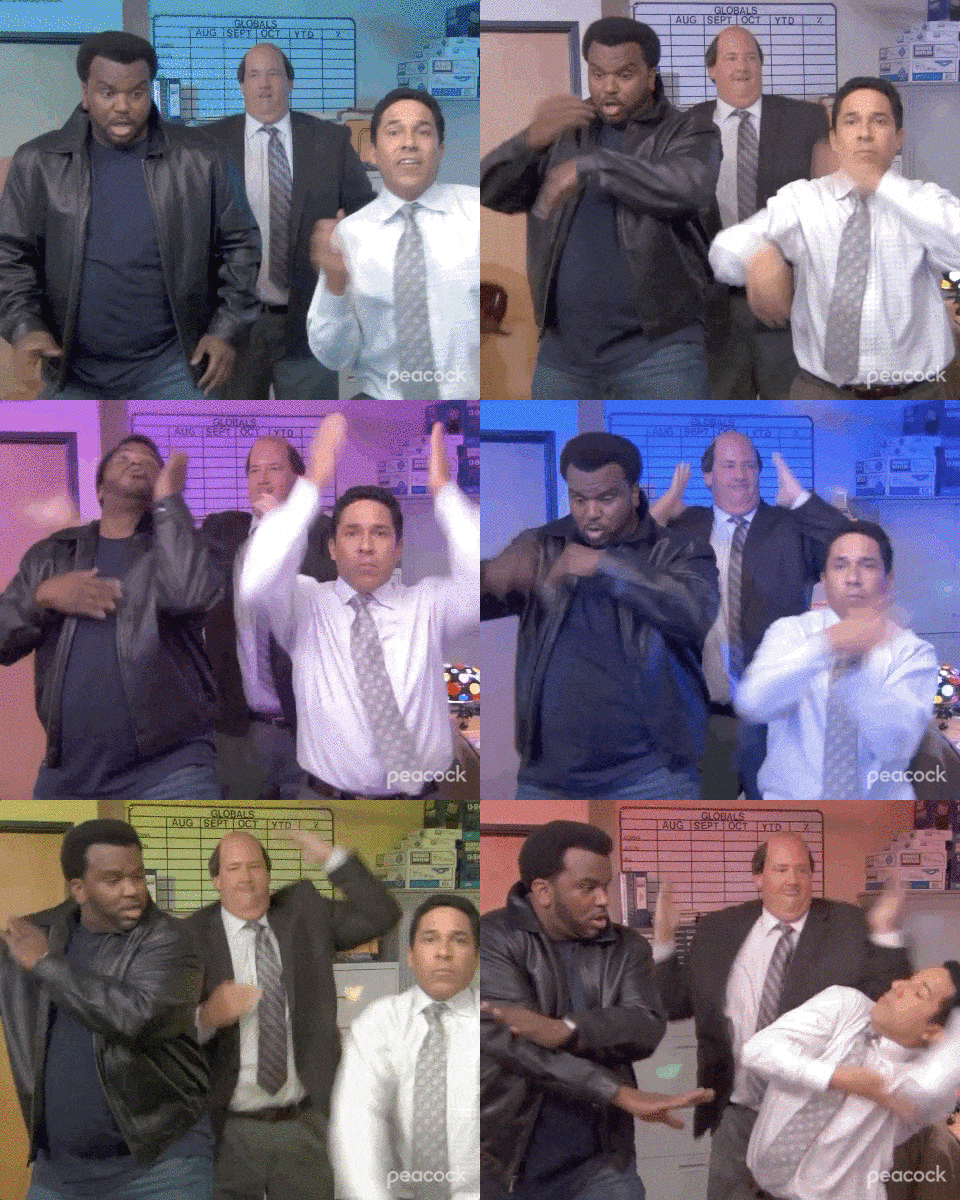
ONE OF THE most popular television shows streamed during the early lockdown phase pandemic was none other than The Office. Odd, right? In the real world, offices were being abandoned, left in the past ― but at home, on their television sets, people couldn’t get enough of them.
Now, more than two years on, little has changed: many of the most popular shows today, from Succession to Severance to Hacks, are all office comedies. Why?
One possible answer is comfort. “We know all those people. We know when the laugh line is coming,” says media psychologist Sara Grady. “Having something where we know what we’re going to get is really appealing.”
Another answer might be the opposite: with a decisive break from pre-pandemic office culture, the satire at the heart of The Office, the dystopia in Severance (a sci-fi yarn about workers who could “surgically divide their memories between their professional and personal lives”) or the cynicism of Succession, all became a bit clearer. “Sometimes being critical of the actual nature of work, of the hierarchies and structures we’re a part of, can offer some clarity about our place in this world,” writes critic Michel Ghanem.
Or maybe it was elegy ― for an office culture that was bland and inefficient, but lovable all the same.
“We’ve walked toward this change in work culture for years, but now it’s here for millions of people. Between 2005 and 2015, employees who telecommuted rose by 115 percent. Those years happen to represent The Office’s run,” writes Julia Alexander. “As The Office went off the air, so did the idea that day-to-day work would look the same as it did in 2005.”
But that’s the beauty of the office on TV: you can always tune back in. Kieran Delamont
| |
|
|
Terry Talks: Should you embrace multiple job holders in your workforce?
| The remote trend of working two jobs at the same time (without both companies knowing) infuriates most employers. But what if those who hold multiple jobs could bring benefits to your organization in ways you haven’t imagined? | | | |
WORKFORCE
Ka-boom
Baby boomers are leaving the workforce in droves, and that’s making a messy labour situation even worse
| |
|
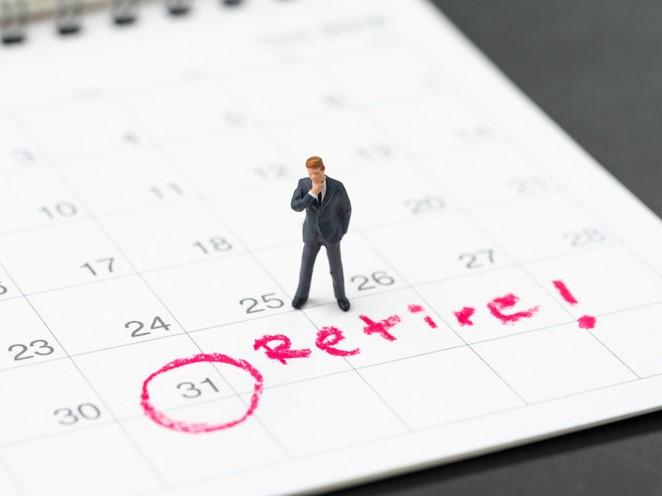
WHILE PANDEMIC BENEFITS and the job-shuffling Great Resignation trend created a vague sense of labour shortage in early 2021, a much more significant organic labour shortage, rooted in demographics, is right on its heels, with record numbers of baby boomers retiring, leaving many companies scrambling.
A total of 307,000 Canadians retired in August, an increase of nearly 40 per cent from a year earlier. And there’s more to come, as 620,000 more workers entered into the 65-plus age category. That, say economists, is “leaving businesses scrambling, helping push wages sharply higher and threatening to further drag down the country’s sagging productivity.”
Pedro Antunes, chief economist at the Conference Board of Canada, suggests that this represents us reaching limits in the Canadian economy. “We’re running up against capacity constraints,” he told The Star. “That’s a lot different than a slowdown because demand is falling. Economic growth comes from investment and from having a growing productive workforce.”
We are at a worrying crux: our housing stock and public infrastructure is increasingly unable to sustain the level of immigration needed to sustain the economy, which is itself struggling to reproduce housing stock and maintain public infrastructure ― a dispiriting chicken-and-egg problem if there ever was one.
The answer, say many business experts, is to embrace a period of evolution. “It’s an opportunity for us to rethink and be innovative,” says Melanie Peacock of the Missett School of Business.
Loosening job qualification requirements and being more willing to do training on-the-job is one possibility if your goal is to create more skilled workers; revisiting your workplace culture and making it more sustainable (and thus more attractive) is another,” she says. “This is an opportunity to re-examine job enrolment requirements, to re-examine our whole recruitment and selection processes and to be innovative.” Kieran Delamont
| |
BRANDING
Headshot hell
What if corporate headshots didn’t have to be so boring?
| | |
|
CHANCES ARE NOW pretty good that the first time someone will see your face is in the form of a corporate headshot ― especially for company founders, who often serve as the face of the brand.
And this is bad news, because as the editorial team at Sifted observe, “most founders’ photos are boring as you-know-what.”
It’s not hard to see why. Headshots have become…well, boring. In the media sphere, this was best captured by a viral tweet in 2019. New headshots are big business, with some people paying as much as $1,000 for a photo shoot, and they are churned out at an impressive rate: more than a million people update their LinkedIn profile pic each week, and a good number of those will be slick, professional headshots. It’s all very corporate.
FT’s Pritila Clark writes, “a dash of daring would be welcome in the rest of the business world, where there are unsettling signs that the headshot is being taken far more seriously than it ought to be.”
And yet, boring though they might be, headshots remain an important part of the business world, a necessary drudgery.
“Clean headshots show your clients who they’re supporting when they choose you over the competition,” writes Adam Jacobs, managing director of Bubblegum Casting, in Forbes. “Clients want passion and expertise to radiate off the screen as they explore your website. None of those things jump out when they see a picture of you and half of Aunt Carol’s arm at Thanksgiving in 2007.”
But as Clark concludes in her column, context matters. Recounting one decisive anecdote, “‘I want to look dead-eyed, like a shark, a headshot client told London photographer Mark Grey recently. Grey obliged, especially after the client revealed what he did for a living: negotiate the release of hostages from pirates in the Indian Ocean.” Kieran Delamont
|
| | | | |