Marjorie Hass l Vol. 2, Issue 12

I am pleased to welcome many new subscribers. If you enjoy this newsletter, please share subscription information with friends and colleagues.

Leading Well

One of the Chanukah traditions is to place the candles in the window in order to fulfill the mitzvah (commandment, good deed) of proclaiming the miracle. If felt especially meaningful this year since our little candles are shining amidst so much darkness. In these brave candles, proudly insisting on the power of light, I see each of you—the readers of this newsletter.


One of the great privileges of my current work is that I get to witness a wide array of academic leadership. I hear multiple stories every day about courage and commitment. I see the personal toll that leadership takes and the resilience that makes it possible. It is often lonely work. And yet none of us is alone. We are all part of a larger community of leaders hewing to a higher call.


Whatever our differences, we share a deep knowing about the promise of higher education and its transformational power. Leading well requires the moral courage to stand up for our students, our faculty, and our institutional missions. When we see others failing to set a moral example or when we focus only on a narrow stream of our own direct influence, our efforts can feel too small to be meaningful. But each act of resistance, every stake we put in the ground matters. It matters for those we serve, and it matters in the larger historical narrative of which we are part.


Many traditions respond to the long dark winter with rituals of light and warmth. This month is a time to reflect on the impact your personal flame made for others. Be warmed by memories of your courageous actions. Shore up those things that made your courage possible. You are a candle in the darkness, and your leadership attests to the miraculous. Shine brightly.


Questions for reflection: Where have you been courageous this year? What sustained you at that moment? What words, images, or symbols can serve as reminders to you of how courage feels? Who can you trust with the stories of your own courage? How can you inspire and sustain courage in yourself and those around you?

An Urgent Reminder (Bonus Section)

In our family, we root hard for the Green Bay Packers. So, we’ve been watching a lot of NFL football this season. I’ve been disheartened to see how significantly gambling has become intertwined with pro sports. Gambling outlets have moved beyond merely advertising during the games and are now sponsoring pre-show segments and making the reporting of Vegas odds an expected part of sports news.


Gambling has changed the tenor of fandom. As betting becomes increasingly tailored—you can bet on everything from the number of interceptions to the likelihood of a walk-off field goal—fans now criticize players for not meeting various play thresholds even when they are winning games. The NCAA estimates that nearly 60 percent of college students have placed a sports bet.


Unlike problem drinking which often occurs in public, sports gambling happens in the privacy of a phone app. This makes it harder to evaluate the prevalence of risky behaviors on campus. When gambling is made more social via the new parlay and collective betting apps, peer pressure can push students into money-losing behavior.


The lost dollars matter. But so does the stress of financial trouble, the shame of getting in over one’s head, and the underlying need for the artificial stimulation gambling offers. With so many other worries we have for our students, including food insecurity and the impact of aggressive ICE action, it can be easy to overlook the ways that problem gambling may be affecting them.


I encourage campuses to assess student gambling activity, make plans for awareness campaigns, self-assessments, and intervention. Resources are available from state gambling boards, the NCAA, and many mental health and addiction nonprofits. This growing threat needs your attention.

Happening at CIC

The CIC elves are busy with preparations for our annual Presidents Institute, which always occurs during the first week of January. We are expecting record attendance—a sign of how important community feels for academic leaders right now. Our theme this year reflects on the deeper purpose of higher education. Colleges and universities serve a fundamental social good. They provide real and practical opportunities for our students and the relentless pursuit of human truth in a benighted age. As higher education’s social contract undergoes change and we enter a brave new era powered by artificial intelligence, we can remain confident in our resolve to pursue higher education’s core purpose in furthering the common good.


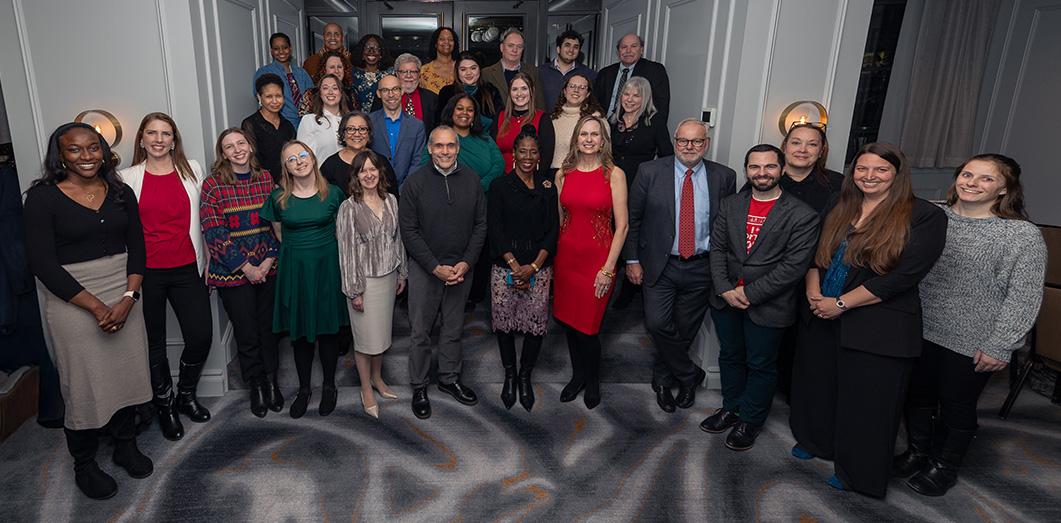
I am delighted to share the below photo from CIC’s annual holiday party. I am extremely proud of those pictured here—and of our additional colleagues who were not with us—for the care and commitment with which they serve our members. It’s an honor to work with this dedicated team. Our culture statement lifts up our values and the ideal toward which we strive every day.

A Spark of Inspiration

With so much to grieve these past weeks, I’ve been turning to the arts for comfort and insight. A few things that are keeping me going by expressing the hard things I can’t yet put into words:


Redemption Song by Bob Marley


Two of Lisel Mueller’s poems: When I Am Asked and Joy


Wake Up Dead Man: A Knives Out Mystery


This mash up of Hashkiveinu (evening prayer) and the Beatles’ Let it Be


The paintings of Anselm Kiefer

What I’m Reading

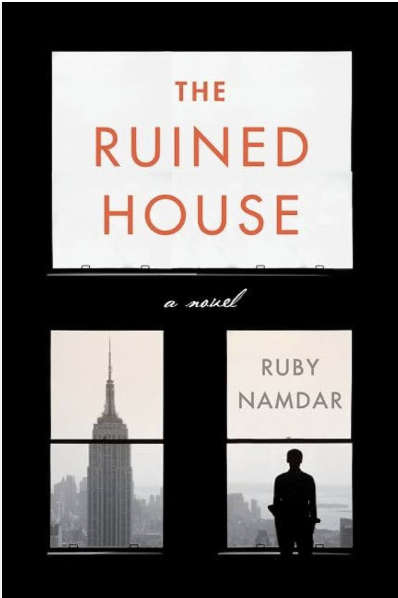
The Ruined House

by Ruby Namdar, tr. by Hillel Halkin


A touch of magical realism is woven into this story about the intrusion of the most ancient and fleshy forms of Jewish practice into the life of a contemporary New Yorker. Over the course of a year, the rituals of sacrifice practiced in the original Temple in Jerusalem find strange parallels in the daily life of a contemporary shallow, Jewish intellectual by the name of Cohen—a reference to the ancient Kohanim (priests) whose descendants continue to bear this name. Take the time to study the imagined Talmudic pages that frame the novel’s sections. They are both brilliant parody and insightful commentary. 

Regarding the Pain of Others

by Susan Sontag


Sontag’s final published book continues to speak to contemporary problems. It has me thinking about the ways we foster or inhibit empathy, the ethics of visual representation, and how her analysis would extend to new AI visual technologies. 

Art and Faith

by Makoto Fujimura 


Trained in both Japanese technique and western theology, acclaimed painter Fujimura offers a Christian “theology of making.” I am not a painter or a Christian, but I found much inspiration here.

Subscribe to Newsletter


Was this email forwarded to you? Sign up here to receive this newsletter directly.

LinkedIn