Marjorie Hass l Vol. 2, Issue 9

I am pleased to welcome many new subscribers. If you enjoy this newsletter, please share subscription information with friends and colleagues.

Leading Well

I define academic leadership as the practice of inspiring others to make positive change toward a shared vision of a better future. With change being such a central feature of leading, it's easy to get trapped in the belief that we should focus on changing people. We think we need to make them better or more virtuous in some way. Faster or more cheerful. More like us, maybe. Trying to change others is bound, however, to lead to frustration. Internal change is rarely motivated by an outside force.


We fare better if we focus instead on changing the environment so that it naturally nurtures and rewards the behaviors that lead toward enacting our vision. Rather than looking toward who isn’t falling in line and expending our effort there, the institution is better served by what I call “watering the flowers,” that is, beaming sunshine and attention on actions that bring about the outcomes for which we are aiming. Rather than exhorting people to act as we wish, we can instead ensure that the climate rewards positive actions.


Most people naturally adapt to their environment. They want to grow toward light. But in higher education our incentives are often perverse, rewarding behavior that is either objectively bad or that has just not kept pace with institutional direction. If excellent teaching is a goal, how is it rewarded? If participation in institutional planning is something you value, how does the environment make this an attractive choice for individuals? What implicit or explicit rewards are in place that allow bullying or disaffection to prosper? Take some time to review the ways behaviors are rewarded or discouraged and ensure they align with your genuine priorities.


One of the things I regularly remind emerging leaders is that dinosaurs didn’t evolve into mammals. Dinosaurs died out and mammals took over because the mammals were better able to adapt to a changing environment. As leaders we can shape the environment in which people work and let them find ways to make the internal changes that will allow them to thrive.


Questions for reflection: Are there ways my institution rewards negative behavior? Are there ways we ignore positive behavior? What changes can I make to the climate that better match rewards with the behaviors our institution needs? How am I responding to the rewards and disincentives in my own environment?

Happening at CIC

The CIC team spent the summer preparing several new programs in response to member requests and needs. I encourage you to peruse the CIC website to learn about the many ways we support our member institutions. We have launched a new project to create a book series to expand the reach of presidential voices on the key topics that the general public needs to understand about higher education. Also, the recently announced Council of Independent Colleges Partnerships and Mergers (CPAM) project supports colleges and universities that are exploring partnerships, mergers, and other collaborative enterprises as a means to secure long-term institutional sustainability.


If you are curious about the work that CIC does, the 2024–25 annual report is now available, detailing CIC’s efforts and initiatives to support our members’ work and highlighting the impact of our programs on students, faculty, and the broader society. And registration is still open for both of our annual Institutes. The Institute for Chief Academic Officers, Building Places of Promise: Unlocking Student Success, takes place in November, and the Presidents Institute, A Deeper Purpose, takes place in January.


We have heard from campuses looking to address increased tensions on campus. For those of you looking for resources for student support and community dialogue to meet the moment, I suggest taking a look at our Campus Free Expression Roadmaps.


I am very pleased that CIC, in partnership with the Mellon Foundation, is able to open a new grant program to member institutions to support faculty/student research and public-facing programs on the theme of Histories and Legacies of American Slavery.

A Spark of Inspiration

For me, the past several weeks have been filled with speaking engagements around the country and over Zoom. Before each one, I worried that my heart would be too heavy to allow me to bring something of value to my audience. On some days the weight of the daily news temporarily robs me of language and clear thinking. On other days, my grief, anger, or regret feels overwhelming. One of the most challenging aspects of leadership is the need to face our communities with strength and hope even in the most difficult times.


To my surprise, though, these presentations, panels, webinars, and speeches, have not only been possible, they have in many ways felt like a lifeline. There is something profoundly healing in meeting others in the spirit of curiosity and growth. I’ve taken the risk of speaking as truly as I can even as I aim to welcome differences of opinion. I’ve tried to offer kindness and as much wisdom as I can muster. And each time I’ve found the words I needed and the inspiration to deliver the program with energy.


Mothering my children taught me that we often find what we most need ourselves—courage, comfort, nourishment—through offering it to our children. And I have found what I needed in the responses and questions of my various audiences. I am grateful to the many organizations who invited me to speak and to all those who turned out at these events.


I encourage you to brave the storms and seek out spaces for face-to-face conversation about the things that matter most. Isolation does not serve you or your institution. Neither does silence.


After all of this speaking, I am definitely ready to be a listener. And I entered the time of the Jewish High Holy Days ready to hear the ancient expressions of existential hope and fear that are embodied in this season’s prayers and songs as well as the wise, meaning-making words of my Rabbis. The titles of some of their d’var Torah (literally “words of Torah” and akin to a preacher’s sermon) were sent to us yesterday. Among them: She (Another World) Is on Her Way, Rethinking How We Think About Our Jewish Identity, and Don’t Look Away: The Power of Witnessing. Wow. I can only imagine the courage and self-reflection that have gone into creating the words that will be shared with the congregation next week. I am grateful for these Rabbis and for this intense time of year.

What I’m Reading

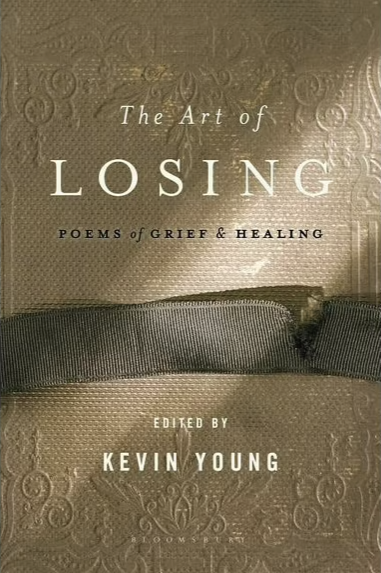
The Art of Losing: Poems of Grief and Healing

edited by Kevin Young


A compendium of contemporary elegies on the theme of loss and sadness. For when you need to have a good cry or are searching for the right words.

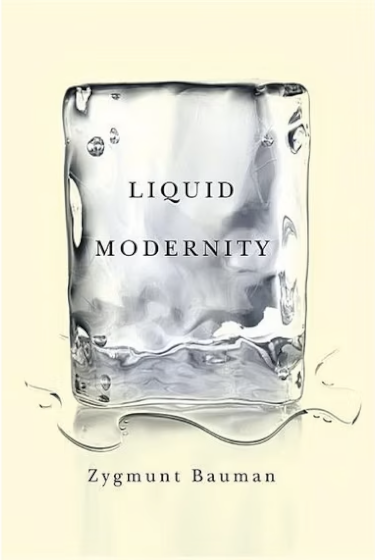
Liquid Modernity

by Zygmunt Bauman


Although developed a decade ago, Bauman’s take on the “liquidity” of modern institutions speaks right to the challenges we are facing this very minute.

The Decent Society

by Avishai Margalit


A just society may be an unreachable ideal—albeit one toward which we ought strive—but a decent society is one we can and must insist on. Margalit defines a decent society as one in which societal institutions do not humiliate people. There are effective ideas here for thinking about how to counteract the indecency inherent in much of our present moment.

Subscribe to Newsletter


Was this email forwarded to you? Sign up here to receive this newsletter directly.

 
LinkedIn