Marjorie Hass l Vol. 3, Issue 9 l September 2026

I am pleased to welcome many new subscribers. If you enjoy this newsletter, please share subscription information with friends and colleagues.

Leading Well

How are you preparing your campus for the midterm elections? In the past, election preparation typically meant providing basic information to students about how to register to vote and to faculty about the boundaries of partisan versus academic classroom activity. But in the current climate, campuses need to prepare for a variety of situations, including the possibility of contested results, intensified ICE activity, voter intimidation, and even local violence.


To ensure that you are ready in November, consider steps to take now. Robust programming on electoral issues and democratic processes is likely already planned on most campuses. But I recommend taking an extra step this season. Review your safety plan and free expression policies. Facilitate a tabletop planning exercises with your senior team. Reach out to local leaders and organizations to understand how the community is preparing. Engage with student and faculty leaders to discuss how the local and campus community might react to various electoral outcomes and post-election political uncertainty.


Some resources to check out:


Questions for reflection: What are the possible risks or opportunities for our campus given our location and the political climate in our community? Do we expect any barriers to student voting? What campus populations may need support in the immediate wake of the election? How can we harness faculty and staff expertise to support reflection and learning before, during, and after the election? What can we learn from the successes and failures of previous attempts to respond to electoral results? Who can we partner with to strengthen our ability to respond effectively and in service to democracy?

Happening at CIC

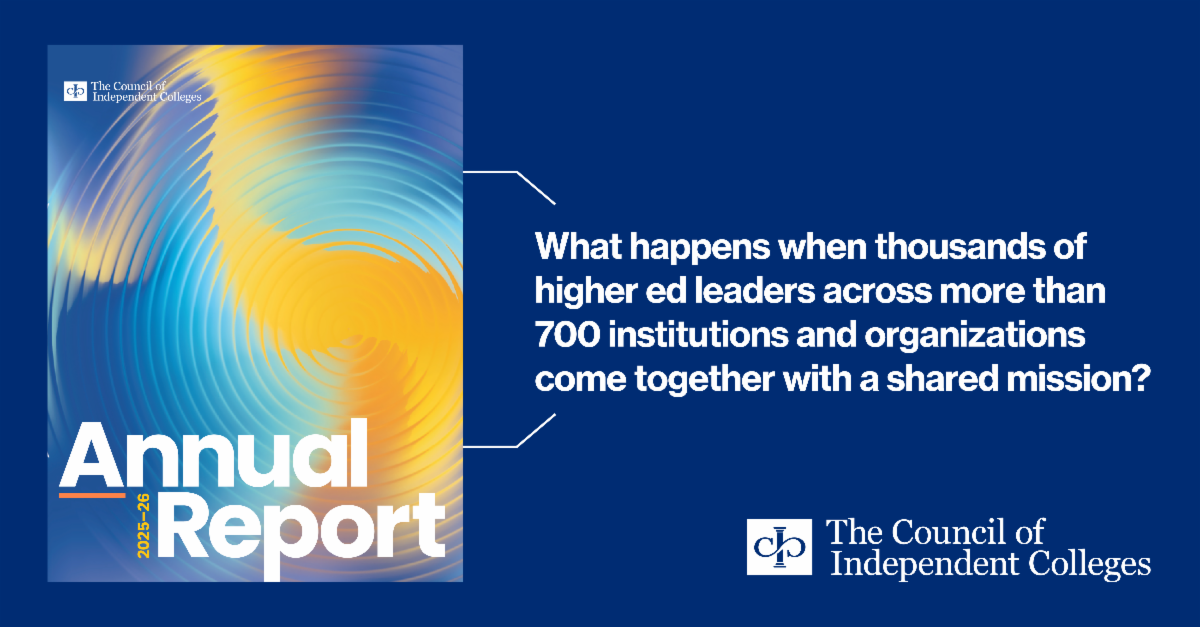
CIC published our 2025–26 Annual Report on September 14. Read more about our programs, networks, and resources to stay at the forefront of the sector and support our members.

CIC recently released the Annual Report, highlighting another year of impactful work and setting the stage for an ambitious academic year ahead. If you would like a better understanding of all that CIC does and offers to members, I encourage you to browse the report. I am pleased that CIC awarded $7.67 million to support institutions in 2025–26, while also providing extensive professional development opportunities and fostering connections across our network. As we gear up for another busy academic year packed with Institutes and dynamic programming, we look forward to engaging with partners and participants in meaningful ways.


CIC is fortunate to be hosting Stacey Salazar, vice provost for graduate studies at the Maryland Institute College of Art, as a fellow from the American Council on Education (ACE). Known for being a transformative, yearlong program, being an ACE Fellow prepares rising leaders to take the next step in their careers through hands-on learning, mentorship from senior administrators, and a deep exploration of institutional and policy challenges. We are delighted to welcome her expertise and perspective to the CIC team for the upcoming year.

A Spark of Inspiration

As readers of this newsletter know, I read voraciously but not indiscriminately. My reading is in the service of an ongoing search for new practical concepts and a wider understanding of the questions that drive my thinking. One of the best lessons I learned from my training as a philosopher is to read with a dual consciousness. On the one hand, do your best to put yourself into the subject position of the author and to understand the essence of the work from the inside and with as much generosity as possible. On the other hand, read with a critical mind attuned to the hidden weak spots in an argument. Interrogate assumptions. Argue with the author and reviewers. The generous side of reading fosters empathy and understanding. The critical side transforms one’s opinion into an actual point of view.


This kind of double attention is the ongoing internal dialogue aimed at sense making and truth seeking that Hannah Arendt endorsed. It requires the courage to feel into a foreign world view and the wisdom to simultaneously orient yourself intellectually and morally.


This month I recommend a pair of books that address the Israel/Gaza crisis. Coming from radically different perspectives, together they ensure that every reader will find something disturbing, probing, hopeful, and unexpected. Reading them together enhances the work of thinking. Weeks later, I am still debating and arguing with the authors in an imaginary dialogue about the many difficult questions that tumble through my mind: What does justice demand? Is violence ever justified? What is the difference between a people, a nation, and a state? What is gained and lost by dedicating yourself to a cause to the exclusion of embracing a shared humanity? Can we build a peaceful future out of a violent past?

What I’m Reading

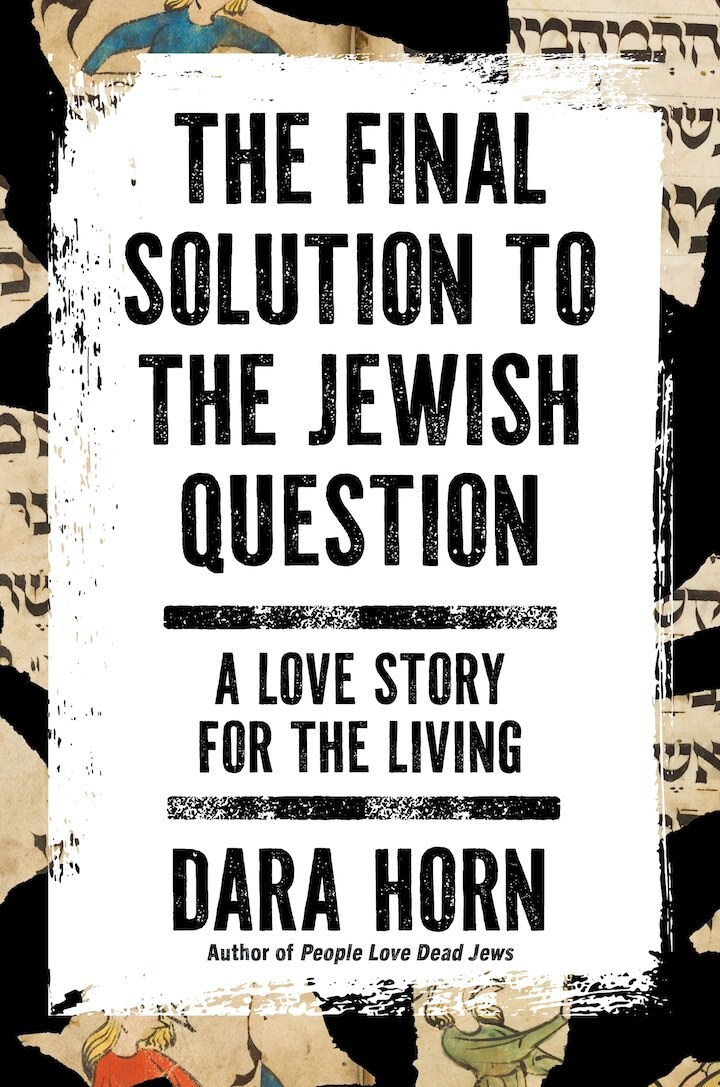
The Final Solution to the Jewish Question: A Love Story for the Living

by Dara Horn


Dara Horn directly takes on the question of the relationship between antizionism and antisemitism. She draws from her multiple recent experiences, as she crossed the country speaking to diverse audiences about Jewish history and the present moment. She argues Jewish identify is both a love story and a saga of the various ways otherness is demonized.

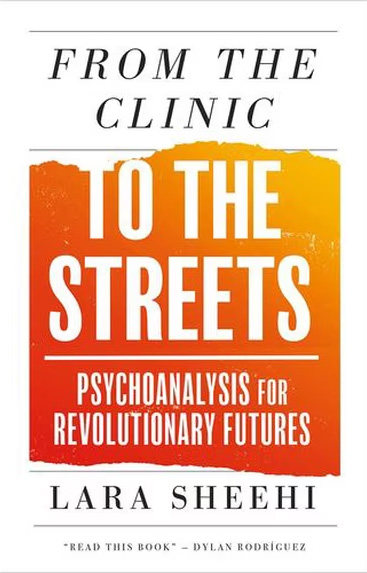
From the Clinic to the Streets: Psychoanalysis for Revolutionary Futures
by
Lara Sheehi


Lara Sheehi argues for the development of what she calls “psychic militancy” among those who would “free Palestine.” She looks to retrieve psychoanalytic insights from what she sees as its colonial origins and redeploy them for revolutionary ends.

Subscribe to Newsletter


Was this email forwarded to you? Sign up here to receive this newsletter directly.

 
LinkedIn