Marjorie Hass l Vol. 2, Issue 10

I am pleased to welcome many new subscribers. If you enjoy this newsletter, please share subscription information with friends and colleagues.

Leading Well

If you are a leader, on most days something unexpected will claim your immediate attention. It might be a surprise visit from a donor, a mini-crisis that demands quick action, or a spark that should be tamped down before it becomes a fire. Such quick pivots are endemic to leadership. If we are not vigilant, these urgent demands can keep us from attending to more deeply strategic issues.


To ensure you give enough focus to the things that move your organization forward, I suggest making it a habit to ask yourself three “Monday morning” questions:


What flowers need watering this week? In other words, where is there an instance of something terrific happening on campus—something that exemplifies our strategic goals—that needs my positive attention? Shining a light through a visit, an email, or mentioning it in a speech gives energy to that bit of positivity and reminds others of what we are aiming at. A few moments spent watering a flower each day or week reverberates throughout the organization.


What am I holding up? It’s easy to notice when someone else is a roadblock to our goals. It’s harder to notice when we ourselves are the block in the road for someone else. In any given week, there is likely someone waiting for you to make a decision or complete your part of a project. And since you are a leader, they may be hesitant to remind you or nag at you about it. Take time every week to ask your team what they need you to complete so that they can move ahead. Develop a system to keep track of external commitments you make and set time for completion as deadlines draw near.


What are my cornerstone activities this week? Cornerstones are the big deal actions that make the most significant difference for your institution. It might be a big meeting with a funder, a strategy session with your team, an important speech, or a major recruitment event. Ideally, you have at least a few of these each week. If you don’t, then you need to sit and think about what your goals really are and how you plan to meet them. If you do see cornerstone events on your weekly calendar, then make sure you are building in time to sufficiently prepare and that you have a way of delegating whatever urgent matters threaten to take their place.


I call these Monday morning questions because a few minutes early in the week can ensure that you use your time wisely no matter what emerges. Attention and time are finite resources and have to be budgeted as carefully as we budget dollars. Ten minutes on Monday morning to focus on the link between strategy and your calendar will pay off all week long.

Happening at CIC

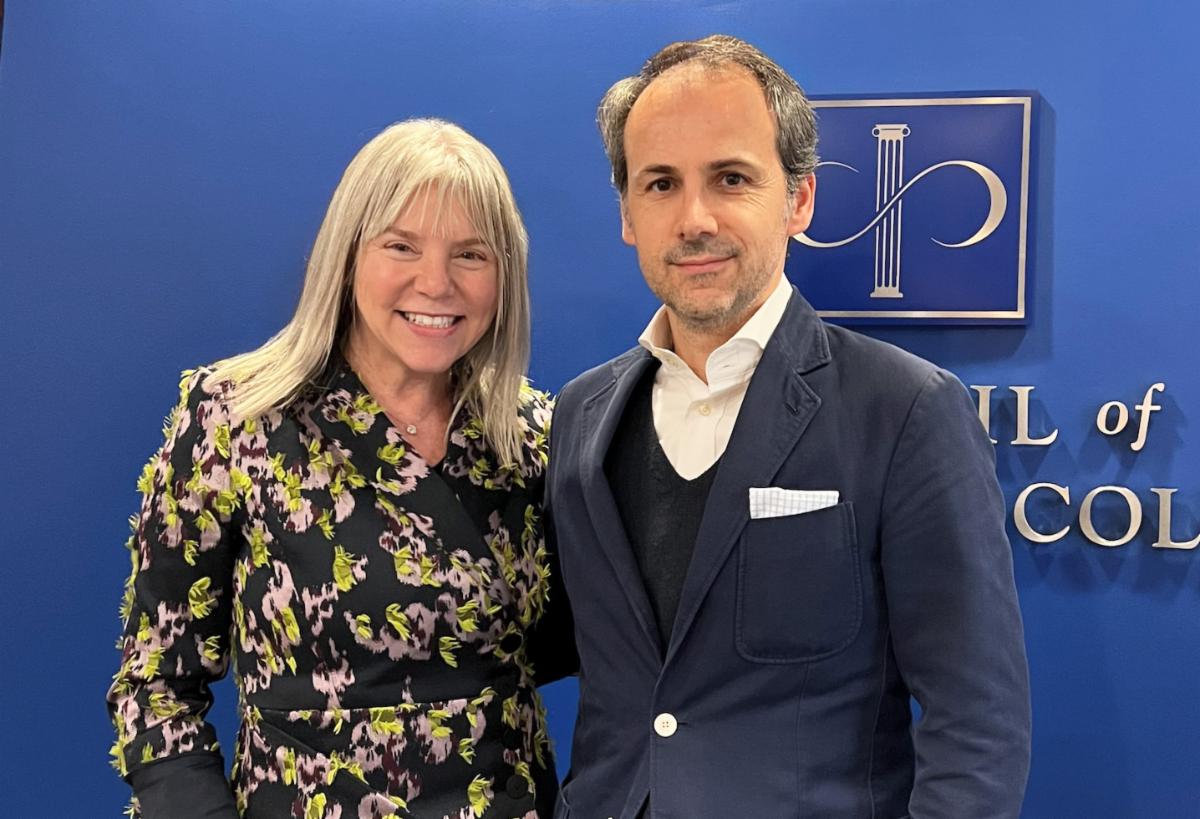
We love seeing our members when they’re in DC. Member president Samuel Martín-Barbero came all the way from Franklin University Switzerland and stopped by to visit the CIC office.

Excitement is building for our Institute for Chief Academic Officers in early November. At this point we are ensuring that materials and tech are shipped to the conference hotel and that the last-minute details are in place. Our team is looking forward to the opportunity to host more than 500 members.


We recently launched two new cost-effective professional development opportunities. The first is a set of new Deans Coaching Circles at CIC institutions. Each circle is a facilitated small group that will meet virtually on a regular basis over a year. The circles are designed to support deans in building skills and leading effectively. Facilitators are specially trained leaders who have sat in the chair and know the issues and challenges. New CIC presidents can also join a Presidents Circle to find supportive thinking partners and peer support during the crucial first two years of a presidency. CIC is delighted to partner with Academic Search on these efforts and appreciate the sponsorship of Credo: Powered by Carnegie to keep the cost affordable for members.


Finally, nominations have just been opened for our inaugural Faculty Leadership Academy, for faculty members interested in developing the skills to be inclusive, effective faculty leaders. This is a new program for CIC, and I am grateful to the Mellon Foundation for supporting it.

A Spark of Inspiration

I’ve been very moved lately by examples of human expertise and excellence. Anything from a complicated guitar riff to a perfectly executed football pass gives me goosebumps. I find myself weeping as I read about the work of the recent Nobel laureate scientists. As I am reading, a beautifully written sentence feels almost holy.


This newfound sensitivity has surprised me and, of course, has set me off thinking about its cause. I think one reason is that examples of hard-won human skill serve as a stark contrast to the mediocrity we now see so often. When blind loyalty is the currency for promotion, qualities such as talent, virtue, and hard work take a back seat. Incompetence and poor judgement are so regularly on display that quiet examples of professional excellence feel especially precious.


I am also moved by the discernment that is needed to lift up something worth pursuing over time and amidst setbacks. “The Good” feels like an old-fashioned value right now, one that has been everywhere set aside in favor of “the more” and “the loud.” Theorist Todd McGowan has argued that our capitalism centered culture is the first to demote a vision of what is good and best in order to encourage pursuit of unlimited growth and an obsession with just having more. Pausing to honor achievements other than amassing the most wealth, the most power, or the most likes, feels counter-cultural in a positive way. I am leaning into this newly formed pleasure and looking forward to seeing where it takes me.


If you would like to read more of my current thinking, you can find my newest essay, Dread: A Political Affect, on the CIC website.

What I’m Reading

The Third Reich of Dreams: The Nightmares of a Nation

by Charlotte Beradt


In 1933, Charlotte Beradt, a Jewish German journalist, began collecting reports of the dreams of her German neighbors and friends. Together with her incisive analysis, they offer insight into the way that fascism invades the unconscious over time. Originally published in 1966 with the support of Hannah Arendt, the book has recently been re-translated and reissued.

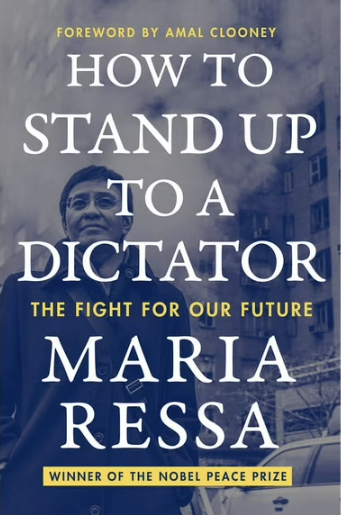
How to Stand Up to a Dictator: A Nobel Laureate’s Fight Against Authoritarianism

by Maria Ressa


Maria Ressa received the Nobel Peace Prize in 2021 in recognition of her courageous journalism in the Philippines. A former reporter for CNN and the founder of Rappler, she argues that freedom of the press—a core pillar of democracy—is undermined by dictators but also by the various online algorithms that subvert truth-telling in favor of clickbait. This is a fascinating story.

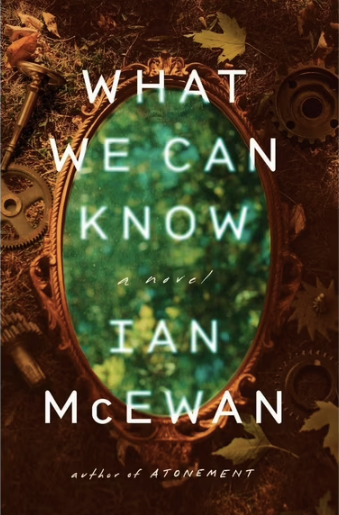
What We Can Know

by Ian McEwan


Ian McEwan’s latest novel is set 100 years in the future and features a historian who lives in what remains of England and specializes in the turbulent years of 1980–2030, a period known by his contemporaries as “the derangement.” The plot centers around the mystery of a lost poem and the love stories in the novel’s present and past that are attached to it. The themes include the meaning of history, the carelessness of the present, and the meaning of life for individuals and for posterity.

Subscribe to Newsletter


Was this email forwarded to you? Sign up here to receive this newsletter directly.

LinkedIn