Marjorie Hass l Vol. 3, Issue 8 l August 2026

I am pleased to welcome many new subscribers. If you enjoy this newsletter, please share subscription information with friends and colleagues.

Leading Well

If you are heading into the new semester quietly dreading having to have yet one more meeting about AI, here is a taxonomy that may ease your mind a bit.


There are four basic issues that campuses must wrestle with:


  • AI skills as career preparation (What must every graduate know about using AI in the workplace?),
  • AI in the classroom (What policies do we need to ensure that the ubiquity of AI doesn’t undermine our students’ ability to gain key intellectual skills?),
  • AI in campus operations (Are there ways we want to use AI applications to do our work more effectively or efficiently?), and
  • the larger social implications of AI (What do our students need to know about the underlying material, environmental, economic and political conditions and implications of AI?).


It is impossible to have all these conversations at once. Dividing the work along these categories will make it easier to figure out the problem you are trying to solve at any given moment. And almost everyone on campus will be drawn to exploring at least one of these questions. Getting the right people in the right discussion will unleash energy and good thinking. I recommend that leaders ensure that all four questions are being addressed somewhere on campus and that the answers are brought together in a comprehensive and integrated manner. The campus that can provide interconnected answers to all four of these questions—even if they are provisional and subject to revision and expansion—will be leading in the AI arena.


Questions for reflection: Which of these questions excites me the most personally? Which one do I resist? Which of these questions are currently being asked or answered on my campus? Where can I encourage greater depth, breadth, or integration?

Happening at CIC

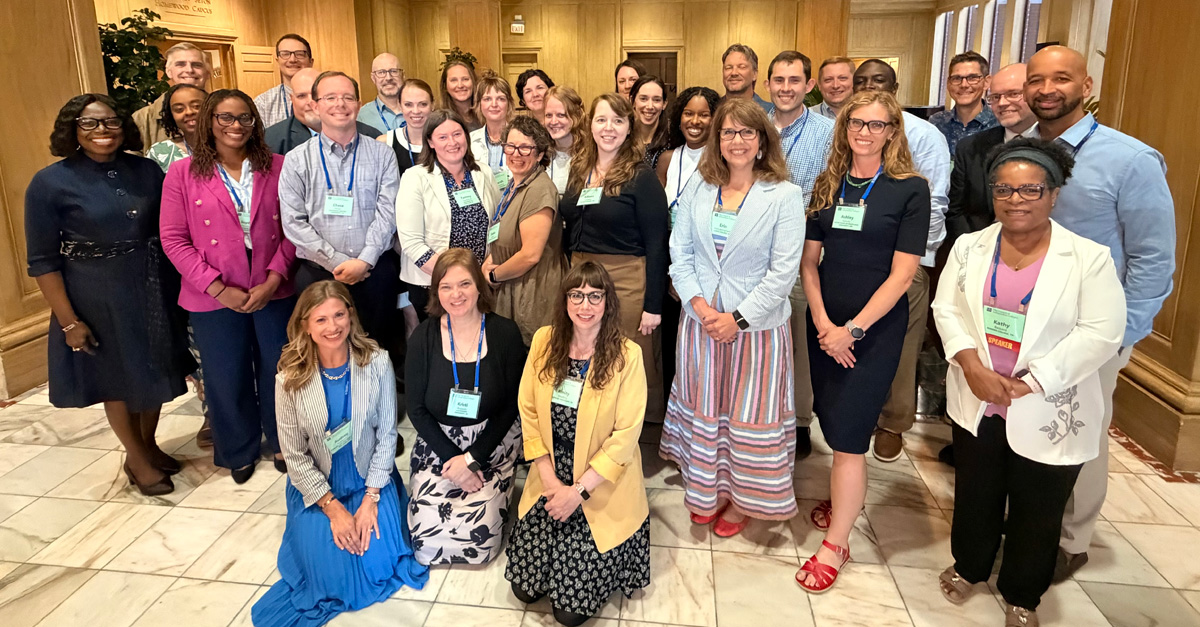
CIC’s first Faculty Leadership Academy had a cohort of 30 participants, selected from a large pool of nominations.

Late in the spring, CIC offered a virtual workshop on the development of an Economic Impact Report, including a set of resources members can use to create an infographic for use in demonstrating the economic value of an institution to its community. A recording of the workshop, along with some associated resources, are available online at no cost to CIC members. Private, nonprofit colleges and universities generated $838.9 billion in economic impact during fiscal year 2024, according to a new report released this month by our friends at the National Association of Independent Colleges and Universities (NAICU).


CIC held the first Faculty Leadership Academy at the end of July in Baltimore, Maryland. The program is designed to support faculty members who aspire to assume leadership roles in higher education—particularly those who have demonstrated a commitment to inclusive leadership at CIC member colleges and universities. I am pleased to announce that the program will be offered again in 2027.


Earlier this month, CIC held a President-Board Convening on Institutional Autonomy, Academic Freedom, and Free Expression that gathered institutional leaders from 13 universities and colleges in Washington, DC. One of the goals was to gain a shared understanding about academic freedom. Participants heard from experts, engaged in tabletop exercises, and learned from each other’s experiences.


CIC conducts the largest annual conference of chief academic officers in the United States, and the Institute is designed specifically for leaders at independent colleges and universities. This isn't a generic higher ed conference—it's a trusted space where academic affairs leaders can connect with their own institutional colleagues in other departments and peers facing the same pressures. We’ll be in Baltimore, Maryland, this November and hope to see some of you there.


We also just launched registration for CIC’s annual signature event, the 2027 Presidents Institute, to be held in January in San Diego, California. The theme is Human Horizons and the programing will explore timely and relevant solutions to a range of pressing issues. Nearly 100 participants registered during the first week, so we are hopeful for a great turnout and a successful conference.

A Spark of Inspiration

I have had an emotional roller coaster of a month. A bout of pneumonia caught me by surprise and knocked me out of commission for the better part of three weeks. I am still recuperating and regaining strength. A process that my doctors say might take at least another month. To top it off, I am writing from Nova Scotia, Canada, where my husband Larry and I are helping our daughter get settled in for a two-year post-bacc co-op program. She has been living near us for a long time, and I will miss her in a visceral way.


What has tied these very different experiences together in my mind is a new appreciation for the deeper meanings of freedom. My illness was severe enough that it brought my responsibilities to a halt. The structure of my daily life was on hold. No meetings, appointments, errands, household chores, or regular mealtimes. My only guide for action was the immediacy of my physical and emotional needs. It was a strange kind of freedom. Who am I without my heavily scheduled calendar and my usual focus on what my work needs of me? From my sick bed, I pondered that question. One lesson I am taking away is the need to build a bit more freedom into my life—time to think when thinking strikes; time to write when inspiration hits; and time to love when love is called forth.


In Nova Scotia, we are experiencing freedom in yet another way. We are all reveling in walking through town without the constant armed military presence that shadows our daily life in Washington, DC. We can all breathe a little easier knowing that our daughter—a naturalized US citizen—need not fear the threat of ICE harassment. The stultifying atmosphere of surveillance and the knowledge that she, like so many others, could be suddenly deprived of her basic civil rights by the masked men patrolling her apartment complex and her city, was a big part of her decision to move abroad. It is heartbreaking to know that Americans have so carelessly thrown away hard won rights and freedoms. Larry and I will return to DC ever more deeply committed to repairing our democracy.

What I’m Reading

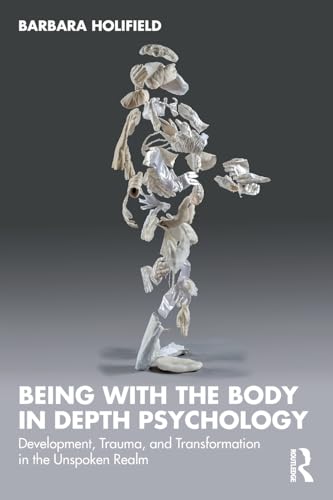
Being with the Body in Depth Psychology: Development, Trauma, and Transformation in the Unspoken Realm

by Barbara Holifield


A thoughtful guide to the way unspoken and unspeakable embodied knowledge shapes our actions and emotions. Full of theoretical insight and practical advice for paying closer attention to transformational possibilities of embodiment.

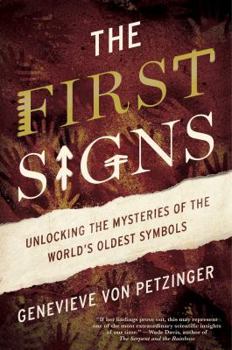
The First Signs: Unlocking the Mysteries of the World’s Oldest Symbols
by
Genevieve von Petzinger


The first in-depth study of the non-figurative, signs and symbols left on rocks and cave walls by our European ancestors 30,000 years ago. Her research raises fascinating questions about the origins of abstract thought and writing in a manner accessible to non-specialist.

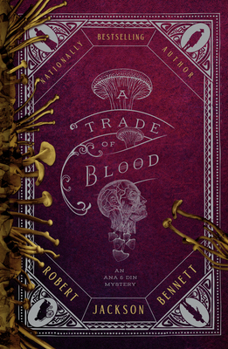
A Trade of Blood

by Robert Jackson Bennett


This is the long-awaited third book in the Ana and Din Mystery series. A great combination of genres: detective, science fiction, environmental fiction, and political intrigue. The magic and science of this speculative world is grounded in the science of botany of all things. Start with volume one in the series and enjoy.

Subscribe to Newsletter


Was this email forwarded to you? Sign up here to receive this newsletter directly.

LinkedIn