Lea nuestro boletín en español

Three Garden Projects We Love

When you think outside the “pot,” anything can become a garden. Here are some great gardening ideas using everyday, accessible materials. So much learning goes naturally into gardening – and it’s fun! Click HERE for more gardening ideas.

Stocking Caterpillar

Fill a nylon knee-hi stocking with potting soil. Make sure it is packed tightly. Tie the end of the stocking so the dirt doesn’t fall out. With a knife, cut slits along the stocking leg and sprinkle grass seed mix on top of the dirt, working it in gently with your fingers. Keep the stocking indoors by a sunny window on a tray so it’s easy to water and to prevent birds from eating the grass seed. Water the stocking regularly. When you have grass, add legs and antennae to your caterpillar with pipe cleaners and glue on pom-pom eyeballs.

Grass Person

Fill a Styrofoam cup with potting soil. Sprinkle one tablespoon of grass seed mix on top of the dirt. Cover the seeds with another thin layer of potting soil and water the soil until it feels barely moist. Decorate the outside of the cup with facial features using googly eyes, pom poms, shapes cut out of construction paper, or just colored markers. When the grass grows, you can give your person a “haircut” and the grass will grow back!

Toy Garden

A plastic kiddie pool makes a great, raised garden bed, and trucks, wagons, and anything else that can hold enough potting soil and a plant work, too. The more soil your toy holds, the more options you’ll have regarding what to plant. Succulents are great for small toys. Don’t grow anything edible in a plastic toy, though. The material is not food-grade.


Cool Off With Ice Pops

Frank Epperson popularized ice pops after patenting the concept of “frozen ice on a stick” in 1923. In 1924 he patented the word “popsicle” for all frozen confections on a stick.


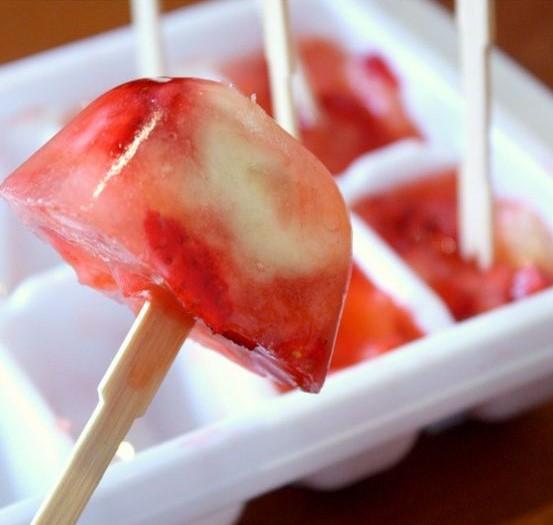
This recipe for ice pops is made with real fruit and juice. Because the pops are frozen in ice cube trays, they’re the perfect size for small mouths and hands, and a stick inserted in each ice pop creates an easy handle for your child to hold on to. Try the recipe HERE.


Our Favorite Outdoor Activities

Children with blindness or low vision learn best from real, hands-on experiences during familiar routines and outings. With warmer weather, you can explore the outdoors.


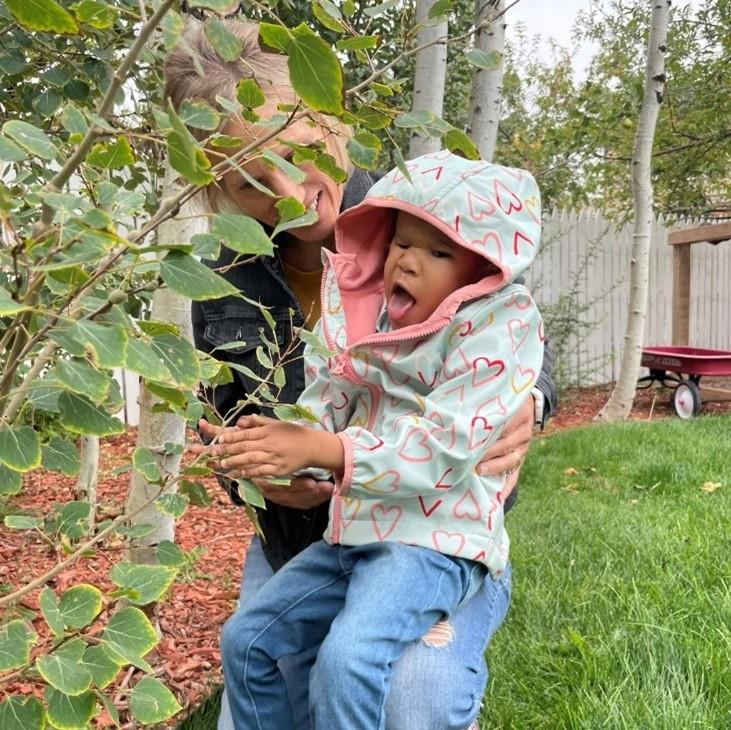
For example, when you’re visiting a park or playground, encourage your child to use their senses to experience the surroundings -- the smell of the grass, the rough tree bark, the squeaky swing, and the snack you brought that day. Narrating your day in the park out loud engages your child in the experience and helps them attach meaning to objects when sight isn’t available.


HERE are our ten favorite sensory experiences to do outside.

Ask the Expert -- What Is Hand Under Hand?

June 25 to July 1 is DeafBlind Awareness Week, which always occurs over Helen Keller’s birthday on June 27. “Hand under hand” is an important strategy that’s used with children who are blind or have a combined vision and hearing loss.


For children who are blind, deafblind, or have low vision, their hands are their eyes. Hand under hand is an invitation from a caregiver to a child to explore and learn together. It is the most respectful way to engage because it provides a sense of safety while giving the child the control to choose whether or not to join the activity.


In hand under hand, the adult puts their hand under the child’s hand and gently guides the child through an activity such as touching a new object or using a tool like scooping with a spoon. The child chooses whether to participate by either keeping their hands on the adult's or by pulling their hands away.


Giving a child the choice to participate in an activity promotes independence by allowing them to become an active learner rather than a passive participant.


Learn HERE about other strategies that help parents and caregivers build trusting relationships with children who are blind, deafblind, or have low vision.

A Shared Vision is a 501(c)(3) nonprofit and the leading provider of in-home and community early intervention vision services in Colorado. We inspire and empower families to nurture the development of their very young children who are blind or have low vision so that all children may discover their brightest future.

Share this email:
Facebook  Twitter  Instagram