|
Dear Colleagues,
I am thrilled to have Professor Richard Conway, Chair of the History Department, volunteer to write this week’s Murmurations. I encouraged him to share his work because it exemplifies the existing pockets of innovation in the college that we want to magnify and scale. We have several other similar initiatives across departments. By sharing them, we create a synergy between them, and stimulate more initiatives, thus realizing the vitality and distinct signature of the CHSS education.
Thank you Richard and see you all at the college meeting this afternoon.
Fatma
| |
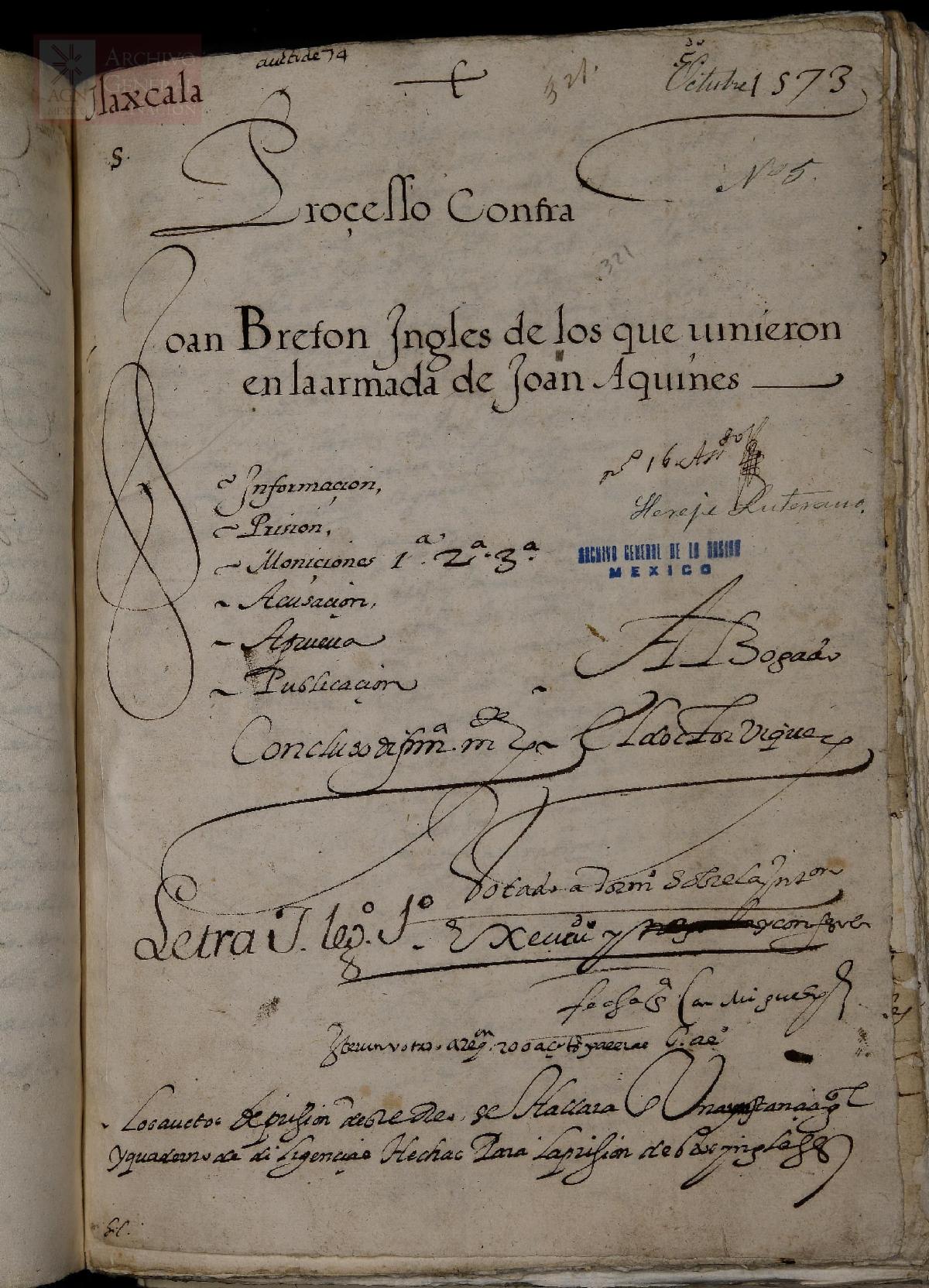
I’d like to thank the dean for kindly inviting me to tell you about a new history course I am offering this semester. It is designed to do several things at once: provide students with an opportunity to participate in a faculty-led research project; improve their digital literacy; explore the advantages and perils of using AI, and help students acquire hard skills and micro-credentials, all the while teaching them about the past. | | To do this, I am providing students with a fascinating corpus of historical documents from sixteenth-century Mexico. I gathered the sources from Mexico’s National Archives and the Library of Congress in Washington, D.C., thanks to Separately Budgeted Research funding. The documents come to us from the Inquisition, an ecclesiastical tribunal tasked with eradicating heretical beliefs from societies in parts of Europe and Latin America. Those prosecuted and persecuted by the Spanish Inquisition included Jewish and Muslim converts to Catholicism as well as Protestants, bigamists, dissenting intellectuals, and diviners, sorcerers, and witches, among others. | | Cover sheet of the Inquisition trial of John Breton, Mexico City, 1572. Source: Archivo General de la Nación, Mexico City, Ramo Inquisición, volume 53, file 5, folios 321 and 322. | | |
The course examines the history behind the myths of the Inquisition, which has long been infamous for its intolerance, fanaticism, and persecution—as one critic put it, “A court of darkness that dishonors even despotism.”1
The first half of the semester introduces students to the Inquisition. We trace the origins of the Inquisition, examine the differences between adversarial and inquisitorial legal systems, and scrutinize the Inquisition’s policies, procedures, and daily operations. Students explore how the Inquisition went about investigating and prosecuting suspects, how defendants contended with trials, and how wider society interacted with (or tried to steer clear of) the Inquisition. The goal here is to go beyond the myths and to examine the Inquisition critically: historians have long questioned whether it was an unusually cruel institution or if it had much in common with other criminal courts of the age.
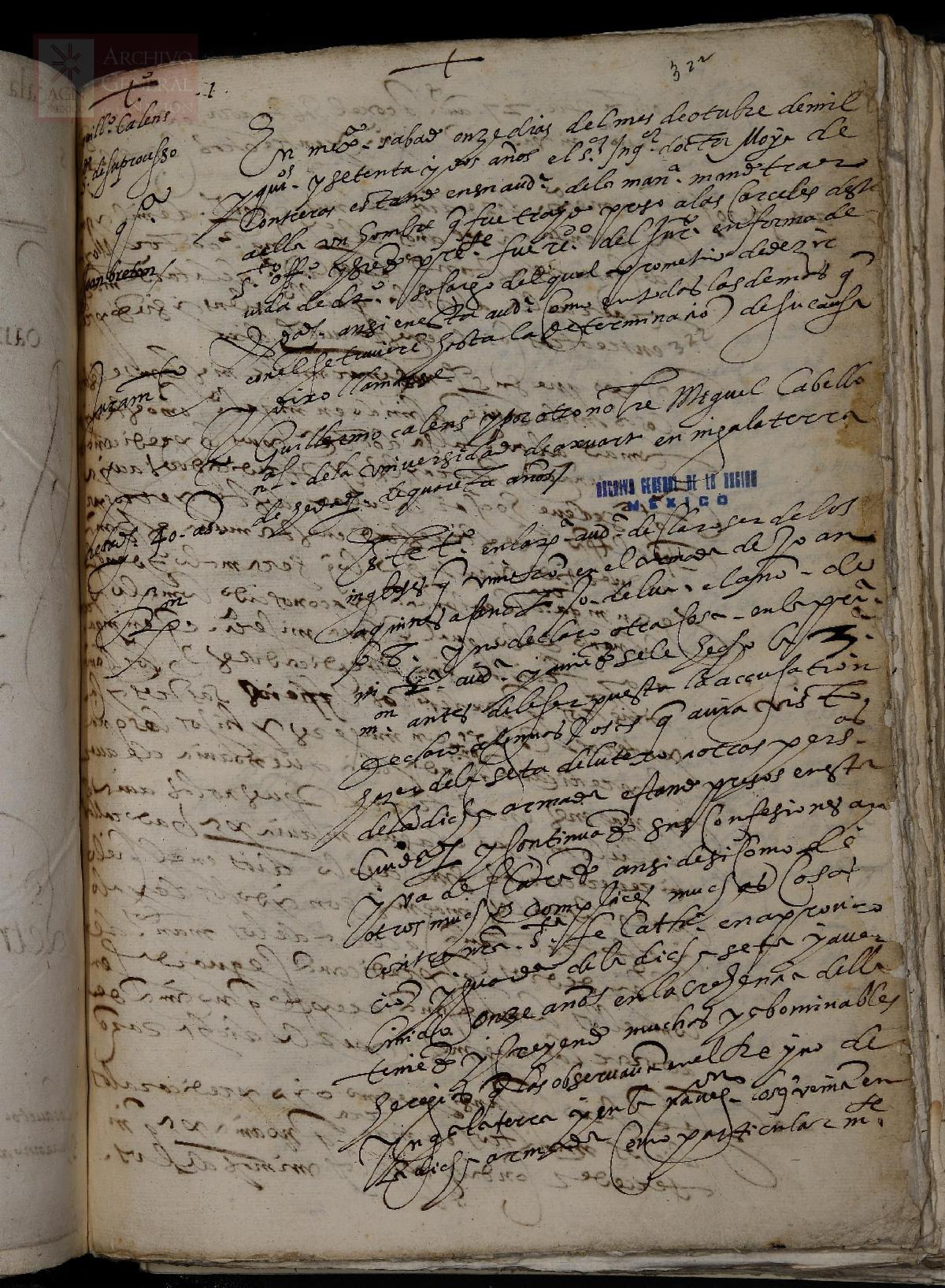
| | First page of the Inquisition trial of John Breton, Mexico City, 1572. Source: Archivo General de la Nación, Mexico City, Ramo Inquisición, volume 53, file 5, folios 321 and 322. | | The second half of the semester shifts to a series of experiential-learning workshops using a collection of trials of northern Europeans suspected of being Lutheran heretics. Students will each receive a complete Inquisition trial for their research. We will analyze the trials individually and collectively. Some classes will be entirely analogue, working with hard copies of the documents in a seminar format. Other sessions will make use of various digital technologies. In one week, we will create a spreadsheet to compile key details from the cases. (Because the Inquisitors wanted to know all about the defendants’ backgrounds and associates, as well as their beliefs and worldviews, the trials are incredibly rich in information, especially for individuals who were usually illiterate). | | |
Before creating their spreadsheets, the students will have taken an introduction to Google Sheets on Coursera, which will lead to a micro-credential certificate they can list on their résumés and include on their LinkedIn profiles.
Next, the students will take another Coursera micro-credential module on using databases (specifically Airtable). We will then create a common database using our spreadsheets, with data collected from all of the trials, to help us interpret them. Finally, we will use several AI applications to examine the documents. This will culminate in the use of Google’s Notebook LM software, which has the advantage of letting us select the sources to be used. Here we will upload our cases and utilize several software features, from the “mind map” application to the chat feature, which will allow students to search for information, much as we did with the database. We can then compare and contrast the information gathered from the use of AI, the database, and from our own, old-fashioned reading and discussion of the trials.
At the end of the semester, I hope students will have acquired several skills, come to understand several aspects of history better, and have gained a stronger sense of how digital and AI tools can – and cannot – help us in research and scholarly endeavors. In the future, I would like to make use of more digital tools, among them data visualization and GIS software, and ultimately incorporate them into our new advanced research methods course. Ideally, the students will present their research at this year’s CHSS research symposium.
Thank you,
Richard
[1] José Marchena Ruiz de Cueto, cited in Joseph Pérez, The Spanish Inquisition: A History, translated by Janet Lloyd (New Haven: Yale University Press, 2005), p. 97.
| | CHSS Faculty and Staff in the News |
-
Jason Williams (Justice Studies) is quoted in this NJ Spotlight News article about body-cam recordings that show a fatal New Brunswick police shooting; the article and quote were included in POLITICO’s New Jersey Playbook newsletter. Williams is also quoted in an article published by The Jersey Vindicator about a Bergen County corrections officer who left a loaded gun in a Jeep following an alleged drunken accident.
-
Emily Douglas (Social Work and Child Advocacy) was quoted in this Newsweek article about the use of corporal punishment in schools.
| Kudos is a space to celebrate one another—whether it’s expressing gratitude to a colleague, sharing milestones, or recognizing accomplishments and awards. Help us spotlight the people and moments that matter: send us your Kudos for an upcoming edition. | | | | |
Montclair Life: Championing Families, Chasing Dreams
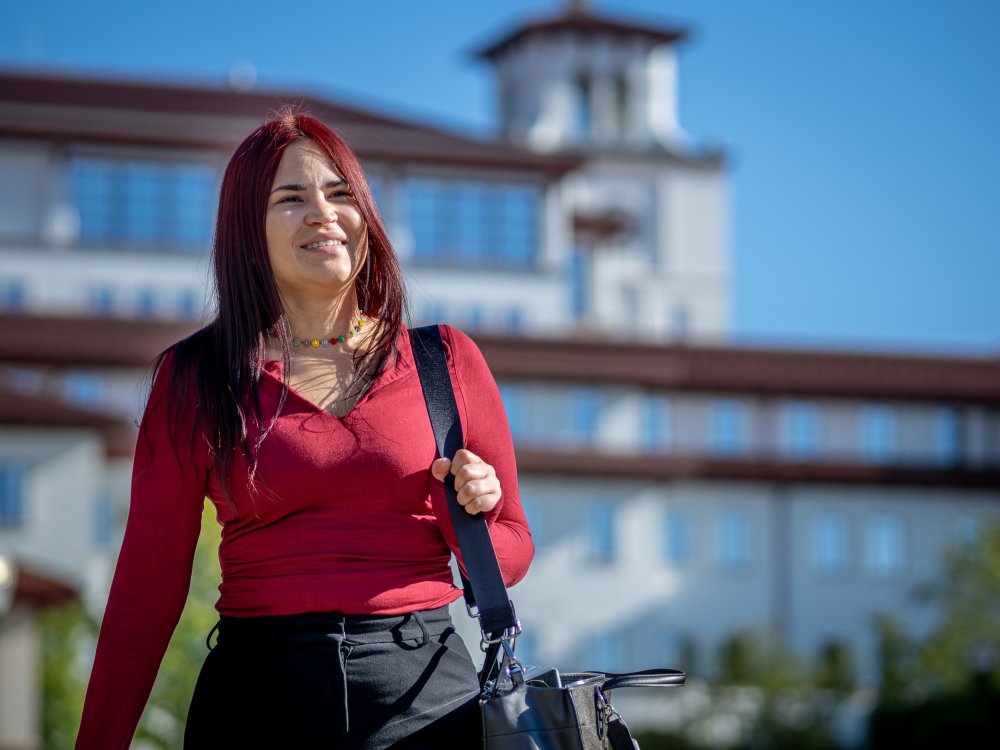
Oscaterin Bautista, double majoring in Child Advocacy and Policy and Family Science and Human Development, allowed the University to document her daily journey – from early morning study sessions, to raising her children, to her work as a family advocate.
| | |
CHSS College Meeting, Monday, September 15, 2-3:30 p.m., Brantl Hall, Dickson Hall. See you there!
University College is excited to invite CHSS departments to participate in two impactful events this fall: Major Kickoff, part of Academic Exploration Week (Pre-Major Welcome Week), and Crash-a-Class, a signature program returning later in the semester. Registration for both events closes on Monday, September 15.
Major Kickoff (Formerly Major Madness)
Plan to bring faculty, staff and/or students to represent your major and create a table that is interactive and welcoming!
Monday, September 29, 1 - 3 p.m.
Student Center
Registration ends TODAY!
Crash-a-Class
Week of October 13
Give students the opportunity to explore courses and majors from inside the classroom and gain insight into academic life across disciplines!
Find details and registration information here.
| | | | |