|
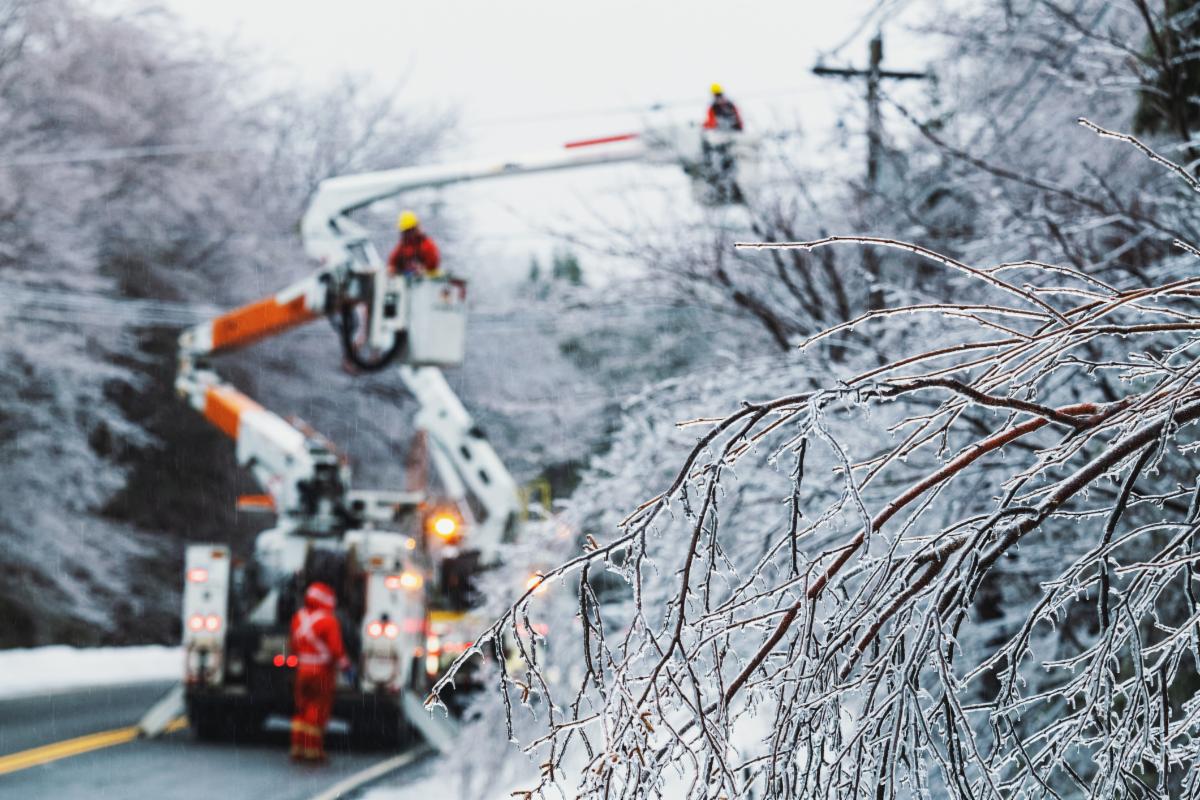
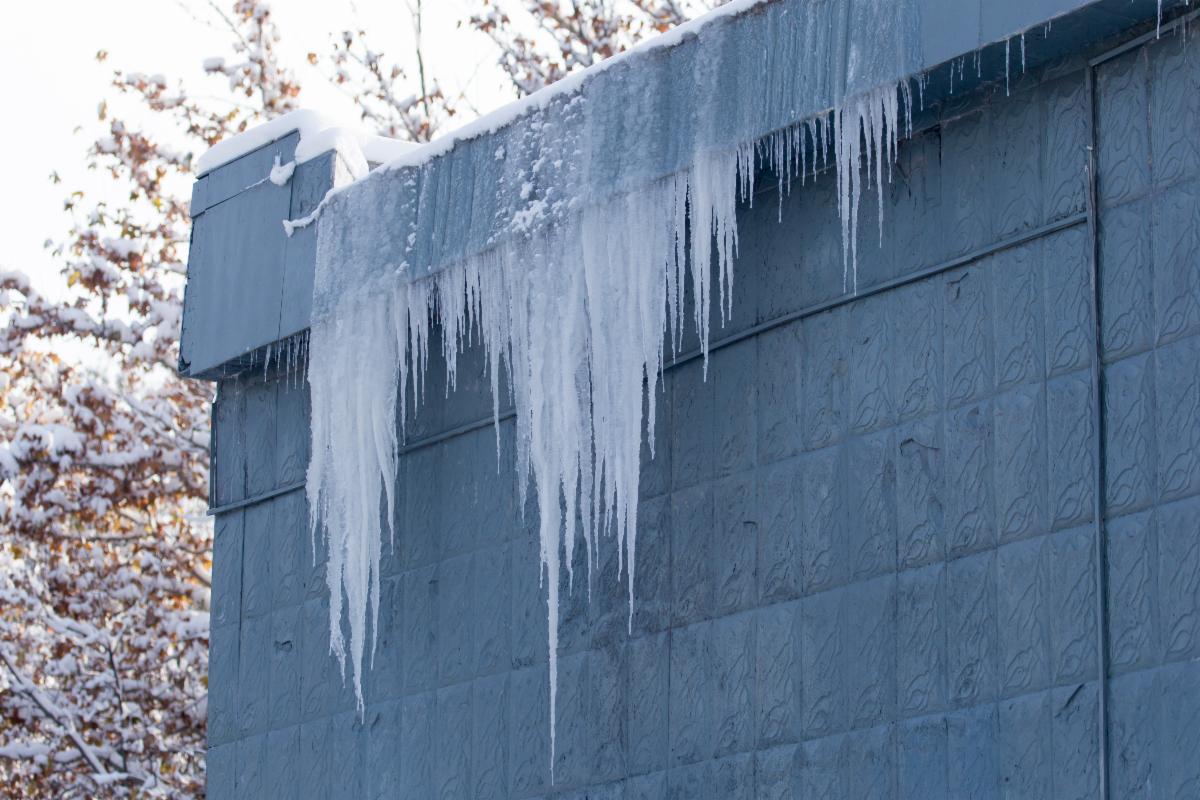
Following the aftermath of the recent ice storm, it’s essential for employers and workers to remain vigilant about hazards caused by ice accumulation and falling debris. Ice build-up on buildings, equipment, vehicles, power lines, trees, and other structures poses a serious risk, while slippery conditions increase the likelihood of slips, trips, and falls. Additionally, damaged trees and ice-laden branches can break unexpectedly, and downed or compromised power lines create significant electrical hazards.
To maintain a safe workplace, employers should conduct a thorough hazard assessment to identify and mitigate potential risks, including:
-
Falling ice hazards – Inspect roofs, overhangs, scaffolding, and structures for ice accumulation that could break loose and cause injury.
-
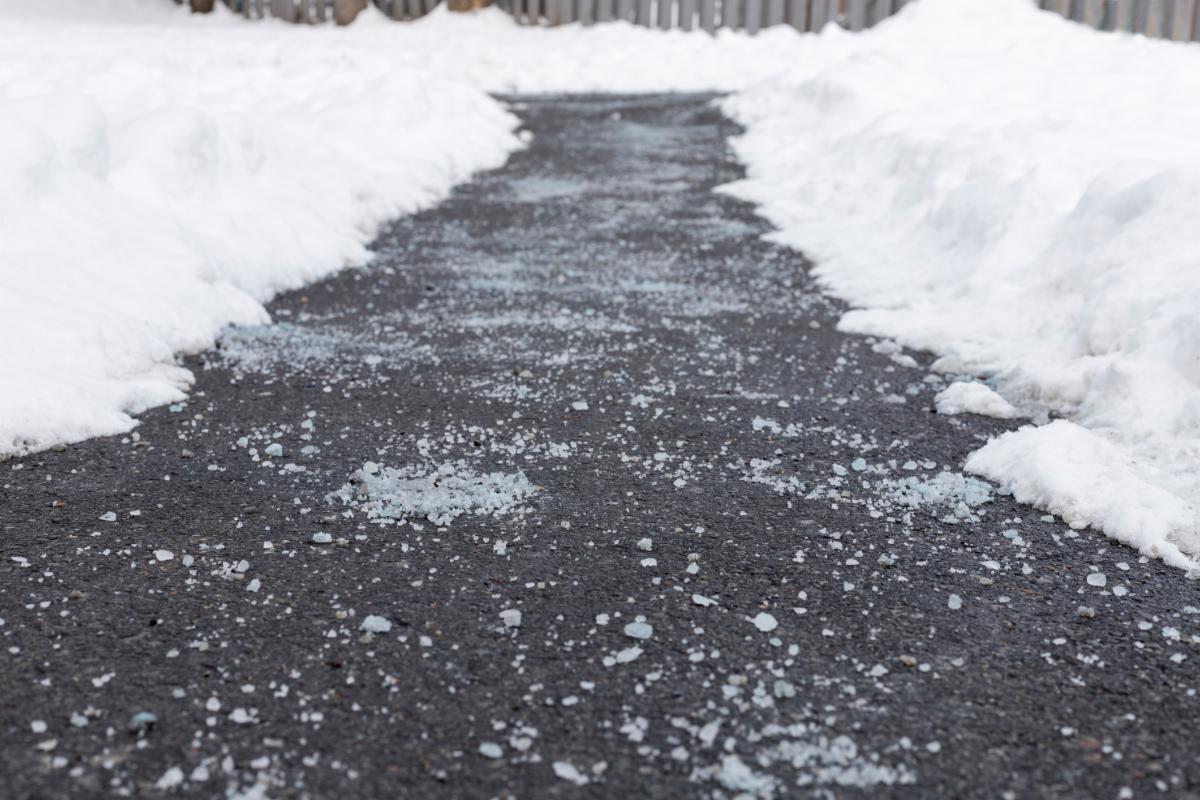
Slippery conditions – Assess walking surfaces, entrances, and roadways for ice. Use sand, salt, or other traction aids as necessary.
-
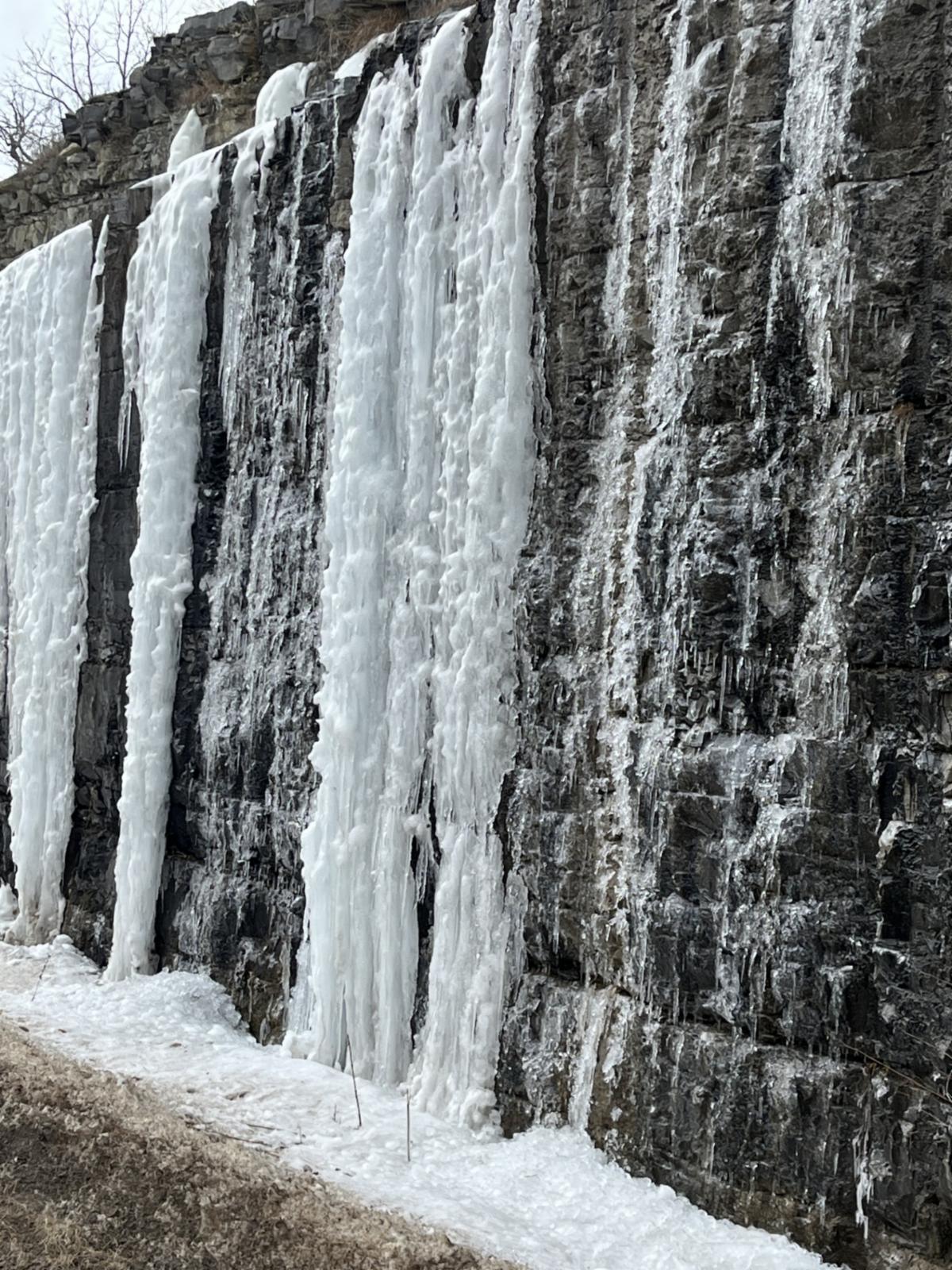
Excavation safety – Be mindful of unstable ground conditions and falling ice from the side of excavations due to ice and thawing. Implement protective measures as needed.
-
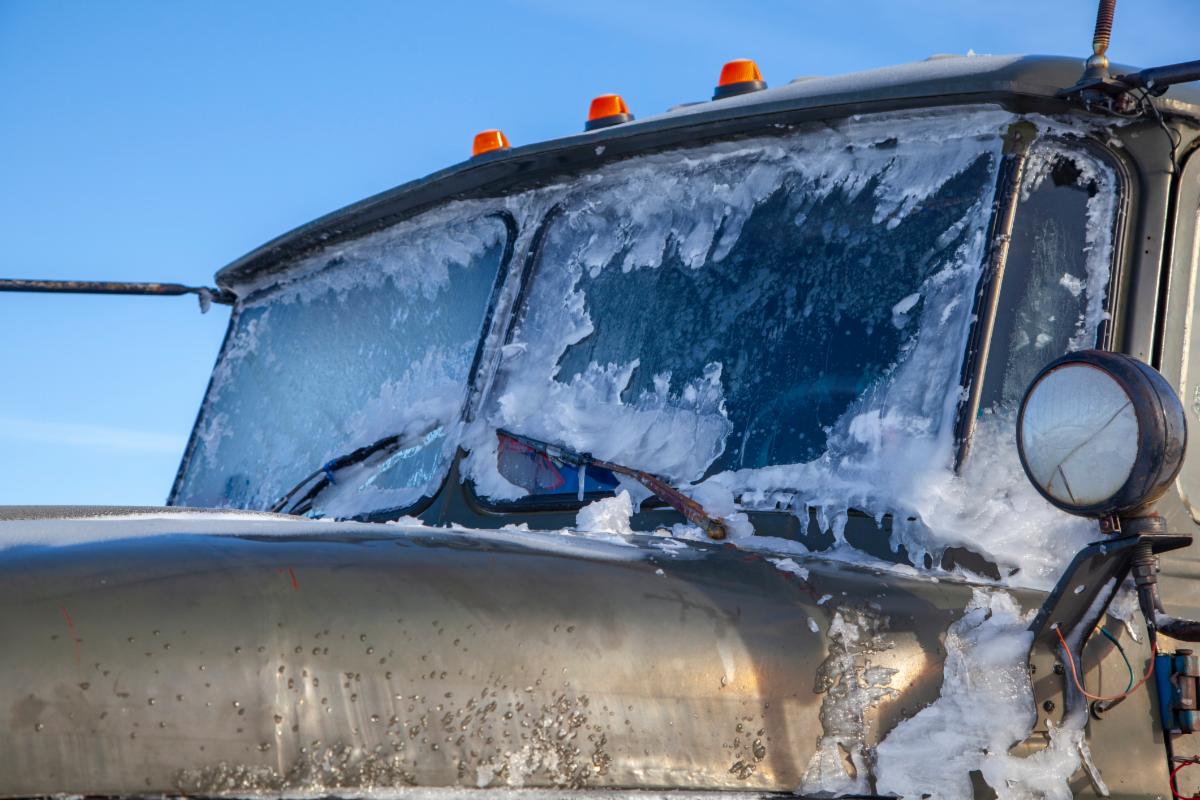
Equipment & vehicle safety – Remove ice from vehicles, cranes, and heavy equipment before operation to prevent hazards from shifting or falling debris.
-
Worker protection – Ensure workers have proper PPE, such as slip-resistant footwear and cleats.
-
Tree and branch hazards – Identify and remove unstable or ice-laden branches that could fall and cause injury. Avoid working under or near heavy tree limbs.
-
Powerline safety – Treat all downed or sagging power lines as energized. Maintain a safe distance, report hazards immediately, and contact local authorities or the utility provider if power lines are damaged.
Action Required:
- Inspect workplaces and job sites for ice-related hazards.
- Implement necessary controls to reduce risks.
- Encourage workers to report hazardous conditions immediately.
- Ensure safe work practices when working near trees and power lines.
Taking proactive steps to manage these risks will help prevent injuries and keep everyone safe. For additional resources on hazard assessments and workplace safety, visit IHSA's resources on Workplace Hazard Assessment and Control.
|