Lowering Dementia Risk -- Alzheimer's Drugs Ultrasound Tool --Chautauqua County Dementia Caregiver Support Groups -- Vitamin D Intake May Reduce Cancer Mortality -- Wound Care Summit -- Data Corner

Pictures not showing? Click "Download Images" or click here to view as webpage.

New Study Finds 6 Ways to Slow Memory Decline and Lower Dementia Risk


A new study of more than 29,000 older adults has identified six habits — from eating a variety of foods to regularly reading or playing cards — that are linked with a lower risk of dementia and a slower rate of memory decline.


Eating a balanced diet, exercising the mind and body regularly, having regular contact with others, and not drinking or smoking — these six “healthy lifestyle factors” were associated with better cognitive outcomes in older adults, in a large Chinese study conducted over a decade and published in the BMJ recently.


While researchers have long known that there is a link between dementia and factors such as social isolation and obesity, the size and scope of the new study adds substantial evidence to a global body of research that suggests a healthy lifestyle may help brains age better.


It also suggests that the effects of a healthy lifestyle are beneficial even for people who are genetically more susceptible to memory decline — a “very hope-giving” finding for the millions of individuals around the world who carry the APOEε4 gene, a major risk factor for Alzheimer’s disease, said Eef Hogervorst, chair of biological psychology at Loughborough University, who was not involved in the study.


Memory naturally declines gradually as people age. Some older people may develop dementia, an umbrella term that can include Alzheimer’s, and generally describes a deterioration in cognitive function that goes beyond the normal effects of aging. But for many, “memory loss can merely be senescent forgetfulness,” write the authors of the BMJ study — like forgetting the name of that TV program you used to love, or that pesky fact you wanted to look up.

Alzheimer's Drugs Might Get into the Brain Faster with New Ultrasound Tool, Study Shows

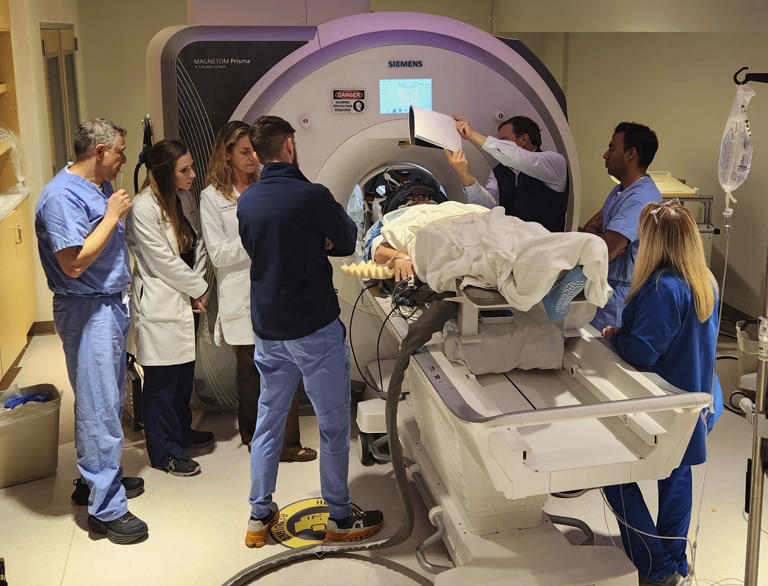
Scientists have found a way to help Alzheimer’s drugs seep inside the brain faster — by temporarily breaching its protective shield.


The novel experiment was a first attempt in just three patients. But in spots in the brain where the new technology took aim, it enhanced removal of Alzheimer’s trademark brain-clogging plaque, researchers reported Wednesday.


“Our goal is to give patients a head start,” by boosting some new Alzheimer’s treatments that take a long time to work, said Dr. Ali Rezai of West Virginia University’s Rockefeller Neuroscience Institute, who led the study.


At issue is what’s called the blood-brain barrier, a protective lining in blood vessels that prevents germs and other damaging substances from leaching into brain from the bloodstream. But it also can block drugs for Alzheimer’s, tumors and other neurologic diseases, requiring higher doses for longer periods for enough to reach their target inside the brain.


Now scientists are using a technology called focused ultrasound to jiggle temporary openings in that shield. They inject microscopic bubbles into the bloodstream. Next, they beam sound waves through a helmetlike device to a precise brain area. The pulses of energy vibrate the microbubbles, which loosen gaps in the barrier enough for medications to slip in.


For the full article click here: Alzheimer's drugs might get into the brain faster with new ultrasound tool, study shows (msn.com)


Chautauqua County Dementia Caregiver Support Groups


Fredonia Place

​50 Howard Street, Fredonia, NY 14063

4th Thursday of every month, 4:30 pm

​Phone: 716-679-2250


Chautauqua Opportunities Alzheimer's Services

402 Chandler Street, 2nd floor training room

Jamestown NY 14701

4th Tuesdays of every month (only 3 months left!)


Fluvanna Community Church 

3363 Fluvanna Avenue Ext, Jamestown, NY 14701

​3rd Thursday of every month, 5:30 pm

​​Phone: 716-484-0553


North County Dine-N-Dish

*Restaurant location changes monthly- Fredonia

2nd Tuesday of every month, 9:30 am

Call Jennifer Ellman at the OFA at 716-753-4781 for information. 

Vitamin D Intake ‘May Reduce Cancer Mortality in the Population by 15%’

Taking regular Vitamin D supplements may reduce cancer deaths in the population by 15%, according to scientists.


Data gathered from the UK Biobank, an online database of medical and lifestyle records of around 500,000 Britons, indicates vitamin D deficiency is linked to an increased cancer mortality risk – particularly in relation to bowel, stomach, prostate, and lung cancers.


The researchers said their work, published in Elsevier’s European Journal of Cancer, adds to evidence that vitamin D may have a protective effect against cancer.


While the findings do not explain why this happens, the team said one possibility is that vitamin D supplements may induce anti-inflammatory, antioxidant, and DNA damage repair mechanisms, which can thwart mutations that allows tumors to grow.


Study author Ben Schottker, an epidemiologist at the German Cancer Research Centre, said: “Our findings identified a statistically significant relationship between vitamin D deficiency and increased mortality among several cancers.


“These results can be explained by other studies, which found mechanisms by which vitamin D inhibits cancer growth and metastasis.”


The NHS advice is that adults and children over four take a daily supplement containing 10 micrograms of vitamin D throughout the year.


For the article in its entirety click here: Vitamin D intake ‘may reduce cancer mortality in the population by 15%’ (msn.com)

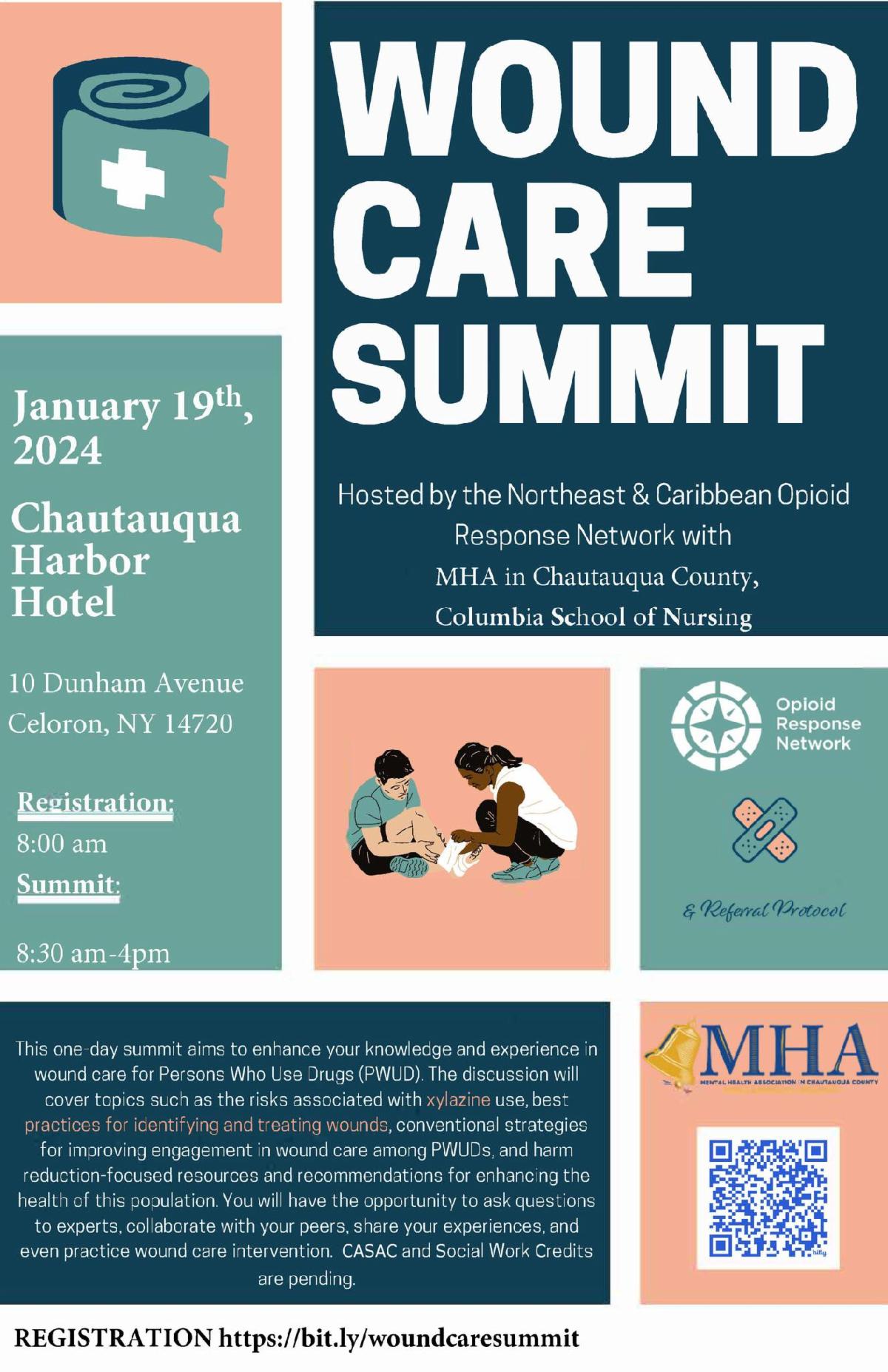
Wound Care Summit Hosted by Mental Health Association

Data Corner: Addressing Dementia in Chautauqua County

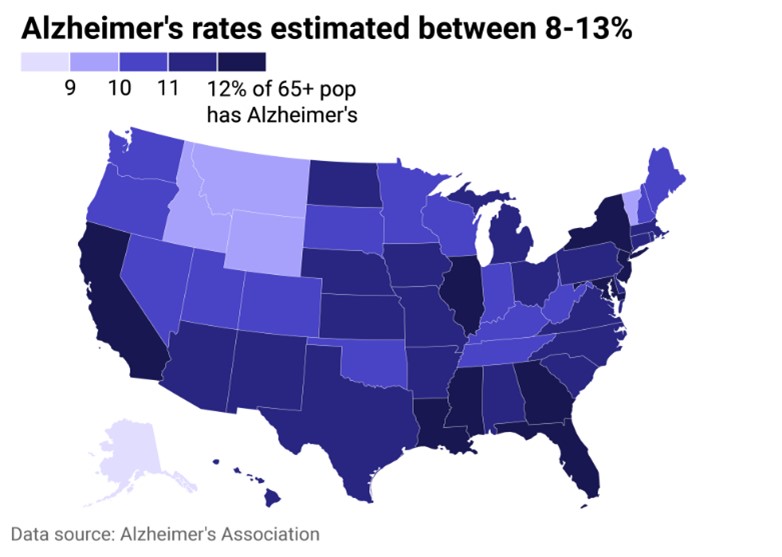
In Chautauqua County, Alzheimer's disease affects approximately 10.9% of our senior population, translating to about 2,900 individuals. This figure, while below the New York State average of 12.7%, signifies a pressing need for targeted dementia care and support in our community. 


As healthcare coordinators and practice managers, understanding and addressing this challenge is critical. Our role in facilitating effective referrals and care is key to improving the quality of life for those affected. Local resources available for dementia care include caregiver support programs, specialized healthcare services, and educational opportunities for healthcare professionals. These resources are crucial for enhancing our capacity to provide comprehensive support and care.


Our collaborative efforts in utilizing these resources can significantly impact the lives of individuals and families dealing with dementia. Let's continue to work together, leveraging our network and expertise, to improve dementia care in Chautauqua County.


Did someone forward this to you?

We want to keep in contact. Please consider signing up on our mailing list. Keep up to date with health workforce development information when you add your name to our growing list.

Sign up here

Do you have care coordinator news?


Let us know about your program, event or best practice we can share with our regional list. We would love to highlight your good work.


Did you initialize a new practice that is working well? An unsung partner? Any compliance issue bite you recently that we could all benefit from? Share the knowledge!


Email us at the link below.

Email us!

This e-newsletter is for anyone in, and interested in, care coordination and accountable referral Chautauqua County. We'll look at resources and educational opportunities in the area with the goal of increasing care coordination, wellness and overall quality of life in the Southern Tier; please forward this email freely!


Your feedback is important. Drop us a line and let us know what you want to hear more about.

Issue 2401