Why are ERs Swamped? -- Movember: Raising Awareness for Men’s Health -- Supporting Caregivers in Our Community -- November is Diabetes Awareness Month: Supporting Patients Through Holiday Health Challenges -- Preventing Provider Burnout and Enhancing Team Resilience 

Pictures not showing? Click "Download Images" or click here to view as webpage.

Why are ERs Swamped? 

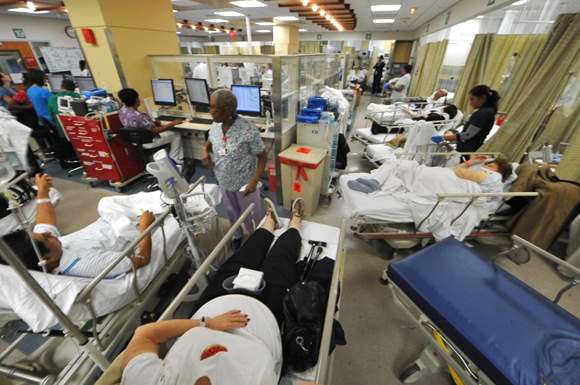
Emergency rooms are the front door to the U.S. healthcare system. A combination of systemic issues converge in ERs, leading to long wait times and inefficiencies for patients. 


Nationwide, the average ED visit was 2 hours and 42 minutes from April 2022 through March 2023, according to CMS data. That's up from 2 hours, 35 minutes in 2021, and 2 hours, 18 minutes in 2014. In Washington, D.C., wait times reached a national high of over 5 hours. 

What factors contribute to lengthy ER wait times and visits? Here are some key considerations, though this list is not exhaustive: 


1. The shortage of primary care physicians pushes patients to the ER for non-emergent care. This shortage, which dates back decades, shows no signs of easing. By 2033, the U.S. could face a deficit of 21,000 to 55,000 PCPs. With over 100 million Americans struggling to access primary care, the ER often becomes the default option for medical attention. This brings a host of health needs through the ER doors that could be treated in lower-acuity, more cost-effective settings if there were better access to PCPs.  


2. Intensifying behavioral and mental health needs strain the system further. ED visits for mental health and substance-use issues have been on the rise for years. From 2011 to 2020, mental-health related ER visits soared for children, adolescents and teens, adding pressure on already overwhelmed emergency departments. It's now not uncommon for teenagers to spend nights waiting in ERs, sometimes for days, as they await openings in the appropriate treatment programs. Pre-pandemic, one study out of UCSF found that ED visits made by adults with alcohol and substance use disorders increased by 30% in the pre-pandemic years of 2014 to 2018.  


"The public has increasingly complex health issues, such as delayed diagnoses without primary care, substance use and mental health," Christopher Kang, MD, former president of the American College of Emergency Physicians, told Becker's in 2023. "These issues have been ignored now for 20 to 30 years, in addition to boarding." 


3. ER boarding is exacerbated by limited inpatient bed capacity. Boarding occurs when patients are held in the emergency department after admission to the hospital because no inpatient beds are available. Any emergency patient can end up boarded, regardless of condition, age, insurance status or location. Those in mental health crises can be left waiting for months in overcrowded ERs, hoping for an available psychiatric inpatient bed.  

Last year, ED boarding reached a point where ACEP led the call to declare this crisis a public health emergency, joined by numerous medical associations and patient groups. Earlier this year, monthslong boarding problems in Massachusetts hospitals intensified to a point where the state health department declared parts of the state "high risk" due to hospitals operating at max capacity and dozens of patients spending the first night of their hospitalization in the ED on a daily basis.  


4. Staffing imbalances hinder efficient patient flow. While primary and emergency medicine physicians might be the most obvious places to examine for shortages, ER visits are complicated by weak spots through the continuum of the roles and workers needed to move patients through the system efficiently. This includes nurses, on-call specialists, technicians and support staff. An insufficient combination of staff — not only a shortage of any single role — contributes to inefficient throughput in the ER. The ability to efficiently move patients through the system hinges on having the right mix of staff to handle the diverse and unpredictable range of cases. 


5. The wide range of patient acuity complicates triage. Triage staff quickly assess and prioritize patients based on the severity of their conditions. This process sets the stage for the entire clinical visit.  


Mistriage is a real risk in ERs. One study based on 5 million patient visits at Kaiser Permanente Northern California emergency departments found the emergency severity index — a triage method used by more than ⅔ of hospitals in the U.S. — underestimated the severity of patient conditions 3% of the time and overestimated severity about 25% of the time.   

Emergency rooms are already rife with nonlinear processes, frequent interruptions and constant re-prioritization of tasks. When the acuity spectrum of patients in the ER spans from minor issues like sprains or colds to life-threatening emergencies such as heart attacks or severe mental health episodes, the triage process operates under even greater pressure, making it increasingly difficult to efficiently allocate scarce resources. 


6. ER environments can be deceiving, obscuring how swamped they really are. Not long ago, headlines captured the story of a nurse who dialed 911 for help from her own overcrowded ER, which had become so packed it resembled a busy airport gate. Across the U.S., many ER waiting rooms and hallways appear visibly crowded. Yet the real issue isn't always about space — it's about staffing.  


Overcrowding is frequently misinterpreted as a matter of physical capacity, when the root cause is often a shortage of personnel. Even in an ER that looks quiet, insufficient staff, unavailable specialists, or overextended nurses and physicians can lead to significant delays. These less visible factors can slow patient flow, resulting in long waits, care backlogs and a strained ER — no matter how many empty seats there might be in the waiting room. 


7. The outlook for emergency medicine recruitment is also concerning. Traditionally, the specialty has maintained a stable pipeline with few unfilled residency slots. However, in 2022, one in four emergency medicine residency programs had unmatched positions, nearly 8% of available slots. This situation deteriorated in 2023, with the number of unfilled positions reaching 554 — over 18% of all offered slots — affecting nearly half of residency programs nationwide. Although most of these positions were filled later during the Supplemental Offer and Acceptance Program, the trend raised concerns about the specialty's stability and appeal. In 2024, emergency medicine had 3,026 positions, filling 2,891 of them for a 95.5% fill rate, an increase of 13.9 percentage points from the previous year. 

Why are ERs swamped? (beckershospitalreview.com) 

Movember: Raising Awareness for Men’s Health 

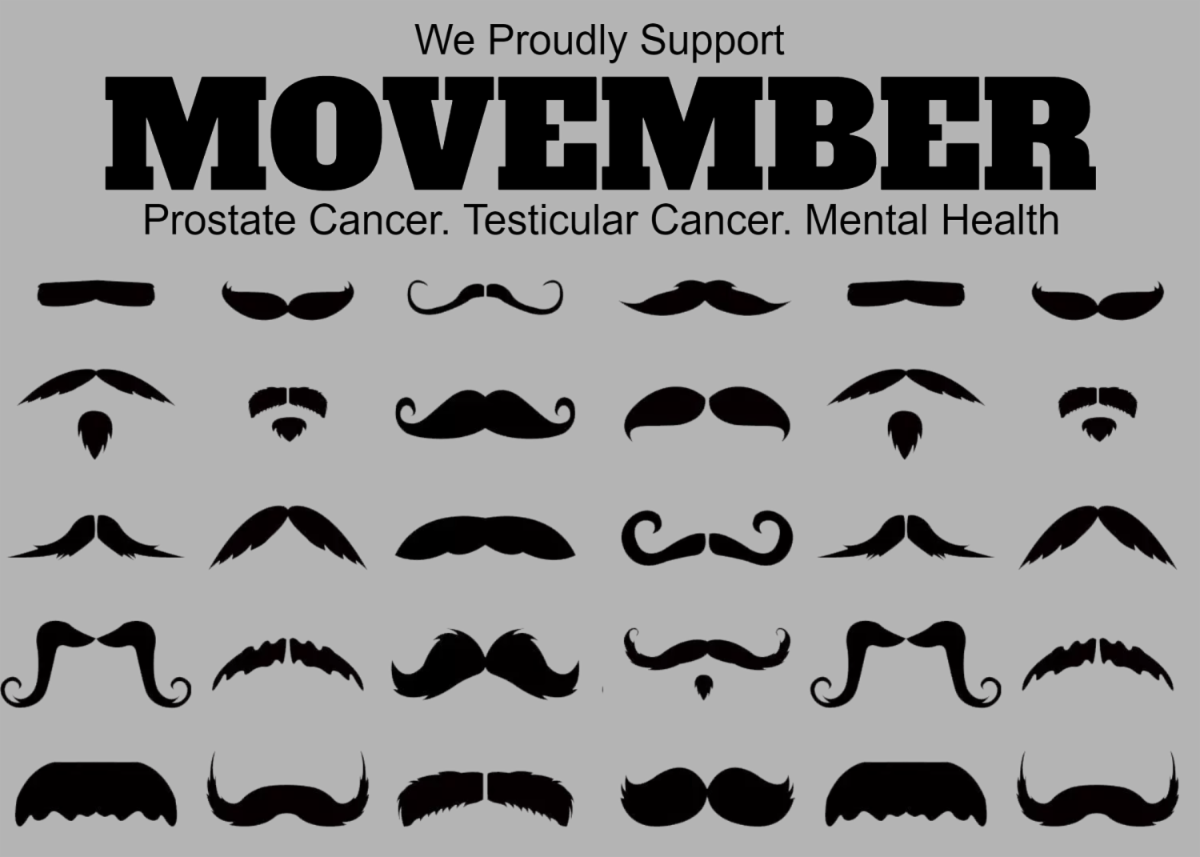
Movember is an annual global initiative that encourages men to grow mustaches during the month of November to raise awareness and funds for men’s health issues, specifically prostate cancer, testicular cancer, and mental health. This movement, which started in 2003, is now recognized worldwide and has helped shed light on the unique health challenges men face. As healthcare providers, care coordinators, and professionals, you play a vital role in supporting this cause by promoting early detection, preventive care, and providing essential health education to male patients. 


Prostate cancer is one of the most common cancers affecting men, particularly those over the age of 50. Testicular cancer, though more common in younger men, can also be detected early with regular self-exams. Movember serves as a reminder for healthcare providers to encourage male patients to prioritize their health by scheduling routine screenings and understanding the early warning signs, such as changes in urination or unusual lumps. By taking these small but significant steps, providers can help improve early diagnosis rates and ultimately save lives. 


Mental health is another cornerstone of the Movember initiative. Many men face mental health challenges such as depression, anxiety, and post-traumatic stress but often hesitate to seek help due to societal stigma. Movember encourages open conversations about mental health, and healthcare professionals are in a prime position to break down barriers, offering support and connecting patients to the resources they need. By promoting both physical and mental health awareness this Movember, you can empower your patients to take control of their overall well-being, making a meaningful impact on their lives. 


Supporting Caregivers in Our Community 

Family caregivers play a vital role in managing complex medical needs, coordinating care, and providing emotional support, often while balancing work and personal responsibilities. Healthcare providers and care coordinators can help by identifying signs of caregiver burnout, offering resources for respite care, and guiding caregivers toward support services, including counseling and support groups. Ensuring that caregivers have access to information and assistance is essential to improving the health and well-being of both the caregiver and the person they care for. 


Community-based organizations (CBOs) are also crucial in supporting caregivers, offering education, resources, and connections to local services. Through collaboration with healthcare providers, CBOs can provide caregivers with tools to manage the day-to-day challenges of caregiving, such as workshops on stress management, legal assistance for healthcare planning, and connections to respite care services.


As we observe National Family Caregivers Month, it’s important to acknowledge that supporting caregivers not only helps them but also contributes to better health outcomes for their loved ones. Together, healthcare providers, care coordinators, and CBOs can create a network of support that empowers caregivers and strengthens the overall care ecosystem. 


November is Diabetes Awareness Month: Supporting Patients Through Holiday Health Challenges  

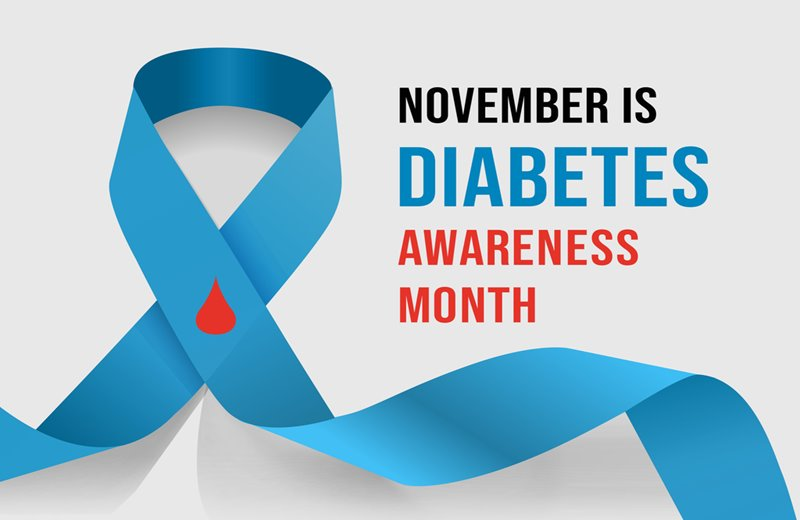
November is Diabetes Awareness Month, healthcare providers, care coordinators, and other professionals have a vital role to play in supporting patients, especially during the holiday season. With diabetes affecting millions of Americans, many of whom struggle with managing their condition, now is an ideal time to focus on prevention, early detection, and effective care management. Healthcare teams can make a significant impact by ensuring patients receive regular screenings, educating them on lifestyle changes, and addressing the unique challenges that come with diabetes, particularly during the holiday season. 


Thanksgiving can be a difficult time for patients managing diabetes, as many traditional holiday foods can cause blood sugar spikes. Dishes like mashed potatoes, stuffing, cranberry sauce, and desserts such as pumpkin pie are high in carbohydrates and added sugars, posing a risk for those with diabetes. Healthcare professionals should work closely with their patients to provide education on how to navigate holiday meals in a way that supports their health. Recommending alternatives such as roasted vegetables, sugar-free desserts, or portion control strategies can help patients enjoy the holiday without compromising their diabetes management. 


Care coordinators and healthcare teams can offer valuable support by encouraging patients to plan ahead, stay active, and maintain their usual medication schedules during the holidays. Providing practical tips such as balancing carbohydrate-heavy meals with protein and fiber, staying hydrated, and monitoring blood sugar levels regularly can help patients avoid post-meal spikes. By using Diabetes Awareness Month to provide education and resources, healthcare professionals can empower their patients to manage their diabetes effectively while still enjoying the holiday season. 


Preventing Provider Burnout and Enhancing Team Resilience  

In the demanding world of healthcare, burnout remains a significant challenge for providers, nurses, care coordinators, and other team members. Long shifts, high patient volumes, and the emotional toll of providing care can lead to exhaustion, disengagement, and even physical health problems. Burnout not only impacts individual well-being but can also lead to decreased quality of patient care. Recognizing the signs early—such as fatigue, irritability, and feeling disconnected from work—can be a first step toward implementing meaningful interventions. Addressing these signs helps create a workplace that values mental health and encourages open conversations about stress and workload management. 


To foster resilience, healthcare organizations are adopting holistic approaches to support their teams. From implementing peer support groups and offering mental health resources to reducing administrative burdens, these initiatives help alleviate common stressors. Team-based approaches that promote collaborative problem-solving can also be highly effective, allowing staff to share challenges and solutions together. Additionally, leadership that is attentive and responsive to the needs of their teams plays a critical role. By prioritizing self-care, fostering supportive work environments, and encouraging open communication, healthcare teams can build resilience, improve morale, and ultimately deliver better patient care. 


Did someone forward this to you?

We want to keep in contact. Please consider signing up on our mailing list. Keep up to date with health workforce development information when you add your name to our growing list.

Sign up here

Do you have care coordinator news?

Let us know about your program, event or best practice we can share with our regional list. We would love to highlight your good work.


Did you initialize a new practice that is working well? An unsung partner? Any compliance issue bite you recently that we could all benefit from? Share the knowledge!


Email us at the link below.

Email us!

This e-newsletter is for anyone in, and interested in, care coordination and accountable referral Chautauqua County. We'll look at resources and educational opportunities in the area with the goal of increasing care coordination, wellness and overall quality of life in the Southern Tier; please forward this email freely!


Your feedback is important. Drop us a line and let us know what you want to hear more about.

Issue 2411