Take the Chautauqua County Community Health Survey Today! -- Register for Care Coordination Training -- January is National Blood Donation Month: A Lifesaving Opportunity -- The Importance of a Diabetes Eye Exam: Protecting Your Vision and Kidney Health -- Care Coordination in 2025: A New Era of Connected Care -- Six Heart-Healthy Foods You Should be Eating in January
| |
Take the Chautauqua County Community Health Survey Today! | |
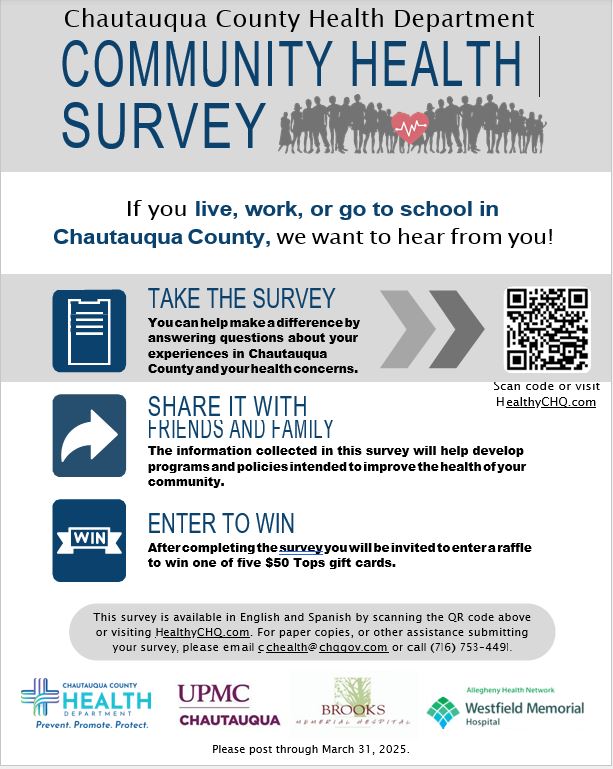
The Chautauqua County Health Department is launching its 2025 Community Health Assessment (CHA) and Community Health Improvement Plan (CHIP). These initiatives are essential for identifying the county’s health priorities and directing resources where they are needed most. Your input is crucial in shaping these plans. By participating in the Community Health Survey, you can share your experiences and health concerns, helping to improve the wellness of your community. The survey is available in English and Spanish, and as a bonus, participants will be entered into a raffle to win one of five $50 Tops gift cards.
We encourage everyone to take the survey and share it with friends, family, and colleagues. Healthcare providers can amplify this effort by posting flyers in their offices, discussing the survey with patients, and promoting it on social media. To participate, scan the QR code on the flyer, visit HealthyCHQ.com, or call (716) 753-4491 for assistance, including printed copies or phone submissions. Together, we can make a difference in the health of Chautauqua County. Don’t wait — complete the survey today at https://form.jotform.com/243515847472160.
| |
Register for Care Coordination Training | |
|
Interested in receiving a Care Coordination training certificate?
The Southern Tier West Health Workforce Partnership is now looking for participants to enroll in Care Coordination training cohorts.
A free, online asynchronous (self-paced) option is now available. This asynchronous program is accessible at any time and allows you to not only be flexible but learn and progress at your own pace.
In addition, a synchronous (live) option is available and will begin on Feb. 24.
These training programs offer valuable resources and tools to help improve patient outcomes and experience, better manage chronic conditions, and foster healthier communities as a whole.
To learn more about these opportunities or to enroll, please reach out to Kylea Andreano at kylea.andreano@chq.health.
| |
January is National Blood Donation Month: A Lifesaving Opportunity | |
|
January marks National Blood Donation Month, a time to recognize the critical role blood donations play in saving lives and improving health outcomes. During the winter months, blood supplies often run dangerously low due to seasonal illnesses, inclement weather, and holiday distractions. Yet, the need for blood is constant. Every two seconds, someone in the United States requires a blood transfusion, whether due to trauma, surgery, cancer treatment, or chronic illness. As healthcare providers, nurses, care coordinators, and community-based organizations, we have a unique opportunity to advocate for this vital cause, ensuring that our patients and communities receive the lifesaving care they need.
Blood donations not only help save lives in emergencies but also provide hope for those battling long-term health conditions such as sickle cell anemia or severe anemia. One donation can save up to three lives, underscoring the profound impact of this simple act. Encouraging blood donation within your networks, whether through educational campaigns, hosting blood drives, or sharing resources from organizations like the Red Cross, helps reinforce the importance of a robust and readily available blood supply. Together, we can empower individuals to donate, build healthier communities, and ensure that no patient in need goes without this essential resource. Let’s start the year strong by supporting blood donation efforts and making a difference, one pint at a time.
| |
The Importance of a Diabetes Eye Exam: Protecting Your Vision and Kidney Health | |
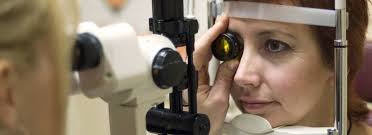
For individuals living with diabetes, an annual eye exam is a critical step in managing overall health. Diabetes can cause damage to the small blood vessels in the retina, a condition known as diabetic retinopathy. This condition is the leading cause of blindness among adults, but early detection through a dilated eye exam can prevent or delay vision loss. Regular eye exams are more than just a way to protect your eyesight—they offer an important window into your overall health, providing clues about the potential impact of diabetes on other organs, such as the kidneys.
The connection between your eyes and kidneys lies in the vascular system. Diabetes affects small blood vessels throughout the body, and the same damage seen in the retina can also occur in the kidneys, leading to diabetic nephropathy. Eye exams can reveal early signs of vascular damage, such as microaneurysms or hemorrhages, which may indicate that similar damage is occurring in the kidneys. By catching these signs early, healthcare providers can intervene with treatments or lifestyle recommendations to prevent further damage to both your vision and kidney function.
Prioritizing your diabetes eye exam is a proactive way to manage your health. These exams help detect complications early, ensuring you receive timely care to preserve your vision and protect your kidneys. Schedule your annual exam today and encourage others in your community to do the same. Remember, early detection saves sight—and much more. Taking this step empowers you to take control of your health and maintain your quality of life.
| |
Care Coordination in 2025: A New Era of Connected Care
| |
|
In 2025, care coordination has evolved into a sophisticated blend of technology, teamwork, and personalized care. As healthcare systems adapt to increasingly complex patient needs, the role of care coordination has never been more critical. Advanced tools like predictive analytics and artificial intelligence are enabling care teams to identify at-risk patients earlier, streamline transitions between care settings, and reduce unnecessary hospitalizations. These technologies empower care coordinators to anticipate patient needs, proactively address barriers, and enhance communication among providers, patients, and families. The result? Improved outcomes, reduced costs, and a more seamless patient experience.
Beyond technology, the human element of care coordination remains essential. In 2025, care coordinators serve as the linchpin in multidisciplinary teams, bringing together physicians, specialists, social workers, and community resources to deliver holistic, patient-centered care. This approach acknowledges that effective healthcare extends beyond medical treatment—it includes addressing social determinants of health, such as transportation, housing, and nutrition. By integrating cutting-edge technology with compassionate, person-focused strategies, care coordination in 2025 is redefining healthcare delivery and fostering stronger, healthier communities.
| |
Six Heart-Healthy Foods You Should be Eating in January, According to Dietitians | |
|
Heart disease is the No. 1 cause of death in the U.S. Yet, according to the American Heart Association, half of Americans are unaware of this sobering statistic. The good news is that a diet filled with heart-healthy foods can significantly reduce your risk of developing this all-too-common disease.
While there are a lot of foods that can improve heart health, sometimes you need a short list. So, we reached out to nutrition experts to find out their favorite heart-friendly foods. Get your shopping list ready. You’re going to want to add these six foods, stat!
1. Fatty Fish
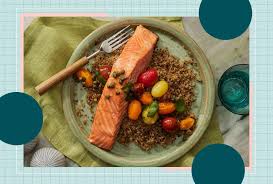
There’s a reason why nutritionists are huge fans of seafood. Fatty fish, like salmon, mackerel, sardines and canned tuna, contain heart-supporting omega-3 fatty acids. “Omega-3 fatty acids reduce inflammation, lower blood pressure and decrease triglycerides, key ingredients for optimum cardiovascular health,” says Patricia Bannan, M.S., RDN, author of From Burnout to Balance. No wonder the AHA recommends eating at least two servings of fish weekly.
If you’re new to seafood, Bannan recommends rotating two varieties of fatty fish into your weekly meal plan. For a quick, flavorful dinner, she likes to bake salmon or mackerel with a squeeze of lemon and a sprinkle of herbs. Never made mackerel before? Try this Gochujang-Glazed Grilled Mackerel. And if you think you don’t like salmon, this recipe will change your mind!
Adding canned tuna to salads, wraps or a tuna melt is also an easy way to get your omega-3 fix, says Bannan. Or, when you have zero time, open a can of sardines to top crackers with a dollop of mustard for a simple snack.
2. Leafy Greens
Leafy greens are another all-star filled with heart-supporting antioxidants and potassium, says Pittsburgh-based sports nutritionist Leslie Bonci, M.P.H., RDN, FAND.
“Spinach, kale, and Swiss chard are packed with potassium, which helps regulate blood pressure, and nitrates, which improve blood vessel function,” says Bannan. “They’re also rich in magnesium and fiber, both linked to improved heart health.” If that weren’t enough, leafy greens are packed with heart-supporting vitamins C and K. Plus, they’re low in calories and affordable.
You can add more leafy greens to your plate by quickly sautéing them in olive oil and herbs for a simple side, says Bannan. She also loves tossing them into soups, casseroles, grain bowls, or warm salads.
For the full article, click here.
| |
|
This e-newsletter is for anyone in, and interested in, care coordination and accountable referral Chautauqua County. We'll look at resources and educational opportunities in the area with the goal of increasing care coordination, wellness and overall quality of life in the Southern Tier; please forward this email freely!
Your feedback is important. Drop us a line and let us know what you want to hear more about.
| | | | |