Agreement With Kaleida Health and Brooks-TLC Health Systems to Build New Hospital in Chautauqua County -- Fruits and Veggies to Rethink for Managing Hypertension -- Both Walking and Cycling Can Help You Lose Weight -- February is American Heart Month -- Seven Signs You’re Deficient in Vitamin D | |
Agreement With Kaleida Health and Brooks-TLC Health Systems to Build New Hospital in Chautauqua County | |
Recently, Governor Kathy Hochul along with hospital leadership, community stakeholders and organized labor announced an agreement with Kaleida Health and Brooks-TLC Health Systems to build a new hospital in the Village of Fredonia in Chautauqua County. Governor Hochul’s administration has been working with Kaleida Health on terms of an agreement and plan to move forward with construction of the new hospital replacing the Brooks-TLC in the City of Dunkirk.
The announcement will be enabled by the newly established Health Care Safety Net Transformation Program included by the Governor in this year's Budget to encourage partnerships that improve the resilience of safety-net institutions by providing strategic capital and operating support, in addition to required regulatory flexibility. The project will be supported by $74 million from the State that was previously committed. Kaleida and Brooks-TLC will submit a revised Certificate of Need application to the Department of Health (DOH) which will expedite approval.
The new hospital is expected to open within three years of approval.
“Every New Yorker deserves to have access to essential health services where and when they need it most, and today’s announcement is a major victory for those living in Chautauqua County and the surrounding community,” Governor Hochul said. “As we continue to invest in downtown revitalization, job creation and economic opportunity all across Chautauqua County, it is important for this community to have a state-of-the-art health care facility to support this growth. The new Brooks-TLC Hospital will provide the quality of care that our residents need, and I commend Kaleida, Brooks and all of our community stakeholders for working hard to make this vision become reality.”
To read the whole story click here.
| |
Fruits and Veggies to Rethink for Managing Hypertension | |
|
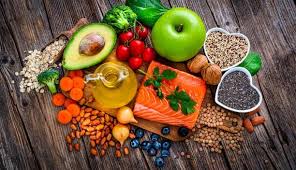
A proper diet is extremely important for people who suffer from hypertension. What should you avoid? It turns out that not all fruits and vegetables are recommended for this condition.
Fruits and vegetables are essential aspects of our diet. Unfortunately, there are certain conditions where it's better to avoid specific products. What should people diagnosed with hypertension pay attention to? It's long been known that proper nutrition is crucial for this health issue.
Experts do not recommend candied fruits or those in syrups and brines for people with high blood pressure. As you might guess, this is due to their high sugar content, which is also not advisable for those with high blood pressure.
Certain products can help lower high blood pressure. What specifically? Look for foods that are rich in potassium, which lowers blood pressure. Potassium is found in dried apricots, almonds, cocoa, avocados, bananas, tomatoes, potatoes, soybeans, and lentils. Wheat bran also contains potassium, albeit in smaller amounts.
Remember, we should eat at least 14 ounces of fruits and vegetables daily. Specialists suggest that vegetables comprise 3/4 of this portion, while fruits should account for 1/4. Fresh vegetables and fruits, besides potassium, give us other valuable nutrients, such as fiber, flavonoids, and nitrates.
| |
Both Walking And Cycling Can Help You Lose Weight—But One is More Effective | |
|
Walking has had quite a year, between the rise of the viral hot girl walking trend on social media and walking accessories like bala bangles and weighted vests becoming trendy. It’s a solid form of cardio, but that doesn’t mean you should sleep on other heart-healthy workouts, like the oldie-but-goodie activity of cycling.
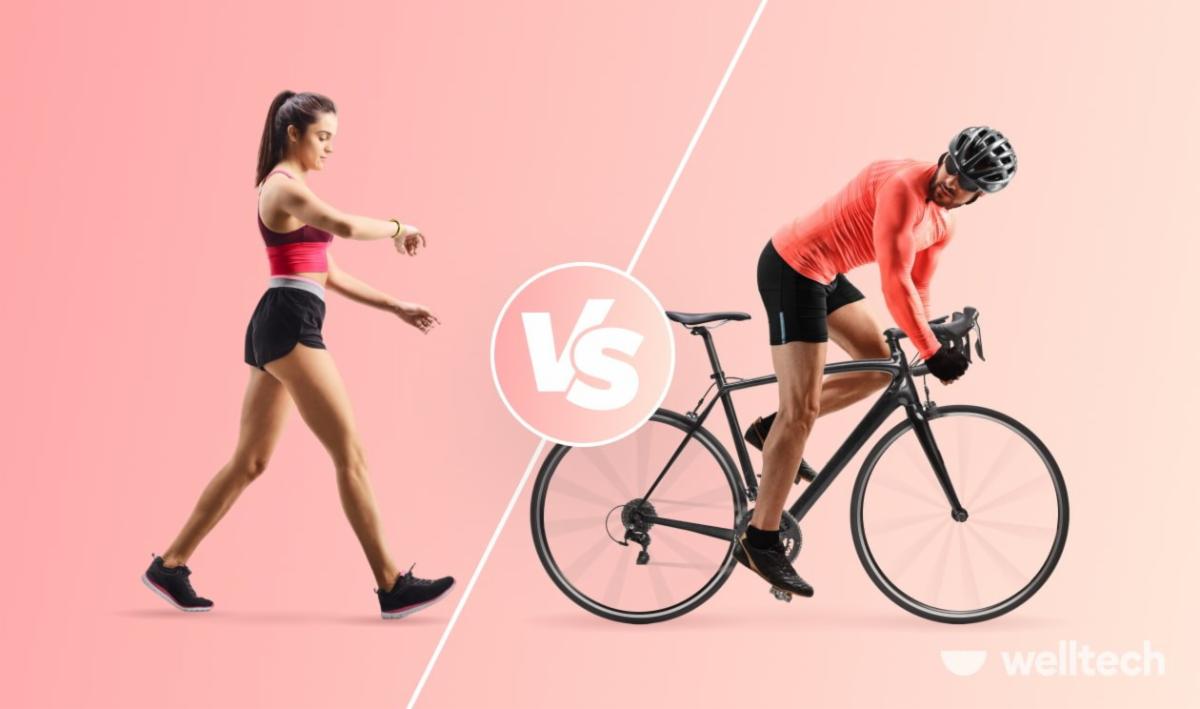
Walking and cycling are two of the most popular types of aerobic workouts—and there’s a reason. For starters, they’re both low-impact, meaning, they’re “easier on the joints than, say, running or HIIT training,” says Olivia Amato, CPT, a bike, tread, boot camp, and strength instructor for Peloton based in New York City.
When it comes to walking vs. cycling, both activities are great for beginners and can be made more difficult—either by walking with wrist or ankle weights, or cranking up the resistance on your bike. Both forms of exercise have perks when it comes to improving endurance, building strength, and losing weight, but one *may* reign supreme.
Wondering which form of exercise to make a mainstay in your workout routine? Ahead, trainers reveal the benefits of both—and how to integrate walking and cycling into your schedule.
To read the full story click here.
| |
February is American Heart Month | |
February is American Heart Month, a critical time to focus on heart disease—the leading cause of death in the U.S. As care coordinators, nurses, and community-based organizations (CBOs), we play a vital role in supporting heart health, particularly among underserved populations who may face barriers to care.
This month, let’s amplify our efforts by encouraging preventive screenings, lifestyle interventions, and medication adherence for patients at risk of heart disease. Engaging patients in conversations about hypertension management, cholesterol control, and smoking cessation can make a significant difference in reducing heart-related complications.
Collaboration is key to improving outcomes. By partnering with local organizations, sharing resources, and coordinating follow-up care, we can bridge gaps in healthcare access and ensure patients receive the support they need. Consider implementing community blood pressure screenings, patient education sessions, or care management programs tailored to those at higher risk.
Let’s use this American Heart Month as a springboard to reinforce evidence-based strategies and patient-centered care, making heart health a priority in every interaction. Together, we can drive meaningful change and help our communities live healthier, longer lives.
| |
Seven Signs You’re Deficient in Vitamin D | |
|
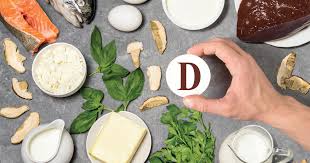
Vitamin D, the so-called “sunshine vitamin” as it’s produced in the skin during sun exposure, is one of the most important nutrients for our health, yet many of us are not getting enough of it.
Blame our lengthy winters and indoorsy lifestyles, but 57% of us have lower than ‘optimal’ levels. It is the one food supplement that the NHS recommends for adults, saying we should all consider taking it during the autumn and winter months (all children aged four and under are advised to supplement, too).
But what are the signs that you might not be getting enough?
- Being tired
- Being more prone to infection
- Pain in bones
- Muscle aches
- Slow wound healing
- Losing hair
- Weight gain
To read the whole story click here.
| |
|
This e-newsletter is for anyone in, and interested in, care coordination and accountable referral Chautauqua County. We'll look at resources and educational opportunities in the area with the goal of increasing care coordination, wellness and overall quality of life in the Southern Tier; please forward this email freely!
Your feedback is important. Drop us a line and let us know what you want to hear more about.
| | | | |