March is Colorectal Cancer Awareness Month -- These are the Most Common Colon Cancer Symptoms in Young People -- Doctors Say the Heart-Healthy DASH Diet can Lower Blood Pressure -- What Women can do to Prioritize Their Health --This Flu Season May be the Worst in Over a Decade
| |
March is Colorectal Cancer Awareness Month: The Power of Early Screening | |
Colorectal cancer remains the second leading cause of cancer-related deaths in the United States, yet it is one of the most preventable and treatable cancers when detected early. Screening plays a critical role in identifying precancerous polyps or cancer in its earliest stages, often before symptoms appear.
The U.S. Preventive Services Task Force recommends routine colorectal cancer screening starting at age 45 for average-risk individuals. However, many patients, particularly those in underserved populations, face barriers to screening. As healthcare providers, care coordinators, and community-based organizations (CBOs), we must work together to increase awareness, address disparities, and encourage timely screening.
Early detection is key to improving patient outcomes. When colorectal cancer is found in its localized stage, the five-year survival rate is over 90%. Non-invasive screening options, such as stool-based tests, provide alternatives for patients who may be hesitant about colonoscopies. Educating patients on the importance of routine screening, addressing fears, and offering guidance on available screening options can significantly impact compliance and early diagnosis rates. Care coordinators and nurses can play a pivotal role in following up with patients, ensuring they complete recommended screenings, and assisting with scheduling to remove logistical barriers.
For patients diagnosed with early-stage colorectal cancer, treatment options—including minimally invasive surgery, targeted therapies, and advanced radiation techniques—offer high success rates. By fostering a proactive approach to screening, healthcare professionals can contribute to reducing the burden of colorectal cancer in our communities. This March, let’s reinforce the message that colorectal cancer screening saves lives and work collectively to ensure our patients receive the preventive care they deserve.
| |
These are the Most Common Colon Cancer Symptoms in Young People | |
|
Digestion problems, whether from stress or a bad burrito, are just a part of life — so ordinary, they can be easy to brush off. But when constipation or stomach cramps persist for weeks or months, it can be a sign of something you wouldn’t normally expect to be on your health bingo card: colorectal cancer.
But before you assume every stomach gurgle is sinister, know that it’s not super common in younger adults: There are one to two cases for every 100,000 people in their 20s and roughly 33 for every 100,000 folks in their late 40s. “But the problem we’re facing is, the incidence is rising,” Andrea Cercek, MD, a gastrointestinal oncologist at Memorial Sloan Kettering Cancer Center in New York City, tells SELF.
Since the mid-’90s, the rate of colorectal cancer among Americans younger than 50 has inched up between 1% and 2% each year, even as it’s declined among older adults. “Colorectal cancer is no longer a disease of people in their 60s, 70s, or 80s,” she says.
While a doctor might recommend screening for the disease if you’re at an increased risk—say, you’ve got inflammatory bowel disease (IBD) or a first-degree relative who had colorectal cancer—most people don’t qualify for it until age 45. So, Dr. Cercek says it’s important to know what symptoms signal the disease. Here’s what to have on your radar.
For the full article, click here.
| |
Doctors Say the Heart-Healthy DASH Diet can Lower Blood Pressure | |
|
Not all diets are passing fads: some have ample evidence to back up their health claims. Unfortunately, in some notable cases, there’s little correlation between evidence-backed endorsements from medical experts and real-world adoption. Some of the healthiest plans are glossed over in favor of the newest diets trending on TikTok — evidence be damned.
In particular, there’s one doctor-approved diet that, despite decades of research backing it up, has been tried by just one percent of surveyed Americans within the past year. Crystal Tyson, MD, a nephrologist and hypertension specialist at Duke University School of Medicine, recently told The New York Times that this plan is “the way to go” if you want to lower your blood pressure.
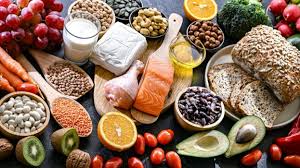
The DASH diet, short for Dietary Approaches to Stop Hypertension, is a balanced and nutritious way of eating that can help you make major strides in fighting high blood pressure and improving heart health. The National Institutes of Health (NIH) has ranked it the number one diet out of the 39 “best diets for healthy eating.”
Though many people are aware that the DASH diet extols the benefits of reducing your sodium levels, this is just one facet of the plan that helps your health. Besides limiting sodium, the DASH diet recommends eating plenty of fruits, vegetables, and whole grains, fat-free or low-fat dairy products, fish, poultry, beans, nuts, and vegetable oils. It also involves limiting sugar-sweetened beverages, sweets, and “foods that are high in saturated fat, such as fatty meats, full-fat dairy products, and tropical oils such as coconut, palm kernel, and palm oils,” the NIH says.
To try the DASH diet, you can begin by filling your plate up halfway with fresh fruits and vegetables, totaling four to five servings of each per day. From there, you can add six to eight servings of whole grains, lean meat and fish in moderation, two to three servings of low-fat dairy, and two to three servings of healthy fats and oils.
Proponents of the DASH diet recommend consuming no more than 2,300 milligrams of sodium daily, and they add that consuming 1,500 milligrams or fewer will help lower blood pressure even further.
Studies have shown that besides helping to reduce hypertension, the DASH diet may also improve lipid panels, help people lose weight, reduce the risk of Type 2 diabetes, and slash heart disease risk. Fifty percent of American adults suffer from high blood pressure, and many are unaware that they are hypertensive. The American Heart Association (AHA) calls it “the silent killer” since it rarely presents with symptoms before taking a toll on one’s health.
Talk to your doctor about blood pressure screening and learn more about ways to keep your numbers in a healthy range. Diet, exercise, quitting smoking, stress management, curbing your alcohol intake, and taking your medications as prescribed can all help keep you safe from the effects of hypertension.
| |
What Women can do to Prioritize Their Health: A Doctor Explains | |
An estimated 72 million women in the United States have skipped or delayed a recommended health screening, according to a new survey.
This poll, conducted by Gallup for medical technology company Hologic, found that 90% of women acknowledged the importance of regular health screenings — but more than 40% have skipped or delayed a test.
Women have trouble prioritizing their own health, the survey found, with over 60% of women responding that it was hard to make their own health a priority. The numbers are particularly striking among younger women; 74% of women in Generation Z and 70% of millennials said it was hard to prioritize their health, compared with 52% of baby boomers and 39% of the Silent Generation.
Struck by these numbers, the author of the article highlighted below wanted to speak with CNN wellness expert Dr. Leana Wen to learn more about why they are a cause for concern.
What are the preventive screenings that younger women should receive? And what steps can women take to prioritize their health and well-being? Wen is an emergency physician and adjunct associate professor at George Washington University. She previously was Baltimore’s health commissioner.
Dr. Leana Wen: I was disheartened, though not surprised, to see that it was so common for women, especially young women, to forgo health screenings. According to the results, most women in the survey mentioned factors such as caring for other family members first, struggling with work and other pressing matters.
This is consistent with my experience as a clinician and a public health official. Unfortunately, too many women focus on their health only after they have been diagnosed with a chronic illness. Our society places too little emphasis on prevention, and there are many barriers in the way of people obtaining preventive care.
For full article, click here.
| |
This Flu Season May be the Worst in Over a Decade: Doctors Share the Symptoms They're Seeing | |
|
If it seems like everyone you know has been sick with the flu lately, you're not alone. The United States is facing what seems to be one of the worst flu seasons in over a decade. Doctor's office visits for influenza and flu hospitalizations have reached the highest levels in 15 years, since the 2009-2010 swine flu pandemic rocked the nation.
The latest wave of flu is overwhelming hospitals around the country and even forced dozens of schools to close. As transmission continues, doctors are urging people to get their flu shot.
"Seasonal influenza activity remains elevated," the U.S. Centers for Disease Control and Prevention said in their latest FluView report for the week ending Feb. 15.
The CDC classifies this flu season as "high severity" for all age groups. Nearly 27% of flu tests performed by laboratories nationwide came back positive during the week ending Feb. 15, per CDC data — this is down slightly from 31% the week prior, which was the highest weekly flu test positivity rate in a decade. Nearly all cases are influenza A, which tends to be more aggressive in adults.
Currently, at least 42 states and the District of Columbia are reporting “very high” or “high” levels of influenza-like illness activity, per the CDC‘s latest data. Every region has high flu activity, with the South, Southeast and Midwest being hit the hardest.
“It feels like everybody has influenza right now,” Dr. Linda Yancey, an infectious disease specialist at Memorial Hermann Health System in Houston, tells TODAY.com.
The current flu season is the most intense it has been in over 15 years, according to several measures.
During the week ending Feb. 8, nearly 8% of visits to health care providers were for influenza-like illness (a fever plus a cough or sore throat) — the highest level seen since the 2009-2010 flu season, per the CDC. This has decreased in the last week but remains elevated.
An NBC News analysis of CDC data shows that outpatient visits for flu symptoms were higher in the first week of February than they've been during any flu season going back at least 28 years.
For the full article, click here.
| |
|
This e-newsletter is for anyone in, and interested in, care coordination and accountable referral Chautauqua County. We'll look at resources and educational opportunities in the area with the goal of increasing care coordination, wellness and overall quality of life in the Southern Tier; please forward this email freely!
Your feedback is important. Drop us a line and let us know what you want to hear more about.
| | | | |