The Resource Center now Accepting Wheelchair Scripts -- April is Testicular Cancer Awareness Month: A Call to Action for Healthcare Providers -- Supporting Survivors: The Role of Healthcare Providers in Sexual Assault Awareness Month -- How Animals Can Help America’s Mental Health Crisis -- Is Diet Soda Actually Bad for You?
| | The Resource Center now Accepting Wheelchair Scripts | |
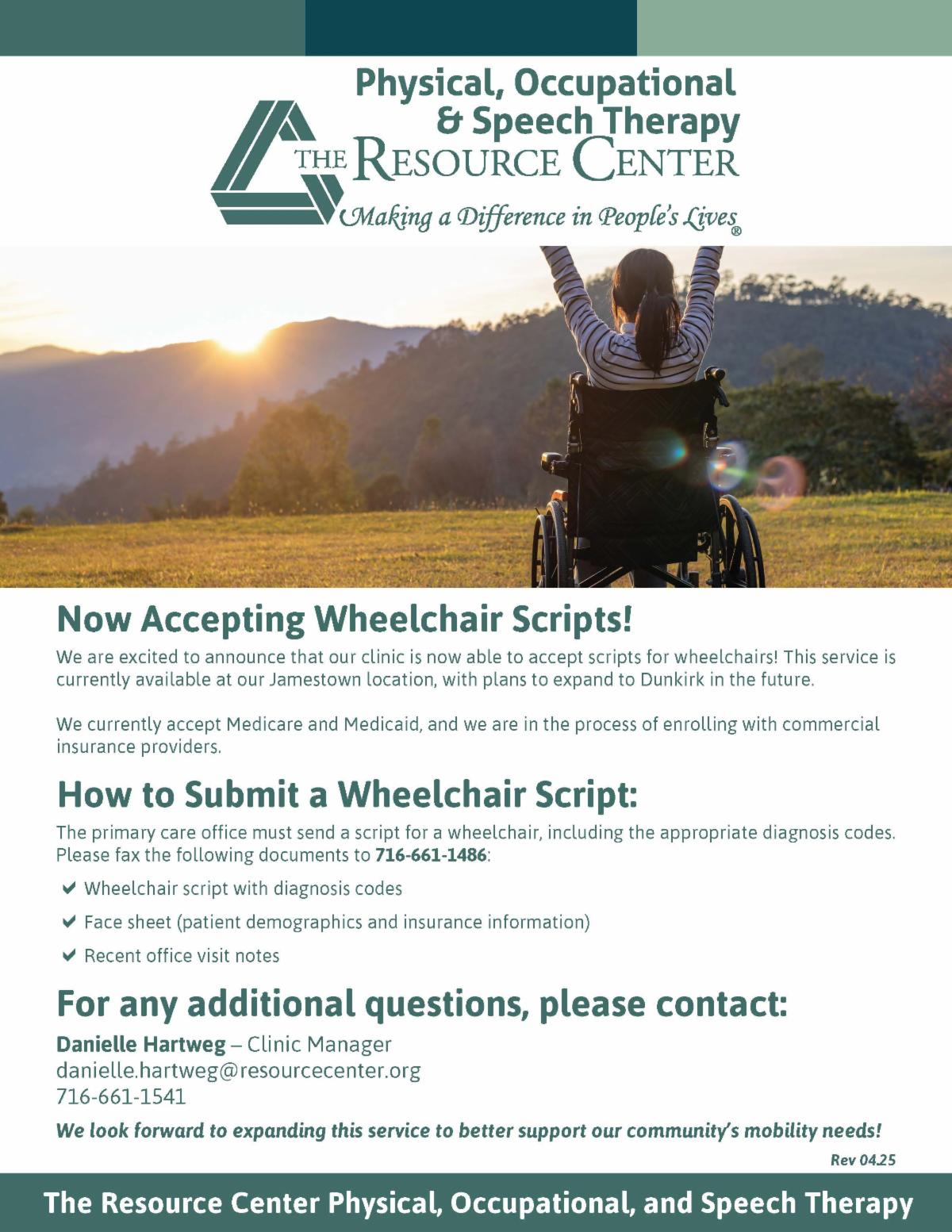
The Resource Center’s Physical, Occupational, and Speech Therapy team is excited to announce a new service: they are now accepting wheelchair scripts at their Jamestown clinic! This initiative is part of their ongoing commitment to improving mobility and access for the individuals and families they serve. With plans to expand to their Dunkirk location in the future, they’re laying the groundwork for even greater support across the region.
Currently, they are accepting Medicare and Medicaid and are in the process of enrolling with commercial insurance providers to make this service even more accessible. To submit a wheelchair script, the patient’s primary care provider should fax the following to 716-661-1486:
- A wheelchair script with appropriate diagnosis codes
- Patient face sheet (demographics and insurance)
- Recent office visit notes
If you have questions or need additional information, please reach out to Danielle Hartweg, Clinic Manager, at danielle.hartweg@resourcecenter.org or call 716-661-1541.
| |
April is Testicular Cancer Awareness Month: A Call to Action for Healthcare Providers
| | |
April marks Testicular Cancer Awareness Month, a critical time for care coordinators, community-based organizations (CBOs), nurses, and other healthcare providers to educate and support their patients in early detection and prevention efforts. Testicular cancer is the most common cancer among young and middle-aged men, yet it often goes undiscussed. Healthcare professionals play a vital role in raising awareness, encouraging routine self-examinations, and ensuring that patients understand the importance of early detection, which can significantly improve survival rates.
Care teams can integrate testicular cancer screenings into routine wellness visits and use this month to educate patients about risk factors, symptoms, and preventive measures. CBOs and care coordinators can work together to provide resources, outreach programs, and awareness campaigns, especially in underserved communities where access to healthcare may be limited. Symptoms such as lumps, swelling, or discomfort in the testicles should prompt immediate medical attention, and healthcare providers must foster open conversations to overcome stigma and promote proactive health behaviors.
By collaborating across disciplines, care teams can ensure that more men receive timely education, screenings, and necessary referrals for specialized care. Nurses, medical assistants, and providers can emphasize the power of prevention by incorporating testicular cancer awareness into patient education efforts. As trusted voices in healthcare, professionals can make a lasting impact by advocating for early detection, improved patient engagement, and community-driven awareness initiatives. This April, let’s take action to ensure that more men receive the life-saving information and care they deserve.
| |
Supporting Survivors: The Role of Healthcare Providers in Sexual Assault Awareness Month | | |
April marks Sexual Assault Awareness Month (SAAM), a crucial time for care coordinators, community-based organizations (CBOs), nurses, and other healthcare providers to amplify efforts in supporting survivors and educating patients about resources available for prevention and recovery.
Sexual violence affects individuals across all backgrounds, with survivors often facing physical, emotional, and psychological trauma that can impact their long-term well-being. Healthcare professionals are in a unique position to provide trauma-informed care, screenings, and connections to critical support services that help survivors navigate their healing journey.
By incorporating routine screenings and trauma-informed practices, care teams can foster a safe and supportive environment where survivors feel heard and validated. Nurses and medical staff can use this month to educate patients about available advocacy programs, mental health counseling, and crisis hotlines while ensuring that those in need have access to confidential resources. CBOs and care coordinators play a pivotal role in bridging gaps in care by organizing community outreach initiatives, supporting survivor advocacy groups, and promoting awareness about consent, bystander intervention, and reporting options.
Healthcare professionals can make a lasting impact by collaborating across disciplines to create safer spaces for patients and ensuring that survivors receive compassionate, holistic care. By taking an active role in prevention, education, and support, the healthcare community can help break the silence surrounding sexual violence and empower survivors to seek the assistance they deserve. This Sexual Assault Awareness Month, let’s commit to raising awareness, fostering healing, and advocating for policies that promote safety, respect, and justice for all.
| | How Animals Can Help America’s Mental Health Crisis | |
Pets are more than just companions—they offer emotional and physical benefits that can improve our mental well-being. From providing a sense of security to encouraging daily routines, pets can positively impact various aspects of life. This article explores how pets help mental health, considerations for pet ownership, and alternatives for those unable to own one.
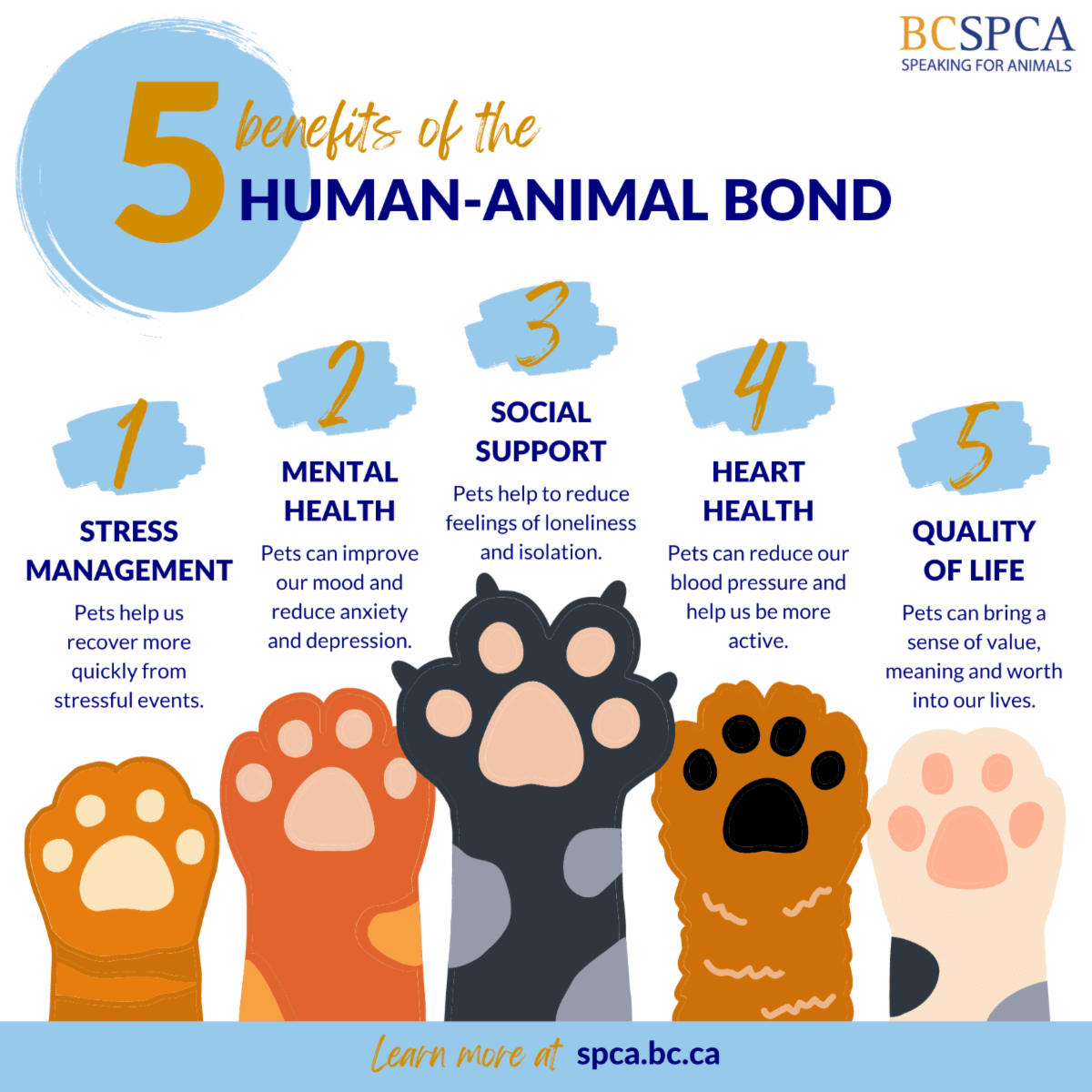
Caring for a pet can enhance mental health in multiple ways. Activities like walking a dog boost physical activity, which is good for mental well-being. Pets provide companionship, making people feel less lonely, especially for the elderly or those living alone. They also reduce anxiety, improve self-confidence through unconditional love, and help individuals meet new people during walks or training classes. Additionally, pets add structure to daily life, offering a sense of purpose.
Caring for a pet can enhance mental health in multiple ways. Activities like walking a dog boost physical activity, which is good for mental well-being. Pets provide companionship, making people feel less lonely, especially for the elderly or those living alone. They also reduce anxiety, improve self-confidence through unconditional love, and help individuals meet new people during walks or training classes. Additionally, pets add structure to daily life, offering a sense of purpose.
Owning a pet is a significant responsibility requiring time, money, and a stable home environment. Before adopting, potential owners should evaluate their lifestyle, including available outdoor space, activity levels, and financial resources for pet care. Fostering a pet or assisting with a friend’s pet can help determine readiness for ownership. Organizations like the PDSA provide resources to guide this decision.
For those unable to own a pet, there are creative alternatives. Spending time with friends’ pets or volunteering at animal shelters can offer similar benefits. Programs like BorrowMyDoggy and the Cinnamon Trust connect individuals with opportunities to walk or care for dogs. Temporary fostering for rescue centers or domestic violence survivors’ pets is another way to experience the joys of animal companionship without the long-term commitment.
| | Is Diet Soda Actually Bad for You? Here's What a Nutritionist Says | | |
Diet soda is often thought of as a healthier alternative to regular soda because it's sugar-free. It uses sugar substitutes like aspartame, making the beverage free from calories and added sugars.
The average diet in the United States is high in added sugars, so choosing diet soda over regular soda—a major contributor of added sugars—can be an easy way to reduce intake.
Diet soda isn't without health risks. Studies show that regularly drinking diet soda may raise your risk of developing diabetes and other health conditions.
Diet Soda vs. Regular Soda
Diet soda has similar ingredients to regular soda, but the sugar is swapped for a sugar substitute. As a result, diet soda doesn't have any calories or added sugars.
The most common sugar substitute in diet soda is aspartame, but diet soda may also contain potassium acesulfame, sucralose, and saccharin. These are all FDA-approved sweeteners that have been extensively studied.
Other than the sweetener, the ingredients in regular and diet soda are usually the same. They contain the same artificial flavors and additives. Diet soda is calorie-free because sugar is the main source of calories in regular soda.
Potential Benefits of Diet Soda
On average, people in the U.S. consume an amount of added sugars that exceeds the Dietary Guidelines' recommendation of less than 10% of total daily calorie intake. Soda is a major source of added sugar in the diet.
If you're a soda drinker, switching from regular to diet soda can help reduce your intake of added sugars and, in turn, your total calorie intake.
Consuming excess added sugars is linked with health issues like type 2 diabetes, heart disease, and tooth decay.
Replacing high-sugar beverages like soda with water can greatly benefit your health. However, research shows that replacing regular soda with diet soda may still leave you with a similar risk of developing these health issues.
Risks of Diet Soda
Although diet soda can help reduce added sugar and calorie intake, it may still come with health risks, some of which are similar to those of regular soda.
For the full article, click here.
| | |
This e-newsletter is for anyone in, and interested in, care coordination and accountable referral Chautauqua County. We'll look at resources and educational opportunities in the area with the goal of increasing care coordination, wellness and overall quality of life in the Southern Tier; please forward this email freely!
Your feedback is important. Drop us a line and let us know what you want to hear more about.
| | | | |