|
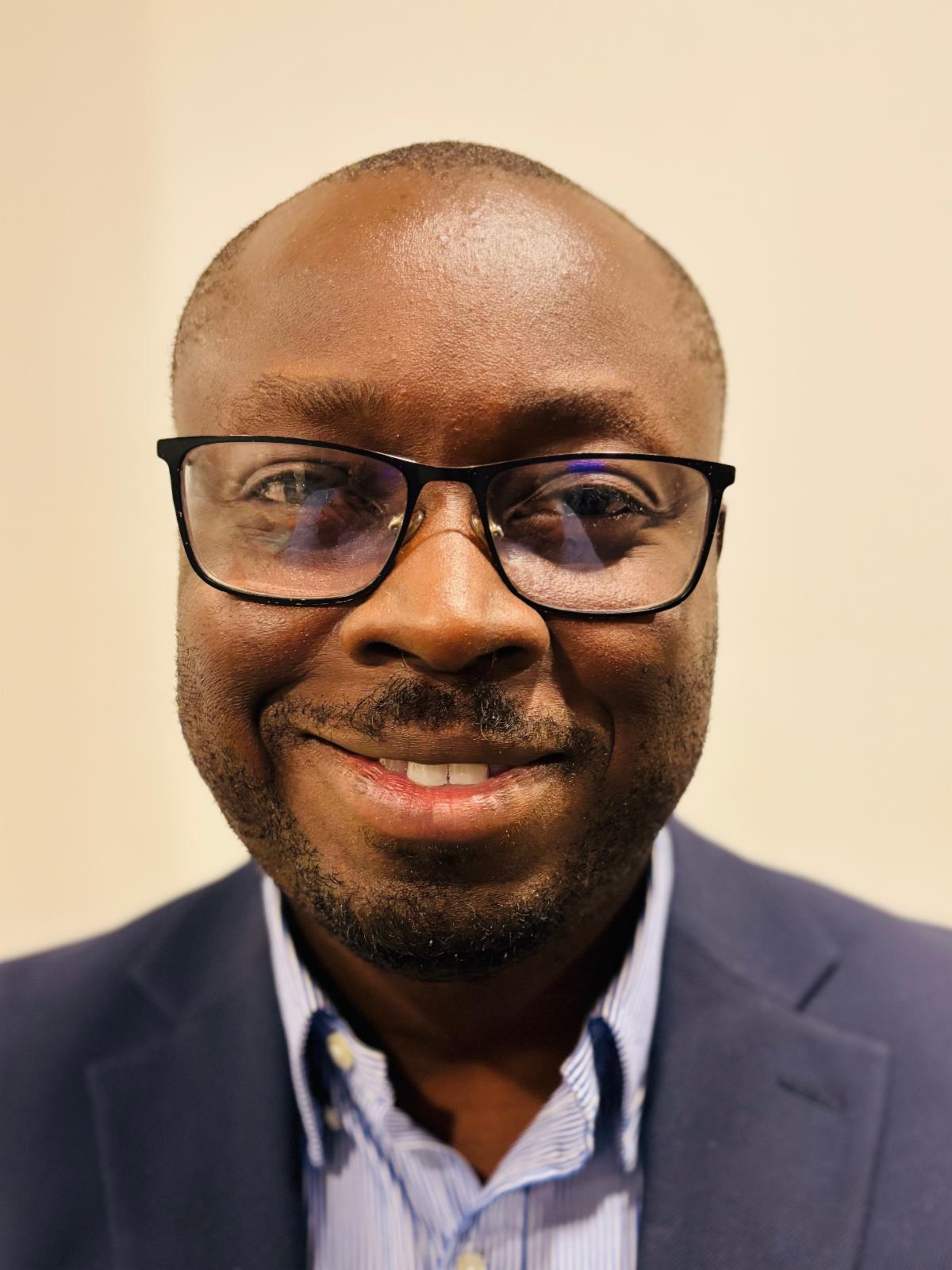
Dr. Olufemi A. Erinoso
1) What is your academic background and current affiliation?
I am a dentist and public health researcher with a BDS from the University of Lagos, an MPH from Johns Hopkins University, and a PhD in Public Health from the University of Nevada, Reno. I currently serve as a Senior Analyst with the Nevada Health Authority.
2) What led you to pursue a career in health equity research and tobacco-related disparities in particular?
My clinical experience treating patients with advanced oral cancers in Nigeria exposed me to the disproportionate burden of tobacco-related disease among underserved populations. Many of these patients presented when treatment options were limited, which sparked my interest in prevention. This led me to public health research, where I could study the behavioral, social, and structural factors driving these disparities.
3) What are your current research interests?
My research focuses on tobacco and nicotine use behaviors and cessation pathways. I am particularly interested in understanding how emerging nicotine products and patterns of multiple-product use influence cessation outcomes and health risks, especially among people with substance use disorders and other underserved groups.
4) What do you hope your research career will change in the field of tobacco control?
I hope to advance more equitable and personalized approaches to tobacco cessation. Much of the field still relies on simple measures of whether someone uses a product. I’m interested in capturing a fuller picture: how often and how intensely people use different products, how they combine and switch between them over time, and how these patterns shape their chances of quitting. Ultimately, I want my research to inform tobacco regulation, strengthen cessation interventions, and reduce tobacco-related cancers and other health disparities.
5) How has receiving the HDN travel scholarship benefited your work/career?
Receiving the HDN travel scholarship provided an opportunity to share my research, connect with investigators working on tobacco-related health disparities, and expand my professional network within SRNT. It also strengthened my engagement with the health equity research community and opened opportunities for mentorship and future collaborations.
6) What was your most memorable experience at the SRNT 31st Annual Meeting or the conference venue?
A highlight for me was co-chairing the symposium on artificial intelligence in tobacco regulatory science. The session drew thoughtful questions and lively discussion about how AI can support research and regulation, and it was rewarding to see so much interest in this emerging area. I also enjoyed returning to Baltimore, where I completed my MPH, and reconnecting with the team at the Institute for Global Tobacco Control.
|