|
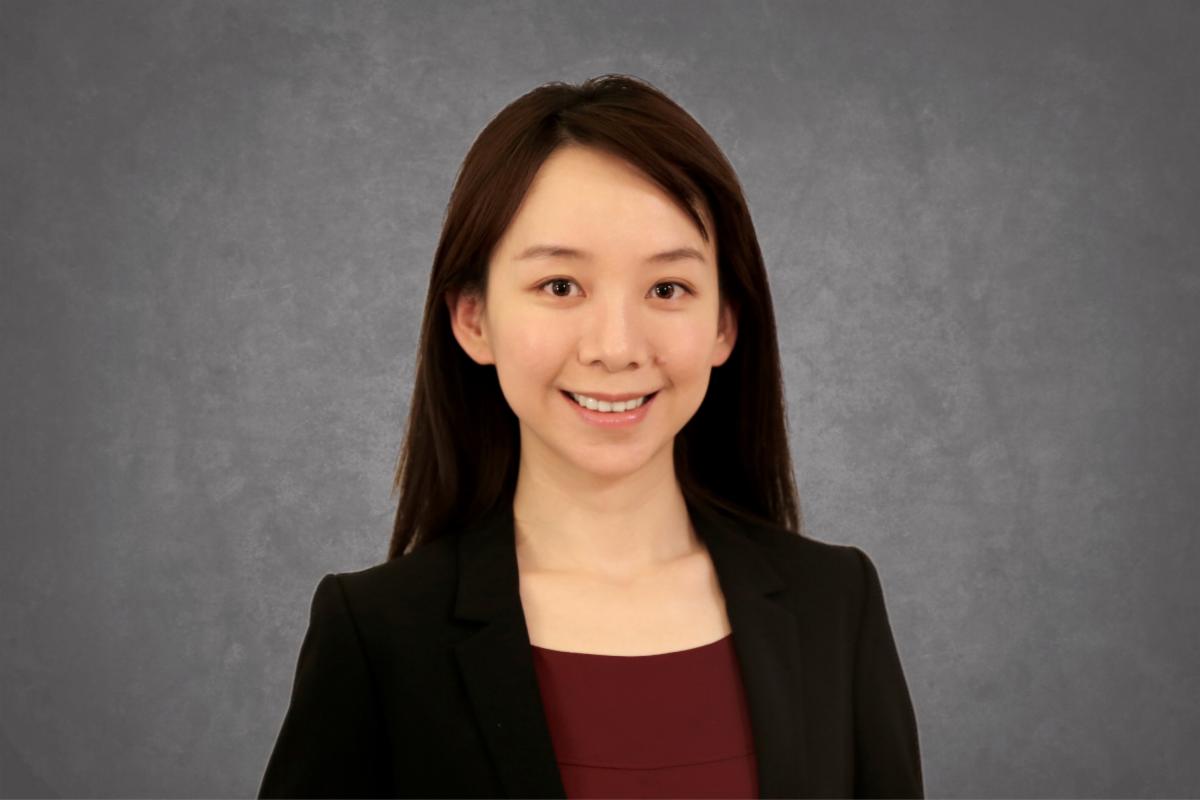
Di Pei
What is your academic background and current affiliation?
I received my Master’s degree from Michigan State University and my PhD from George Mason University, both in Communication Studies with a focus on health communication. I am now a Postdoctoral Research Associate in the School of Public Health at Georgia State University, where I work on tobacco control research.
What led you to pursue a career in health equity research and tobacco-related disparities in particular?
During my postdoctoral training, I contributed to my mentor’s research projects aimed at communicating tobacco control policies to socially disadvantaged groups. Through this work, I came to understand that people with mental health conditions and those with low socioeconomic status smoke at higher rates, experience greater nicotine dependence, and face more barriers to quitting. This experience convinced me that policy isn’t enough. We need effective, targeted messages for disadvantaged populations so the benefits of tobacco control reach everyone. Working with Dr. Popova has shaped my approach to tobacco control communication research and has shed light on how rigorous theory can translate into practical policy communication that better serves underserved populations.
What are your current research interests?
Grounded in health communication, my current work focuses on designing and evaluating message strategies that help implement tobacco policies equitably. Much of this work builds on my experience with Dr. Popova’s research team. I am interested in testing targeted campaign messages, improving policy comprehension, and developing practical communication strategies that resonate with people experiencing socioeconomic disadvantage or mental health conditions.
In addition, I lead a project testing anti-smoking themes among young adults in China. China has the world’s largest smoking population, and more than 29 million young adults in China smoke. Our goal is to identify effective message that promote cessation and reduce initiation to inform future campaigns.
What do you hope your research career will change in the field of tobacco control?
I hope that the research I lead and contribute to will deliver ready-to-use campaign messages that increase cessation, reduce initiation, and ultimately narrow tobacco related disparities among groups that bear a disproportionate burden.
How has receiving the HEN travel scholarship benefited your work/career?
The HEN travel scholarship enabled me to present my work at SRNT, get feedback from experts across disciplines, and expand collaborations with colleagues who share a health equity focus. At the HEN network event, I met trainees from different universities, built connections, and shared stories about our paths, challenges, and goals. During the event, the HEN team introduced the network and additional resources, such as listservs and webinars that are very helpful for early career investigators like me. These connections have helped me build a sense of community and support.
What was your most memorable experience at the SRNT 31st Annual Meeting or the conference venue?
The HEN travel scholarship also offered me the opportunity to participate in the “It’s Just Coffee Mentoring Program”. I was thrilled to be matched with Dr. Andy Tan and learn from him. I asked questions about health equity research, applying health communication to tobacco control, and career development. He answered all my questions patiently, and I left with a clearer plan and ideas for future work.
|