|
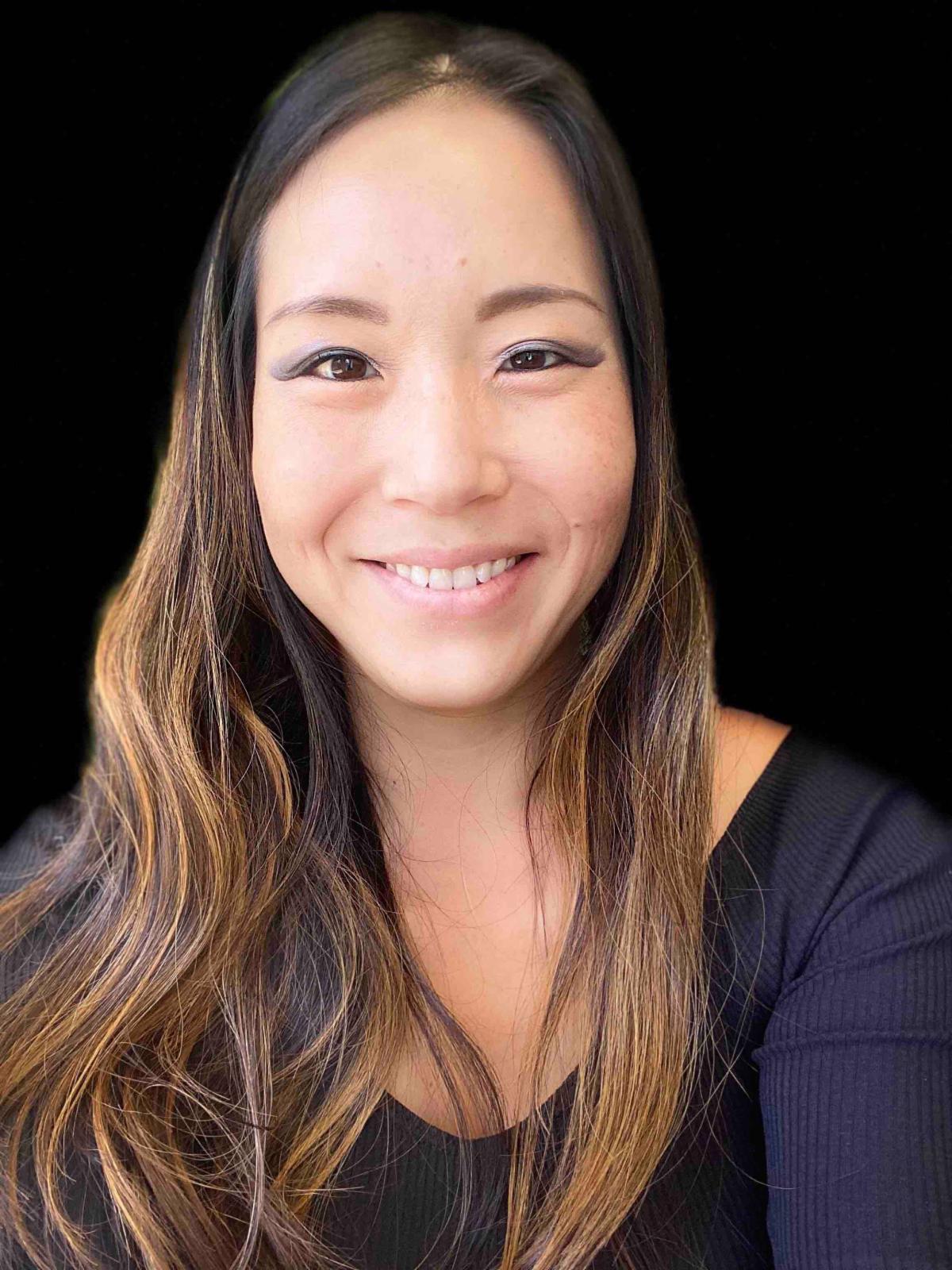
Jin Kim-Mozeleski
Training and Current Position:
1. What is your academic background and current affiliation? I have a PhD in social psychology, with postdoctoral training in tobacco control. I’m currently at Case Western Reserve University School of Medicine.
2. What led you to pursue a career in health equity research, and tobacco-related disparities in particular? My doctoral work focused on mental health treatment disparities as they affected racially and ethnically minoritized groups and immigrants. I was particularly interested in research to improve access to and utilization of needed mental health services. I became interested in this given my family’s personal experiences in navigating mental health care. During my doctoral work, I became interested in the parallels between mental health services and smoking cessation services, and how to reduce tobacco-related disparities by improving upon access to and utilization of evidence-based treatments.
3. What are your current research interests? My current research interests center around health equity and addressing tobacco-related health disparities, particularly for population groups who are socioeconomically disadvantaged. I’m interested in how health-related social needs, such as food insecurity, intersect with tobacco use and cessation, and partnering with social service sectors as a way to reach health disparity groups who are undeserved.
4. Two important “take home points” from your research: One broad take-home point is that tobacco use intersects with so many social, psychological, and structural factors that also deserve research attention. A more specific take-home point is that food insecurity and tobacco use are risk factors for each other.
5. What has been the most surprising thing you have learned in your career thus far? When I get too comfortable and feel like I have everything under control, it is usually a sign that I am ignoring an area of growth in my career.
6. What do you hope your career in research will change in the field of tobacco control? I hope that my research can inform structural interventions in reducing tobacco-related health disparities, bringing attention to social factors that underlie disparities.
Mentorship:
7. What is the most valuable piece of advice you have received from a mentor? Develop a thick skin and persist in the face of rejection. (I still personally struggle with this though)
8. What is the best advice you have for students and postdoctoral trainees who are just beginning their research careers? Be your best collaborator (to yourself). Figure out how your best system to organize and document your research questions and ideas. For me, even if I could not pursue an idea or question at a certain time, I have found that my notes and ramblings have been so valuable many years later when I have more resources, insight, and know-how to pursue that refined question.
Non-research:
9. What is your favorite thing to do when you are not working? I love practicing yoga. I also teach yoga at my local studio twice a week.
|