|
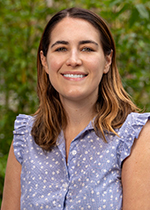
MEMBER SPOTLIGHT – December 2024
Name: Margaret C. Fahey
Training and Current Position:
1. What is your academic background and current affiliation?
I obtained my PhD in clinical psychology from The University of Memphis and completed a two-year National Institute on Drug Abuse (NIDA) T32 postdoctoral fellowship at the Medical University of South Carolina (MUSC). This August, I started a tenure-track Assistant Faculty position in the Department of Psychology at Middle Tennessee State University (MTSU).
2. What led you to pursue a career in health equity research, and tobacco-related disparities in particular?
As a clinician, I have enjoyed working in geriatric settings, helping this population (adults 65+ years) improve their behavioral health and to reduce/quit substance use (including cigarette smoking). I was discouraged to learn that older age groups are underrepresented in clinical research, particularly in the field of tobacco cessation. This age group is most impacted by the negative health consequences of tobacco and cessation can benefit one’s health at any age. However, this age group has experienced stagnating cigarette prevalence rates for 15 years and is less likely to receive evidence-based cessation treatment. My research program evolved to focus on addressing this aging-related health disparities by promoting smoking cessation in later life.
3. What are your current research interests?
As the field of tobacco cessation evolves to focus on delivering cessation treatment via digital modalities (e.g., app and texting-based programs), I am interested in how we can better adapt these treatments to fit the needs of older adults. Additionally, I am interested in polysubstance use in later life, specifically how motivations and co-use patterns of cannabis impact cigarette cessation.
4. Two important “take home points” from your research:
Despite ageist misconceptions that older adults are uninterested or unwilling to engage with digital health platforms, U.S. adults over the age of 65 years are increasingly adopting technology for health-related purposes. (For example, 42% of this age group used a health-related app in 2022). Further, older adults who smoke cigarettes report an interest and willingness to engage with digital cessation platforms.
5. What has been the most surprising thing you have learned in your career thus far?
I was surprised and comforted to learn that most everyone experiences imposter syndrome on occasion (not just trainees!)
6. What do you hope your career in research will change in the field of tobacco control?
I hope my program of research improves cessation rates among the underserved population of older adults and increases inclusivity of older age groups within the development and dissemination of digital cessation treatments.
Mentorship:
7. What is the most valuable piece of advice you have received from a mentor?
My mentors at MUSC, Dr. Jennifer Dahne and Dr. Mathew Carpenter, helped improve my confidence as a researcher by valuing my unique perspective and encouraging me to speak up and share my opinions as a colleague. I believe one of the most invaluable gifts a mentor can give a mentee is to support their individuality and encourage their confidence in developing novel research ideas.
8. What is the best advice you have for students and postdoctoral trainees who are just beginning their research careers?
A career in academic research is a marathon, not a sprint. Even though grant cycles and academic semesters can drive us to push toward short-term goals, it’s important to regularly take breaks for ourselves to avoid burnout.
Non-research:
9. What is your favorite thing to do when you are not working?
I love live music, all musical genres as well as large and small venues alike. A perk of moving back into the greater Nashville area is that there is no shortage of concerts and live shows!
|