1. What is your academic background and current affiliation?
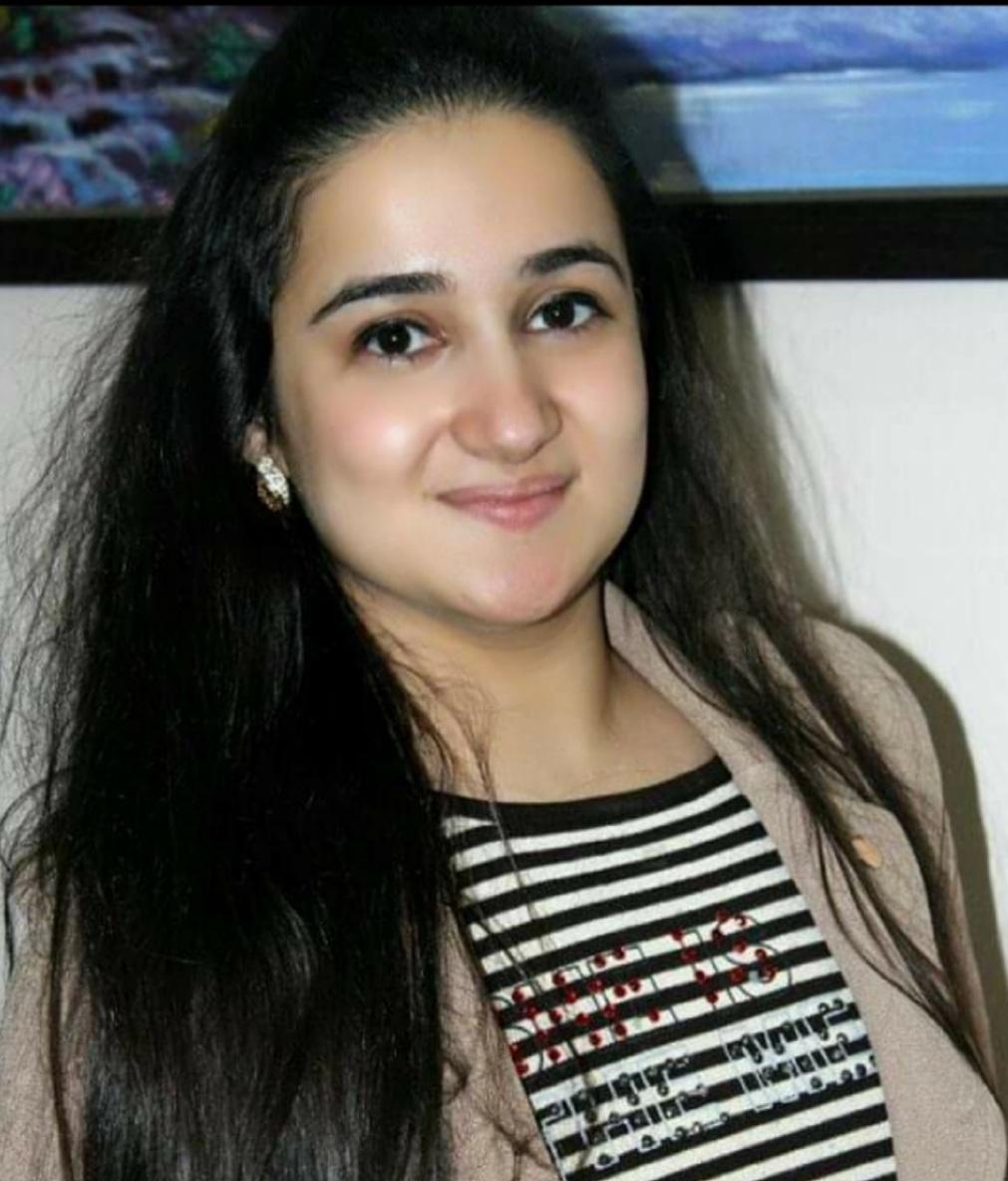
I am a Public Health Research Scientist with over 11+ years of work experience. I am currently working as a Senior Research Scientist at HRIDAY (Health Related Information Dissemination Amongst Youth), New Delhi, India. HRIDAY is a non-government research organization that focuses on conducting multi-disciplinary studies in epidemiological, operational, and behavioral research domains targeting key risk factors and air pollution associated with NCDs. I have completed my Ph.D. from All India Institute of Medical Sciences (AIIMS) and Lady Irwin College (University of Delhi), New Delhi. I currently serve on leading roles such as Chair of Communications at Global Research Network, Society for Research on Nicotine and Tobacco, TCCP Research Fellow working on Global Challenges Research Fund (GCRF)-TCCP, funded by UKRI and Fellow, Less Alcohol Unit, WHO HQ, with more than 40 published articles in the peer-reviewed journals.
The existing gaps in research focusing on tobacco-related disparities sparked my interest to take forward work in this field. The research work undertaken by me in collaboration with several partners, has led me to put in efforts for raising critical questions for generating empirical and evidence-based data, identifying future action plans for research, and developing strategic interventions for addressing tobacco-related disparities. It further ignited me to conduct research towards optimal approaches for health promotion, understanding tobacco industry interference, tobacco dependence (its patterns, prevalence) among other areas to foster improvements in health, particularly in marginalized populations globally and in India. Overall, my goal is to address research areas affecting marginalized, hard-to-reach, and/or understudied populations to develop and implement comprehensive low-cost interventions and programmes aimed at reducing such disparities.
3. What are your current research interests?
As a Senior Research Scientist at HRIDAY, I am involved in undertaking research towards understanding behavioral factors contributing to tobacco use and addiction, understanding the impact of tobacco control policies (both smoking and smokeless tobacco) such as taxation, advertising restrictions, Article 5.3, and smoke-free policies on reducing tobacco use, especially in marginalized populations and youth. Currently, I am undertaking projects/grants on building capacity for applied research to reduce tobacco-related harm in LMICs, funded by the UKRI; Socio-economic status (SES) differences in changing affordability of tobacco products; Second-hand smoke exposure among non-smoking Indian youth; Impact of COVID-19 lockdown on tobacco use, funded by Scottish Funding Council; Addressing smokeless tobacco use and building research capacity in South Asia – policy work stream funded by NIHR (University of York).
4. What do you hope your career in research will change in the field of tobacco control?
Tobacco use has significant disparities with adverse health effects affecting almost all sections of the society. I hope to employ my scientific skills in understanding and addressing tobacco-related health disparities for improving overall public health, identifying factors contributing to these disparities, developing interventions to reduce tobacco use in at-risk populations and evaluating the effectiveness of existing tobacco control policies and programs. Overall, I intend to work towards reducing the incidence of tobacco-related mortality and morbidity and achieving health equity by addressing tobacco-related disparities among different populations.
5. How has receiving the HEN travel scholarship benefited your work/career?
The HEN travel scholarship supported my travel to attend the SRNT Annual Meeting 2023. The scholarship provided me with an opportunity to meet other researchers, policymakers, and advocates working in the field of tobacco control, which led to new collaborations, new research ideas, and career opportunities. It gave me a platform to present my research findings through oral (1) and poster (2) presentations to a very large audience of thorough professionals and leaders in the field. It further helped in strengthening my skills in policy intervention development and implementation, and strategic communication to curb the tobacco epidemic. Being a part of the Mentor-Mentee programme was enlightening as well. My mentor’s experience and expertise helped me advance my knowledge and skills on diverse research areas in the field of tobacco control, networking, professional growth, and future opportunities.