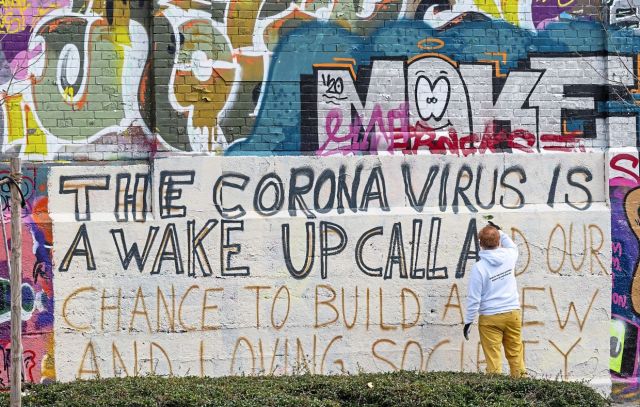
On this four-year anniversary of the World Health Organization labeling COVID-19 a pandemic, our newsletter focuses on health and healthcare. We include a lesson, author talks, children’s books, the plight of health care in Gaza, and this day in people’s history entries. We remember healthcare worker and SNCC veteran Dorie Ladner who died this week. | |
Who’s to Blame?
A People’s Tribunal on the Coronavirus Pandemic
| |
This lesson by middle-school teacher Caneisha Mills begins with the premise that a heinous crime is being committed as COVID-19 endangers tens of millions of people’s lives. But who or what was responsible for this crime? Students weigh the evidence. Share your feedback if you use the lesson. | |
Racism in Healthcare
Author Talks
| |
Legacy by Dr. Uché Blackstock
| |
Dr. Uché Blackstock spoke on Democracy Now! about her new book, Legacy: A Black Physician Reckons with Racism in Medicine about how racism shapes health and healthcare; maternal health and midwives; her family of physicians; healthcare as a human right; and more. | |
Under the Skin by Linda Villarosa | |
[One] problem was the intersection of environmental racism. In places that were already polluted, this was a problem of the lungs — if your lungs were damaged because you live near an incinerator, you live near a refinery, the air isn’t good in your community, then you’re going to have worse COVID hospitalization and higher death rates. And that happened right away in Cancer Alley. | | |
|
Pre-K–12 Books
Health and Healthcare
| |
Teaching Palestine-Israel
Health Care and Israel’s War on Gaza
| |
We are talking about war and genocide against everyone. What’s happening now in Gaza, since the beginning of the war until now, is a war against hospitals, a war against the healthcare system. Yes, hospitals have been destroyed, medical storehouses, as well. Many ambulance vehicles were destroyed. Many EMS officers were martyred. There have been direct and indirect targeting of paramedics. — Dr. Nassim Hassan, the head of the emergency unit at Nasser Hospital on Democracy Now! | | |
|
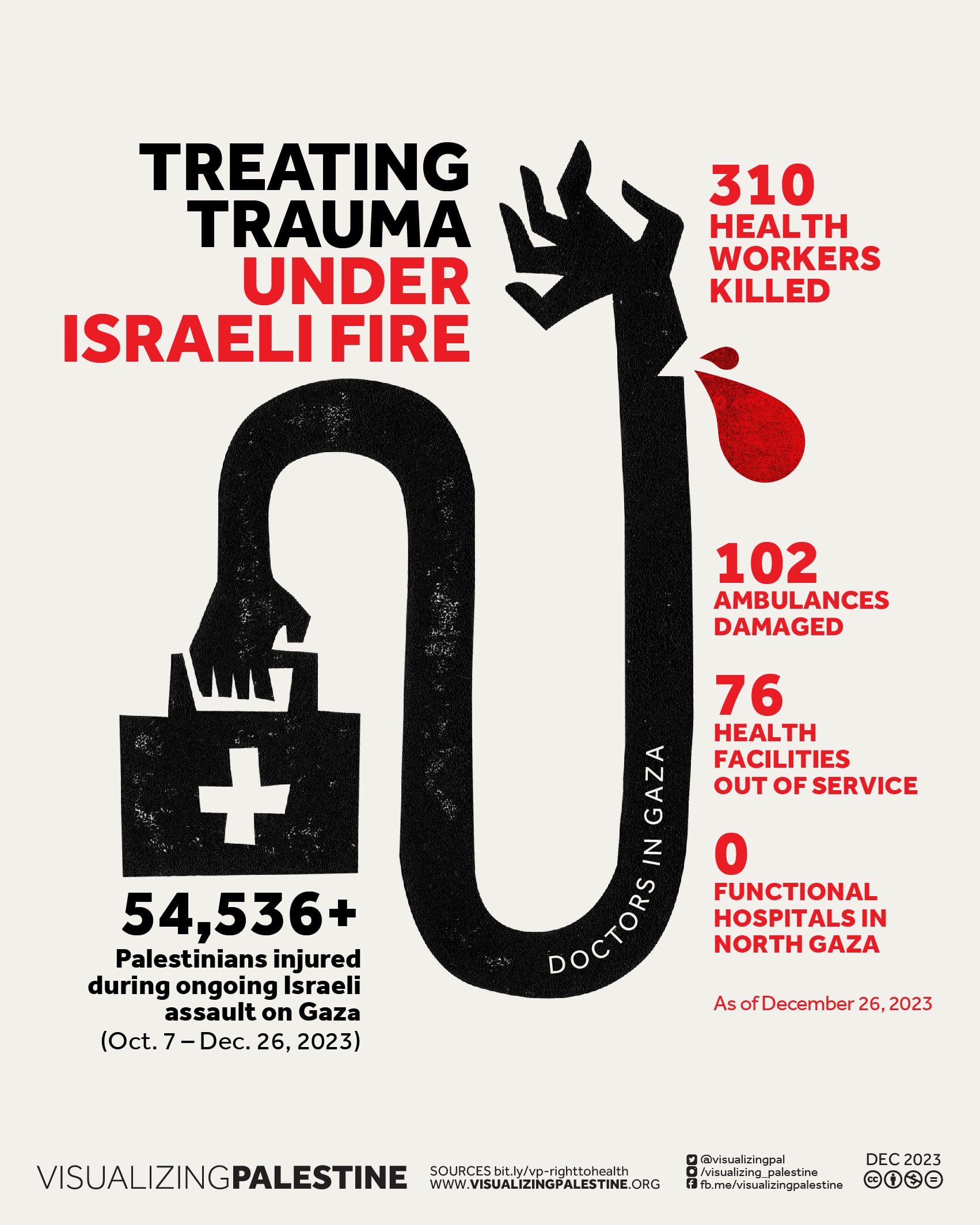
This infographic is from Visualizing Palestine.
The image is “a tribute to heroic health workers in Gaza, who are paying an unbearable price to save as many people as possible during the most recent genocide inflicted by Israel as of the end of December 2023.”
Find more classroom resources including lessons, podcasts, films, and articles to teach about Palestine-Israel.
| |
|
This Day in People’s History | |
|
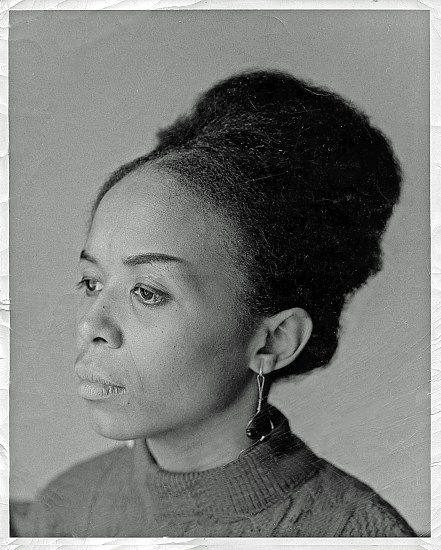
SNCC veteran and lifelong activist Dorie Ladner died on March 11, in Washington, D.C.
Raised in Mississippi, she saw first-hand the white supremacist violence used against anyone advocating for civil rights. As teenagers, Dorie and her sister Joyce were mentored by Clyde Kennard, Vernon Dahmer, and Medgar Evers. One by one, these inspirational leaders were murdered. Undeterred, Ladner organized in Jackson and Natchez, Mississippi. She later moved to Washington, D.C.
| |
Dorie Ladner, 1968. Photo by Fred Sweet. | |
|
Ladner worked as an emergency room social worker and was active in campaigns about D.C. statehood, incarceration, war, public health, education, and more. On Saturday mornings she spoke on Pacifica’s WPFW (89.3), and she inspired high school students during her visits in person and via Zoom.
In a 2014 interview, historian Emilye Crosby asked Ladner, “When you look back, what are the things that seem most important to you or that stand out for you?” She replied,
| |
That I did the best that I could to make a difference in the world for humanity. All humankind. And that I would do the same thing over again. And as long as I’m breathing, I will continue. I have always had fire, and always been ready to engage in something. And it's something that burns, you turn on a flame that burns for people who are being mistreated. | | |
Conferences and Classes
For Social Justice Educators
| |
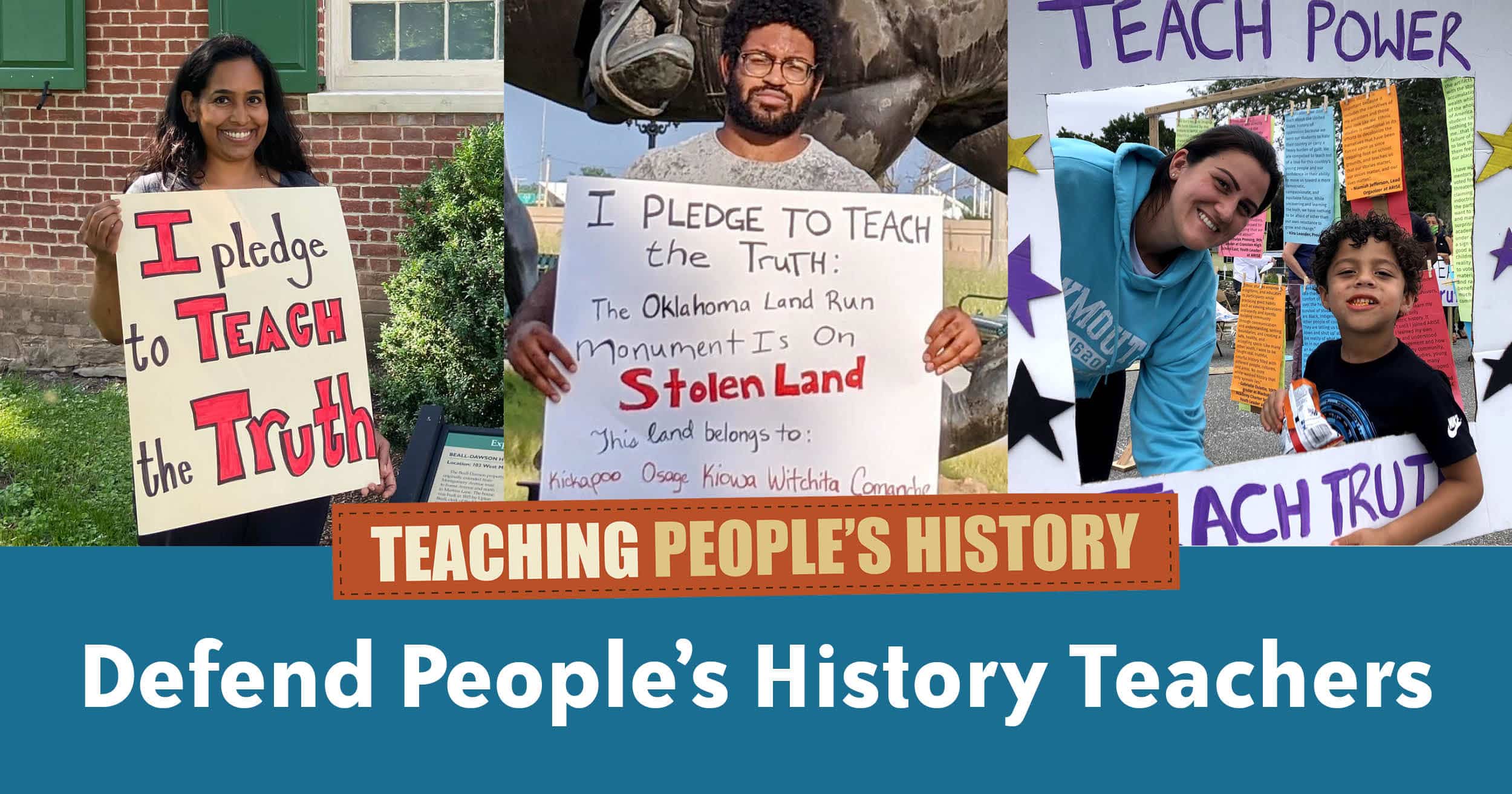
Teachers are under attack for teaching truthfully about U.S. history. Please donate so that we can continue to offer free people’s history lessons and resources, and defend teachers’ right to use them. | | | | |