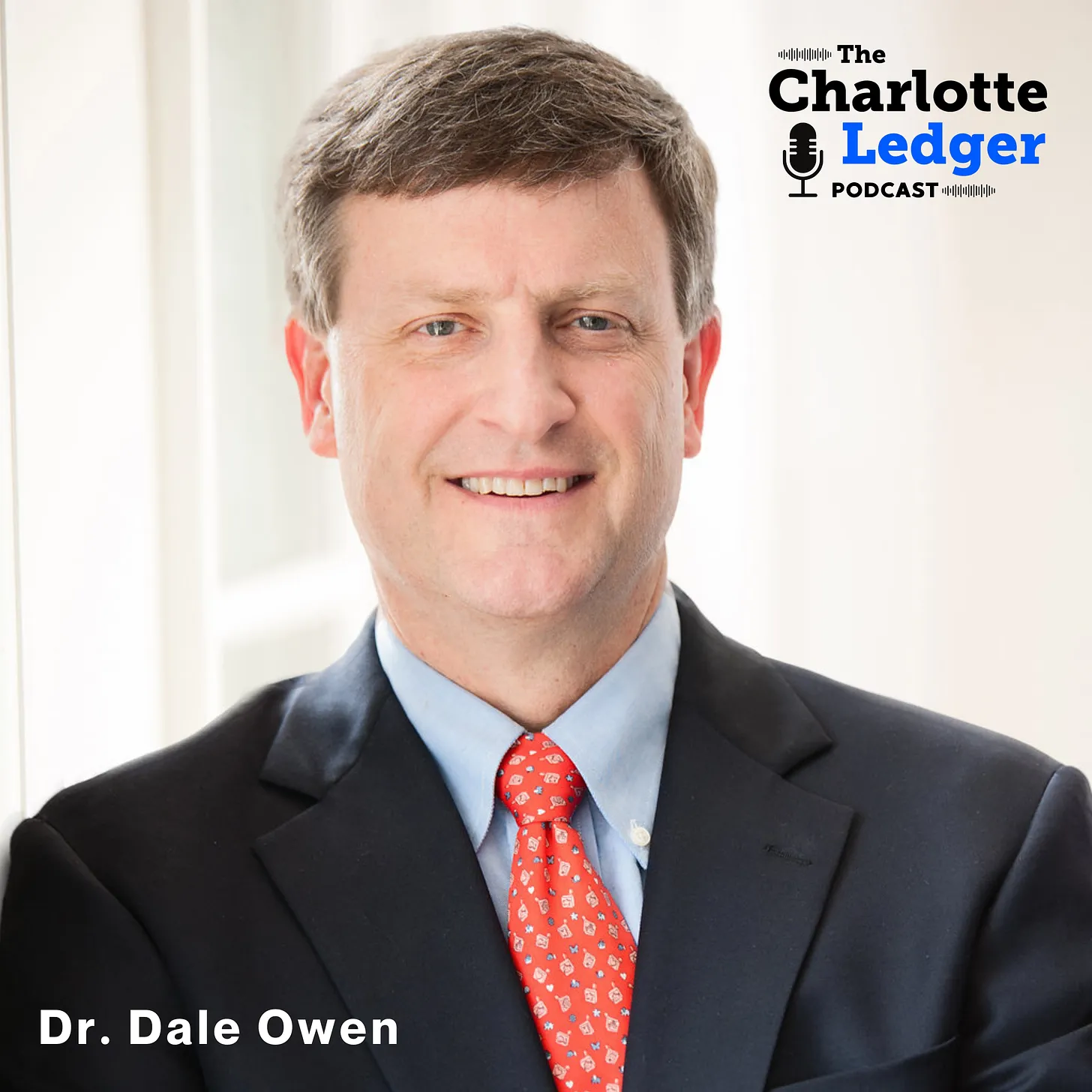
CEO Dr. Dale Owen "Talks Tryon" on The Charlotte Ledger podcast | |
|
Last month, Tryon CEO Dr. Dale Owen sat down with Tony Mecia, editor of The Charlotte Ledger, for a podcast about the practice.
The podcast covers:
- Tryon’s bold founding in 2018 and the challenge of building a medical practice from the ground up.
- How Tryon survived COVID, leveraging the commitment of physicians and creative problem-solving to differentiate its response.
- How the practice has grown over the past six years and what the organization will do next.
- How value-based care differs from fee-based care, and how Tryon is leading the way in value-based medicine.
| |
Avoiding holiday weight gain | |
|
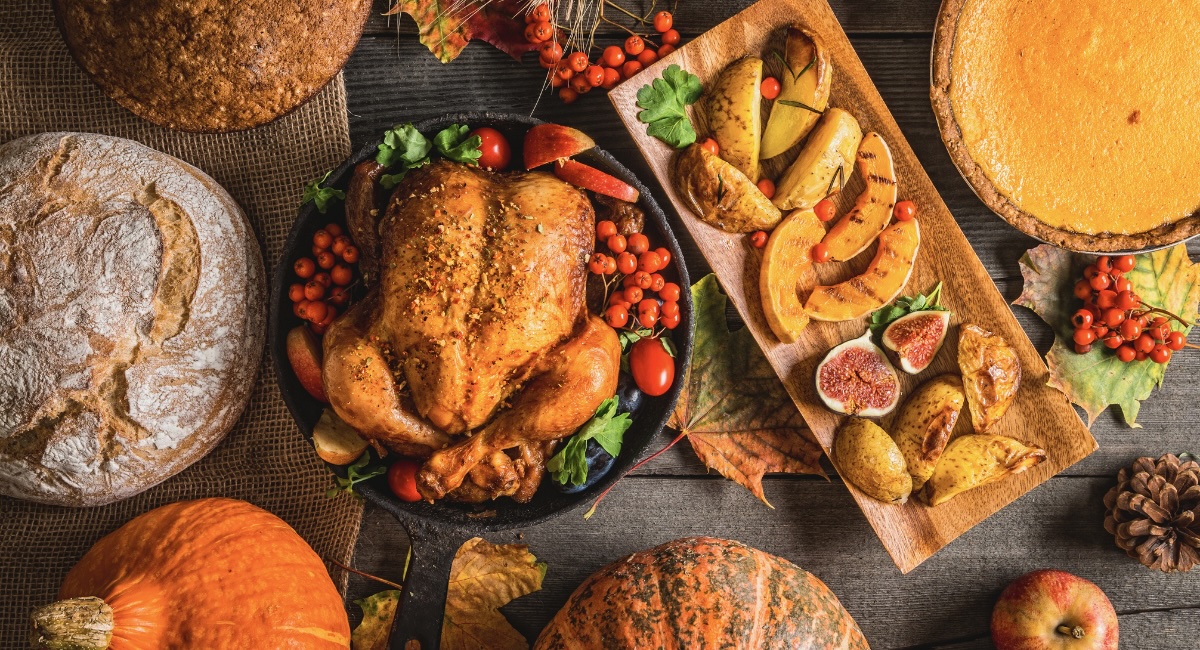
The holiday season is a time for celebration, family gatherings, and often indulgent meals. While it can be challenging to manage holiday weight gain during this festive period, staying mindful can have a positive impact on your outlook and waistline.
Tryon internal medicine specialist Dr. Remmouche is double board certified in obesity medicine and shares a few things to keep in mind, to ensure you can savor the holidays and keep your health goals on track.
| |
|
Average weight gain over the holidays is less than you think
Dr. Remmouche says that average weight gain around the holiday season is actually quite minimal: between 0.8 and 2 pounds.
“If you stop exercising and eating well for two months over the holidays, you may only gain one pound," Dr. Remmouche advises. "But if you see the weight gain and lose your motivation, it’s a vicious cycle and that might turn into many more pounds by the end of the year.”
| | | |
Rich food is not the sole culprit of holiday weight gain
-
Sleep. In the winter months, days are shorter and darker and the lack of natural light exposure can impact sleep.
-
Exercise. During the winter, people aren’t as motivated to go to the gym, and many people struggle with seasonal depression.
-
Alcohol consumption. Alcoholic beverages carry excess calories and cause inflammation, leading to insulin resistance.
| | | |
Choose healthier foods and consider fasting.
Intermittent fasting is an eating pattern that involves alternating between periods of fasting and eating. Dr. Remmouche recommends trying this a couple of times a week and working your way into fasting for longer stretches of time, not just around the holidays.
| | | |
Around the holidays, food means building memories with your family, honoring traditions and culture, and building social connection. Start by looking at food this way, rather than with guilt and frustration. Be mindful of what you’re eating, but make sure you’re enjoying the moment, too. - Dr. Ilhem Remmouche | |
When sadness is something more:
seasonal affective disorder (SAD)
| |
|
Seasonal affective disorder (SAD), often colloquially known as the “winter blues,” is a type of depression that’s related to changes in seasons.
Far more than simple moodiness, SAD is a recognized form of clinical depression that can significantly impact daily life, typically beginning in late fall and persisting through winter months.
Tryon internal medicine specialist Dr. Brownlee shares some key facts about seasonal affective disorder.
| |
|
Three things to know about SAD | |
The symptoms of seasonal depression are the same as major depressive disorder (known as "depression") but only occur at certain times of year. | |
Seasonal depression symptoms usually begin mid-late fall (October or November) and last through early spring (March or April). They tend to peak in February. | |
Seasonal affective disorder is much more common among people who live at higher altitudes, because lack of natural light is a contributing factor. | |
Circadian rhythms. Seasonal changes in circadian rhythms, or your body’s natural 24-hour cycle, are influenced by daylight length and may contribute to SAD symptoms. | |
Serotonin levels. People with SAD have lower levels of serotonin, a brain chemical that regulates mood. Shorter days may prevent molecules from functioning well, lowering serotonin levels. | |
Melatonin. The hypothalamus, a part of the brain, may not work properly due to a lack of sunlight, which can increase melatonin production. Melatonin is a hormone that makes people feel sleepy. | |
Antidepressants. Medications, such as bupropion hydrochloride, can offer some relief from SAD symptoms. These antidepressants can provide energy and motivation and increase the desire to socialize. | |
Psychotherapy. Therapy, also known as talk therapy, can also help you learn coping mechanisms to work through the depressive symptoms and interrupt thoughts that make the symptoms worse. | |
Light therapy. If there is not enough natural light, artificial light can provide many of the same benefits. Sitting under a specially designed light for 20 or 30 minutes can be an effective treatment for seasonal depression. | |
Clinical research opportunity | |
In close partnership with Javara, Tryon offers clinical trials for a range of health issues and conditions. With your help, we will find solutions to our most pressing medical challenges, and ensure that healthcare is working for all. | |
Obesity and Weight Loss Research Trial | |
|
To qualify for this obesity research trial, you must:
- Be 18 years of age and older
- Have a Body Mass Index ≥27
- Not have taken (last 3 months) glucose-lowering medications (Ozempic, Metformin, etc.)
If you meet these criteria and are interested, please fill out this form.
| |
|
Happy Holidays from Tryon Medical Partners! | |
|
We wish you happiness, health, and peace this holiday season. Thank you for another wonderful year!
Please make note of the following holiday schedule changes:
- Tuesday, Dec. 24, 2024 - Clinics will close at 1 p.m. but Tryon Patient Connect will answer the phones until 5 p.m.
- Wednesday, Dec. 25, 2024 - All administrative offices and clinics will be closed.
- Wednesday, Jan. 1, 2025 - All administrative offices and clinics will be closed.
Remember that MedChat is available 24-7!
| | | | |