From the Heart
Improving youth fitness through assessment, science and research.
| | |
February is American Heart Month:
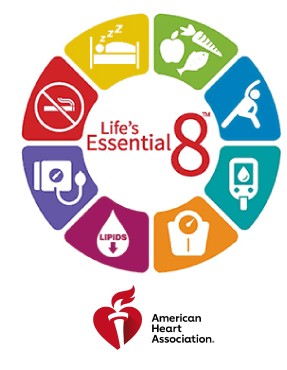
Introducing Life's Essential 8 for Kids
| | |
February is a perfect time to focus on habits that help children build strong, healthy hearts. The American Heart Association’s Life’s Essential 8 for Kids highlights eight important areas that support heart health and overall well-being from an early age. Together, these essentials remind students that heart health is shaped by everyday choices related to movement, nutrition, sleep, and healthy environments.
Life’s Essential 8 for Kids includes:
Balanced Bodies
Encouraging mindful eating and a balanced diet helps support healthy growth, energy levels, and overall heart health.
Building Blocks
Cholesterol plays an important role in building cells and producing hormones, but too much can be harmful. The American Heart Association recommends cholesterol screening for kids between ages 9–11 and again between 17–21 to help identify potential risks early.
Clear the Air
Avoiding smoking and exposure to tobacco products protects developing hearts and lungs and reduces long-term health risks.
Don’t Be Pressured
Maintaining healthy blood pressure is important for heart health. Avoiding high blood pressure early in life helps protect the heart over time.
In Motion
Regular physical activity strengthens the heart, muscles, and bones. Children should aim for at least 60 minutes of physical activity each day.
Sleep Tight
Getting enough sleep supports heart health, learning, mood, and recovery. Most children and teens need at least eight hours of sleep each night, depending on age.
Super Fuel
Creating a healthy eating pattern that includes a variety of nutrient-rich foods helps fuel activity, growth, and heart health.
Sweet Talk
Limiting added sugars is important, as eating too much sugar can negatively impact heart health over time.
During Heart Month, Life’s Essential 8 for Kids provides a simple, age-appropriate framework for helping students understand how to make healthier decisions. Physical education and school environments play an important role in reinforcing these messages by promoting movement, balance, and lifelong healthy behaviors.
| | |
Beyond the Gym: The PE Teacher's Playbook
Fueled for Fitness
| | |
Between back-to-back classes, whistle-blowing, and constant motion, PE teachers are basically professional energy managers. But running on fumes (or leftover student snacks) makes even the most fun lesson feel heavy. Nutrition isn’t about perfect Pinterest lunches. It is, however, about fueling your body so you can keep bringing the energy and patience throughout the day.
Eating the right things helps to stabilize energy, focus, and mood. Start by thinking fuel, not rules. Aim for simple, realistic upgrades that work with a PE schedule:
Snacks you can eat one-handed
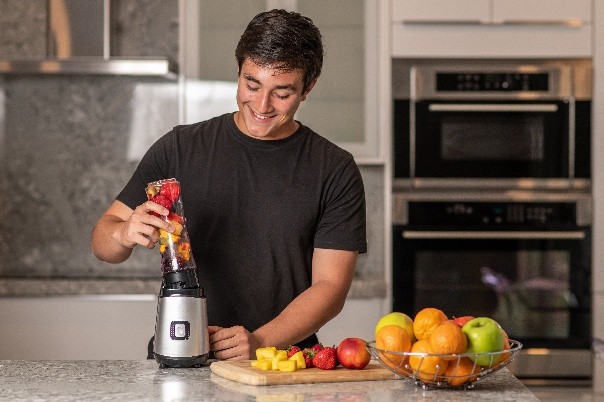
- If you need a quick pick-me-up in between classes, think jerky, cheese sticks, almonds, hard-boiled eggs, and a fruit smoothie.
Water is fuel too; you just have to actually remember to drink
- Does your Stanley routine need a boost? While research is limited about how fruits like lemon or cucumber impact hydration, one thing is for sure is that it likely tastes better. Choose your favorite fruit, drop it in, and drink up!
Make nutrition part of your fun culture, not another to-do. Share snack ideas with colleagues, keep a small “fuel station” in your office or equipment room, or challenge your department to try one new energizing snack each week. Eat well, move often, and keep having fun because your body is your most important piece of equipment.
| | Share the Love this Valentine's Day | | |
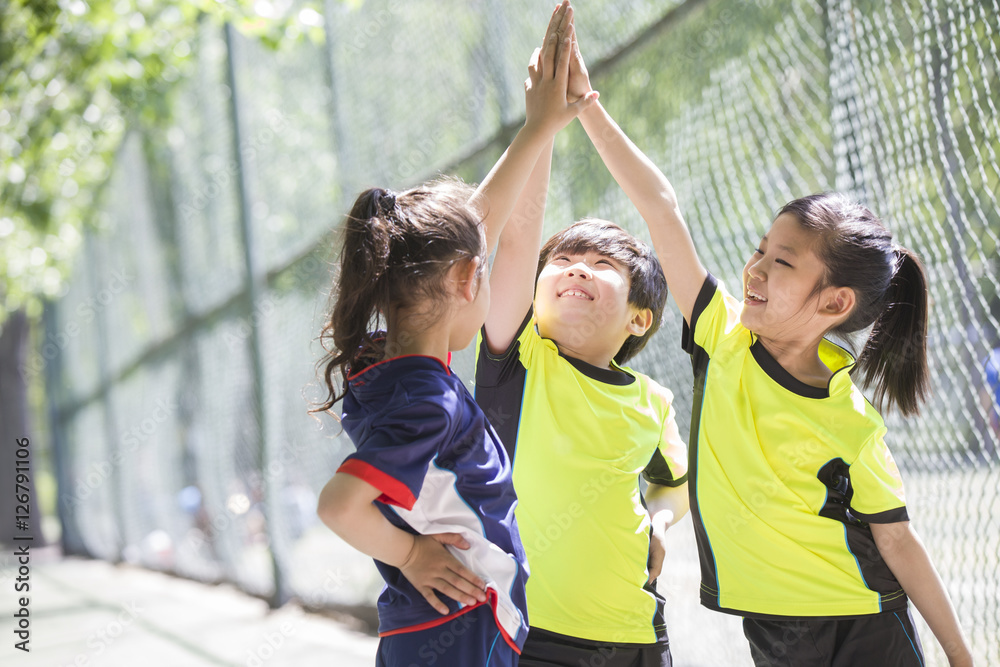
Valentine’s Day is all about love and what better way to share the love than by emphasizing collaboration and cooperative learning in physical education. Cooperative learning is beneficial for students because it builds essential life skills: teamwork, communication, and social connection, while creating a more inclusive and supportive learning environment. When students work together, they develop self-confidence, learn how to encourage peers, and practice problem-solving in real time. Research has shown that cooperative learning can also help reduce bullying and social isolation by shifting the focus from winning to belonging, setting students up for success both in and out of the gym.
Try these collaborative activity ideas in the gym:
- Partner Challenges: Students complete fitness tasks together (e.g., passing a ball while squatting, relay racing, or mirrored movements).
- Team Fitness Missions: Small groups work toward a collective goal (e.g., completing a certain number of total reps or laps as a team).
- Problem-Solving Games: Activities where teams must strategize together (e.g., obstacle courses or cooperative tag variations).
By prioritizing collaboration, PE teachers can create a positive, engaging space where every student feels valued. This Valentine’s Day, remind students that movement is stronger when we move together.
| | |
Building Medal-Worthy Foundations with FitnessGram
| | |
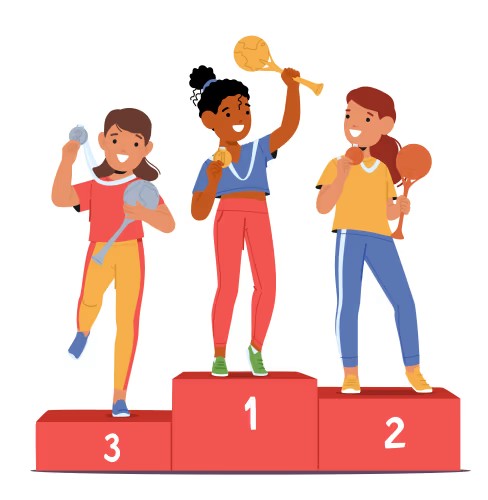
The Winter Olympics offer a timely reminder of what long-term investment in youth fitness and quality physical education can produce. Every Olympic skier, skater, and snowboarder began not with elite training, but with a foundation of movement. Skills including balance, coordination, strength, and aerobic fitness are developed early through play, sport, and structured physical education. These skills are not sport-specific. They are the biological and motor building blocks of lifelong physical activity.
Programs like FitnessGram help schools identify and support these foundational fitness components through age-appropriate assessments. The PACER assessment builds and monitors aerobic capacity, the plank to develop core strength and stability, and the vertical jump to reinforce lower-body power. What we celebrate on the Olympic stage is the result of years of physical literacy built systematically and intentionally. Exposure to diverse movement experiences in childhood increases physical literacy, confidence, and the likelihood of sustained physical activity across the lifespan. The Winter Games dramatize this pathway, and today’s medalists are yesterday’s physically active kids.
From Inspiration to Instruction
Turn Olympic inspiration into daily practice. Design a short “Winter Olympics Circuit” that rotates students through stations emphasizing key fitness and motor skills such as:
- Single-leg balance for speed skating
- Agility and lateral movement for ice hockey
- Core strength and stability through plank-inspired ski training
- Lower-body power through vertical jump for ski jumping
- Cardiorespiratory endurance through PACER-style biathlon intervals.
Emphasize effort, skill development, and personal improvement rather than competition.
When interpreted through a health-focused lens, FitnessGram data reflects the same capacities seen in elite sport including sustained endurance, explosive power, and trunk stability. The goal is not comparison, but competence and competence in what our bodies can do.
| | FREE NFL FLAG-in-School Training | | |
Headed to #SHAPEKC? Sign up for this free pre-conference event sponsored by GENYOUth’s NFL FLAG-In-School program!
Participants will learn how to implement NFL FLAG in their school using a curriculum developed in partnership with SHAPE America and aligned with the new SHAPE America National Physical Education Standards. As a bonus, all attendees will receive a free NFL FLAG-In-School kit, valued at $420, shipped directly to their school!
Date: Monday, March 16th
Time: 1-4 p.m. Training will begin promptly at 1 p.m., so please arrive in time to get settled.
Location: TBD. If transportation is needed, a shuttle will be provided.
Please note: Registration is first come, first served. Entry to the training facility will be verified using the registered participant list; no physical tickets will be issued. Please plan your travel and arrival to Kansas City accordingly.
| | You are receiving this newsletter because you have subscribed to FitnessGram by Kenneth H. Cooper Institute, NFL PLAY 60 FitnessGram Project, or the Healthy Zone Schools Program. Find the link below to unsubscribe if you are no longer interested in receiving it. | | | | |