Volume 6, Issue 4 | July 2026 | | | |
|
Your Monthly News
& Updates
| | Belonging, Friction, and the Future of Learning | | |
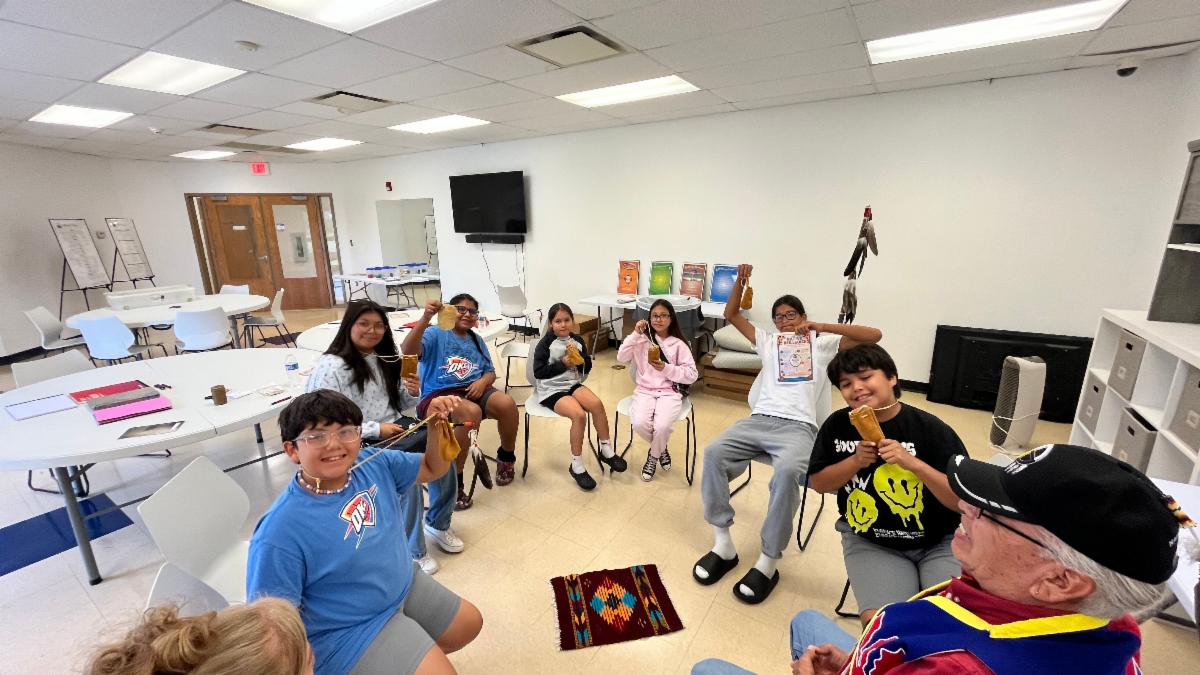
This month's articles all circle the same question: what does it actually take to help a young person grow, and what happens when we try to shortcut it? Our first article takes us to Oklahoma, where CEI's Founder Christine Mason spent a week with the Sac and Fox Nation as part of the Indigenizing the Compassionate School Leadership Approach project. From a museum tour with a Traditional Knowledge Keeper to a summer camp built around talking circles, drumming, and beadwork, the visit is a portrait of what compassionate, culturally-rooted education looks like when it's shaped by a community rather than imposed onto it.
Our second article turns to the classroom itself, asking what gets lost when we engineer the friction out of childhood. Whether it's a recess period trimmed for more desk time or an AI tutor that smooths over every stumble before a student notices it, the piece makes the case that struggle, mess, and social friction aren't inefficiencies to eliminate — they're the mechanism by which kids actually develop self-regulation and understanding.
Finally, we return to artificial intelligence, this time asking what it looks like when schools get it right. From tools designed to ask questions instead of give answers to a Virginia librarian’s lesson built on the rule that thinking comes first and AI comes second, this piece profiles the programs treating AI as a partner for thinking rather than a replacement for it.
Taken together, these three articles point toward the same truth: growth doesn't come from smoothing every hard moment away. It comes from communities, classrooms, and tools that make room for struggle, culture, and connection to do their work.
| | |
When Rooted in Culture, Grounded in Compassion: A visit with the Sac and Fox Nation
Christine Mason and Melanie Johnson, ICSL Project Co-Director
| | |
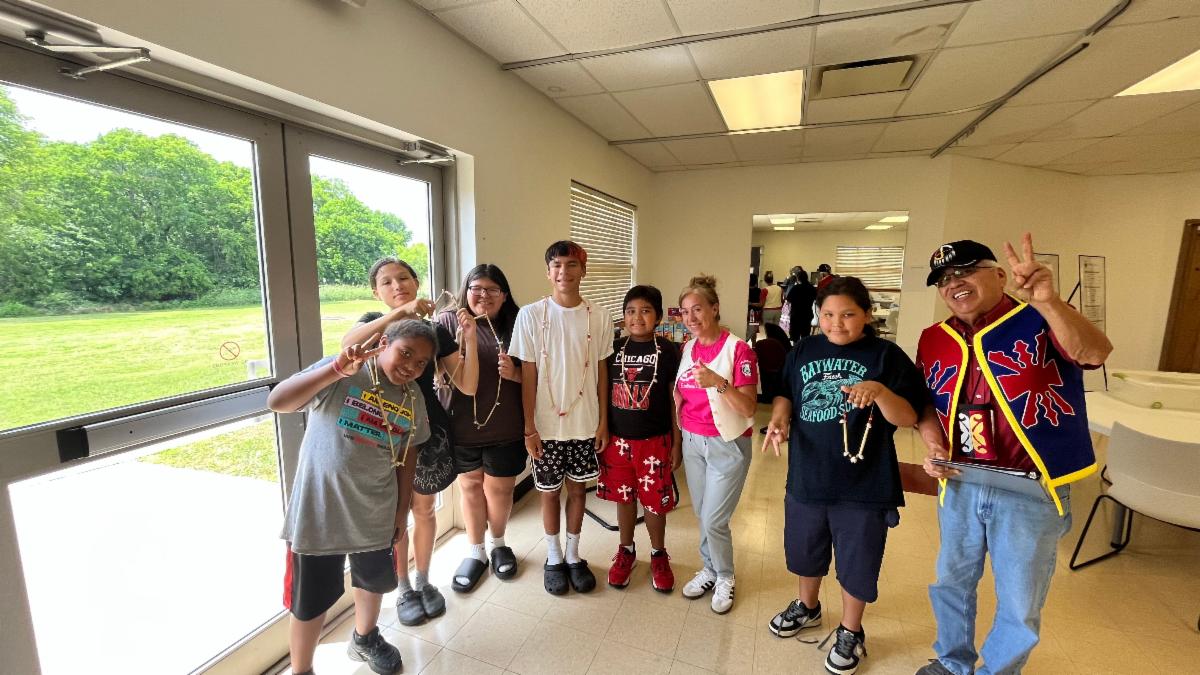
What does it look like when compassionate school practices take root in Indigenous communities — shaped not by outsiders, but by the wisdom, traditions, and relationships of the people themselves? This past May, CEI’s Founder and Senior Scholar Christine Mason traveled to Oklahoma to find out firsthand. What she discovered was a community where vulnerable Native teens needed more recognition and support — and a partnership full of promise.
The visit was part of CEI’s Indigenizing the Compassionate School Leadership Approach (ICSL) project, made possible through a grant from the Robert Wood Johnson Foundation. The ICSL initiative adapts CEI’s Compassionate School Leadership Academy and Heart Centered Learning framework to reflect the values, healing traditions, and leadership approaches of Native communities in collaboration with the Sac and Fox Nation Black Hawk Health Center and Oklahoma Education Department.
Meeting the Heartbeat of the Project
No single experience captured the spirit of this work better than the afternoon Christine spent at the First Americans Museum in Oklahoma City, guided by Harold Meek, a Sac and Fox Cultural Mentor and Traditional Knowledge Keeper. Harold’s tour offered an immersive window into the history, resilience, and living culture of the Sac and Fox Nation and neighboring Oklahoma tribes. That same visit included Christine’s participation in a Native Well-Briety meeting — a culturally grounded sobriety and wellness circle — also led by Harold.
Read more.
| | |
The Efficiency Trap: When Metrics Miss What Matters Most
Meghan Wenzel, CEI Co-Editor
| | |
Picture two classrooms.
In the first classroom, a seventh grader in the Bronx sits alone with a laptop, working through fraction problems with an AI tutor. She's engaged and getting most of the answers right, eventually. But she doesn't understand fractions conceptually, and no one in the room can see why. Not the AI, which just backs up and offers another step when she gets a question wrong; not the teacher, whose dashboard shows that the student is stuck but not what's actually broken (Polakow-Suransky, 2026).
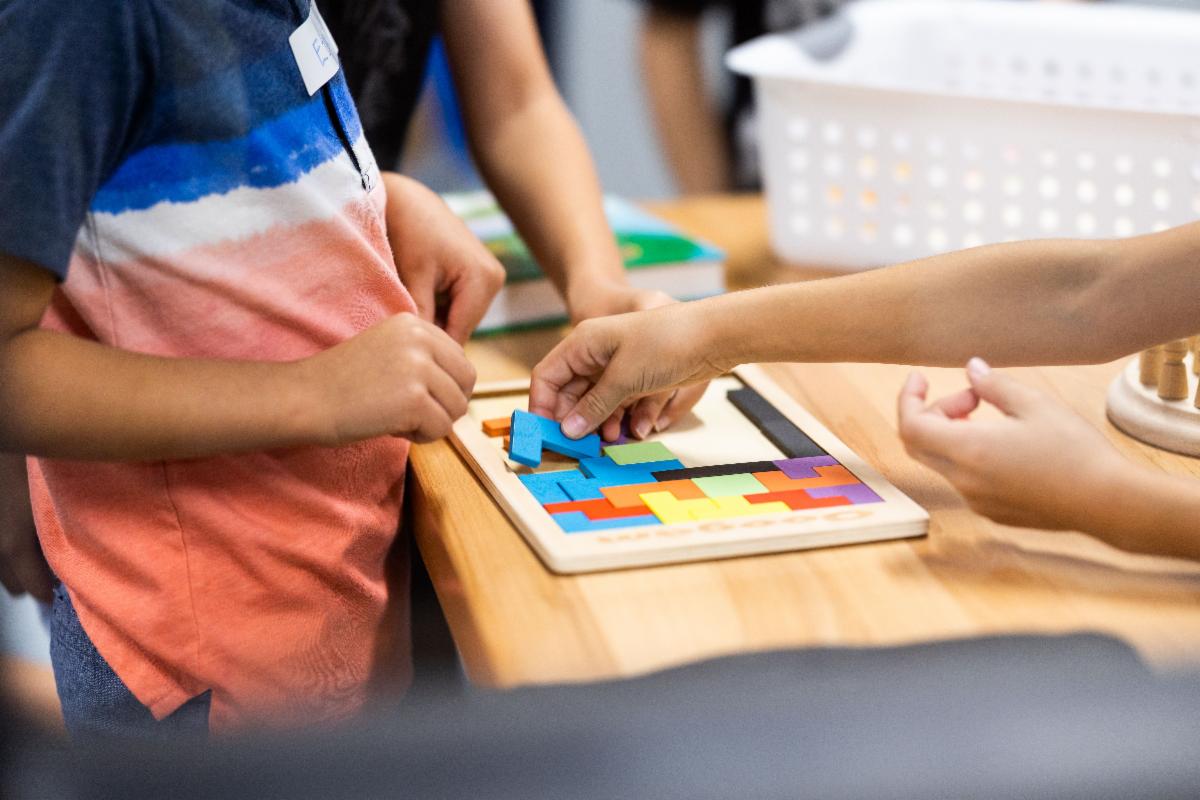
In the second classroom, a group of third graders files back inside after a fifteen minute recess. By 2 p.m., the fidgeting turns into shoving, the shoving into tears, and the teacher is now mediating a conflict instead of teaching a lesson. District leaders may read this as a "behavior problem" and respond with a new social-emotional learning curriculum or a stricter discipline policy, instead of realizing that “what policymakers view as a ‘frivolous reward’ is actually the primary vehicle through which the human brain develops executive functioning, emotional regulation, and social literacy” (Reyes-Hauff, 2026).
These two classrooms don't look alike. One is hyper-digital, while the other is stripped of screens entirely. But they are answers to the same question: what happens when we engineer the friction out of childhood in the name of efficiency?
The Underlying Pattern
Reyes-Hauff traces a policy history familiar to most educators: under pressure to raise test scores, schools treated recess, unstructured play, and even kindergarten dress-up corners as "fat" to be trimmed. The theory was simple — “more desk time equals more learning”. Play was recast as a reward to be earned, or withheld, rather than a developmental necessity.
Polakow-Suransky describes a parallel trade happening right now with AI. One-to-one AI tutors are efficient. They keep kids "on task," and early data show gains in procedural skills (Jose et al., 2025). But efficiency has quietly become a stand-in for learning itself...
Read more.
| | |
AI Is Changing How Students Learn, Part II: The Programs Getting it Right
Meghan Wenzel, CEI Co-editor
| | |
In our last issue, we examined AI's impact on student learning. While AI holds promise for personalization and equity, most students use it in ways that quietly erode the exact cognitive skills schools are trying to build. Outcomes depend mainly on how students engage with AI – so what does the right kind of engagement actually look like?
A New Way of Thinking About the Problem
In a recent essay in The Atlantic, journalist and author David Brooks argues that the defining divide in the AI age won't be between the technologically savvy and the left-behind. It will be between people who use AI to think more and people who use it to think less — a distinction he frames as "Mental Marathoners" versus "Productive Passengers" (Brooks, 2026).
Productive Passengers use AI to get things done faster, and in the short run, they succeed. But over time, "AI sucks you in" before it "threatens to hollow you out, as you become less capable and less knowledgeable." In a recent Carnegie Mellon study, researchers found that after just ten minutes of AI-assisted problem-solving, people who then lost access to AI performed worse than those who had never used it at all (Liu et al., 2026).
Mental Marathoners, by contrast, have a high need for cognitive challenge. They use AI strategically, asking for hints rather than answers, and do their own thinking and analysis before consulting the bot. Instead of asking AI to reason through a problem for him, Brooks's favorite technique is asking AI to stage a debate between two great scholars who have already wrestled with a topic. He treats AI "as a brilliant librarian rather than an oracle."
Read more.
| | |
Teaching Students How to Make Better Decisions
Ivy McDaniels, Guest Author
Students make thousands of decisions each day, about how they learn, how they interact with others, and how they respond to challenges. Yet students rarely receive direct instruction in how to make decisions.
Decision Education seeks to address this gap.
The Alliance for Decision Education (the Alliance) is a national nonprofit and field builder with the mission of improving lives by empowering students with essential skills and dispositions for making better decisions. Founded in 2014 and supported by experts in decision science and related fields—including several Nobel laureates—the Alliance works with educators, policymakers, researchers, and partners to help bring Decision Education into classrooms across the country.
Decision Education is the teaching and learning of skillful judgment formation and decision-making. It is an interdisciplinary approach that empowers students to gain agency by developing skills and dispositions that help them learn how to think, not what to think.
To support this work in schools, the Alliance developed the four K–12 Learning Domains of Decision Education:
- Thinking Probabilistically
- Valuing and Applying Rationality
- Structuring Decisions
- Recognizing and Resisting Cognitive Biases
Together, these domains provide a framework for helping students build durable skills that can support learning, relationships, and life beyond school.
Rather than introducing a separate program, Decision Education can often be integrated into existing subjects, advisory programs, or classroom discussions.
Free Resources for Educators
The Alliance offers a range of free professional learning resources designed to help educators learn about Decision Education and begin integrating these ideas into classroom practice.
Intro to Decision Education Course: The Alliance’s self-paced introductory course provides a foundation in the principles of Decision Education and introduces the four K–12 Learning Domains. Educators explore core ideas such as thinking probabilistically, recognizing cognitive biases, and cultivating dispositions like active open-mindedness and intellectual humility.
Teaching Resources: The Alliance’s Teaching Resources page offers classroom-ready lesson plans and activities for grades K–12. Educators can filter resources by Learning Domain to find materials that help you integrate Decision Education concepts into core and other content areas. Here, you can find lesson plans on diverse topics, such as: decision-making during the Cuban missile crisis, understanding group decision-making dynamics, and seeing problems as opportunities, and more.
Professional Learning Opportunities: For schools and educators interested in deeper engagement, the Alliance also offers workshops, webinars, and the Decision Education Teacher Fellowship. The Fellowship brings together educators from across the country to explore Decision Education, collaborate with peers, and share classroom practices.
Opportunities for Collaboration
The Alliance partners with schools, districts, charter management organizations, state agencies, and nonprofit organizations interested in expanding access to Decision Education.
Collaboration can include:
- Curriculum integration support to embed Decision Education skills and dispositions into existing subjects or advisory programs
- Professional learning experiences tailored to school or district priorities
- Participation in the Decision Education Incubator, which supports schools piloting innovative instructional models
- Engagement in the Decision Education Teacher Fellowship community
- Research partnerships that contribute to the growing evidence base for Decision Education
Whether schools are just beginning to explore Decision Education or are looking to deepen existing efforts, these partnerships aim to help educators empower students through instruction in decision-making.
To learn more, visit alliancefordecisioneducation.org.
Christine Mason serves as an advocate for the Alliance for Decision Making.
| Leading with Compassion:
A CEI Spotlight Series | |
As part of our bi-monthly eNews, we are excited to launch Leading with Compassion, a recurring feature highlighting members of the CEI community who are advancing trauma-informed practice, research, and heart-centered leadership across schools and systems.
CEI’s impact is powered by the dedication, innovation, and service of our Fellows, staff, advisors, and partners. Each edition, we will celebrate individuals whose work exemplifies our commitment to compassionate leadership and whole-child well-being.
This month, we celebrate Edwina Butler-Wolfe and Melody Mann.
| |
Edwina Butler-Wolfe
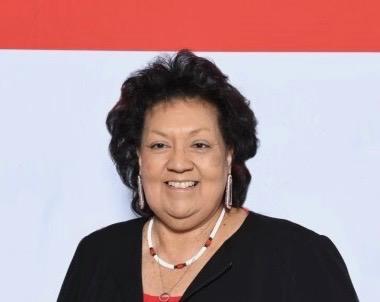
Edwina Butler-Wolfe is a citizen of the Absentee Shawnee Tribe of Oklahoma and a dedicated advocate for Native American education. With a career spanning over three decades, she has developed and implemented educational programs that boost student engagement and academic outcomes. She currently serves as Director of Education for the Sac and Fox Nation.
| |
Melody Mann
As Director of the Indigenizing the Compassionate School Leadership Approach (ICSL), this work exemplifies my commitment to culturally sustaining and supportive pedagogies and interventions. As a Punjabi-American doctoral candidate, I have dedicated my research and practice trajectory to highlight the strengths across culturally and linguistically diverse communities. Observing ancestral knowledge to weave lived experience with supports fosters not only a safe space but a more adept, intentional, and meaningful experience for students and families.
In my role with ICSL, I work to bridge research to practice with community input, team collaboration, and an open heart. Healing and learning are the foundational blocks for a brighter tomorrow. There is power in the collective. It is my hope that through ICSL students and families across the Sac & Fox Nation are celebrated, supported, and sustained.
| Upcoming Events and Announcements | | |
Sign the Decision Education Alliance's Pledge
At the Alliance, we believe that better decisions lead to better lives and a better society.
Show your support for bringing Decision Education to K-12 classrooms across the country by signing our Decision Education Pledge. By adding your name to our pledge, you help us demonstrate the growing demand for teaching decision-making skills and dispositions to every student throughout the United States.
By signing the Decision Education pledge, I agree that:
- When all students have access to Decision Education in their K-12 learning experience, we will begin to see a more open-minded, empathetic, and flourishing society.
- Decision Education can impact a student’s quality of life by empowering them to make better decisions.
- Decision-making is a fundamental skill we rely on every day, and equipping our students with strong decision-making skills sets them up for success both today and for their futures.
- The need for Decision Education has never been greater. Students make thousands of decisions every day in an information-rich world, where technology strongly influences decision-making, belief formation, and interpersonal connections.
- Integrating Decision Education into K-12 curriculum is essential for preparing students for success and resilience in this ever-changing world. The time is now to bring Decision Education to all K-12 students.
Show your support for the Decision Education Movement by signing the pledge.
| |
Award Winning Little Learners, Big Hearts
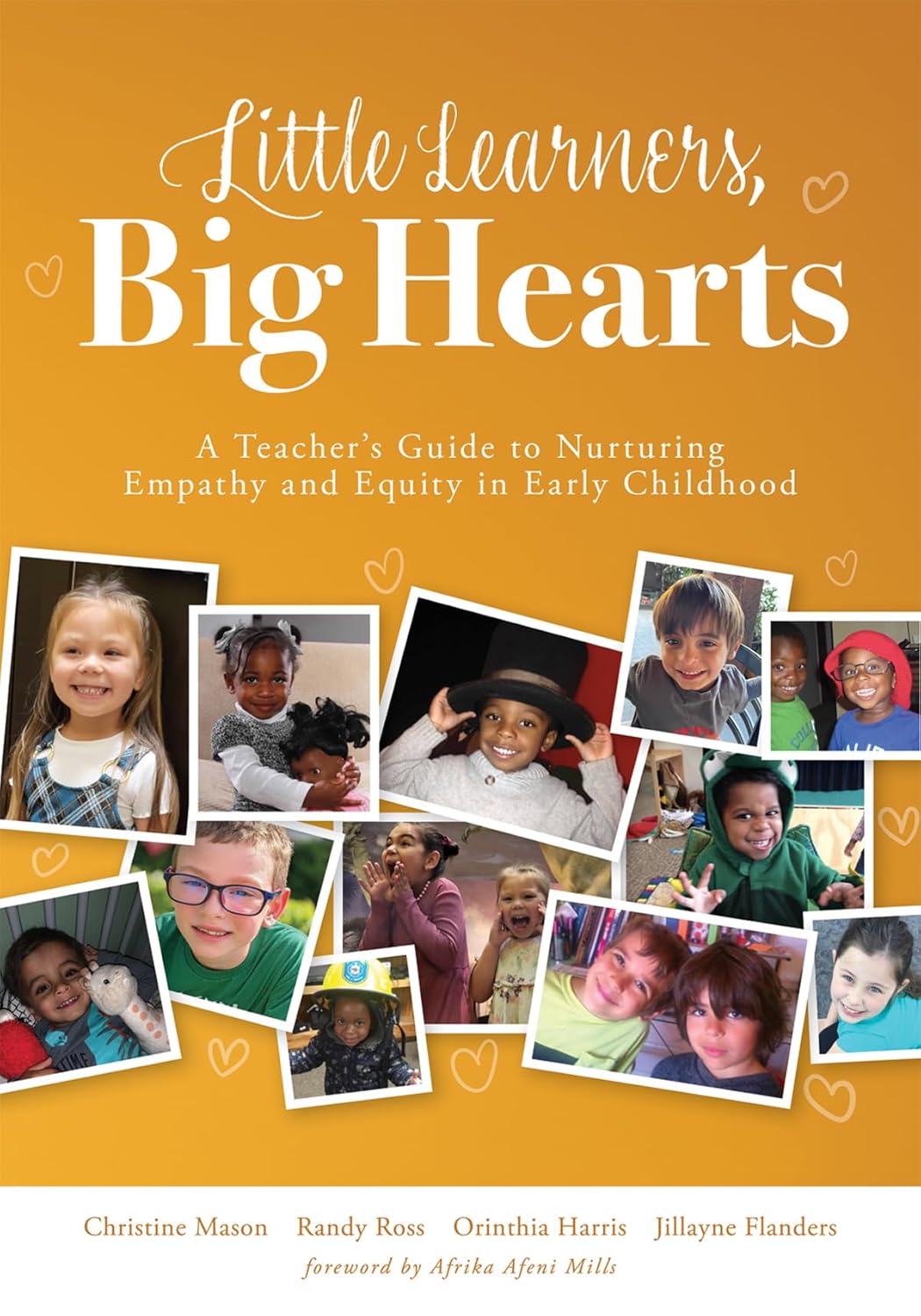
Little Learners, Big Hearts has been named the bronze award winner in the Education I category for the 2026 Independent Publisher Book Awards (IPPYs)!
Check it out here if you haven't yet.
| |
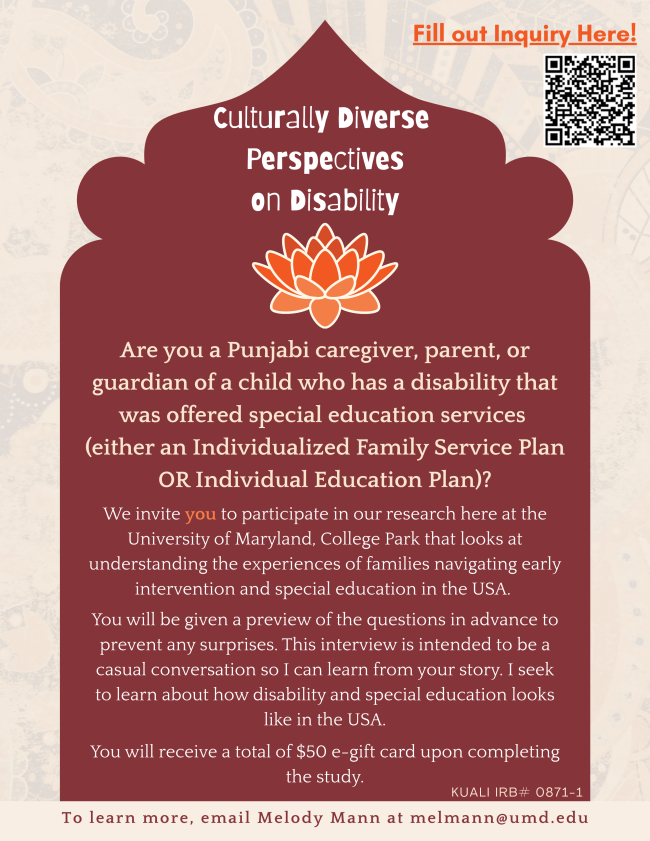
Are you a South Asian Caregiver, Punjabi, and Have Been Told Your Child has a Disability and Qualifies for Special Education and Related Services?
Melody Mann, CEI’s Research Lead, is requesting help in conducting her dissertation study. She is looking for South Asian caregivers who are Punjabi and have been told that their child has a disability and qualifies for special education and related services.
To learn more, conduct Melody at melmann@umd.edu with the subject title “Disability Caregiver Study.”
| |
You are also invited to join the HeartMind Community to receive discounts on publications and workshops, networking opportunities, and special offers for virtual consultations and additional resources from the Center for Educational Improvement.
| |
| |
CEI, a 501 c 3 non-profit has delivered free, monthly or bimonthly eNewsletters to over 12,000 annual subscribers since 2009. As we enter a new phase of growth, your tax-deductible support will help us keep providing resources on Heart Centered Learning®, trauma-responsive practices, Cultivating Happiness, and school wellness.
| | | | Editors: Lauren Kiesel and Meghan Wenzel | | | | |