Volume 6, Issue 5 | September 2026 | | | |
|
Your Bimonthly News
& Updates
| | Connected Communities, Compassionate Schools | | |
This month we contemplate: how do we build schools where both students and the adults who serve them can actually flourish? We open with a new column from CEI's newly appointed Executive Director, Kahlil M. Kuykendall, who asks a question too often left out of the wellness conversation: who is caring for our educators? She argues that compassionate schools can't run on individual grit alone — educator well-being has to be treated as an organizational responsibility, built into culture and leadership, not left to occasional initiatives.
From there, we turn to school safety, making the case that readiness isn't just about locks and drills — it's about the relationships and connection that help students and staff recognize risk, ask for help, and trust that someone will respond. Next, we look at identity and belonging, exploring how culturally responsive approaches to prevention can support Indigenous youth navigating the already-complex work of adolescence. The piece is a reminder that resilience isn't generic — it's rooted in culture, community, and a young person's sense of where they belong.
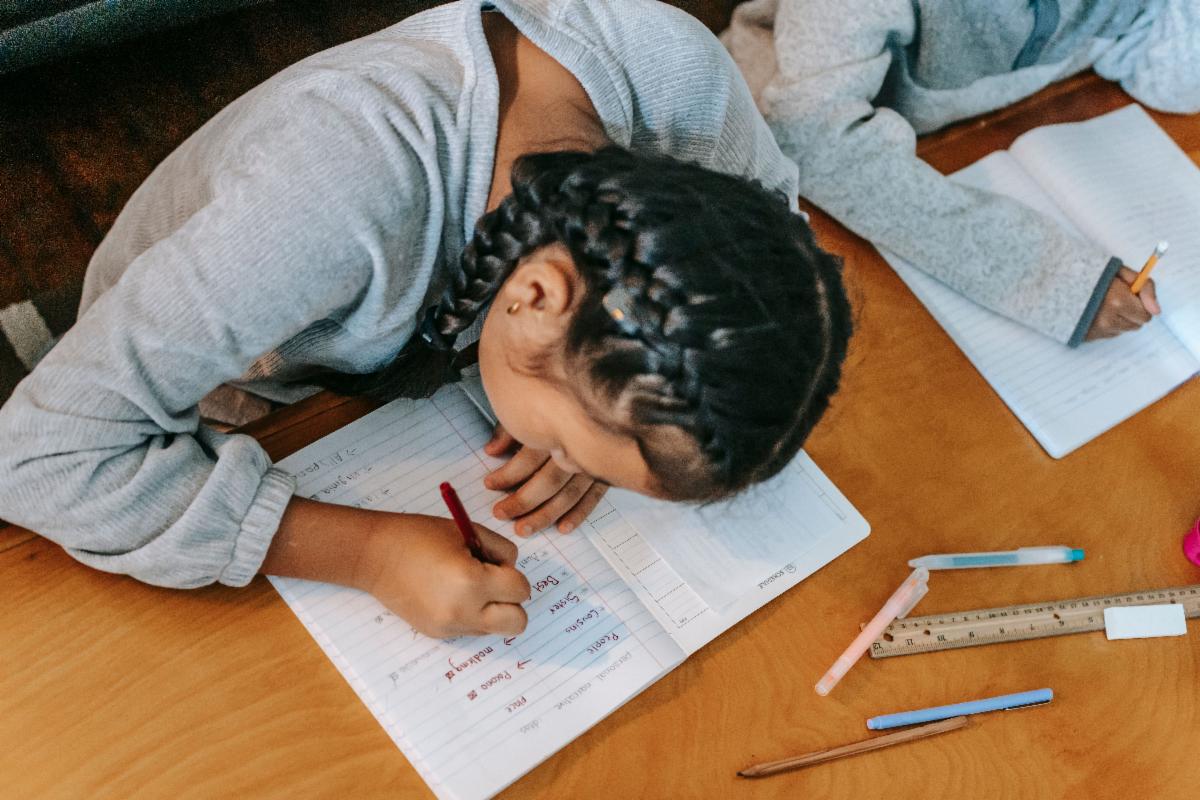
Finally, we ask what a decidedly analog skill — handwriting — still has to teach us in a digitized, keyboard-first world. Müller and Wenzel make the case that the slow, deliberate act of forming letters by hand does something for attention, memory, and learning that typing can't replace. Taken together, the articles in this issue point to the same idea: whether it's an educator, a student, or a community, growth and safety both start with feeling supported, seen, and connected.
| | From the Executive Director | |
Compassion Begins with Us…
Why Educator Well-Being Is Essential to Compassionate Schools
"Students flourish when the adults who serve them are supported, connected, and empowered to flourish as well."
Welcome to the inaugural column of From the Executive Director.
It is both an honor and a privilege to serve as Executive Director of the Center for Educational Improvement (CEI). As I begin this journey, I have spent time reflecting on a simple but profound question:
What does it truly take to build compassionate schools?
Throughout my career as an educator, economist, professor, youth development specialist, mindfulness instructor, and wellness practitioner, I have learned that meaningful change rarely begins with programs or policies alone. It begins with people. It begins with relationships. It begins with the willingness to see one another with compassion.
At CEI, we have long championed the belief that every child deserves to learn in a school where they feel safe, valued, respected, and inspired to reach their fullest potential. As we continue advancing compassionate school leadership and whole-child education, I believe we must also ask an equally important question:
Who Is Caring for the Adults?
Every day, educators do extraordinary work.
They inspire curiosity.
They comfort students experiencing trauma.
They navigate increasing academic expectations.
They partner with families.
They mentor future leaders.
They create classrooms where hope can flourish.
Yet, too often, they do so while carrying significant stress themselves.
Across the nation, educator burnout, compassion fatigue, and workforce shortages continue to challenge our schools. While conversations about student wellness have rightly expanded, the well-being of educators and school staff must become part of the same conversation.
Educator wellness is not simply an individual responsibility.
It is an organizational responsibility.
Schools cannot sustain compassionate environments if the adults responsible for nurturing students lack the support, connection, and resources needed to thrive themselves.
Compassion Is a Culture
Compassion is much more than kindness.
It is reflected in the way leaders listen.
The way colleagues support one another.
The way conflict is addressed.
The way families are welcomed.
The way every member of the school community experiences belonging.
Compassionate schools intentionally create cultures where both students and adults feel psychologically safe, respected, valued, and connected.
This requires more than occasional wellness initiatives.
It requires intentional leadership.
It requires systems that recognize educator well-being as essential—not optional.
A Shared Responsibility
Creating compassionate schools is not the responsibility of one individual.
It belongs to all of us.
School leaders.
Teachers.
Support staff.
Families.
Students.
Community partners.
Each interaction contributes to the culture we create together.
As we begin this next chapter at CEI, I look forward to partnering with educators, researchers, families, and communities to continue advancing compassionate school leadership, educator well-being, equity, belonging, and the conditions that allow every learner—and every adult—to flourish.
Together, we can build schools where compassion is not simply something we teach.
It is something we practice every day.
Pause & Reflect
Before moving on with your day, I invite you to pause for just a moment.
Ask yourself:
-
How am I caring for myself so that I can fully care for others?
-
What is one intentional action I can take this week to strengthen the well-being of the adults in my school community?
-
How can I model compassion, presence, and resilience for my students and colleagues?
Compassionate schools begin with compassionate people.
Every conversation...
Every relationship...
Every act of kindness...
...helps create a culture where students and educators alike can flourish.
This month, choose one intentional action that nurtures both your own well-being and the well-being of someone else in your school community.
I invite you to share your reflections, stories, and practices with us as we continue learning together.
With gratitude,
Kahlil M. Kuykendall
Executive Director
Center for Educational Improvement
| | |
The Human Side of School Safety: Building Readiness Through Connection
Nicole Benquechea, Research Assistant & Social Media Specialist
| | |
When school safety is discussed, the conversation often centers on emergency plans, drills, secure entrances, and response protocols. These safeguards are important, but they represent only one part of a comprehensive approach to safety.
A safe school is also a place where adults notice when something has changed, students know whom they can trust, and school personnel are prepared to respond with calm, care, and sound judgment. This human-centered approach was reflected in the Human Side of School Safety training developed by M.C. Kimball and Associates, Inc., in collaboration with the We’ve Got Your Back® Student Safety Program.
The training emphasizes the relationship between emotional intelligence and situational awareness. Participants learn how to recognize behavioral and environmental warning signs, remain composed under pressure, make informed decisions, and respond with clarity and compassion during uncertain or high-stress situations (M.C. Kimball and Associates, Inc., 2026a; 2026b).
Read more.
| | |
Indigenous Identity, Belonging, and the Role of Culturally Responsive Prevention
Kristol Cleaton, CEI Research Assistant
| |
Adolescence is a period of significant emotional, social, and psychological development. During this time, young people begin to establish their identity and determine where they belong within their families, schools, and communities. While these developmental challenges are common for all adolescents, they are even more complex for youth who are also navigating discrimination, cultural marginalization, or multiple cultural identities.
Developmental psychologist Erik Erikson described adolescence as the stage of identity versus role confusion, in which individuals strive to develop a stable sense of self. For bicultural adolescents, this process often involves balancing the expectations of two or more cultural worlds, each with different values surrounding family, education, success, and self-expression (Ehrmann, 2026). Learning to integrate these perspectives can be both enriching and challenging.
For Indigenous adolescents, identity formation carries additional significance. Indigenous identity is rooted not only in heritage, but also in language, community, traditions, ancestral lands, and tribal sovereignty. Yet American Indian and Alaska Native peoples are often viewed as a single racial group rather than members of hundreds of distinct Tribal Nations (Brayboy, 2005), each with unique histories and cultural practices. This oversimplification can diminish cultural visibility and contribute to feelings of isolation among Indigenous youth.
Read more.
| | |
Handwriting in a World Full of Distractions: What Can Handwriting Teach Us Today?
Yanik Müller, Guest Author and Teacher, and Meghan Wenzel, CEI Co-Editor
| |
What is the point of handwriting in an increasingly digitized and computational world, one where a keyboard is almost always within reach? Can the slow, deliberate act of forming letters by hand still contribute something to how we learn, or even to how disciplined we become? At first glance, defending handwriting can feel a little like defending the fax machine in the age of email: nostalgic, maybe, but out of step with how the world actually works. Yet a closer look at the cognitive science of learning suggests the case is not so easily dismissed.
The most obvious argument against handwriting is time. Typing simply outpaces handwriting; most adults type two to three times faster than they write by hand. Time is the one resource we cannot buy more of, so it is worth asking why choose a slower method when a faster one beckons.
But learning is not simply the efficient transfer of information from one place to another. It is a matter of how information is processed, retained, and put to use over time. That reframes the question. Rather than asking if handwriting is fast, we should ask if it is effective: can handwriting facilitate, or even improve, learning in ways that typing cannot? And can it help make learning more lasting and more disciplined in a world engineered to distract us?
Read more.
| | |
Teaching Students How to Make Better Decisions
Ivy McDaniels, Guest Author
Students make thousands of decisions each day, about how they learn, how they interact with others, and how they respond to challenges. Yet students rarely receive direct instruction in how to make decisions.
Decision Education seeks to address this gap.
The Alliance for Decision Education (the Alliance) is a national nonprofit and field builder with the mission of improving lives by empowering students with essential skills and dispositions for making better decisions. Founded in 2014 and supported by experts in decision science and related fields—including several Nobel laureates—the Alliance works with educators, policymakers, researchers, and partners to help bring Decision Education into classrooms across the country.
Decision Education is the teaching and learning of skillful judgment formation and decision-making. It is an interdisciplinary approach that empowers students to gain agency by developing skills and dispositions that help them learn how to think, not what to think.
To support this work in schools, the Alliance developed the four K–12 Learning Domains of Decision Education:
- Thinking Probabilistically
- Valuing and Applying Rationality
- Structuring Decisions
- Recognizing and Resisting Cognitive Biases
Together, these domains provide a framework for helping students build durable skills that can support learning, relationships, and life beyond school.
Rather than introducing a separate program, Decision Education can often be integrated into existing subjects, advisory programs, or classroom discussions.
Free Resources for Educators
The Alliance offers a range of free professional learning resources designed to help educators learn about Decision Education and begin integrating these ideas into classroom practice.
Intro to Decision Education Course: The Alliance’s self-paced introductory course provides a foundation in the principles of Decision Education and introduces the four K–12 Learning Domains. Educators explore core ideas such as thinking probabilistically, recognizing cognitive biases, and cultivating dispositions like active open-mindedness and intellectual humility.
Teaching Resources: The Alliance’s Teaching Resources page offers classroom-ready lesson plans and activities for grades K–12. Educators can filter resources by Learning Domain to find materials that help you integrate Decision Education concepts into core and other content areas. Here, you can find lesson plans on diverse topics, such as: decision-making during the Cuban missile crisis, understanding group decision-making dynamics, and seeing problems as opportunities, and more.
Professional Learning Opportunities: For schools and educators interested in deeper engagement, the Alliance also offers workshops, webinars, and the Decision Education Teacher Fellowship. The Fellowship brings together educators from across the country to explore Decision Education, collaborate with peers, and share classroom practices.
Opportunities for Collaboration
The Alliance partners with schools, districts, charter management organizations, state agencies, and nonprofit organizations interested in expanding access to Decision Education.
Collaboration can include:
- Curriculum integration support to embed Decision Education skills and dispositions into existing subjects or advisory programs
- Professional learning experiences tailored to school or district priorities
- Participation in the Decision Education Incubator, which supports schools piloting innovative instructional models
- Engagement in the Decision Education Teacher Fellowship community
- Research partnerships that contribute to the growing evidence base for Decision Education
Whether schools are just beginning to explore Decision Education or are looking to deepen existing efforts, these partnerships aim to help educators empower students through instruction in decision-making.
To learn more, visit alliancefordecisioneducation.org.
Christine Mason serves as an advocate for the Alliance for Decision Education.
| Leading with Compassion:
A CEI Spotlight Series | |
As part of our bimonthly eNews, we are excited to launch Leading with Compassion, a recurring feature highlighting members of the CEI community who are advancing trauma-informed practice, research, and heart-centered leadership across schools and systems.
CEI’s impact is powered by the dedication, innovation, and service of our Fellows, staff, advisors, and partners. Each edition, we will celebrate individuals whose work exemplifies our commitment to compassionate leadership and whole-child well-being.
This month, we celebrate Samantha Pleets and Chelsea Waldrop.
| |
Samantha Pleets
Sac and Fox, Standing Rock Sioux
Samantha is a Behavioral Health Case Manager II, Peer Recovery Support Specialist (PRSS), and MSW graduate student at the University of Oklahoma. She serves with the Sac and Fox Nation Black Hawk Health Center Behavioral Health Department, where she provides behavioral health case management, crisis intervention, outreach, suicide prevention education, and recovery support services.
Samantha is actively involved in the implementation of the 988 Tribal Response Grant, leading community outreach efforts, developing suicide prevention initiatives, coordinating educational events, and building partnerships to increase access to culturally responsive behavioral health services. Her work focuses on reducing stigma, strengthening community connections, and improving access to mental health resources, particularly within Tribal communities. She is a key contributor in the integration of client services and played a foundational role in the success of our initial 988 Tribal Response Grant.
As an MSW practicum student, Samantha integrates evidence-based practices including Cognitive Behavioral Therapy (CBT), Dialectical Behavior Therapy (DBT) skills, trauma-informed care, and expressive arts into her work with individuals experiencing mental health and substance use challenges. She is passionate about meeting people where they are, empowering resilience, and creating meaningful connections that promote healing and hope.
| |
Chelsea Waldrop
Chelsea is a Board-Certified Physician Assistant with a Certificate of Additional Qualification (CAQ) in Psychiatry. She currently serves the Sac and Fox Nation as the Clinical Director of the Behavioral Health Program, where she has worked to expand access to comprehensive mental health services for Tribal members living in chronically underserved communities and those at increased risk for suicide.
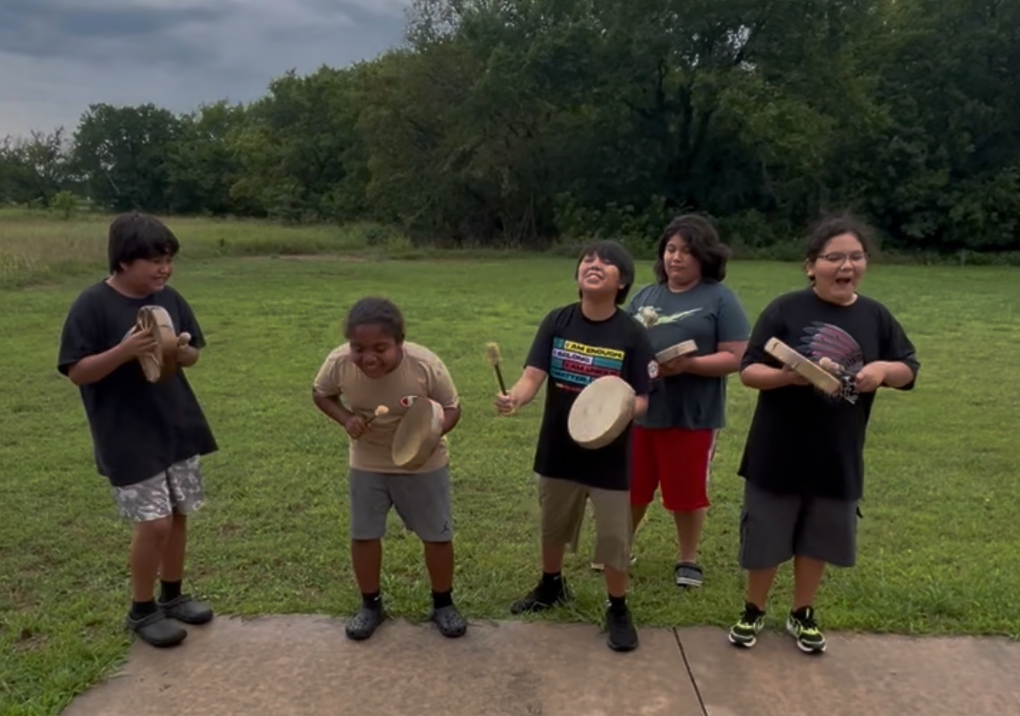
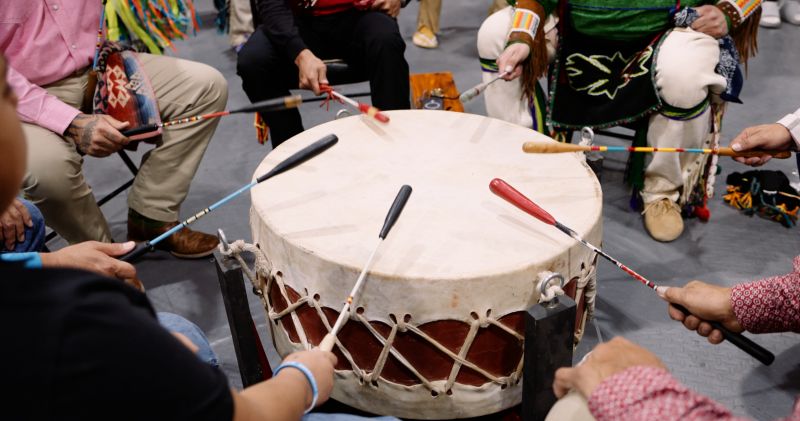
She believes that "Culture is Connection, and Connection is Community," recognizing that both are essential to promoting mental health and overall well-being. Through the 988 Tribal Response Grant Program, the Behavioral Health Clinic provides outreach, case management, therapeutic counseling, and medication management while also integrating traditional healing practices. These include talking circles, Wellbriety, cultural education classes, the Youth Summer Culture Camp, and the recent 988 We Belong Powwow, that took place September 11–12, 2026.
She brings a diverse background in healthcare, public policy, and higher education to her leadership role. Her previous experience includes serving as a Policy Analyst for multiple Department of Defense agencies, Operations Manager for the Department of the Army Veterinary Clinic in Spangdahlem, Germany, and Adjunct Professor at the University of Maryland University College. Drawing on this breadth of experience, she continues to advance the growth of the Behavioral Health Clinic to better meet the needs of the community. Chelsea holds an undergraduate degree in Microbiology from Arizona State University, a master's from Georgetown University in Biohazardous Threat Agents and Emerging Infectious Diseases, and her Master of Medical Science from the Yale School of Medicine.
| Upcoming Events and Announcements | | |
Call for Authors
Call for Authors for Special Rights, Shared Possibilities: Reggio Emilia Practices for Inclusive Early Childhood Classrooms.
Deadline Extended: September 30th, 2026, 11:59 PM Eastern Time
Learn about it here.
| |
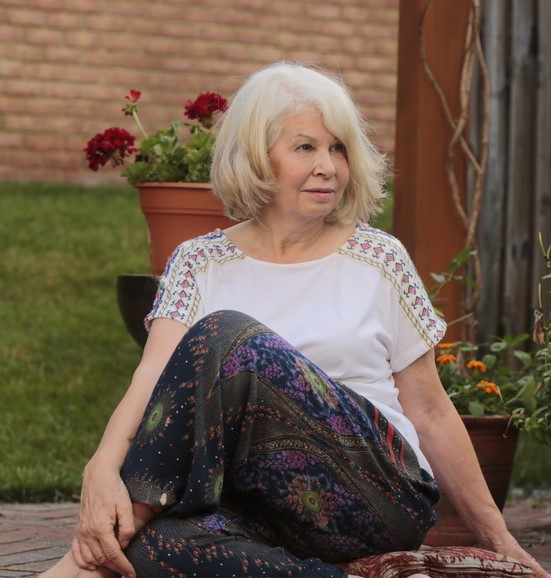
Dr. Mason is now a Certified Yoga Life Coach
Dr. Christine Mason, CEI’s founder and senior scholar, is now a Certified Yoga Life Coach, having completed 60 hours of training in Yoga Therapy from Ravi Singh and the Evolving Kundalini Association. The course explored how yoga therapists can best support adults and children who have experienced significant trauma, along with the value of yoga techniques for stress reduction, healing, expanding consciousness, and personal growth. She'll be weaving these newly honed skills into her ongoing work—watch for new tips for educators and students!
| |
You are also invited to join the HeartMind Community to receive discounts on publications and workshops, networking opportunities, and special offers for virtual consultations and additional resources from the Center for Educational Improvement.
| |
| |
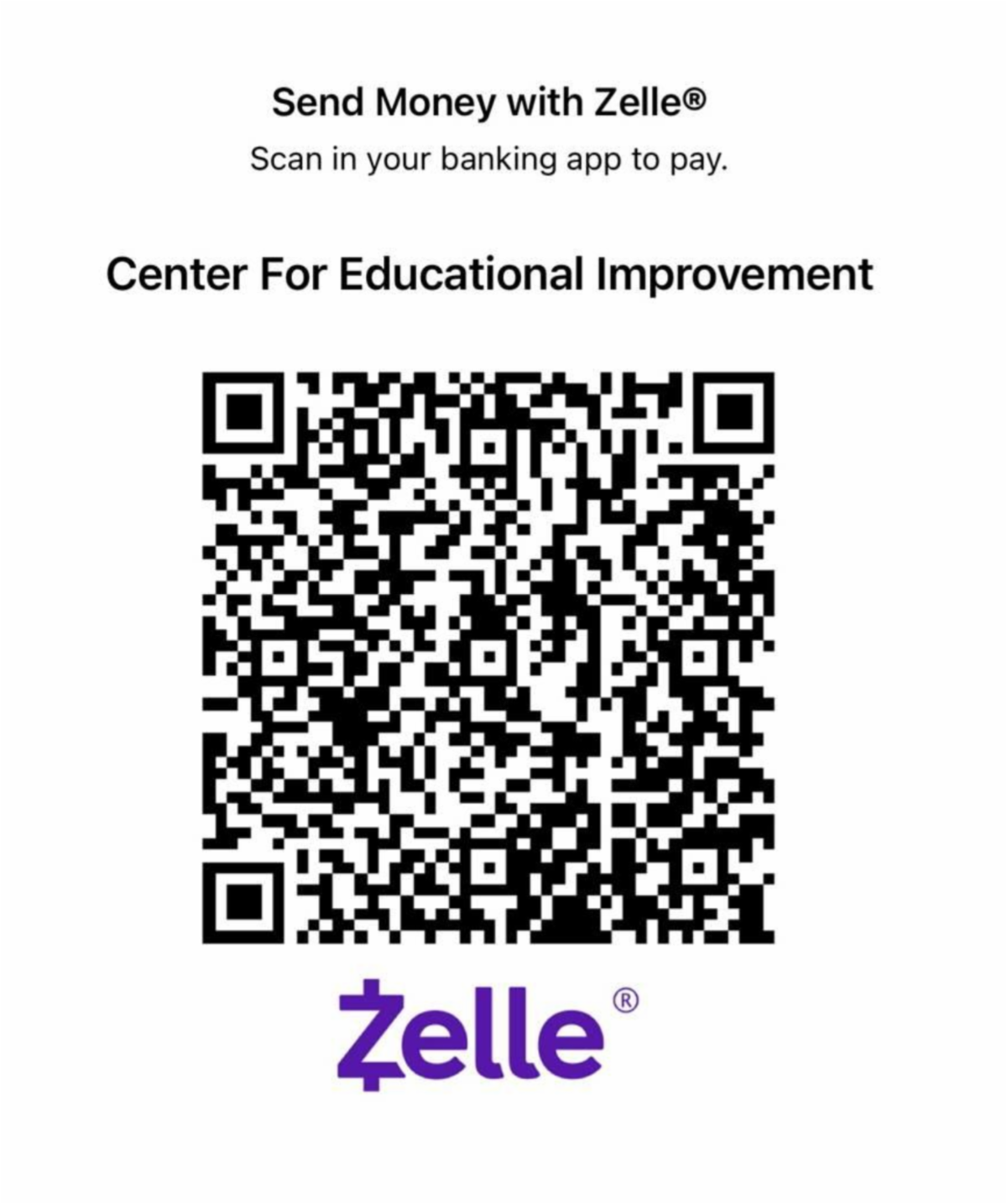
CEI, a 501(c)(3) nonprofit organization has delivered free, monthly or bimonthly eNewsletters to over 12,000 annual subscribers since 2009. As we enter a new phase of growth, your tax-deductible support will help us keep providing resources on Heart Centered Learning®, trauma-responsive practices, Cultivating Happiness, and school wellness.
| | | | Editors: Lauren Kiesel and Meghan Wenzel | | | | |