Volume 6, Issue 2 | March 2026 | | | |
|
Your Monthly News
& Updates
| | Connection, Compassion, and the Classroom | | |
Young people today are navigating a profound crisis of connection. As the U.S. Surgeon General declared in 2023, loneliness and isolation have reached epidemic proportions — and classrooms are feeling it. Our first article explores what schools can do right now to address disconnection and loneliness, from integrating social-emotional learning to structured peer mentoring to small daily habits that show every student they belong. Our second article dives into CEI's S-CCATE, a nationally validated survey that helps school leaders assess compassionate leadership across PreK–12, turning school climate data into a concrete roadmap for human-centered change.
Finally, we broaden our lens to consider how history shapes the way students learn. Our third article traces the evolution of education in India and raises a question that resonates far beyond India's borders – are we designing systems that help students love learning, or simply systems that reward compliance? Taken together, these three articles make a compelling case that belonging, compassionate leadership, and intrinsic motivation are not soft extras. They are the foundation of any education system worthy of its students.
| | |
Soaring Student Loneliness Demands Educator Response
Meghan Wenzel, CEI Editor
| | |
Student loneliness is a critical challenge facing schools across the country, prompting educators and policymakers to reconsider how classrooms can foster connection in an increasingly isolated world. "Just like exercise and nutrition, our relationships with one another are fundamental components of our overall health and well-being," Surgeon General Vivek Murthy warned in 2023 when he formally declared loneliness and isolation a public health epidemic in the United States (Sparks, 2023).
The warning signs are visible in classrooms nationwide. Doretta Pirollo Martelli, a 24-year English-language and special education teacher at Bunker Hill Middle School in Sewell, N.J., has seen significant changes in her students' social connections in recent years. "Sadly, loneliness and isolation are paramount among the concerns we regularly discuss at our staff meetings" (Sparks, 2023).
People are spending more time alone and have fewer friends and groups they're attached to, says Milena Batanova, director of research and evaluation at Making Caring Common, a Harvard Graduate School of Education initiative focused on moral and social development in young people (Finkel, 2026).
The consequences of student isolation extend far beyond the classroom. Research links loneliness to increased suicide rates, decreased college attendance, and a broader crisis of disconnection affecting young people's mental health and academic success (Finkel, 2026). As the evidence mounts, schools find themselves on the front lines of a public health challenge that demands immediate action.
Building Connection Through Social-Emotional Learning
Social-emotional learning programs have emerged as a key strategy for building connection, teaching students essential skills for forming and maintaining relationships—from identifying emotions and practicing empathy to resolving conflicts and communicating effectively (Martinez & Gomez, 2024). Schools that integrate SEL across the curriculum, rather than treating it as an add-on, see the strongest results (Chu & DeArmond, 2021). This means weaving relationship-building into daily routines: starting class with check-ins, using collaborative learning structures that require genuine teamwork, and creating regular opportunities for students to share their experiences and be heard by peers...
Read more.
| | |
The Belonging Imperative: How CEI's S-CCATE Reveals What Works
Nicole R. Benquechea, Social Media Specialist & Research Assistant
| | |
Forty percent of U.S. high school students report feeling disconnected daily, a feeling particularly acute among students of color, LGBTQ+ youth, and those with disabilities (López et al., 2024). Addressing this disconnection and loneliness is precisely what the Center for Educational Improvement (CEI)'s School Compassionate Culture Analytical Tool for Educators (S-CCATE) and companion S-CCATE Student Voice Survey aim to do. For schools, S-CCATE offers a concrete way to move beyond discipline and test scores to focus on creating the conditions that help students thrive.
At CEI, we believe educational improvement depends on compassionate leadership — not simply being “nice,” but practicing an intentional mindset that elevates empathy and authentic connection while maintaining high expectations for all students and staff. Compassionate leadership, as measured through S-CCATE, becomes a fundamental pillar of school culture by actively listening to marginalized voices, acknowledging students’ complex life experiences, and making data-driven decision that dismantle structural barriers to success.
The 2025-2026 S-CCATE Validation Study
S-CCATE, first validated in 2018, is being updated in schools across the U.S. The 2026 version is based on 1) outcomes from the Compassionate School Leadership Academy, a project CEI conducted with nine national sites, and colleagues at Yale University’s Program for Recovery and Community Health and 2) input from a panel of experts that convened in the fall of 2025 to ensure that S-CCATE meets the current needs of schools and districts. The latest version also includes, for the first time, a brief, 28 item Student Voice Survey.
Together, the results from these two tools provide a powerful foundation for enhancing your school culture and climate. You can participate in this Validation Study (which will take about 10-12 minutes) by clicking here. We encourage you to also invite students (in grades 4-12) to take the student voice survey. There is no cost for participation during this Validation period.
To help you understand more about S-CCATE, here is a recent video. In this brief video, Dr. Mason and CEI researchers explain how S-CCATE can be used in schools, as well as current opportunities to 1) participate in a National Validation study and 2) collaborate with CEI as a S-CCATE implementation site...
Read more.
| | |
Understanding the Historical Context of Education in India
Shubha Chechi, Melody Mann, and Christine Mason
| | |
Education transforms lives. Recognized as a core agenda of the United Nation’s Millennium Development Goals (United Nations, 2015), it remains a priority for countries striving to provide their youth with the highest quality of learning.
Yet, despite sharing similar goals, countries’ educational systems and their improvement approaches differ. Differences are attributed to a wide array of factors, including historical contexts; the influence of race, culture, and religion; economic resources; and societal and psychological support (Chan, 2018). Finland, for example, emphasizes innovation, student happiness, and satisfaction; Canada prioritizes inclusion and practical skill development; while others focus on science and engineering, work-study programs, or design, management, or technology (Manjaly, 2025).
In recent years, countries such as China, Singapore, and Vietnam have become global leaders in education through comprehensive reforms and investments in teaching quality and learning outcomes. Like India, these countries are often noted for high parental expectations and a significant allocation of resources.
In comparison to other systems, what are the relative strengths and needs of the Indian educational system?
Read more.
| | |
Teaching Students How to Make Better Decisions
Ivy McDaniels, Guest Author
Students make thousands of decisions each day, about how they learn, how they interact with others, and how they respond to challenges. Yet students rarely receive direct instruction in how to make decisions.
Decision Education seeks to address this gap.
The Alliance for Decision Education (the Alliance) is a national nonprofit and field builder with the mission of improving lives by empowering students with essential skills and dispositions for making better decisions. Founded in 2014 and supported by experts in decision science and related fields—including several Nobel laureates—the Alliance works with educators, policymakers, researchers, and partners to help bring Decision Education into classrooms across the country.
Decision Education is the teaching and learning of skillful judgment formation and decision-making. It is an interdisciplinary approach that empowers students to gain agency by developing skills and dispositions that help them learn how to think, not what to think.
To support this work in schools, the Alliance developed the four K–12 Learning Domains of Decision Education:
- Thinking Probabilistically
- Valuing and Applying Rationality
- Structuring Decisions
- Recognizing and Resisting Cognitive Biases
Together, these domains provide a framework for helping students build durable skills that can support learning, relationships, and life beyond school.
Rather than introducing a separate program, Decision Education can often be integrated into existing subjects, advisory programs, or classroom discussions.
Free Resources for Educators
The Alliance offers a range of free professional learning resources designed to help educators learn about Decision Education and begin integrating these ideas into classroom practice.
Intro to Decision Education Course: The Alliance’s self-paced introductory course provides a foundation in the principles of Decision Education and introduces the four K–12 Learning Domains. Educators explore core ideas such as thinking probabilistically, recognizing cognitive biases, and cultivating dispositions like active open-mindedness and intellectual humility.
Teaching Resources: The Alliance’s Teaching Resources page offers classroom-ready lesson plans and activities for grades K–12. Educators can filter resources by Learning Domain to find materials that help you integrate Decision Education concepts into core and other content areas. Here, you can find lesson plans on diverse topics, such as: decision-making during the Cuban missile crisis, understanding group decision-making dynamics, and seeing problems as opportunities, and more.
Professional Learning Opportunities: For schools and educators interested in deeper engagement, the Alliance also offers workshops, webinars, and the Decision Education Teacher Fellowship. The Fellowship brings together educators from across the country to explore Decision Education, collaborate with peers, and share classroom practices.
Opportunities for Collaboration
The Alliance partners with schools, districts, charter management organizations, state agencies, and nonprofit organizations interested in expanding access to Decision Education.
Collaboration can include:
- Curriculum integration support to embed Decision Education skills and dispositions into existing subjects or advisory programs
- Professional learning experiences tailored to school or district priorities
- Participation in the Decision Education Incubator, which supports schools piloting innovative instructional models
- Engagement in the Decision Education Teacher Fellowship community
- Research partnerships that contribute to the growing evidence base for Decision Education
Whether schools are just beginning to explore Decision Education or are looking to deepen existing efforts, these partnerships aim to help educators empower students through instruction in decision-making.
To learn more, visit alliancefordecisioneducation.org.
Christine Mason serves as an advocate for the Alliance for Decision Making.
| Leading with Compassion:
A CEI Spotlight Series | |
As part of our bi-monthly eNews, we are excited to launch Leading with Compassion, a recurring feature highlighting members of the CEI community who are advancing trauma-informed practice, research, and heart-centered leadership across schools and systems.
CEI’s impact is powered by the dedication, innovation, and service of our Fellows, staff, advisors, and partners. Each edition, we will celebrate individuals whose work exemplifies our commitment to compassionate leadership and whole-child well-being.
| |
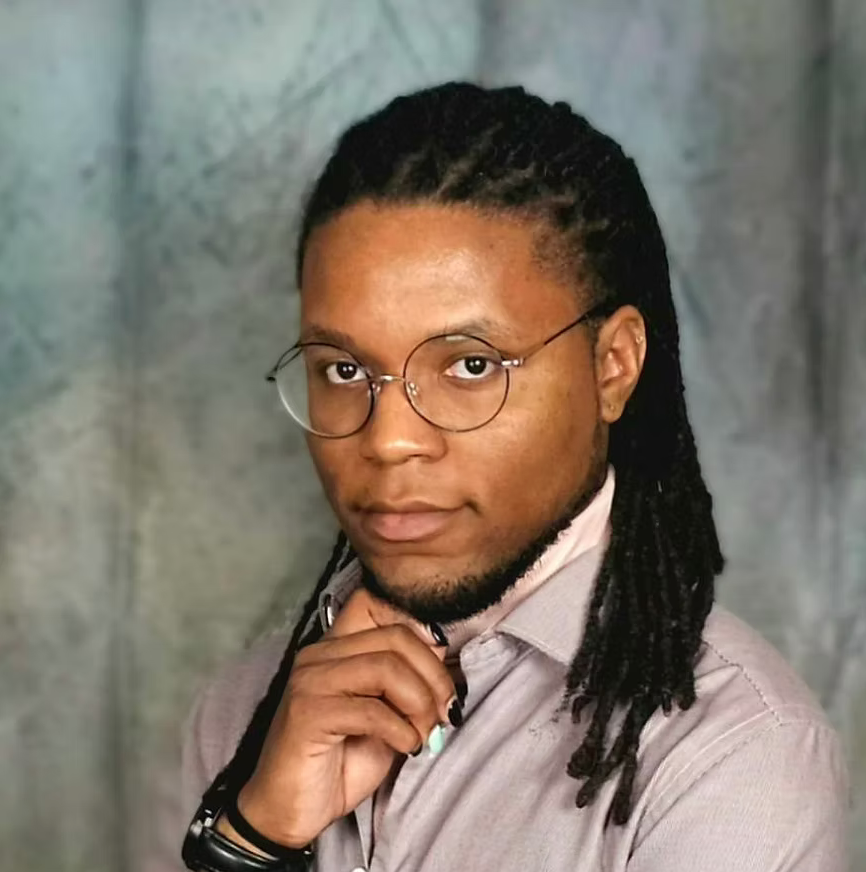
This month, we celebrate Alexander J. Holt
With the generous support of the RGK Center for Philanthropy and Community Service and the Lyndon B. Johnson School of Public Affairs at the University of Texas at Austin, Alexander J. Holt, a CEI Research Fellow, was selected as a Spring 2026 recipient of the RGK Nonprofit Scholarship. Disbursed to students who have secured unpaid opportunities with Nonprofit organizations, the RGK Nonprofit Scholarship provides financial support for students engaged in professional development and career building experiences that serve to advance their career goals and further their intellectual development while contributing to impact-driven work in the nonprofit sector. Mr. Holt was awarded the maximum award amount of $3,000 after detailing the professional benefit and anticipated impact of his Fellowship with the Center for Educational Advancement.
Congratulations, Alexander!
| Upcoming Events and Announcements | | |
Survey for High Schoolers and their Families
Growing Forward: Thinking About Paying for College
As a student, you have thought about life after high school, but how do you make these dreams possible? Financing college and figuring out how to pay for tuition, books, and supplies can be overwhelming. Síembra, an organization that builds communities to support families on the path to higher education, would like to learn more about your experience, what your needs are, and how you feel about the whole process. Fill out this form to help them learn from you to better support you.
No personal information will be collected other than your grade. We ask about grade to better understand what you need looking ahead in your educational journey and where we can best meet your needs.
Links in blue above.
| |
You are also invited to join the HeartMind Community to receive discounts on publications and workshops, networking opportunities, and special offers for virtual consultations and additional resources from the Center for Educational Improvement.
| |
| |
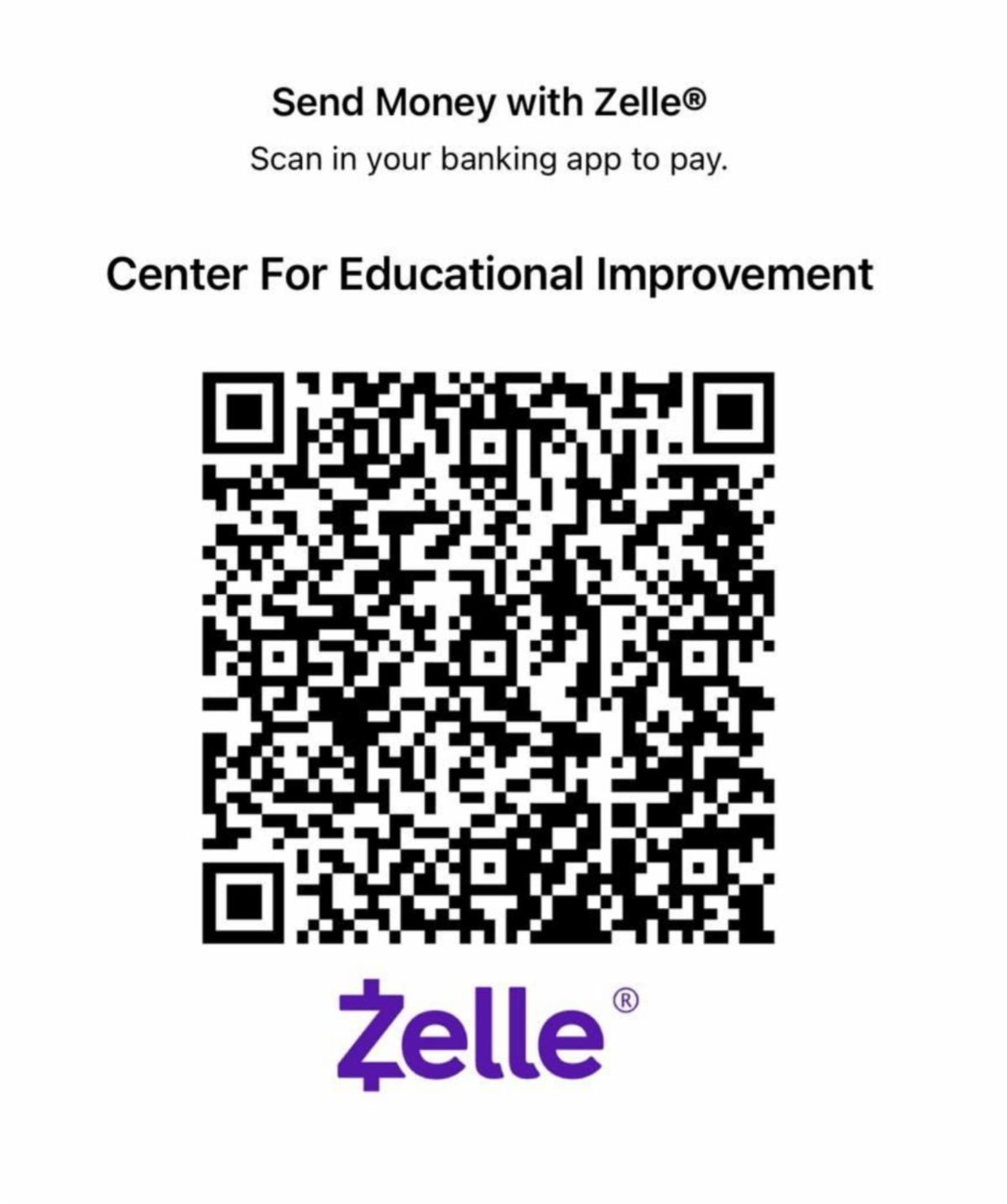
CEI, a 501 c 3 non-profit has delivered free, monthly or bimonthly eNewsletters to over 12,000 annual subscribers since 2009. As we enter a new phase of growth, your tax-deductible support will help us keep providing resources on Heart Centered Learning®, trauma-responsive practices, Cultivating Happiness, and school wellness.
| | | | Editors: Lauren Kiesel and Meghan Wenzel | | | | |