July 22, 2026

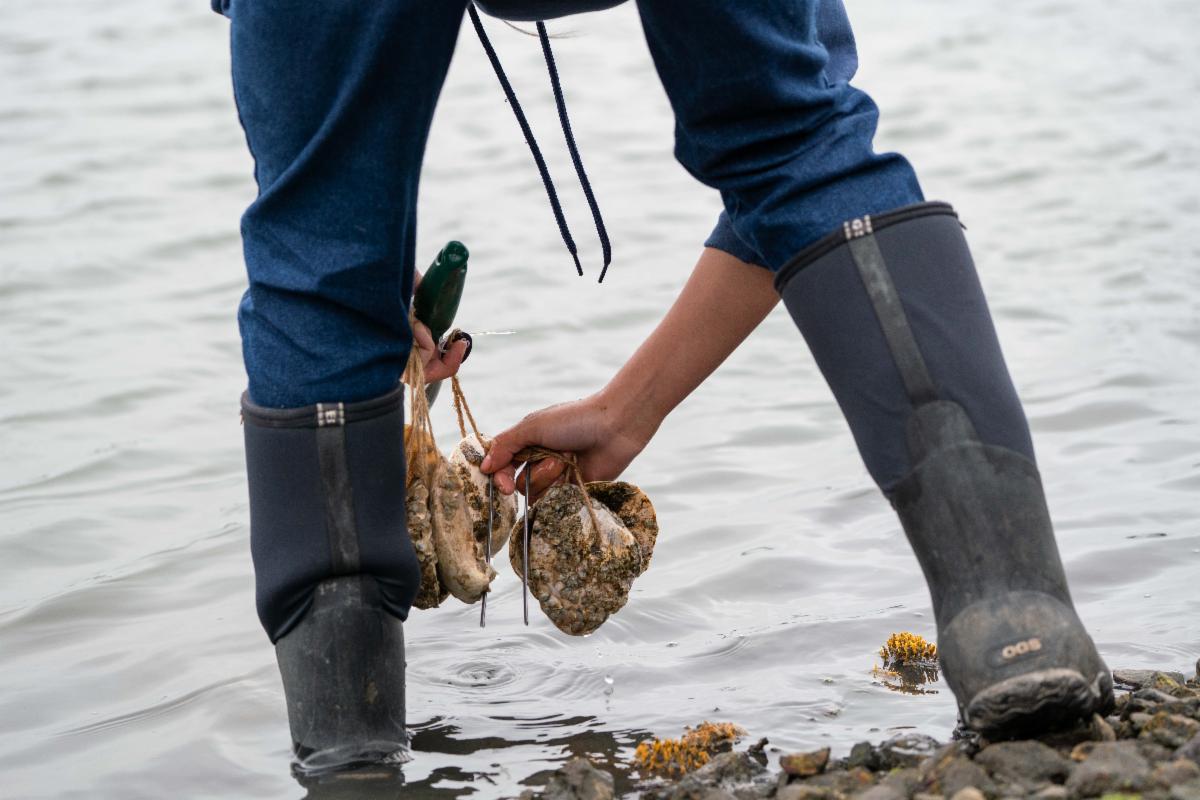
On a recent morning at Elkhorn Slough, a group of conservationists gathered to introduce baby oysters to the shoreline. For thousands of years, Olympia oysters thrived in the slough and supported Indigenous tribes. Now, tribe members, scientists, and volunteers are trying to restore the once-vibrant oyster bed that has suffered from pollution, sea level rise, and overharvesting. Photojournalist Katie Rodriguez was on hand to capture the effort.


KEEP READING


N E X T G E N


East Bay Kids Fight Extreme Heat in their Schoolyards


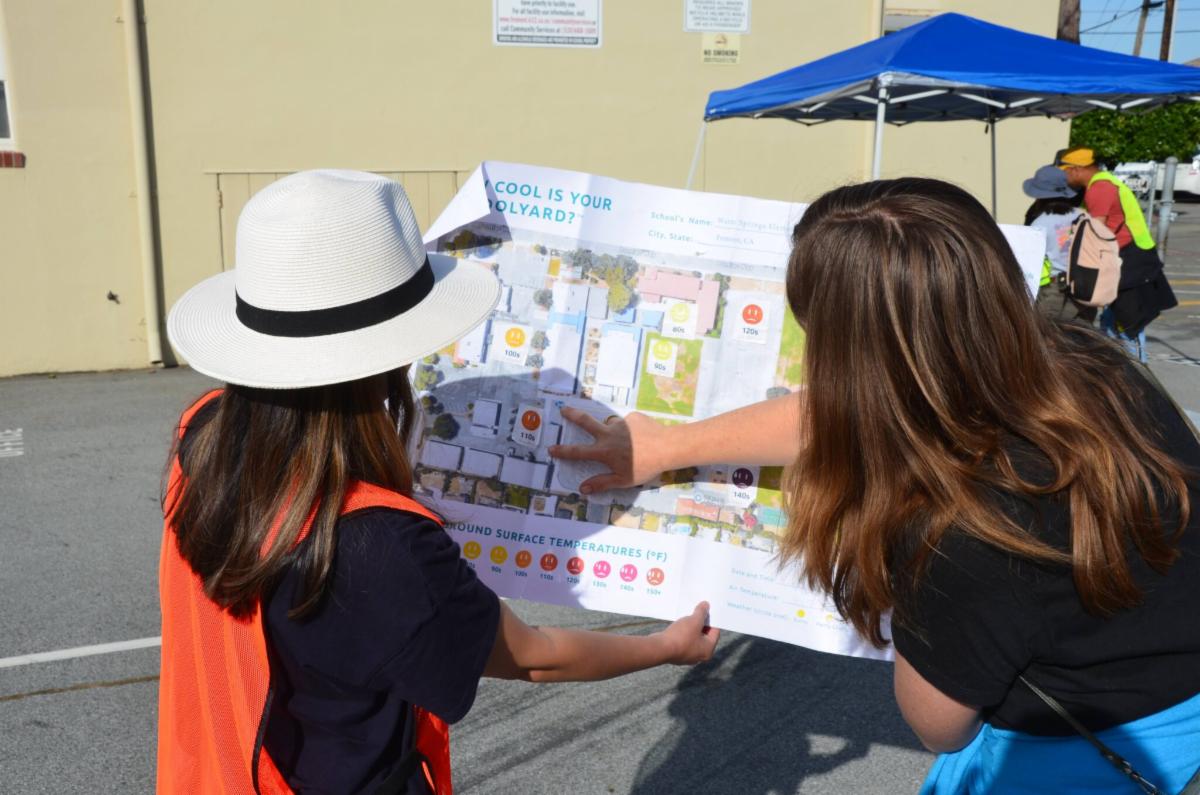
It was an unusually hot April day at Livermore High School in the East Bay when Robin Deepak was in math class. Suddenly, he heard a thud behind him. A student had fainted. The cause? Dehydration from extreme heat. About a third of California kids attend schools in heat islands. Forestry experts recommend that trees shade at least 30% of neighborhoods, but trees only cover 6.4% of California school campuses on average. In search of a solution, Deepak and other students teamed up with Quest Science Center to map urban heat islands. They used their findings to advocate for targeted tree planting and heat safety standards. Photo courtesy Nate Ivy


KEEP READING

How a North Bay Regional Park Helped Me Reconnect With Nature


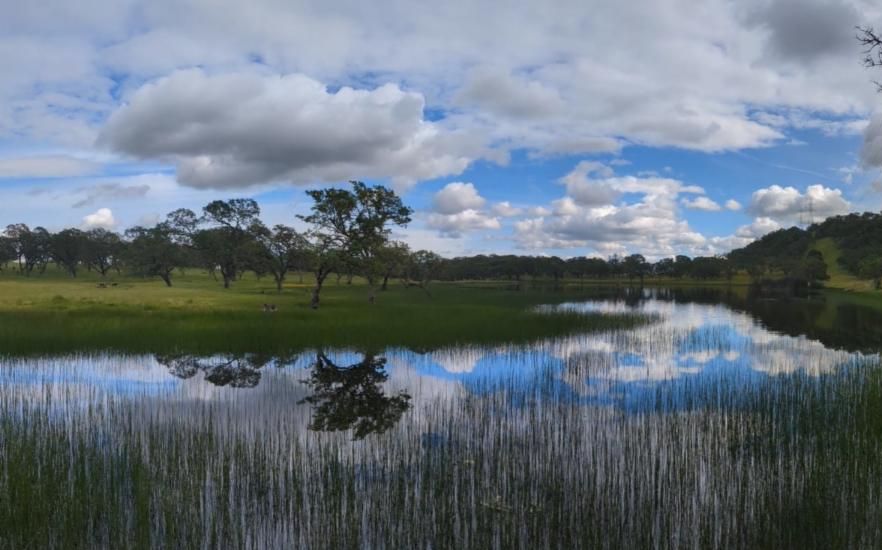
KneeDeep Community Reporting Fellow Sachi Bansal, a recent high school graduate, reflects on her yearslong relationship with Solano County’s Rockville Hills Regional Park that grew out of pandemic isolation in this essay. “As I’ve gotten older, Rockville has remained my refuge from the constant noise and stress of everyday life,” Bansal writes. “It’s easy to get overwhelmed by the neverending flow of media and information in our lives that compete for our every waking moment. But none of those distractions provide the same sense of fulfillment as spending an afternoon sitting quietly in the hills.” Photo: Sachi Bansal


KEEP READING

Did Your World Cup Contribute to Climate Change?


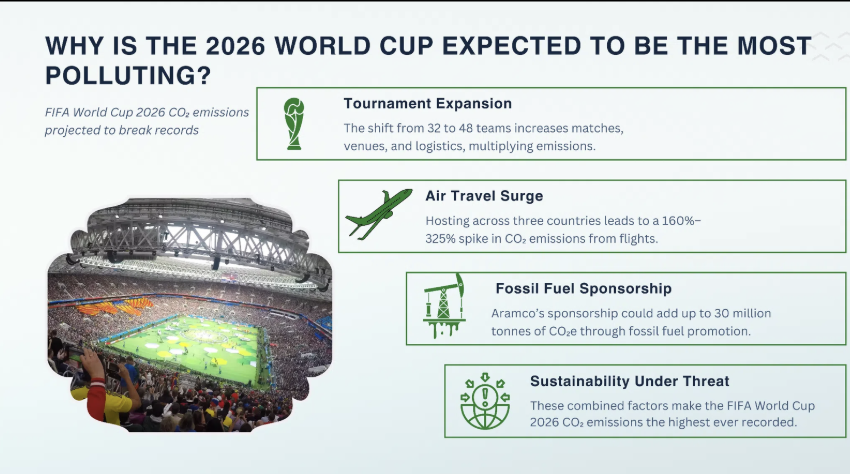
Last month, as thousands of fans from all over the world descended on Levi's Stadium in Santa Clara to see their nations take the field in the World Cup, KneeDeep fellow Aayushi Akhani compiled data on the environmental impact of the biggest ever cup, featuring 48 teams and 104 games. According to climate analytics firm Greenly Research, this summer's competition was expected to generate 7.8 million metric tons of carbon dioxide. The good news for the Bay Area was that Caltrain ridership broke records on match days. Graphic: Emily Greenfield, Sigma Earth


KEEP READING

M I C R O P L A S T I C S

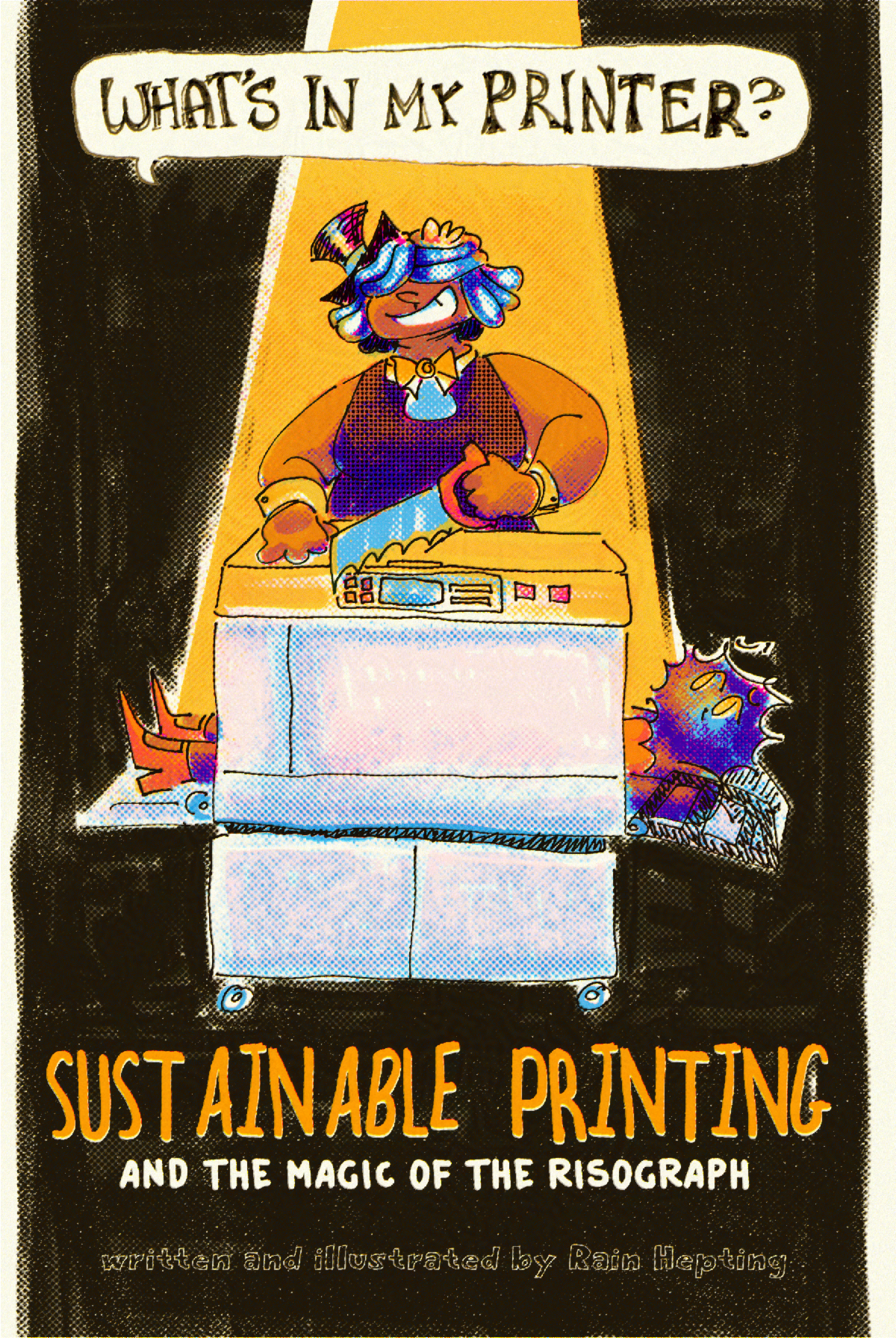
The Vintage Printer Winning Over Eco-Conscious Artists 


Laser printer toner is made from petroleum-derived plastics and isn’t compostable, and inkjet ink emits volatile chemicals during printing. But the risograph, a Japanese stencil duplication machine from the '80s that uses vegetable-oil inks, consumes about half the power of a typical laser printer, and prints five times as fast. Once common for bulk printing, it rose in popularity among cartoonists and zine makers in the 2010s. The tradition is still alive and well in the Bay Area at collectivist print shops and underground comics conventions. Art: Rain Hepting


KEEP READING


New Study Shows Rain Gardens Are Powerful Filters of Bay Pollutants 


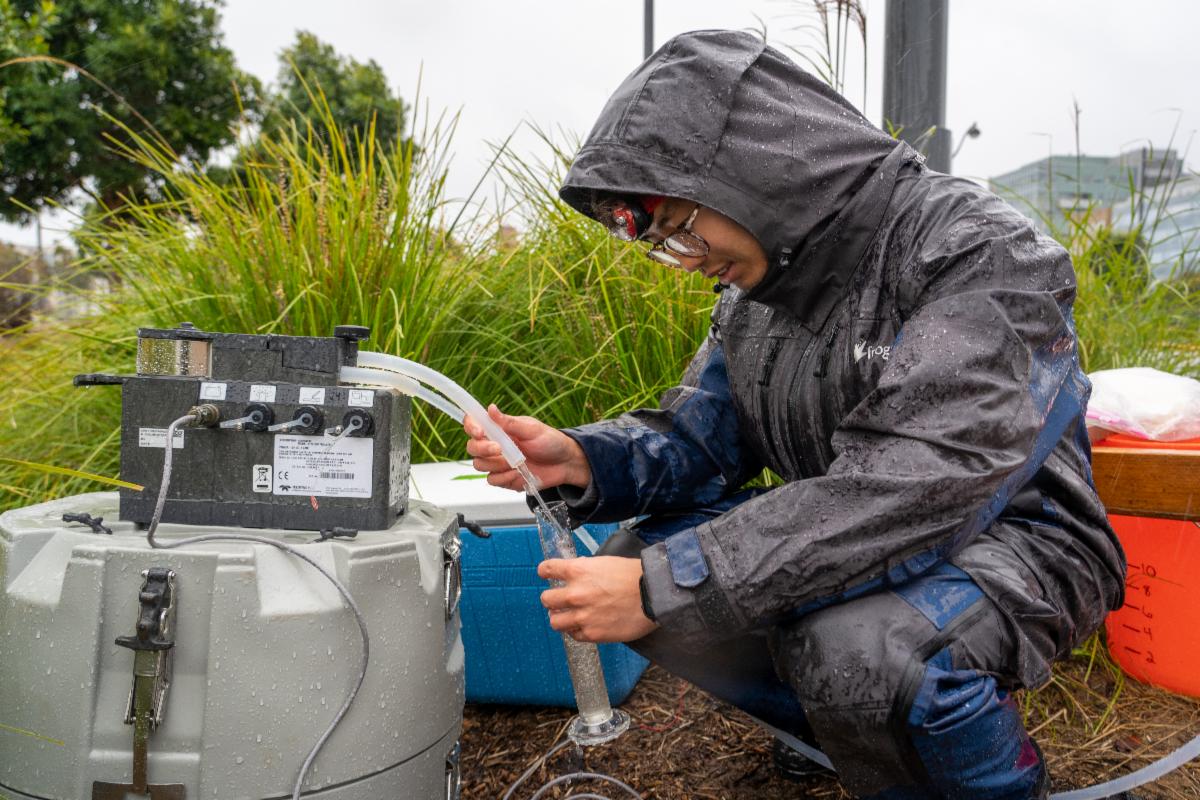
Rain gardens in the Bay Area are designed to filter “legacy contaminants” like heavy metals out of stormwater before it reaches the Bay. But scientists from the San Francisco Estuary Institute wanted to know more about the gardens’ effect on “emerging contaminants” — substances found in plastics, pesticides, and vehicle parts that can be harmful but are as yet largely unregulated. In many cases, rain gardens successfully removed more than 90% of those lesser known chemicals in runoff. “Overall, the rain gardens were even better at removing most of the emerging contaminants than they were at removing better-studied water quality pollutants like toxic metals,” the study notes. Photo: Shira Bezalel


KEEP READING


C H A T T E R

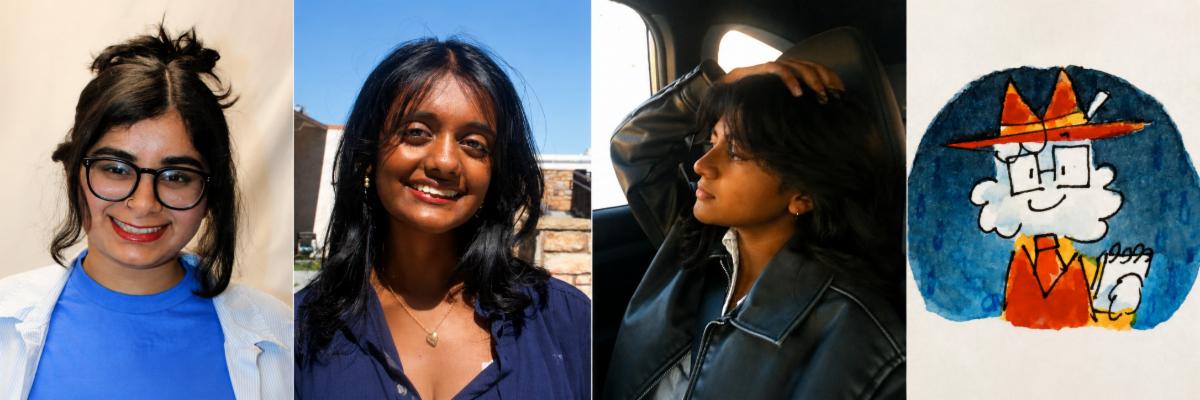
With this edition, KneeDeep's 2025-26 Community Reporting Network fellowships have concluded, made possible through a grant from the CO2 Foundation. We worked with seven Bay Area high school and community college students interested in journalism and the environment over the course of the year. They covered local events, profiled activists on the frontlines of climate change, sketched explanatory comic strips, published photo essays, and produced social media infographics. KneeDeep thanks Aayushi Akhani, Padma Balaji, Sachi Bansal, and Rain Hepting (pictured above, from left), for sharing their voices and insights with our editors and readers, and for their final stories in this newsletter.


Interested in republishing some of KneeDeep’s stories written by professional journalists or emerging climate reporters? Here are some short and easy to use versions you can tap. Just read our guidelines and be sure to give us, and our photographers and writers, credit. Thanks for sharing our stories.


Share our stories, and follow us on your favorite platforms.

Facebook  Instagram  LinkedIn

Bluesky

KneeDeep Times shares stories from the frontlines of climate change resilience and adaptation action.

All stories are available for republication free of charge. See our guidelines.


Views expressed are independent of all funders and collaborators.


Managing Editor: Ariel Rubissow Okamoto

Assistant Editor: Duncan Agnew

Research & Social Media Editor: Isabella Eclipse

Art Director: Afsoon Razavi

Top Photo: Katie Rodriguez


Send us your story ideas and subscribe us to your newsletter lists.

news-team@kneedeeptimes.org

KneeDeep Times | 73 Water Street | San Francisco, CA 94133 US