|
Hebrew in Public Schools:
Bringing Language and Culture to the Classroom
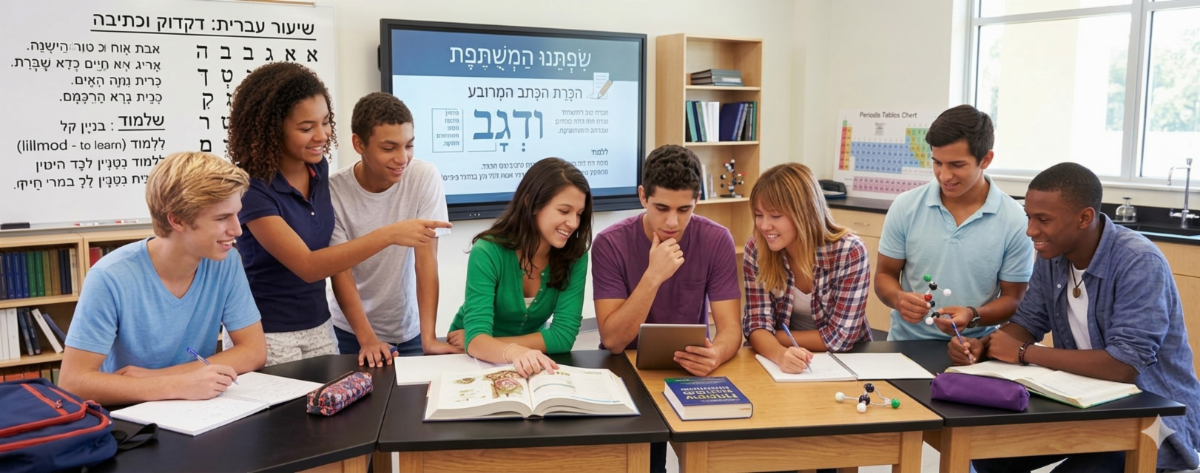
Exciting opportunities are on the horizon for Hebrew learning in public schools across the Boston area! The Consortium for the Teaching of Hebrew Language and Culture is working with local communities to help introduce Hebrew as a dynamic world language option for students. Learning Hebrew is about much more than mastering a new alphabet or vocabulary. It opens the door to thousands of years of history, vibrant cultural traditions, and big ideas that have shaped the world. Along the way, students strengthen valuable skills like pattern recognition, critical thinking, and creative problem solving.
Communities across the country have already seen the impact of Hebrew programs in their public schools, including in Chicago, Minneapolis, Milwaukee, Los Angeles, New York, and Cleveland, where students are thriving through engaging language and cultural learning. Now, Boston-area families have the chance to bring similar opportunities to their own schools. Parent leadership plays a key role in making these programs possible, and The Hebrew Consortium is ready to help every step of the way, from recruiting talented teachers to developing curriculum and providing ongoing professional development. Together, we can create vibrant, welcoming Hebrew learning experiences that inspire curiosity, connection, and a lifelong love of language.
| | | | |
The Hebrew Language Olympiad:
More Than a Competition
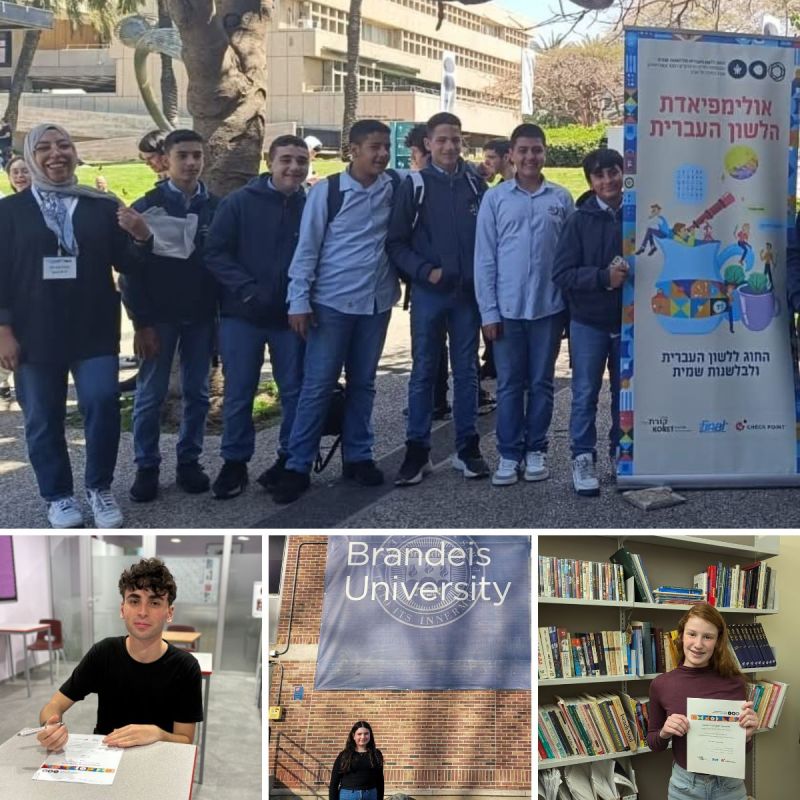
The Hebrew Language Olympiad is more than a competition, it is a global platform that celebrates the Hebrew language while connecting students across cultures and continents. Through linguistic creativity, problem solving, and cultural engagement, students are discovering new ways to experience Hebrew and to connect with peers around the world who share their passion.
The 2025 - 2026 international track welcomed over 750 Hebrew learners, a remarkable increase from 200 participants last year. Students from ten countries took part, including the United States, Canada, Mexico, Brazil, Germany, Cyprus, Netherlands, Egypt, Hong Kong, and Singapore.
This year also welcomed first-time university participants from Saudi Arabia, China, France, and the United Kingdom, further highlighting the expanding global interest in Hebrew language and culture. The Hebrew Language Olympiad is open to students in grades 7-12 (with younger learners also eligible) who demonstrate intermediate to advanced Hebrew proficiency. Following the first rounds, 200 students advanced to the final stage, which will take place at participating universities around the world in April. The competition will culminate in an awards ceremony in Israel this June, to be attended by representatives of The Hebrew Consortium.
To learn more about the Hebrew Language Olympiad and how students and schools can participate, please contact the team at miriarbel@brandeis.edu.
| | |
Coalition of Community-Based Heritage Language Schools
The Consortium for the Teaching of Hebrew Language and Culture is pleased to join the Coalition of Community-Based Heritage Language Schools, a national initiative founded in 2014 to connect, support, and advocate for community-based heritage language schools across the United States.
A heritage language is a language spoken within a family or community, but not the dominant language of the wider society. Hebrew is a heritage language of the Jewish people, and we are honored to be part of this growing network and represent the Hebrew language.
We are now building a database of local community-based and parent-run afterschool and weekend Hebrew programs. If you know of one in your community, please be in touch with us at hebrewconsortium@brandeis.edu. Read more about the coalition here.
| |
| |
Colloquium:
Profiles of the Hebrew Educator and the Hebrew Learner
The World Languages Education Program at Hebrew Consortium member Queens College is planning to host a Hebrew Consortium colloquium entitled, "Profiles of the Hebrew Educator and the Hebrew Learner," this spring. Details will be forthcoming.
| | | |
| |
Book Chapter and Related Presentations
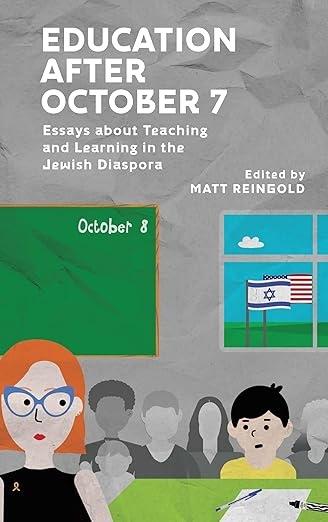
In October, Hebrew Consortium Director Professor Vardit Ringvald and Kayitz Kef National Director Sharon Schoenfeld published a chapter, "Teachers’ Identities in Transition: Hebrew Education in Light of October 7 and the Aftermath," in Education After October 7th, edited by Matt Reingold. Based on interviews with Hebrew educators one year after October 7, the chapter examined how their roles had shifted in response to the crisis.
Since then, the conversation has continued. Ringvald and Schoenfeld have presented on this work at the NAPH conference in London and at the 23rd Annual Conference of the Israeli Association for the Study of Language and Society (IASLS) held at Tel Aviv University. An additional session is planned for Prizmah leadership through Hebrew at the Center. Their continued research has made one thing clear: nearly two and a half years later, Hebrew educators still need meaningful support as they respond to the lasting pedagogical, emotional, and communal effects of October 7 and its aftermath.
An upcoming article in the spring issue of the Jewish Educational Leadership Journal reflects the next stage of this work, focusing on the skills and training Hebrew educators need to navigate complex conversations about Israel, identity, and community with historical understanding, emotional sensitivity, and professional confidence.
| | |
The Power of Language in Navigating Campus Climate
A study conducted by Prof. Vardit Ringvald, and Dr. Liram Koblentz-Stenzler from Reichman University, among 100 Hebrew students and fluent speakers explored how proficiency in the language helps them navigate rising antisemitism on campus.
The findings were clear: participation in the Hebrew program provides students with a vital sense of community and belonging that strengthens their resilience. Furthermore, mastery of the language empowers them to better understand unfolding events and respond effectively to antisemitism within their courses and across public campus spaces.
| |
| Hebrew Language & Culture Fellowship | |
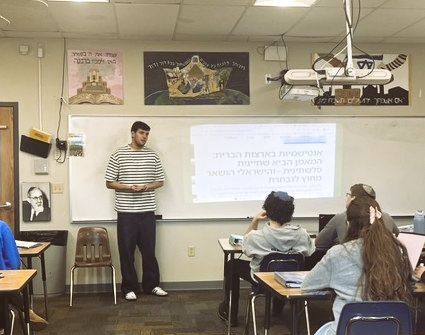
The fourth cohort of Hebrew Language & Culture Fellows is now in the field! The Hebrew Language & Culture Fellowship is an opportunity for Brandeis undergraduates who are proficient in Hebrew to gain professional experience teaching Modern Hebrew language and culture in a local Jewish day school. This year, our largest cohort to date is assisting in Hebrew classrooms spanning a range of grades and proficiency levels across a spectrum of denominations of Boston-area Jewish day schools which partner with The Hebrew Consortium on this impactful initiative.
A Hebrew Fellow recently observed, "Reflecting on my third year in the fellowship, I can clearly see how much I have grown since my first year. What began as an opportunity to share my identity as an Israeli has become a deeper lesson in mentorship, patience, and communication. Each year brought a new perspective: working with middle schoolers taught me resilience and adaptability, while working with younger students taught me creativity and empathy. … Once again, I was reminded that even a small contribution can change how a student experiences a subject, and sometimes even themselves. This fellowship continues to shape the way I see education, language, and mentorship."
| | |
Israeli Apprentice Fellowship
The third and biggest cohort of Israeli Apprentice Fellows to date presented to the Brandeis community about their fellowship experiences. The Israeli Apprentice Fellowship allows Brandeis students to shadow native Hebrew-speaking mentors whose expertise is related to the students’ academic and professional interests.
This year’s cohort apprenticed in both the private and non-profit sectors, in the areas of asynchronous instruction and the teaching of Hebrew language and culture; healthcare innovation and entrepreneurship; cardiology and medical procedures; real estate construction and halacha; Jewish experiential education and community building; natural resource management and Jewish communal leadership; grassroots volunteerism and post-October 7th communal support; psychology research and language acquisition and bilingualism in children; magazine feature writing and the journalistic side of politics; and Jewish camp and teaching and education strategies for Hebrew.
An Israeli Apprentice Fellow shared, "This fellowship has reinforced the desire to pursue a career in medicine … I was able to integrate the Hebrew language while learning complex medical terms and communicating with physicians who had studied in Israel … This enriched my vocabulary and strengthened my confidence in using Hebrew in professional contexts. I also gained cultural insights into the differences between medical training in the United States versus Israel. … Thanks to this fellowship, I have begun to view the field of cardiology through a global lens. It has expanded my perspective on the importance of international cooperation and shared medical knowledge in addressing global health challenges."
| | |
Kayitz Kef -
Hebrew at Camp
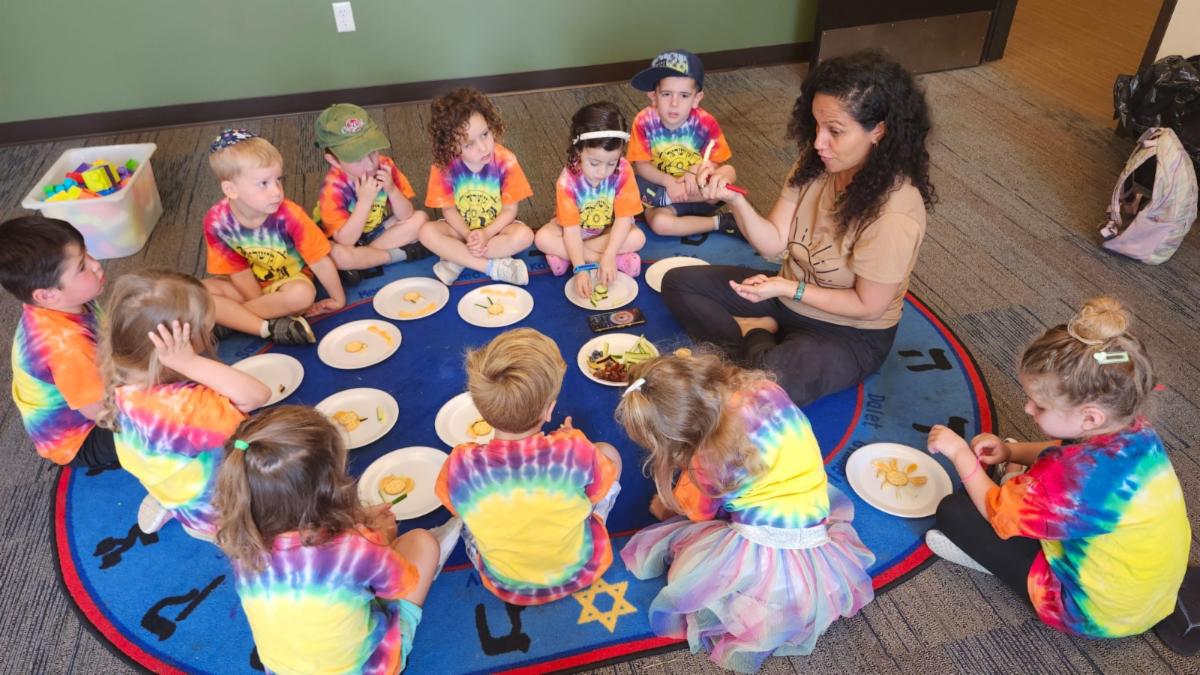
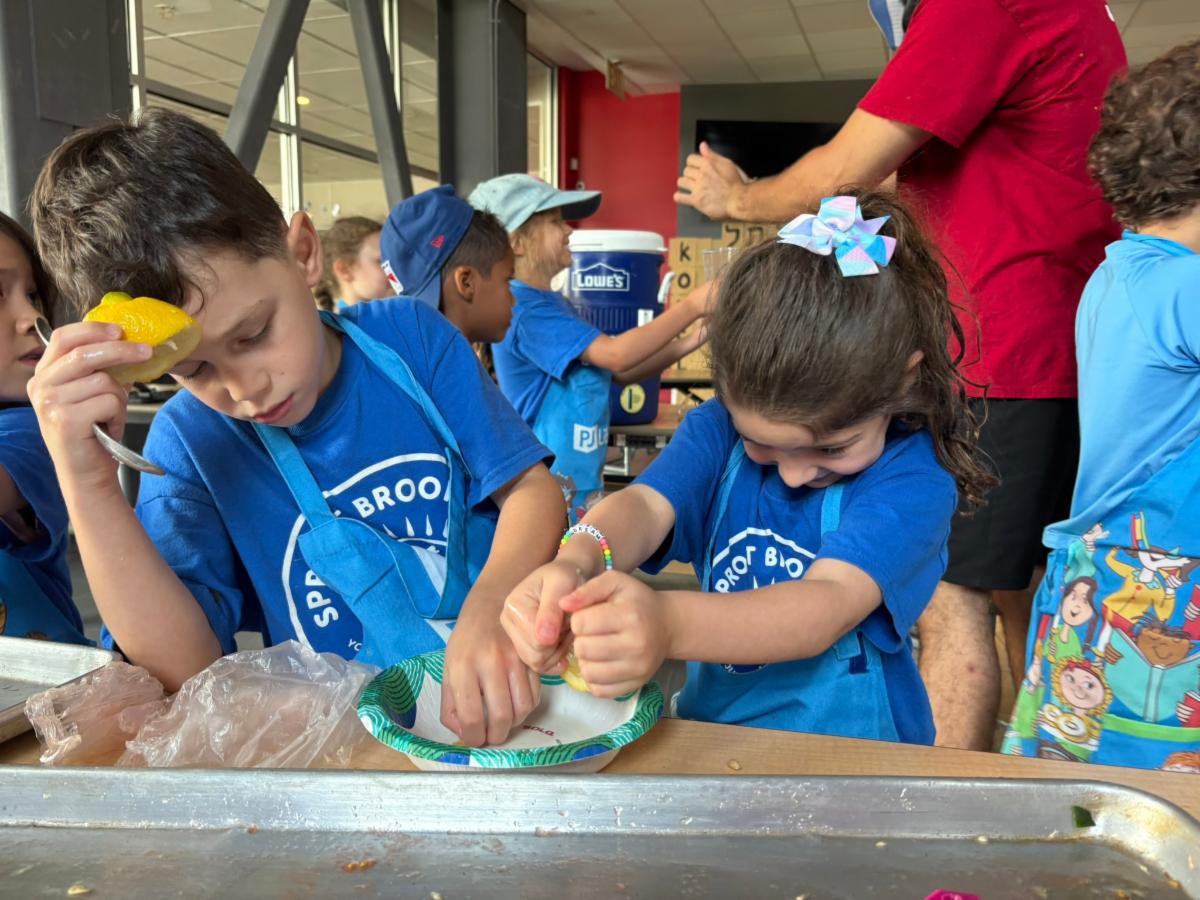
Summer 2025 was a year of real momentum for Kayitz Kef. From Asheville to Austin, from Cleveland to Cupertino, and from Brooklyn to the Berkshires, more than 7,000 campers experienced Hebrew as a joyful part of camp life. We trained over 180 "shlichim" and local counselors, and Kayitz Kef grants fueled innovation through music, art, cooking, and sports, and deepening connections to Israel and Israelis.
This year, we also grew our presence in the Bay Area, began working with the Chabad Israeli community in Cupertino and with a preschool camp in Austin, and expanded our work within the Zionist youth movement through HaShomer HaTzair’s Camp Shomriya.
Keep your eyes on Kayitz Kef in 2026 as we continue to grow, with new camps in Pittsburgh, Scottsdale, Baltimore, Columbus, Tulsa, and Connecticut, a return to Atlanta in partnership with In the City Camps, and we are adding a third language to Camp Biluim in Montreal (English, French and now Hebrew!).
To read more visit our website.
| |  |
| | |
Pitzuchim ("Hacking")
Pitzuchim is a program that offers online sessions for Hebrew teachers from around the world, in which participants learn from experts in the field of Second Language Acquisition and then tie into methodologies through group discussions with peers.
The "Hacking" sessions are open to all. During each session, a different pressing question from the Hebrew language classroom is discussed. After taking a short break from meetings, exciting opportunities await in the spring. Be sure to join our page, for additional questions contact us at: hapitzuach@brandeis.edu
| | | |
Hebrew Professors Working Group
A working group for Hebrew professors and Hebrew department chairs from universities across the country is continuing its work for another year, with even more professors added to the group.
Together, the professors, under The Hebrew Consortium's Director, Prof. Ringvald’s guidance, discuss the challenges as well as successful initiatives in the realm of teaching Hebrew in higher education. In their most recent meeting, the group hosted Dr. Yaron Peleg and heard about his new book, which explores the early days of the Zionist movement through the lens of cultural materials.
| | | PROFESSIONAL DEVELOPMENT & COURSES | | |
Charter School Professional Development
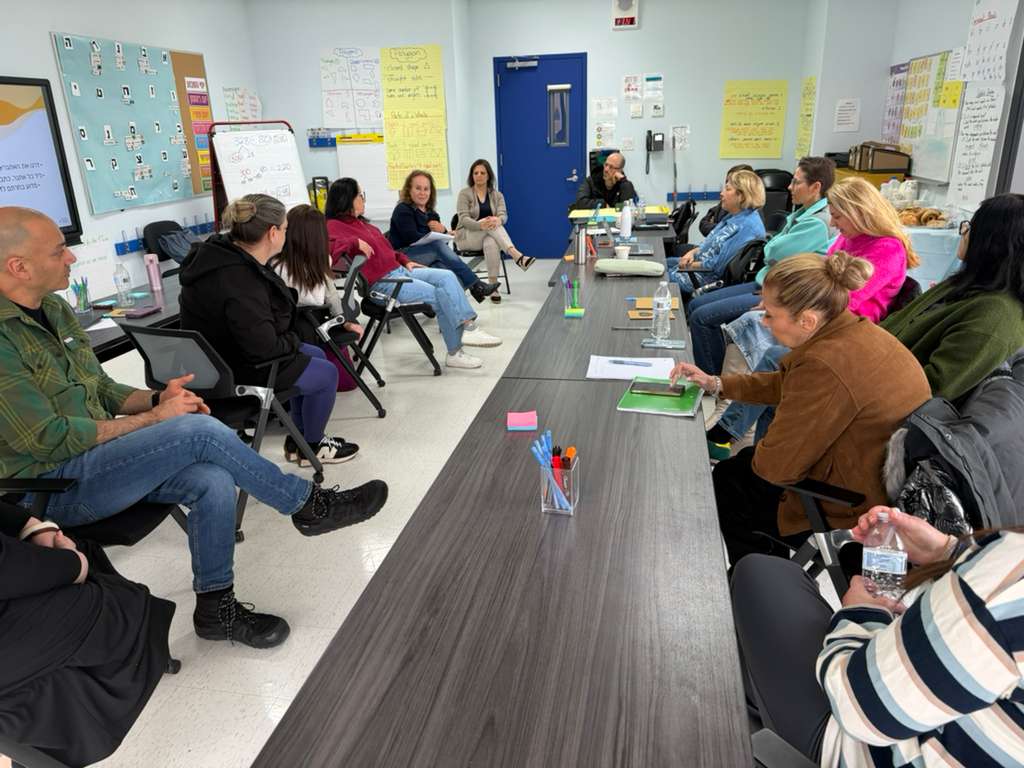
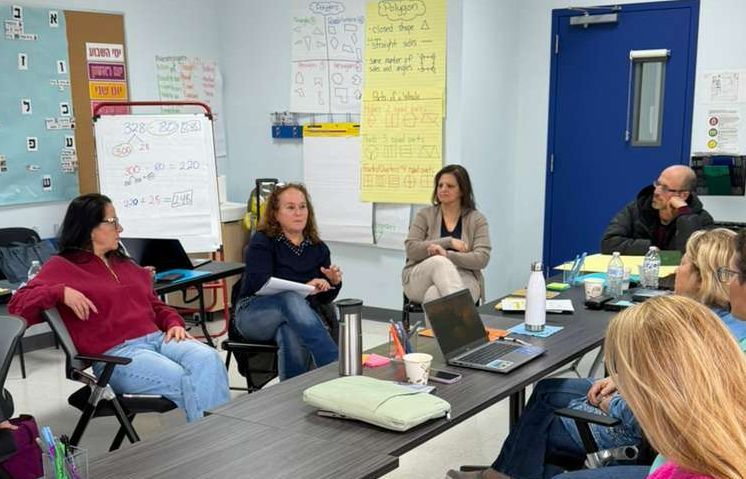
As part of The Hebrew Consortium’s ongoing collaboration with Hebrew Public, Prof. Vardit Ringvald and Omri Shick, Managing Director of Hebrew and Israel Studies at the Hebrew Public Charter Schools Network, led a professional development workshop for teachers and program coordinators focused on the structure of an effective Hebrew language lesson. The session explored key principles for designing lessons that promote meaningful language acquisition and long-term internalization.
During the workshop, participants examined the core components of a well-structured lesson and practiced applying these principles so they can bring them directly into their classrooms, strengthening Hebrew language learning for their students.
| |
June 2026 Professional Development
After two successful sessions in the Summer of 2025, which reached dozens of educators, more to come in June 2026 with online workshops suitable for Hebrew teachers of all ages and proficiency levels.
In June 2026, we will explore advanced teaching methods, using online platforms, and will ground the knowledge in the theories of second language acquisition. Stay tuned for information to follow!
| | | Our Company | Contact Us | Privacy Policy | | | | |