|
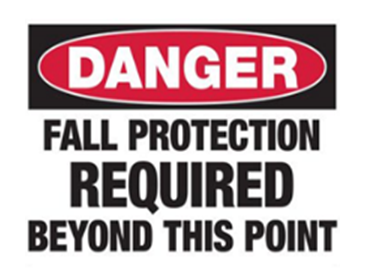
Too many construction workers fall to their death or to injuries that permanently change their quality of life. The common thread among these workers’ stories is that gravity took over in fractions of a second. Whether the necessary protection was neglected or improperly installed, it wasn’t ready when the worker needed it most. No one thinks they’re going to fall. Yet it happens. What are you doing to prevent this tragedy at your company?
US Department of Labor statistics for 2023 reveal a chilling reality – work-related injuries occurred every 99 minutes. (The stat was 96 minutes for 2022. Is a 3-minute delay really a win?) Construction had the most fatalities among all industries: 1,075 employees never made it home. 421 of those construction fatalities involved work-at-height exposures.
These numbers underscore the immediate need for confronting hazards aggressively, particularly in preventing falls. Construction owners and managers need to join the conversation to come together with other stakeholders like architects, estimators, safety equipment manufacturers, and safety professionals to address this alarming trend and prioritize the well-being of workers.
First, the construction industry needs to accept it has been in denial about the effects of gravity. If you already do recognize how quickly this force takes over in a fall, speak up and share what control measures you use. More contractors need to share how they take a comprehensive approach to fall protection, emphasizing a blend of engineering controls and personal protective equipment (PPE).
Engineering controls represent the biggest opportunity to improve in tackling construction’s fall fatality problem. These measures involve designing and implementing safety features that physically prevent falls. It’s an approach based on proactivity instead of reactivity. These controls include guardrails, safety nets, and other structural elements that keep workers from going over the edge.
Employers and project managers should prioritize training programs for workers that mixes baseline awareness, hands-on skills checks, and informal ongoing refreshers. Training needs to stress the proper use of PPE – and its weaknesses – while educating workers on the importance of adhering to engineering controls.
Moreover, establishing a safety culture within the construction industry is paramount. Workers are your best source of info for potential hazards, so create a culture and methods for them to speak up and partner toward solutions.
In conclusion, the year-over-year stats aren’t encouraging right now. Construction managers have important work to do in improving work-at-height safety on their jobsites. By prioritizing engineering controls, implementing comprehensive training programs, and fostering a safety culture, the construction industry can reduce the frequency of falls and ensure the well-being of its workforce. You have a role in building a safer future for everyone involved in the construction sector.
For more information on Fall Protection questions, or concerns, please contact PGM Safety Services, an affiliate company of Pro Group Management. We will be happy to assist when you visit us at www.pgmnv.com or call (800) 859-3177.
|