Summer is here and in addition to that bringing more pest activity to be aware of, it also means Maryland’s 2024 legislative session ended in April. It did so without passing an important bill that we supported meant to reduce PFAS (the "forever chemicals") in the environment that are in the news a lot these days. PFAS is the active ingredient in a number of pesticides approved for use in Maryland, and this bill is intended to no longer allow these dangerous chemicals to be used in Maryland. | |
|
|
We will be working on further educating healthcare facilities and the public about the issue and look forward to supporting concerned legislators during the 2025 Maryland General Assembly on passing a bill that will protect the public as well as your patients and staff from these toxic chemicals. Thankfully, there are PFAS-free strategies and least-toxic pesticides that are available if needed to replace these products. Reach out to us if you want to learn more about how to support the bill.
As always, see our Joe’s Tips section to continue to implement best practices during the summer season to safely address pest problems while keeping your staff, patients, and visitors safe from pesticides.
Remember, at the first sign of a pest problem, go to our many fact sheets, sample policies, guidance, articles, and video library to learn the non-toxic options you can use to stop infestation while protecting patient and staff health. The Project's IPM Toolkit is available online. Contact Sean at sean@mdpestnet.org or call 301-664-4374 for additional support.
| |
– Sean Lynch
IPM in Health Care Facilities Project Director
| |
You May Be Unknowingly Exposing Your Patients and Staff to Hidden Chemical Dangers | |
|
You may have noticed in the news that certain chemical manufacturers are being increasingly sued for withholding data on their products' adverse impacts on human health. Patient safety is the most important consideration in healthcare settings. However, an often-overlooked risk exists in some of the chemicals used to keep a clean and pest-free environment. This recent article in The New Yorker about a 3M company chemist, serves as a reminder that companies may purposely hide their data on hazards that their chemicals like these “forever chemicals”/PFAS noted in this article present, 3M knew about the discovery of PFAS contamination in its products long before it was revealed to the public. PFAS may be in some of the pesticides your vendor uses.
This poses an important question for healthcare executives: Are you confident about the safety of the chemicals used throughout your facility?
The chemicals in pest control treatments especially may seem relatively safe, but history has repeatedly shown that many compounds once thought to be safe subsequently prove more dangerous as was the case with the pesticide chlorpyrifos banned in Maryland in 2021; you may remember a recent alert we distributed regarding the pesticides Bifenthrin and Fipronil. Not to mention, all the successful litigation against Bayer, the manufacturer of Roundup.
Pesticide safety cannot be presumed. Insisting that your pest control vendors prioritize IPM eliminates the risk of hidden and known chemical hazards. This proactive approach improves patient and staff safety and demonstrates your facility's dedication to your facility. The known effects combined with the uncertainties surrounding chemical exposure in vulnerable environments make a prioritized IPM program imperative.
| |
|
Mechanical removal methods
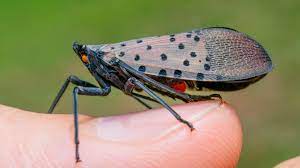
Removal of most host plants, notably the invasive Tree of Heaven, and retaining a few to attract SLF is recommended. Removal of egg cases can be done from late fall to early spring. In Maryland currently, SLF is in its fourth instar nymph stage and adults (red with white spots) may be seen as early as July. these can be removed and crushed when found. Cone or circle tree traps are recommended for some trees; sticky bands are also effective but require screening as a wildlife barrier to protect non-target pollinators.
Reduced toxicity insecticidal control
Due to toxicity to people, pollinators, and fish, conventional chemical pesticides are not recommended in the health care setting to address SLF -- or in general. The good news is that Penn State, our nation's leading researcher on SLF, has found organic-certified insecticides to be effective. If you determine that you must spray a particular tree, these are the recommended choices:
Neem oil, natural pyrethrins, insecticidal soaps, horticultural spray – look for "organic" or "OMRI" labeling – all are considered to be excellent or good at controlling SLF.
| |
|
Check your disinfectants for risk level
Some regularly used disinfectants in facilities are actually registered pesticides that can deplete a patient’s immune system and harm respiratory function. Use the SaferDisinfectants.org website to see if what your facility uses is an “increased risk” or “safer” product.
Go to the SaferDisinfectants.org website's The List page and search your products by name, using your browser search keys, "Command + F" on Macs and "Control + F" on PCs. Type in the name to see if it has an increased risk or is a safer choice. View the Safer Choice list and sort by use site and need for better product choices.
Find effective safer products to replace the increased-risk ones
| | |
|
Joe Griffin had a 16-year tenure at Sheppard Pratt and a total of 35+ years of Senior Level Facility Support Operations experience. Joe is a consultant to the IPM in Health Care Facilities Project. | |
EVS Directors have their hands full, so we tend to rely on our contracted pest and land care vendors. That's why it's critical to remember:
Your vendors work for YOU and under YOUR guidelines to provide a safe facility environment, without adverse harm from pesticides.
| |
Choosing safe and effective pest management strategies and safer disinfectants for a healthcare facility demands careful consideration. It's hard to imagine a more sensitive issue for hospitals, especially since the thousands of hospitals in the US see about 32 million inpatients, 83 million outpatients, and over a hundred million emergency room patients each year. | |
|
|
Help keep your facilities clean, safe, and pest-free with these tips:
- Ensure that outdoor garbage bins are tightly sealed and cleaned regularly. Implement regular waste pickup schedules to prevent overflow and attraction of pests.
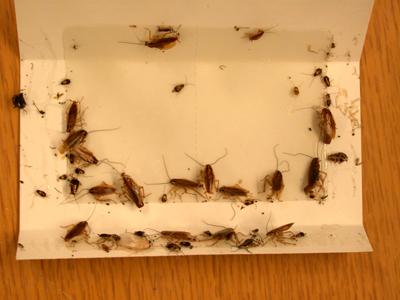
- Conduct frequent inspections of high-risk areas such as kitchens, cafeterias, and food storage areas. Look for signs of pests like droppings, gnaw marks, and nests.
- Partner with pest control vendors who provide a prioritized IPM program whereby non-chemical pest prevention and intervention are the first line of defense and the least toxic pesticides are only considered as a last resort. Ensure your vendor and its technicians are transparent about any chemicals they use. Insist on detailed reports of the products and methods employed in your facility to ensure they are in fact providing a prioritized program as noted above. This will ensure that your pest management program is not only effective but also aligns with the highest safety standards, thus protecting both patients and staff from unnecessary chemical exposure.
| |
|
The IPM in Health Care Facilities Project promotes safer pest and weed management best practices that are effective and protect the public and environment. Exposure to harmful pesticides can cause or exacerbate the very issues for which patients/residents are being treated. We are dedicated to keeping you updated on important news and research. We support your efforts to ensure a protected and toxic-free environment for your facility and those you serve —
and ALL our IPM in Health Care Facilities Project services are FREE.
| | | | |