By now, most of us are familiar with the harmful impacts of fossil fuels and other unsustainable power sources on our environment.


What may be less familiar is how dirty energy sources and energy poverty harm human well-being and impact gender equality in countries like the Democratic Republic of Congo.


This Earth Day 2025, we take a look into the world of makala, the industry that powers the Congo, and what GCE is doing to reduce charcoal production and dependence.


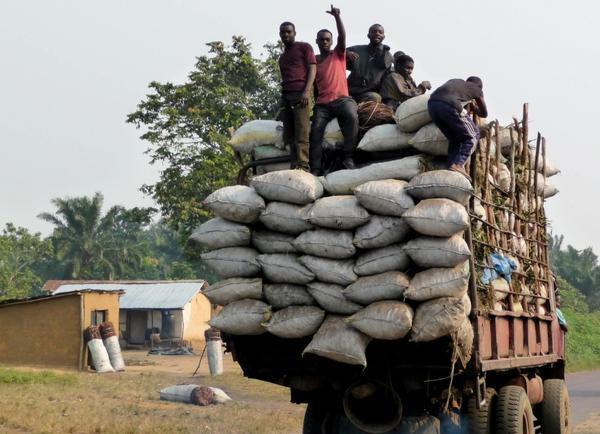
Bags of charcoal (makala) loaded for transport in Congo. Image credit: Infocongo


Congo runs on forest-harvested charcoal


In Congo, it’s a familiar sight: blackened bags of charcoal, stacked precariously high, making their way into Kinshasa and other cities all across the country in trucks, vans, motorcycles, even bicycles. 


This is makala, as it’s known in Lingala; charcoal derived from fresh cut fuelwood, harvested in the Congo Basin rainforest.


Makala is produced primarily by small-scale rural farmers, who both produce makala for their own cooking needs but also sell it in large quantities as a secondary source of income, driven by urban energy demand. Despite advancements in electrification and Congo’s incredible potential for renewable energy, more than 90% of the country’s energy consumption is still based on charcoal. 


Even in urban centers like the capital Kinshasa, home to nearly 20 million people, the majority of the population depends on charcoal exclusively for their cooking. The high demand for makala powers a sprawling and complex industry which not only accelerates deforestation of the Congo Basin rainforest but also harms the rural communities who risk their lives and health to produce makala. 


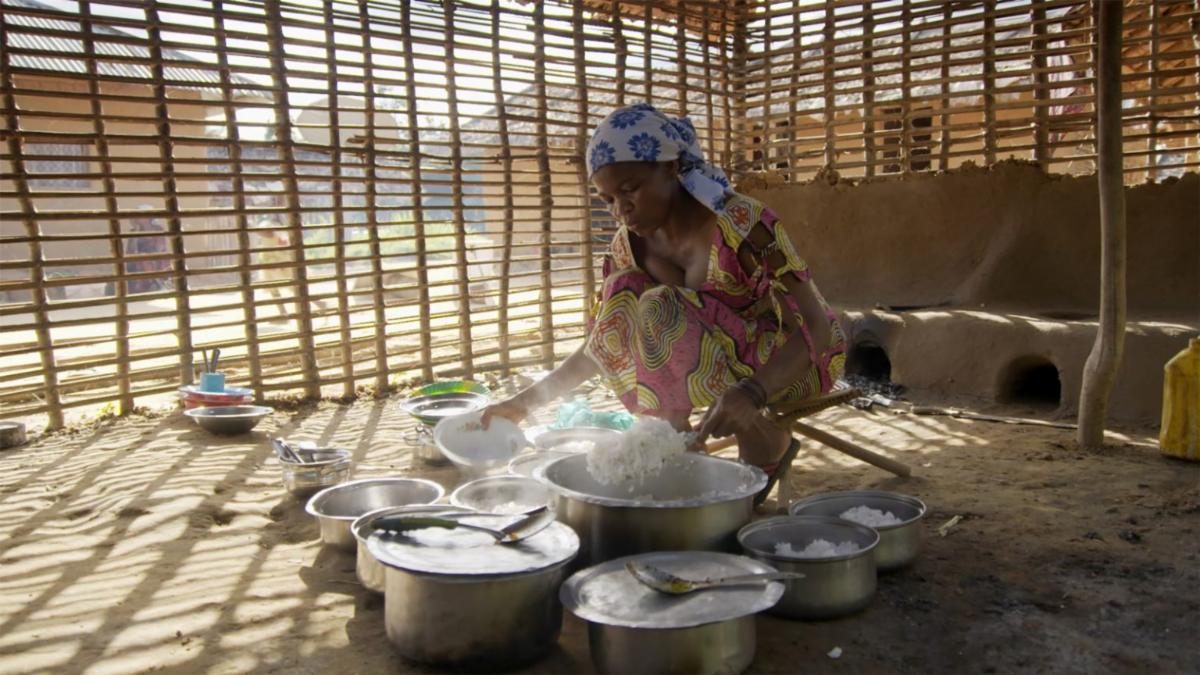
A woman cooking in Lubutu, Congo. Image credit: Cool Earth, 2019.

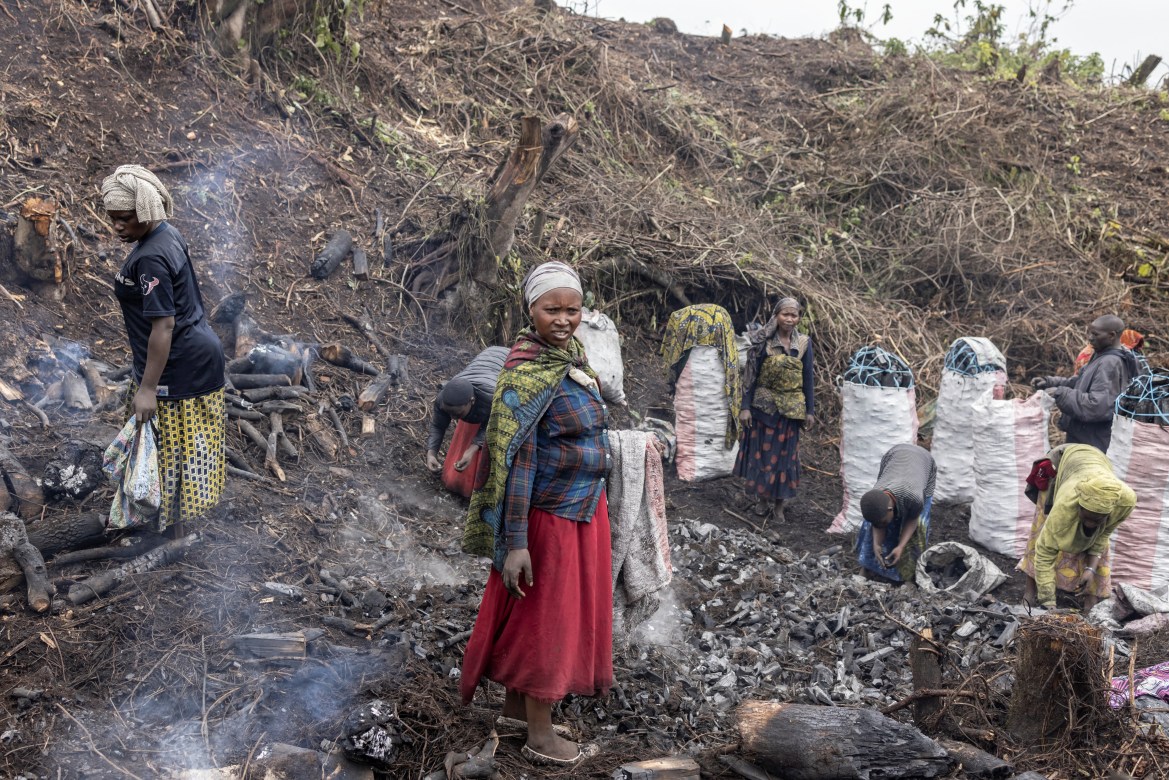
Makala production in Congo. Image credit: Al Jazeera, 2023.


Makala production and use harms forests, communities, and women


Harvesting fuelwood and turning it into makala is not only destructive to the environment, it is time-intensive and dangerous, especially for women who perform the majority of the work to produce it and use makala in cooking. 


  • Makala production exposes women to risk, including gender-based violence as they travel increasingly long distances, sometimes alone, to find wood.


Until the Congo invests in developing its renewable energy potential, makala will continue to be a key energy source for the country. However, if rural communities have access to other, more sustainable sources of income, they could reduce their dependence on makala production as a major income source.


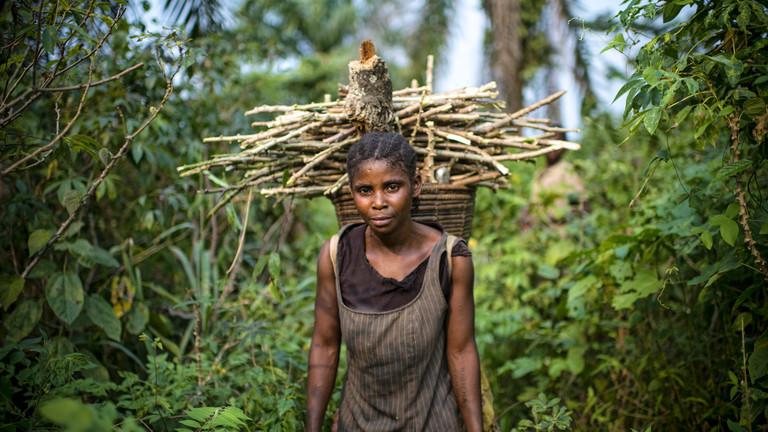
A woman in Congo gathering fuel wood. Image credit: Ollivier Girard/CIFOR, Creative Commons via Flickr


Go Conscious Earth provides communities with sustainable alternatives to makala income


Go Conscious Earth supports forest communities to develop alternative sustainable livelihoods that reduce their dependence on makala as a secondary source of income, and strengthens women’s participation and leadership in community forest management. 


  • By producing crops such as chili and plantain and raising bees for honey, community members, especially women, can benefit from alternative income that does not contribute to deforestation or put them at risk. 


  • Go Conscious Earth advances women’s participation in community resource mapping, sustainable livelihoods, and natural resource management to strengthen leadership and gender equality in forest communities. 


Your support helps Go Conscious Earth provide training and support to communities to establish viable livelihoods, strengthen women’s economic opportunity and leadership, and reduce community dependence on makala production as a means of income. 


THANK YOU FOR YOUR SUPPORT


MATONDO MINGI


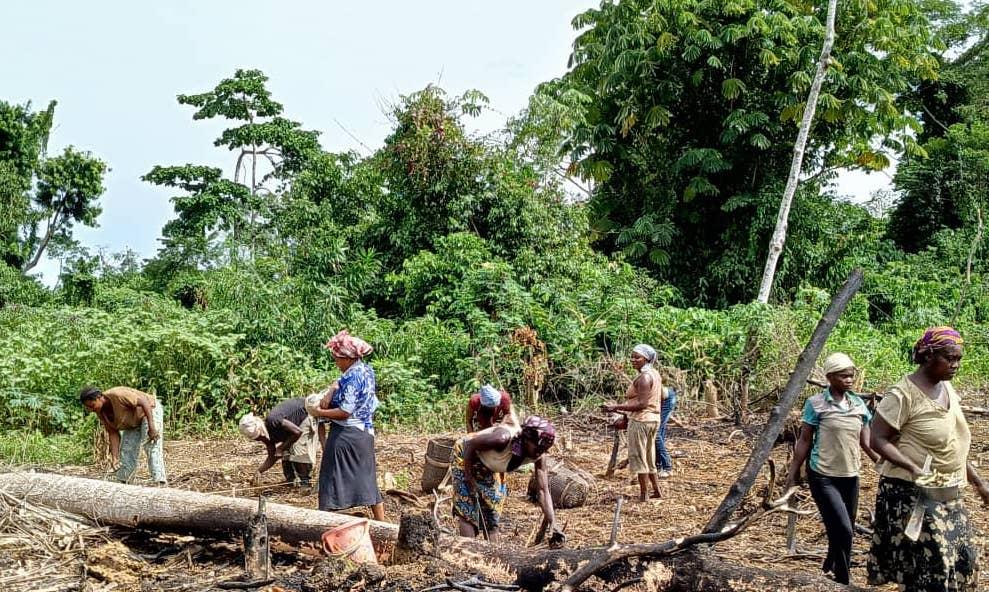
Women farming. Image credit: Go Conscious Earth.

 
Become A Sustainer 
Make a Monthly Contribution
Venmo @GoConsciousEarth
Donate Stock
Donate Via DAF
Shop