Little Voices Matter:
Helping Children Feel Heard and Welcome
Recognizing National Child Day on
November 20, 2026
A child walks into your dental office holding a
parent’s hand. They may be excited, curious or unsure about what happens next.
Before anyone checks their teeth, there’s an opportunity to make a meaningful first impression: greet them, include them and listen.
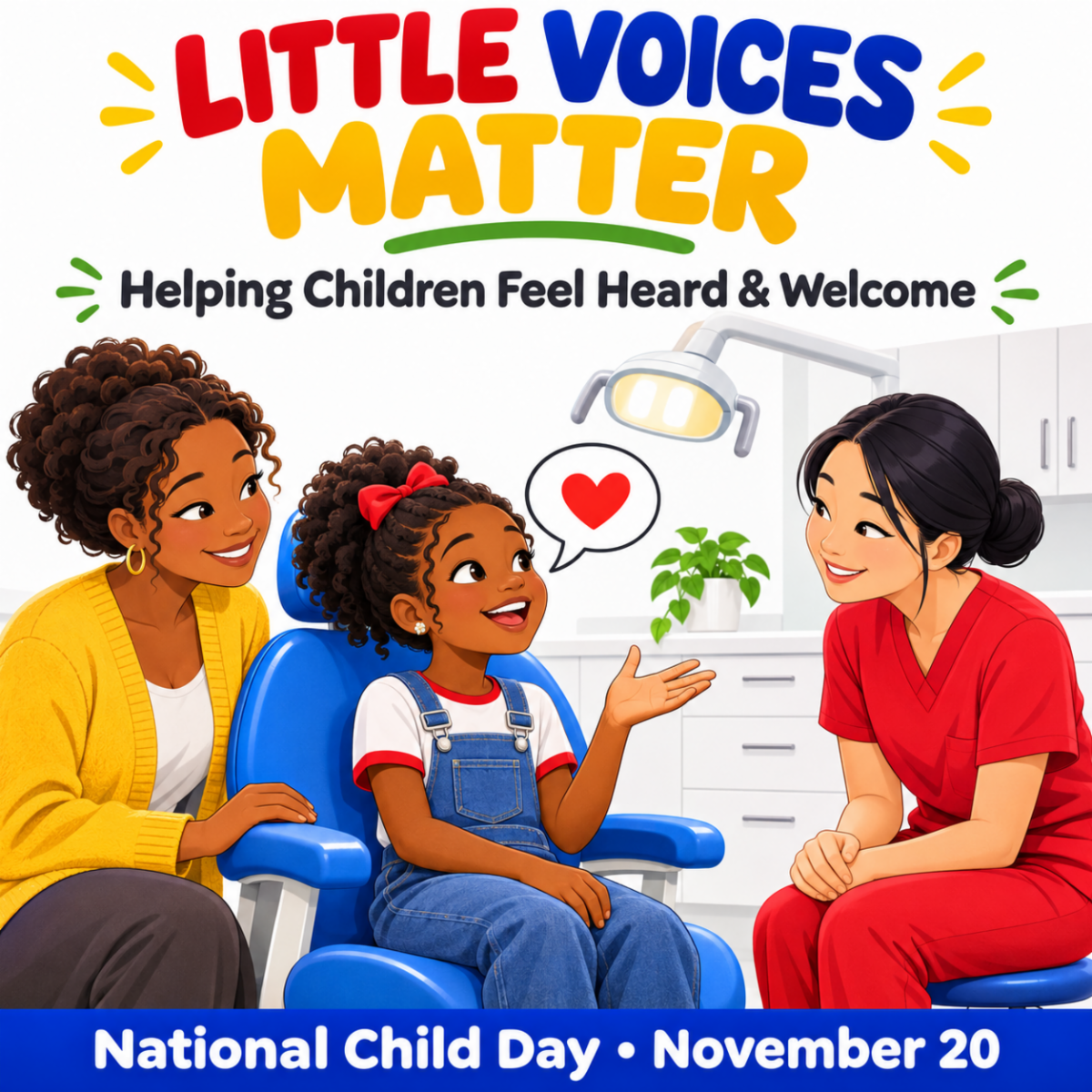
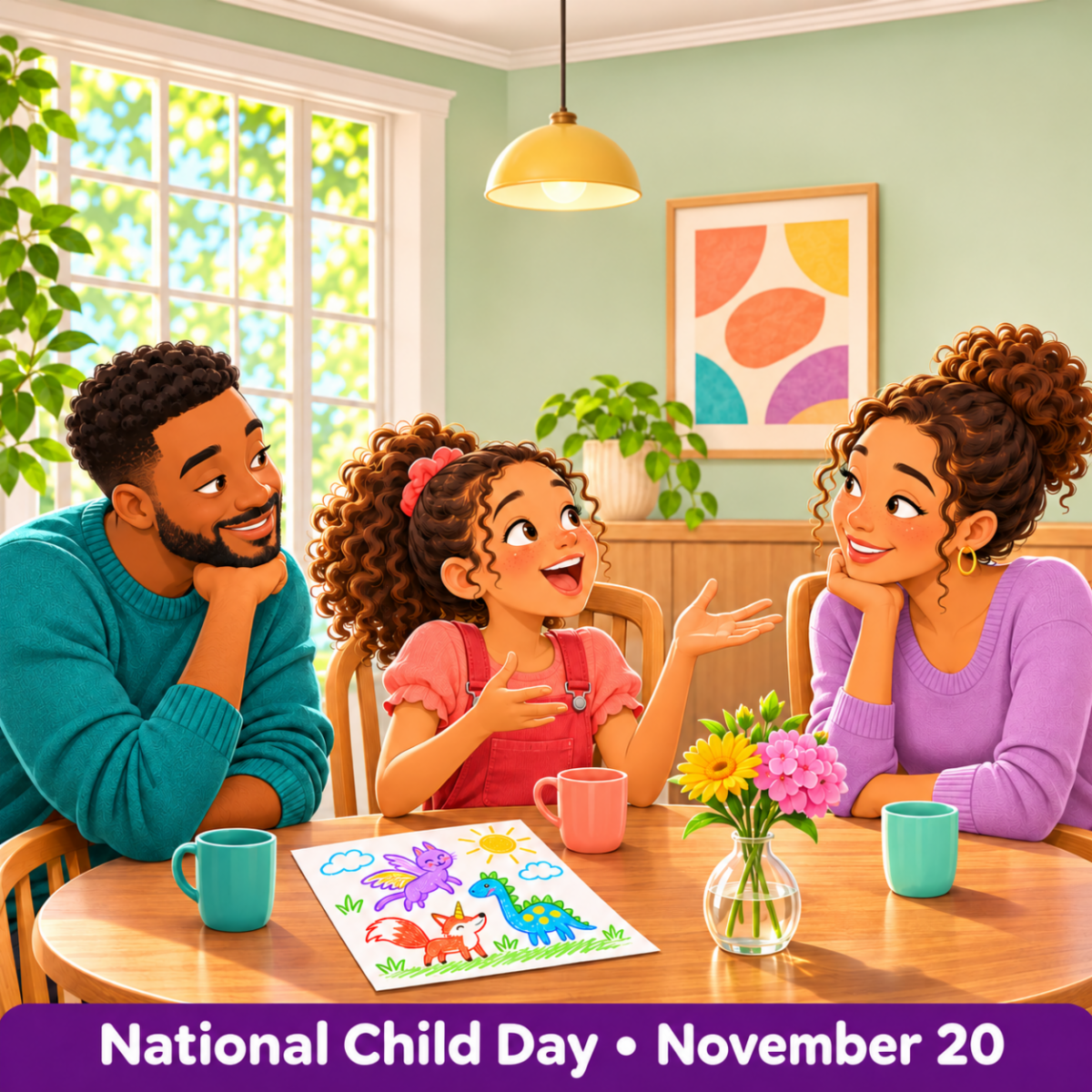
November 20th is National Child Day in Canada, a day that recognizes children’s rights—including their right to express their views and have adults take them seriously. For dental teams, it’s a reminder that even the youngest patients deserve a voice in their experience.
Small, thoughtful interactions can help children feel like welcome participants in their visit.
Start by Saying Hello to Them
Parents naturally handle appointments, paperwork and questions. In the middle of those conversations, remember to acknowledge the child directly.
Use their name, introduce yourself and give them a moment to respond.
“Hi, Maya! I’m Alex. I’ll be helping you today.”
A simple greeting lets children know they’re part of the conversation. If they’re shy, there’s no need to insist on an answer. A smile or a quiet wave can be a perfectly good beginning.
Ask—and Give Them Time to Answer
Adults sometimes answer for children without realizing it. When appropriate, ask the child a question first and leave space for their response.
“What would you like to know before we start?” “Is there anything you’re worried about?”
Their answer might surprise you. A child may be concerned about the chair moving, an unfamiliar sound or whether their parent can stay nearby.
Listening gives your team a chance to address what matters to that particular child.
Explain the Little Things
What feels routine to your team may be completely unfamiliar to a young patient.
Before moving the chair, switching on a light or introducing an instrument, offer a short explanation in language they can understand.
“This little mirror helps me see your back teeth.” “I’m going to move your chair back slowly.”
Avoid promising that something will be easy or painless when you cannot know how it will feel for them. Clear, honest explanations help children know what to expect.
Offer Small, Genuine Choices
Children cannot make every decision about their care, but there may be opportunities to give them a say.
Would they prefer one available pair of protective glasses over another? Would they like an explanation before you begin? Which suitable reward would they choose at the end?
Offer choices your team can honour. Even a small decision can show a child that their preferences matter.
Make Room for Different Ways of Communicating
Some children ask plenty of questions. Others speak quietly, point, gesture or need extra time.
A child who doesn’t answer immediately may still be listening closely. Give them space, involve their parent or caregiver as needed, and ask what helps them communicate comfortably.
Being welcoming also means recognizing that children have different sensory needs, abilities and comfort levels. When possible, discuss helpful adjustments with families before the appointment.
Recognize Effort Without Dismissing Feelings
“You asked a really helpful question.” “Thank you for telling me you needed a break.”
Those comments recognize communication and participation. They also show children that speaking up is welcome.
A child can feel nervous and still make progress. Tears or hesitation don’t erase their effort, and they shouldn’t have to hide discomfort to earn encouragement.
Finish with a Positive Connection
Before saying goodbye, ask a simple question: “Was there anything that helped you today?”
Their answer may offer something useful for the next visit.
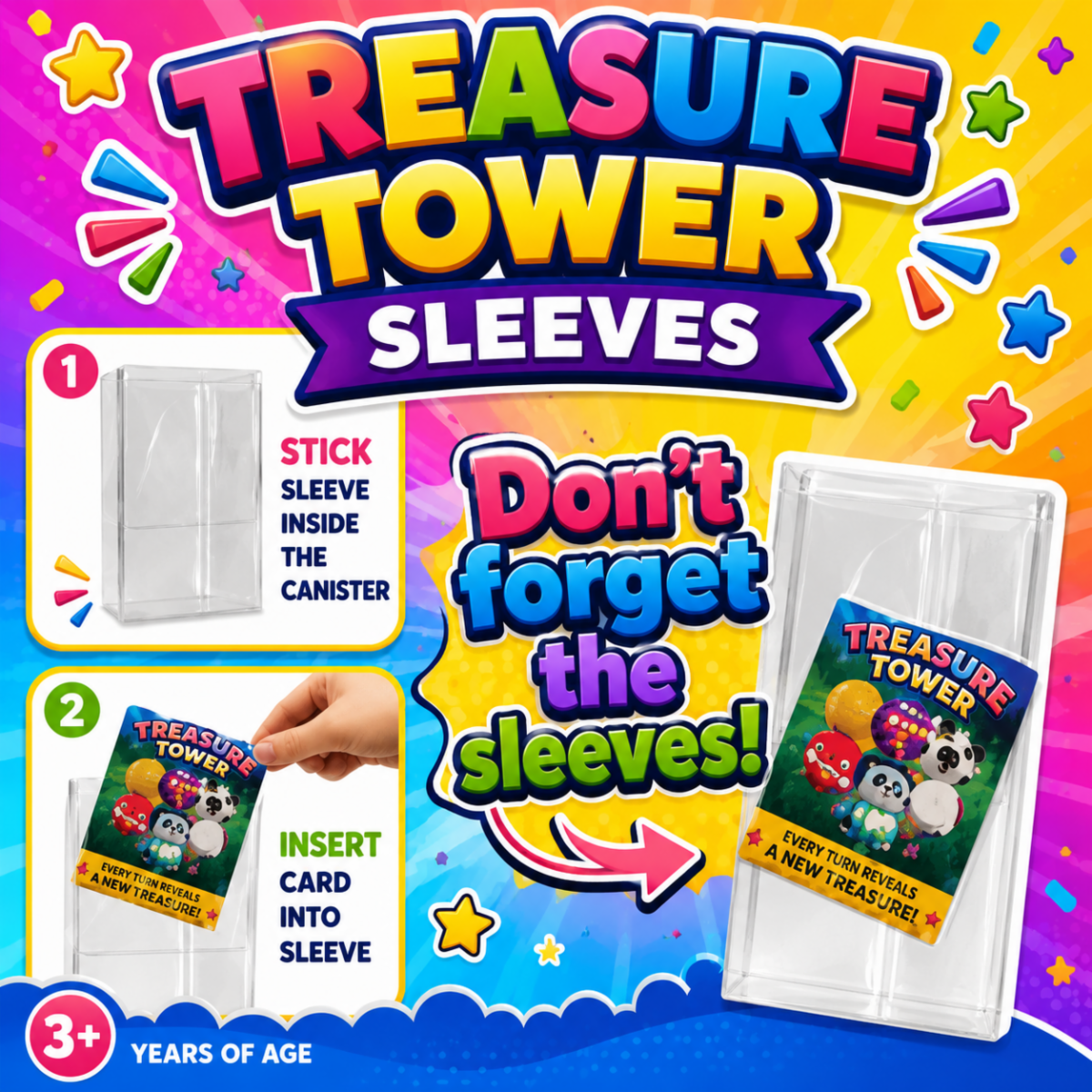
A sticker, activity sheet or age-appropriate Treasure Tower reward can add a cheerful finishing touch. Keep the message warm and inclusive, recognizing that every child’s experience is different. Treasure Tower toys are intended for ages three and up; or one of our suitable alternative toys for younger children.
Carry the Message Beyond November 20
National Child Day is a useful starting point, but helping children feel heard is an everyday practice.
It happens when a receptionist remembers a name, a dental assistant explains an unfamiliar sound or a dentist pauses to answer a question.
Those moments tell a child something important:
You are welcome here. Your questions matter. We’re listening.
|