|
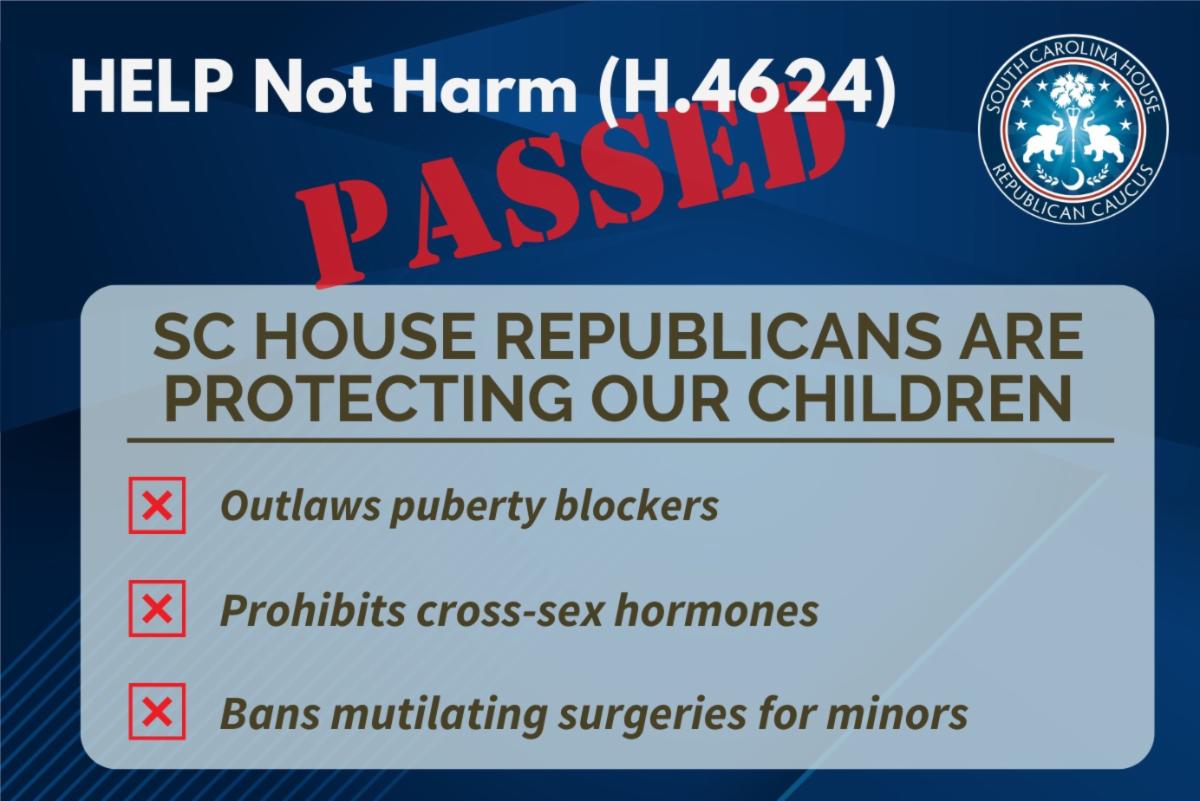
Passage of the 'Help Not Harm' bill this week in the House of Representatives is critical legislation that prohibits gender transition procedures for minors. It also bans any Medicaid or public funding for such treatments for those under 26. This bill took great strides to ensure we maintain access to mental health services, protect our teachers from being responsible for diagnosing children, and hold doctors criminally accountable for performing these procedures. I am unwavering in my dedication to protecting our youth's physical and mental well-being.
Protecting Our Young
This bill is central to our mission to safeguard minors from irreversible gender transition procedures, including puberty blockers, cross-sex hormones, and surgeries. These procedures can have life-altering effects, including risks of sterility and well-documented mental health issues.
Focused Approach
This bill does not impose a blanket ban on transgender healthcare, such as mental health services. It is specifically designed to restrict gender transition procedures for individuals under eighteen.
- It prohibits healthcare professionals from knowingly providing gender transition procedures to minors.
- It allows minors currently undergoing treatment to continue.
- It ensures exceptions for medically necessary services.
Financial Aspects
- Under this bill, the South Carolina Medicaid Program will not reimburse or cover gender transition procedures for individuals under twenty-six years of age.
- It also bans the use of public funds for gender-affirming care for minors.
Enforcement and Discipline
- The bill empowers appropriate licensing boards to carry out disciplinary actions against healthcare professionals who violate these provisions. In addition, a physician who knowingly performs genital gender reassignment surgery is guilty of inflicting great bodily injury upon a child.
I am an original cosponsor of this legislation because I'm convinced this is a prudent step in protecting our most vulnerable population – our children – while ensuring our state's youth's long-term health and safety.
|