View as Webpage

October 27, 2026


Call To Action For Bobcats

Department of Fish & Wildlife Public Comments Needed By Sunday, Nov. 1st!


SCIL's Volunteer Data Scientist Webinar
Presentation on Dog "Length of Stay" in Animal Shelters


Invitation to L.A. Premiere 
The New Gold Standard: Cutting Edge Science That's Replacing Animal Testing


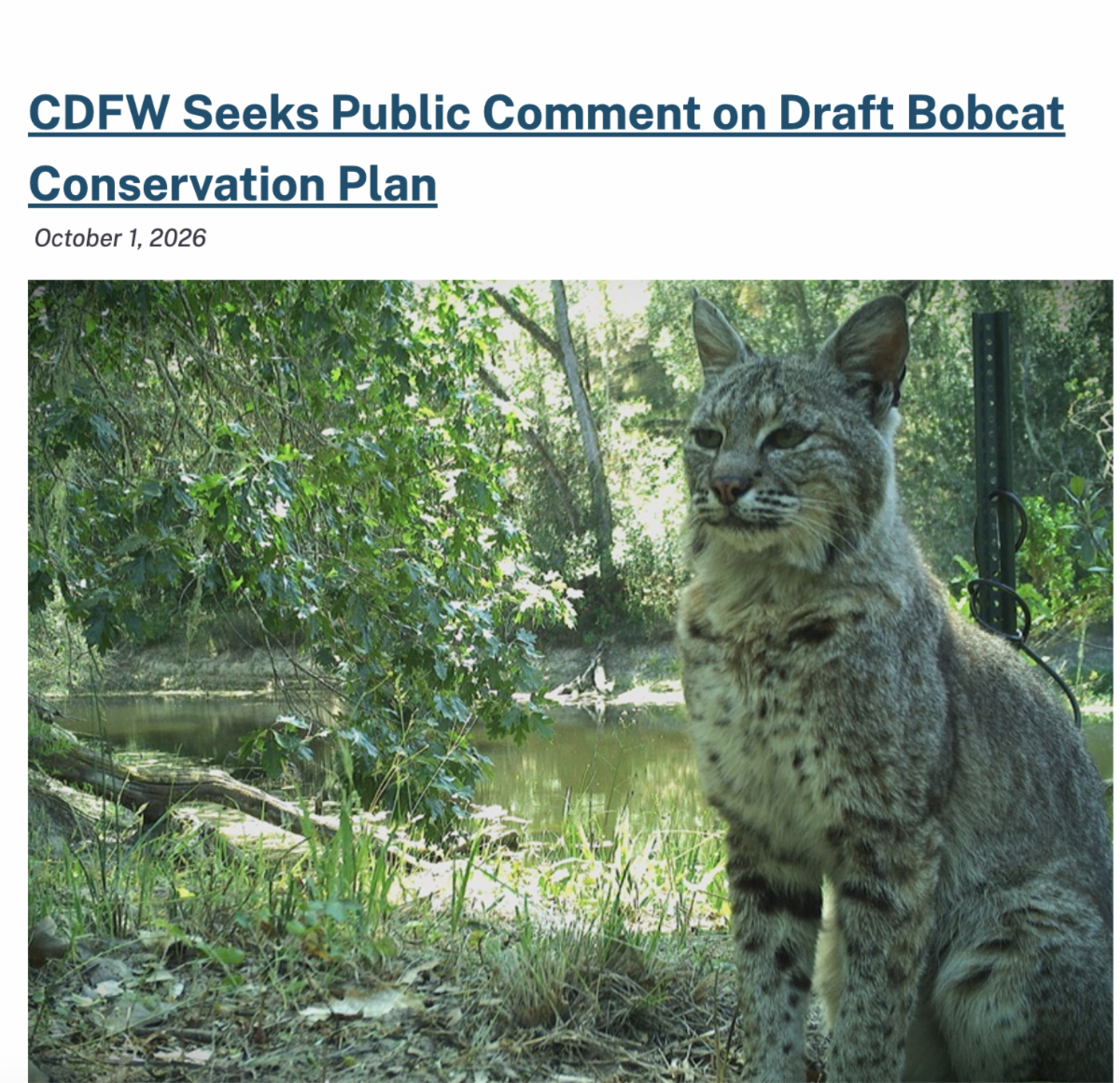
From CDFW Website (or click photo above to go to their website):


The California Department of Fish and Wildlife (CDFW) is now accepting public comments on the just-released draft California Bobcat Conservation and Management Plan (PDF)(external link). The 133-page draft management plan was developed over five years alongside the California Bobcat Population Monitoring Project’s Report of Findings (PDF)(external link) released in August.


CDFW is accepting written comments on the draft plan through Nov. 1, 2026. Comments can be e-mailed to: wildlifemgt@wildlife.ca.gov.


Please include “California Bobcat Conservation and Management Plan” in the subject line.

Talking Points For Your Email To CDFW:


Urge the California Department of Fish and Wildlife to Maintain the Ban on Bobcat Hunting and Trapping.


- Keep California's bobcat protections in place. Urge the Department to maintain the state's prohibition on recreational bobcat hunting and trapping in its Bobcat Conservation and Management Plan.


- Uphold the Bobcat Protection Act of 2019 (AB 1254). California passed this important legislation to protect bobcats from unnecessary killing. These protections should not be weakened or reversed.


- Bobcats are essential to healthy ecosystems. As native predators, they help regulate prey populations, maintain ecological balance, and support biodiversity throughout California.


- A stable population is not a reason to resume hunting. Although recent research estimates California's bobcat population at more than 62,000, population stability should be viewed as a conservation success, not an invitation to begin killing these animals again.


- Bobcats already face significant threats. Habitat destruction, urban development, vehicle collisions, disease, and habitat fragmentation threaten their survival. Recreational hunting would add unnecessary mortality.


- Existing laws already address legitimate conflicts. California has mechanisms for addressing specific threats to livestock and property. Recreational hunting is not necessary to resolve these situations.


- Protect California's progress on wildlife conservation. AB 273, the Wildlife Protection Act of 2019, prohibited recreational and commercial fur trapping statewide. California should build upon these landmark protections, not reverse them.


- Reject recreational killing in the final management plan. The Department should explicitly recommend maintaining California's existing bobcat hunting and trapping prohibitions.


Suggested closing statement for advocates:


"I urge the Department to ensure the final Bobcat Conservation and Management Plan maintains California's existing prohibitions on recreational bobcat hunting and trapping. These magnificent native animals deserve continued protection, and California should remain a national leader in wildlife conservation."

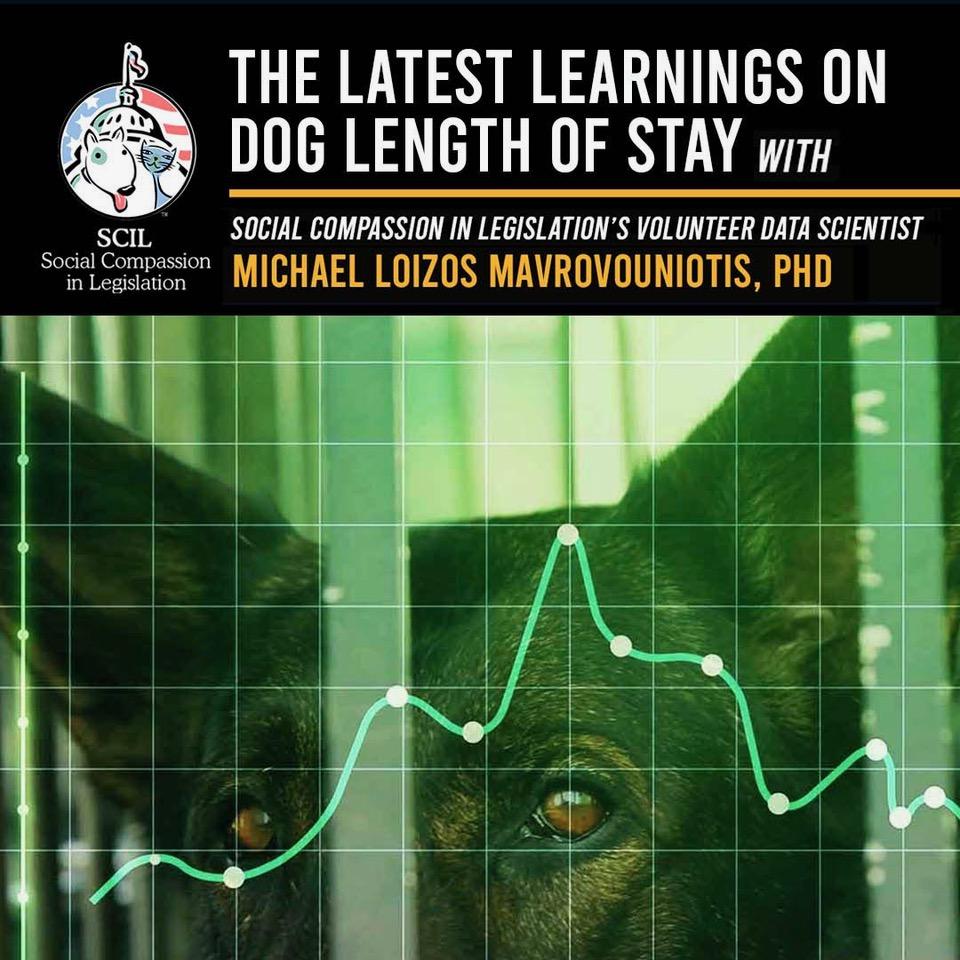
Dogs and Data Webinar: The Latest Learnings On Dog Length of Stay

https://www.youtube.com/watch?v=CCiXwRU69Vc


Why are dogs staying longer in animal shelters and rescues? How should we be analyzing length of stay? What characteristics make dogs at risk for long lengths of stay? Most importantly, what can we do about it? This panel of experts will discuss all of this and more, sharing the latest findings on length of stay and offering new ways to think about length of stay.


Discussion points include:

• Length of stay vs. days in care, and mean vs. median

• What do we do about outliers?

• The Kaplan-Meier and Cox regression and what it tells us about length of stay and outcomes

• What we think about how capacity affects length of stay

• Factors that negatively affect length of stay

• Should we worry about length of stay in foster?

• How to effectively engage the public to reduce length of stay

• Introduction of a length of stay policy checklist


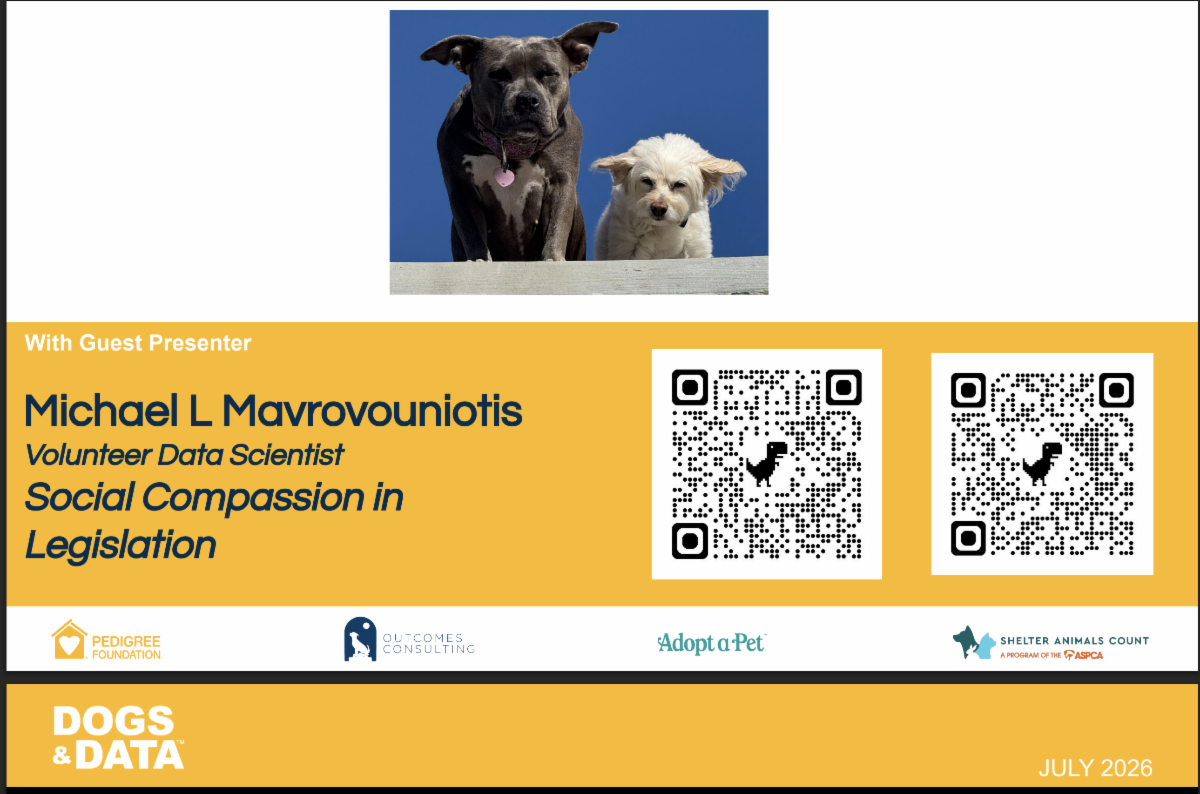
CLICK ON IMAGE BELOW FOR ENTIRE SLIDESHOW

RSVP for the November 2, 2026

Los Angeles Premiere of 

The New Gold Standard: Cutting Edge Science That's Replacing Animal Testing


We are thrilled to invite you to the Los Angeles premiere of this groundbreaking documentary exploring the future of medical research without animal testing!


What makes this film especially meaningful to us is the extraordinary team of animal advocates and longtime friends of Social Compassion in Legislation (SCIL) who brought it to life.


Our very own board member and dedicated animal advocate, Maggie Q, joins longtime SCIL supporter and philanthropist Jim Greenbaum as executive producers. The film was produced and directed by another dear friend and longtime supporter, acclaimed filmmaker Steven Latham.


We couldn't be prouder of their commitment to advancing science, challenging outdated practices, and helping build a future where medical breakthroughs no longer come at the expense of animals.


We hope you'll join us for this special premiere and help celebrate a more compassionate future for science!


Check out the trailer!


Click HERE or the photo above to RSVP for the Monday, November 2nd showing at the AMC Century City 15. You must RSVP through the link to attend. 


We hope to see you there!

Click below to access all of the

BECAUSE THEY NEED US episodes!

Thank you to everyone who has supported our group in 2026. We had a very successful legislative year! Please help us prepare for a busy 2027–2028 legislative session by donating today. Your donations are the reason we exist and are able to do this important work for animals. Thank you again for your continued support!


All the best, Judie

Judie Mancuso, founder/CEO/president

Social Compassion, 501(c)(3)

Social Compassion in Legislation, 501(c)(4)

Other ways to support our group:

  • Buy our book on Amazon, or donate and receive via our website.
  • Shop our store on Etsy!
  • Join for Free, or Subscribe to Our New Substack channel.

See what's happening on our social sites

Facebook  Instagram  LinkedIn  Web