Twitter  Youtube  Linkedin  
Subscribe

NASA Harvest News

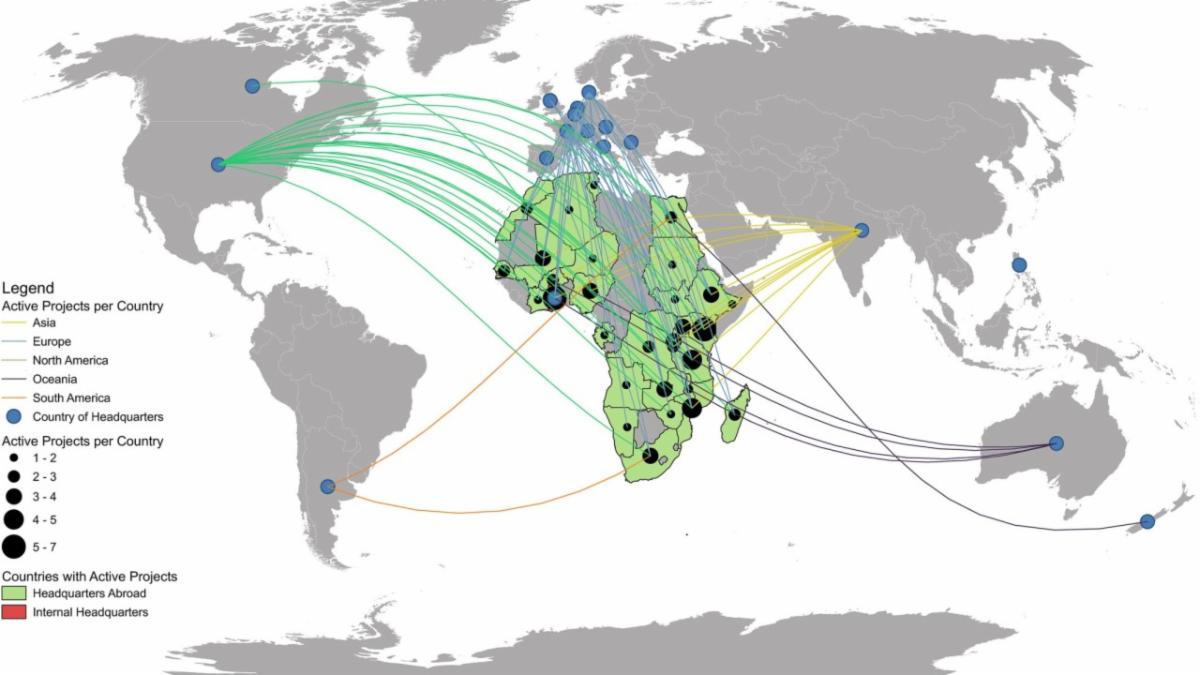
Mapping Earth Observations & AI in Africa - Help us update this map!

NASA Harvest is creating a representative map of the Earth Observations and AI landscape in Africa! Why this matters: Building on the excellent EO4ML market map created by Radiant Earth Foundation in 2021, we're working to create a more comprehensive view of the landscape that highlights localization of advancements and contributions across various domains, with a special focus on Africa. The resulting map will serve as a valuable resource for stakeholders to discover and connect with service providers in the EO/AI ecosystem.


How you can help: We've created a short 5-minute survey to gather information about initiatives in Africa and other regions worldwide. Your input will be invaluable in creating a networking resource that facilitates connections between organizations, researchers, funders, and service providers working in this space.


Privacy assurance: All information collected will be kept confidential and used solely for research purposes.


Ready to contribute to this important mapping effort? Complete our survey here: https://forms.gle/8VUt5DbyHNJDkqGJ6

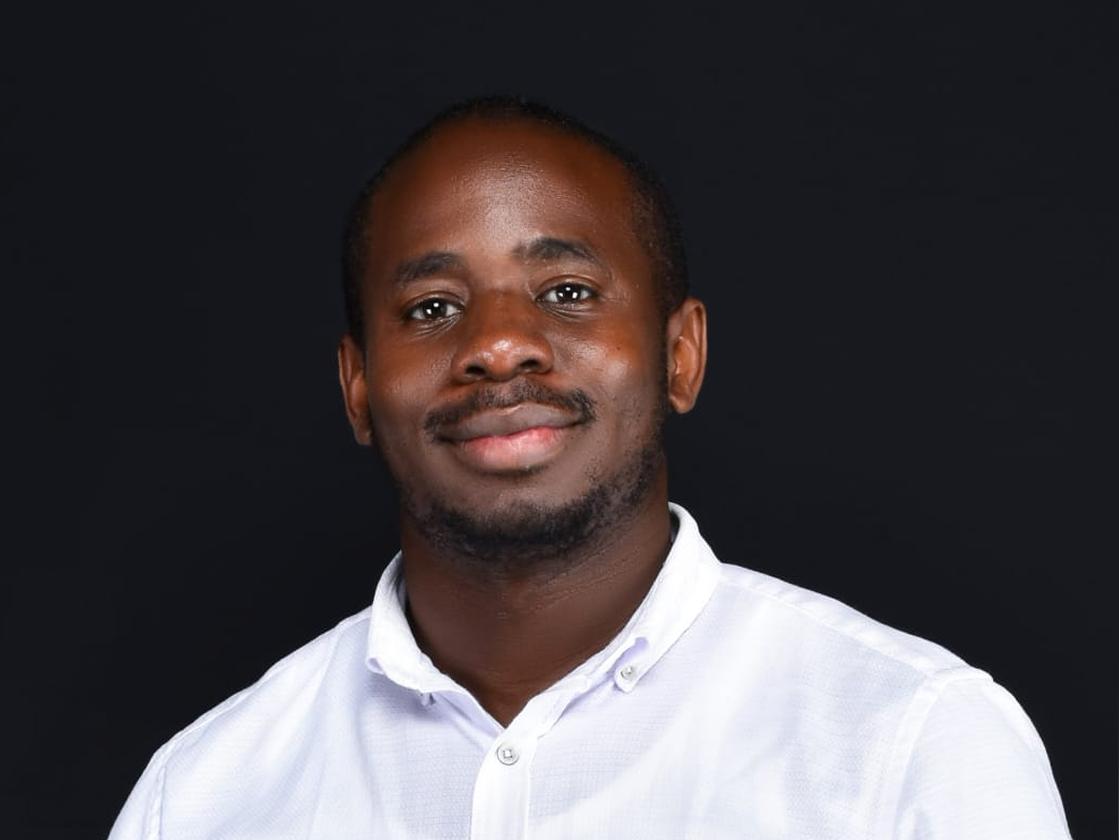
Remembering David Ongo: A Legacy in Geospatial Science

NASA Harvest collaborator David Ongo recently passed suddenly. David Ongo was an instrumental Harvest partner from the Intergovernmental Authority on Development (IGAD) Centre. He was one of our crop monitor champions, propelling Crop Monitoring initiatives throughout the East African Region and serving as Harvest's IGAD focal point. David passed away shortly after participating in our recent crop monitoring training in Ethiopia. During this event he expressed his enthusiasm on progress thus far and could not wait to make plans for our next training session. We at Harvest deeply feel his absence and will always remember his tenacity and unwavering dedication to our shared mission of efficient and rapid crop monitoring in Eastern and Southern Africa.

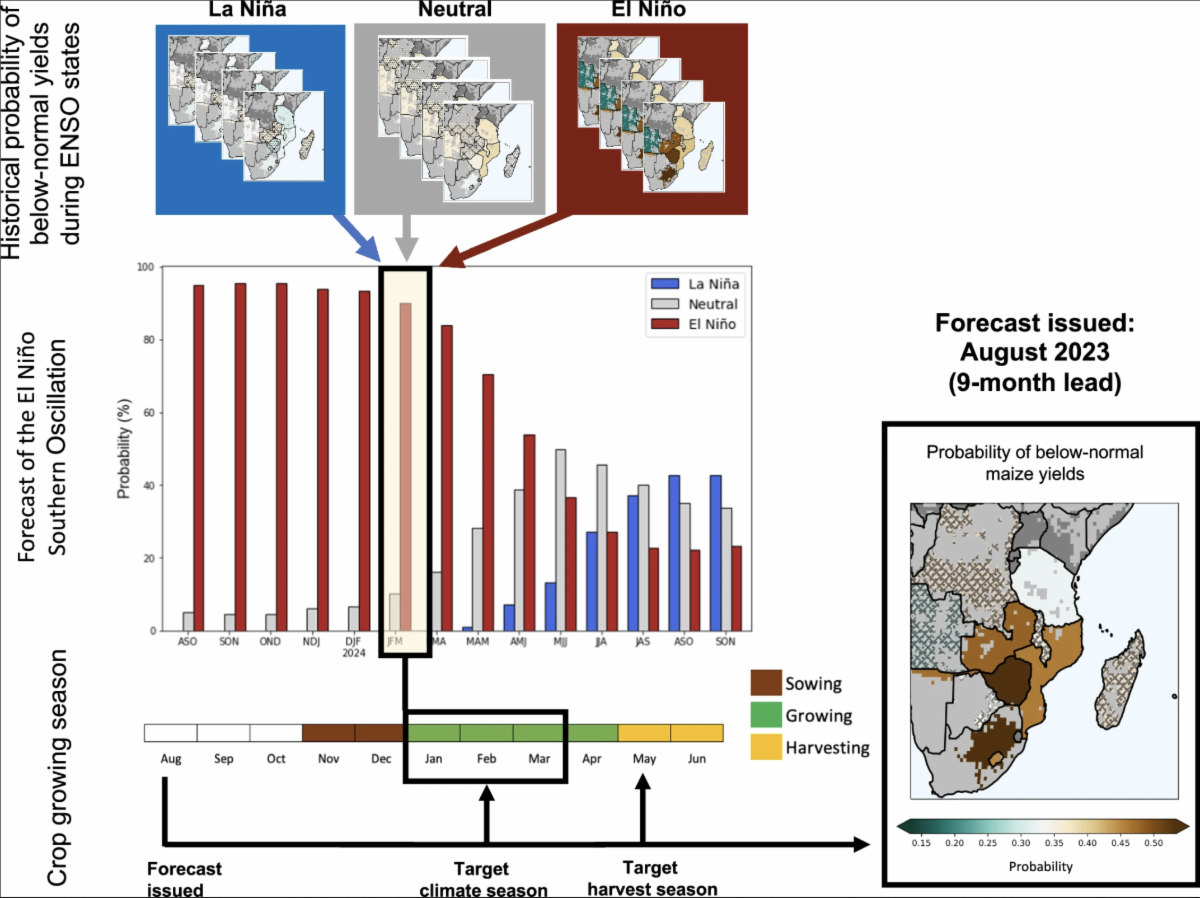
Preseason Maize and Wheat Yield Forecasts for Early Warning of Crop Failure

Anticipating crop failures six to twelve months in advance is critical for effective disaster response, yet such long-range yield forecasts are rare. By leveraging advances in climate forecasting, we show that skillful global preseason crop yield predictions are both possible and more reliable than previously recognized. Our findings highlight the untapped potential of early warning systems for agricultural planning and food security.

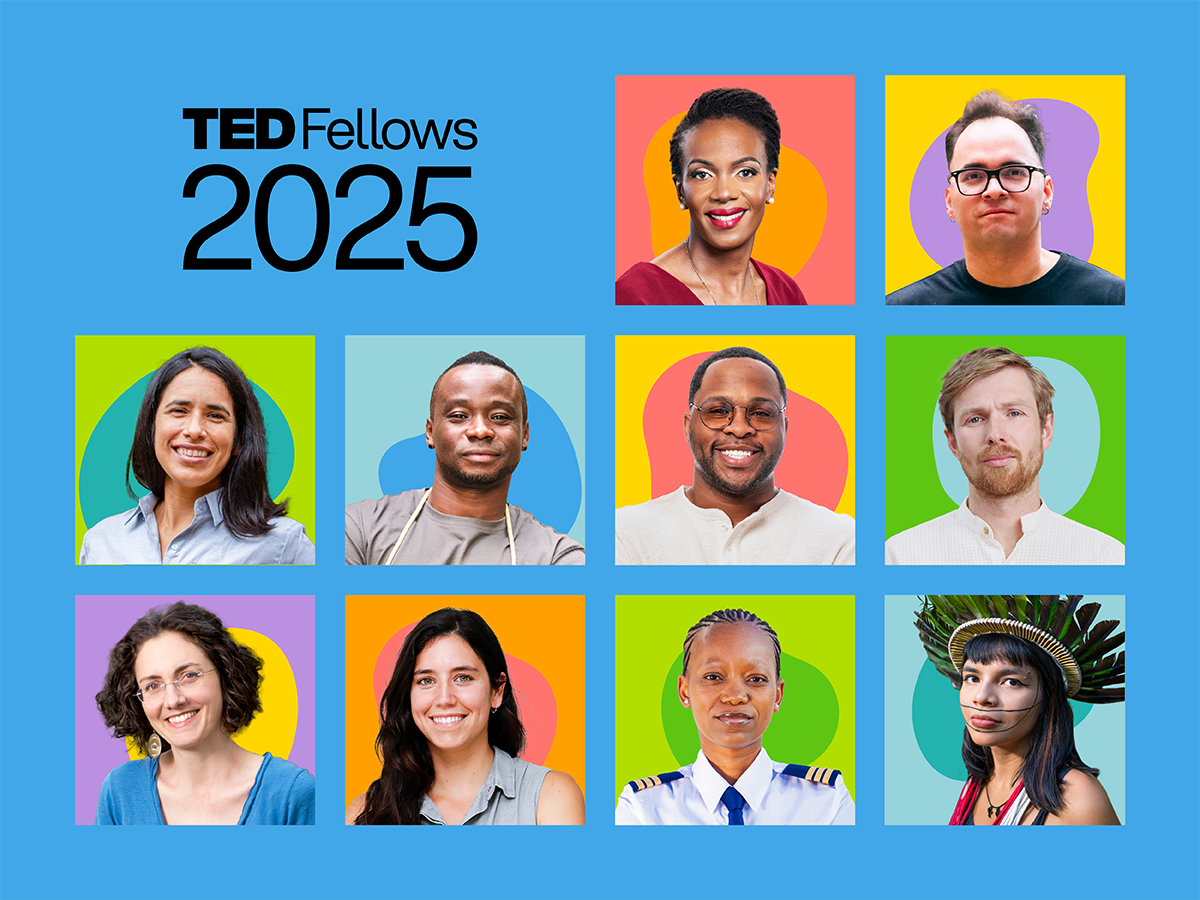
NASA Africa Lead Selected as 2025 Ted Fellow!

NASA Harvest's Catherine Nakalembe has been selected as 1 of 10 indivuduals to join the Ted Fellows program. The fellowship offers communication training, network-building opportunities and amplification for remarkable individuals who are pushing boundaries in their fields and tackling the world’s greatest challenges.

Shaping the future of food in 2025: Podcast with International Fund for Agricultural Development

NASA Harvest's Africa Lead appeared on IFAD's 'Shaping the Future of Food' Podcast to reflect on rural development successes from the past year and discuss what lies ahead.

Digital Innovations for Monitoring Sustainability in Food Systems

Digital monitoring systems are widely used in food systems to track compliance with established standards. Technologies like remote sensing, machine learning, and blockchain offer opportunities for improved oversight but also pose risks of surveillance and misuse. This work explores the benefits, challenges, and research gaps in digital monitoring.

Professional Opportunities

2025 AI Upskilling Workshop for Former US Environmental Scientists

The AI for wildlife conservation community has been impacted by recent layoffs in the US public sector; many of the conservation scientists who either developed or used AI tools for wildlife monitoring have lost their jobs, and have reached out to AI practitioners for advice on building AI skills before re-entering the workforce.


To assist in that upskilling, and to foster a community in which those impacted can help each other build AI skills, the CV4Ecology program is organizing a two-week remote workshop in May of 2025 that will teach computer vision and machine learning methods to former US public sector conservation scientists, based on the CV4Ecology Workshop series.


If you are interested in participating, please fill out this form by Friday, April 18, 2025.


Workshop orgnaizers are also looking for AI experts who can serve as instructors/mentors; if you’re interested in volunteering as an instructor, please fill out this form by Friday, April 18, 2025.

Upcoming Events

NOAA's Satellite Applications Symposium Series: Land and Agriculture

May 20, 2025

Learn about NOAA’s next generation satellite capabilities to monitor our nation’s abundant natural ecosystems. Topics will include land cover/land use change, agricultural and forestry monitoring, fire detection, spread, and emissions, flooding, inundation and drought, crop condition, phenology and yield, as well as lightning, atmospheric sounding and composition, for agriculture, forestry and other terrestrial ecosystems.


You must be a US citizen to attend in person, to register visit NOAA's website.

NASA ARSET: Fundamentals of Remote Sensing

Asynchronous

NASA ARSET is re-releasing their free Fundamentals of Remote Sensing course.


In this self-paced course, you’ll learn the underlying science behind how remote sensing works and the basic functional characteristics of satellites and sensors. You will explore the kinds of satellite remote sensing data that are available, advantages and disadvantages of remote sensing, and some basic tools to visualize data. By the end of the course, you’ll be equipped to begin your journey using NASA’s no-cost, open-access remote sensing data and resources.

2025 NASA International Space Apps Challenge

Asynchronous

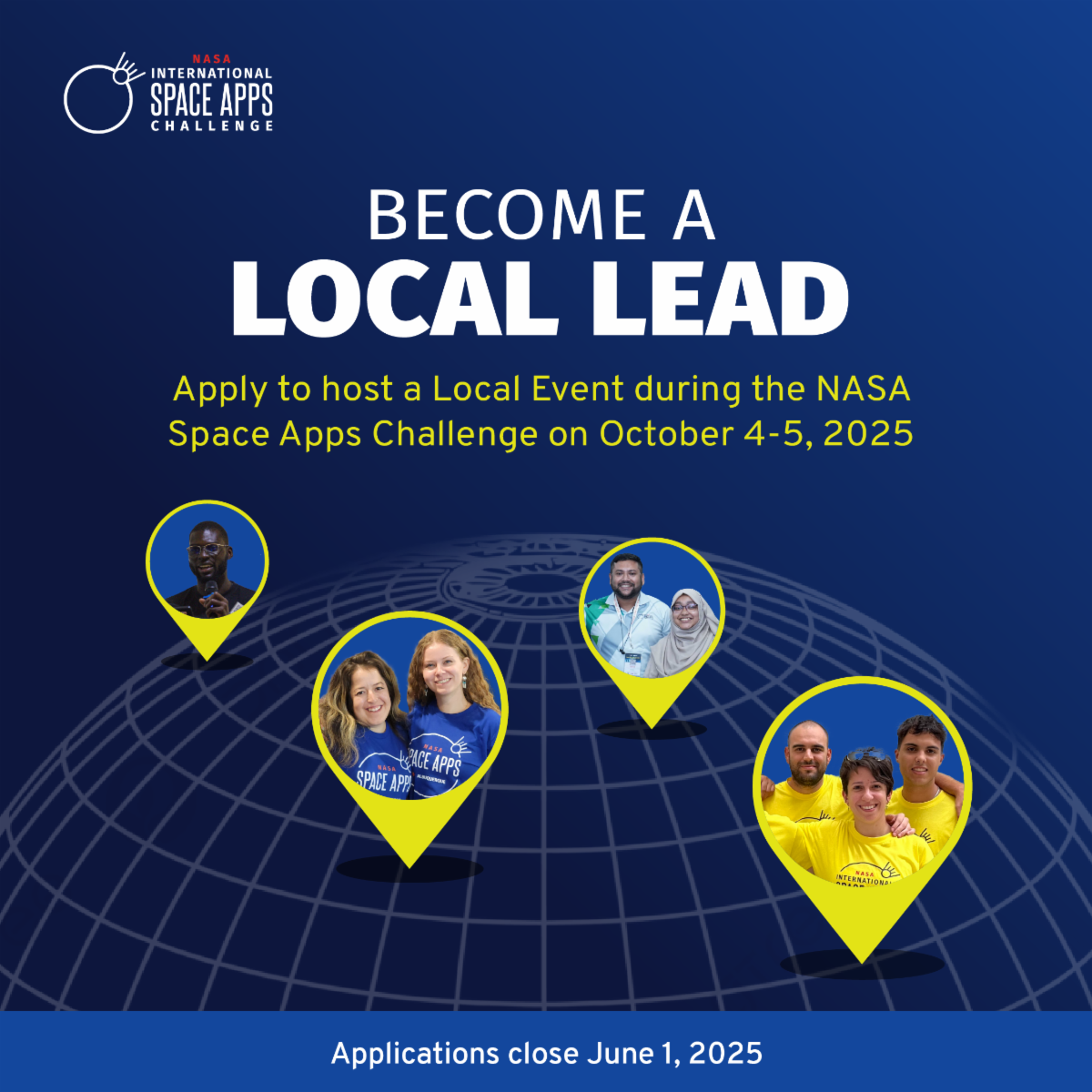
The 2025 NASA International Space Apps Challenge is looking for Local Leads to organize events for their city or town!


Local Leads are leaders of their local space and science communities who volunteer to organize in-person or virtual NASA Space Apps Challenge events in their cities or towns. They increase awareness and engagement of NASA Space Apps and are pivotal to the success of our hackathon!


Check out the 2025 Local Lead Recruitment Info Guide for more details!

Visit Our Website