|
Convincing seniors to use in-home care services can be tough. Regardless of your own confidence, what can you do when a loved one refuses to accept the idea?
In this guide, we’ll go through the most common ways to help seniors accept the idea, while limiting the stress for yourself.
Gain an Understanding.
The first hurdle often lies in understanding. There are usually deeper issues at play than stubbornness. Pushing the idea constantly without a clear understanding can backfire and cause resentment. Once you gain an understanding, you can then work to resolve the issue.
Naturally, a conversation can work wonders here, but you might struggle to get that far or, your loved one may not know the true reason for their discomfort with the idea anyway. If so, the following advice might unlock some doors.
Overcome the Fear of the Unknown.
The main reason seniors struggle to accept the idea of in-home care is fear. The biggest fear is usually the unknown.
For example, when you know nothing about ‘senior care’ then all sorts of stereotypes can pop-up. These concerns can create a perfect storm for rejection and anger.
So what can you do? Slowly introducing them to the idea may be the best way. Your loved one might not be aware of how much a caregiver can help their life.
For example, you could hint that a caregiver could help them with transportation, cooking or laundry. Little hints throughout the days can do a lot.
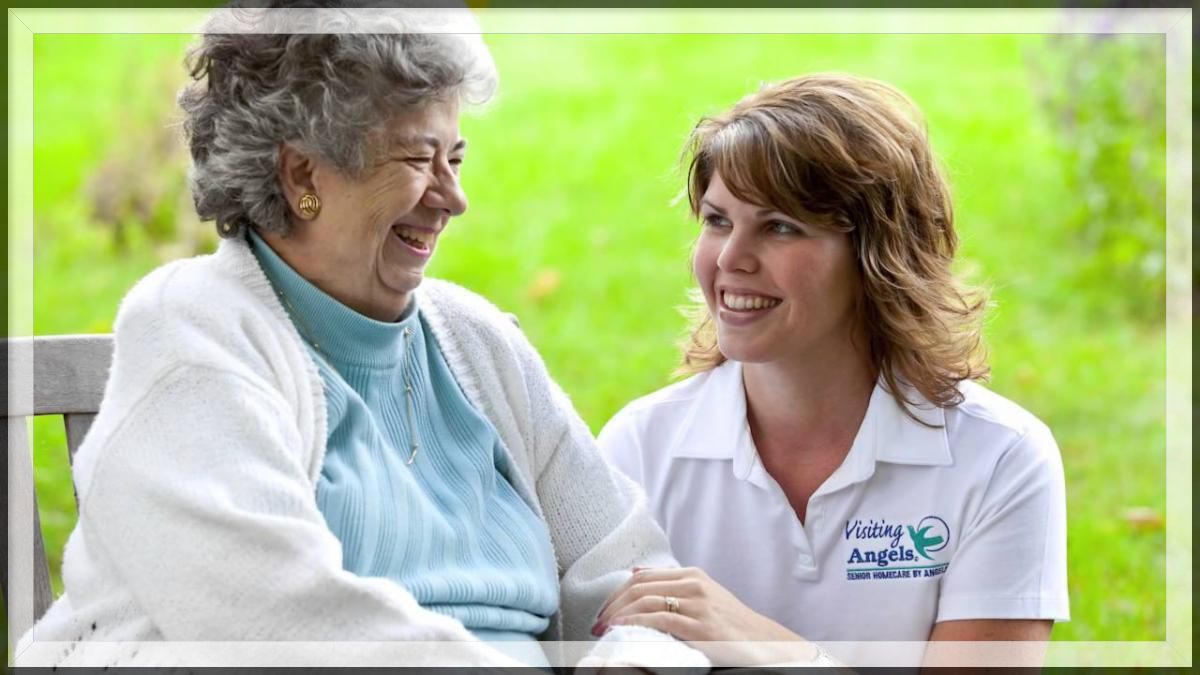
Visiting Angels senior home care clients arrange customized care plans. Allowing a senior to know they gain complete control of their daily plan may reduce the discomfort of uncertainty.
Let Them Know They Won’t Lose Independence.
Losing independence is a fear for all ages. But when you’re a senior, the idea of being cared for can seem condescending or restrictive.
Ensure your loved one is aware that senior in-home care allows them to remain at home, with their own lifestyle, interests, hobbies, tastes and preferences. It’s an overarching symbol of independence.
Caregivers are great at recognizing a senior’s desire for independence and adapt their caregiving plans to only step in where indeed.
Inclusion With Caregiver Selection.
Inviting a new person into the home can be a scary concept. After nearly a lifetime of privacy, suddenly you’re asking your loved one to open the door.
The best way to reduce these concerns is to include your loved one in the caregiver selection process. By having an active role in the process, your loved one can gain control over the type of person they wish to work with and can hopefully reduce some of the anxiety.
If you’re not at that stage yet, then the knowledge that they can select their caregiver may reduce their apprehension.
In our experience, adapting to senior in-home care goes much better when everyone is confident over the caregiver selection.
Focus on the Idea of Chore Assistance.
Intimate personal care tasks like bathing, grooming and socializing are also another common cause of apprehension.
You may find some success by persuading a parent that in-home care is for household tasks only. This can allow you to ‘open the door’ to a caregiver, who can perform the boring chores and tasks of everyday home living while building a relationship slowly with the parent.
Over time, you may be able to push that door open a little wider to a broader range of assistance as needed.
Place Emphasis on Your Needs.
Your loved one may not be aware of the burnout you and your family are experiencing. Maybe they need to hear it.
If your parent, for example, realizes that in-home care is going to make your life healthier, then they may see the light in the idea.
You can do this by being honest about the time and energy constraints, or how you want to spend quality time with your parents, not just chores. Remember to not blame them while explaining this.
Let them know you may be more comfortable if someone else was there to help out. For some people this may just be a few hours a week, for others, it can be respite care or full-time. With in-home care, the client is the boss of schedules.
Be Careful With Arguments.
Perhaps needless to say, it’s best to avoid causing too much tension that could lead to further resistance.
Use Real-World Examples.
If your family has a relative or friend who has benefitted from senior in-home care, then this is the time to share their experience!
Ideally, you could set up a conversation with the individual but, if not, let your loved one know how their friend has been enjoying the extra assistance.
This can create reassurance and comfort over the concept.
The Severity of Their Health.
For those with loved ones returning home after a hospital discharge, then a convincing point can be made regarding their health.
20% of seniors on Medicare are rehospitalized within 30 days of discharge. It is critical during this period that your loved one’s health is a priority - from medication and meal time, to an active spirit and positive environment. A senior caregiver can help hospital discharges go smoothly.
Reassuring Dementia Patients.
If your loved one is not of sound mind, you may find the above advice irrelevant. Alzheimer’s disease and other types of dementia can make the task of accepting in-home care more complex.
Although your loved one may not be able to fully participate in the process, you may still be able to include them.
For example, you could introduce them to potential senior caregivers to see how they both get along. Naturally, dementia patients’ have fluctuating moods so keep this in mind during the meeting.
We advise having a family member in the home during the first few shifts, to reassure your loved one and to oversee how both sides are finding the experience.
It’s advised that you look for a caregiver who specializes in dementia caregiving and knows how to communicate and calm their clients.
Contact Us to Arrange Senior Home Care Services in Tampa, FL, Pasco County and North Pinellas County.
If you need some professional helping hands or assistance to take a break from caregiving, then contact Visiting Angels today to arrange a referral of a professional caregiver to provide Senior Home Care in Tampa, FL.
Whether you're ready to get started or would like to learn more, we'll be happy to have a conversation with you or your loved one.
You can call us at 813-909-2550 today for Hillsborough, Pasco & North Pinellas areas - Available 24/7 to talk with a Visiting Angels Representative.
|