Henrico History in Progress
Fall 2026
| |
Table of Contents
- A Letter from Our History Team
- West Broad Street Gardens: The Jazziest Neighborhood in Henrico
- J. Frank Darling: Entrepreneur
- Programming Update
- The Legacy of Black Entrepreneur & Entertainer Sherman H. Dudley
- Collections Spotlight: Kewpie Doll
- How Henrico Got Its Shape - Part I: All in the Family
- Staff Spotlight: Kara DiComo
- Down on the Farm
- Henrico Historical Society
|
| A Letter from Our History Team | | |
Welcome to the Fall 2026 edition of the Henrico History newsletter!
Whether you are a longtime reader or new to our biannual publication, thank you for your interest in Henrico County's rich history. We’re thrilled to see the growing enthusiasm for local history, both through this newsletter and at our programs and events. From lectures and special events to tours and community partnerships, your attendance, engagement, and feedback have been incredibly encouraging. It is gratifying to see so many people eager to learn more about the stories, places, and people that have shaped our county.
This issue offers another diverse collection of stories from Henrico's past and present. Our main article explores a name you may have seen many times without realizing its significance: the word DARLING painted down the tall smokestack along the railroad tracks near Mountain Road in Glen Allen. We investigate the business life of J. Frank Darling to uncover the story behind it. You’ll also find features on the street names in West Broad Street Gardens and on the life and legacy of Black Vaudeville entertainer Sherman H. Dudley. We’ll also answer a common question in a two-part series starting this fall: why does Henrico have its unique shape?
As communities across Virginia continue commemorating the 250th anniversary of the American Revolution, we include updates on our upcoming Henrico 250 programs and events planned for this winter. You’ll also get a first look at an exciting program that centers on a 100‑year‑old cake!
Of course, no issue would be complete without an update from one of the beloved residents of Meadow Farm. In this edition, you’ll hear from Bluebell the Golden Campine. And in our "From the Collection" feature, we highlight a fascinating story behind our Kewpie Doll.
As always, we hope these stories inspire you to explore, discover, and connect with Henrico's past. Thank you for being part of our growing community of history enthusiasts, and we look forward to seeing you at a future program or event.
Happy reading!
Sincerely,
Joseph Rizzo
History Manager
Henrico Recreation and Parks
| |
West Broad Street Gardens:
The Jazziest Neighborhood in Henrico
By Bryce Stanley
| | |
We’re often asked about the origins of street names here in Henrico. Some streets — like Patterson, Dickens, and Dill — take their names from the families who once owned the land. Others — like Mountain and Williamsburg — point the way to nearby places or destinations. And some are named for their physical characteristics; Broad Street, for example, was simply a broad street!
When it comes to planned communities and subdivisions, developers get to choose the names and sometimes they have a little fun with it. Take the reindeer-themed streets just off Skipwith Road, where you’ll find Rudolph, Comet, Dancer, and Dasher Roads. Have you driven down these streets?
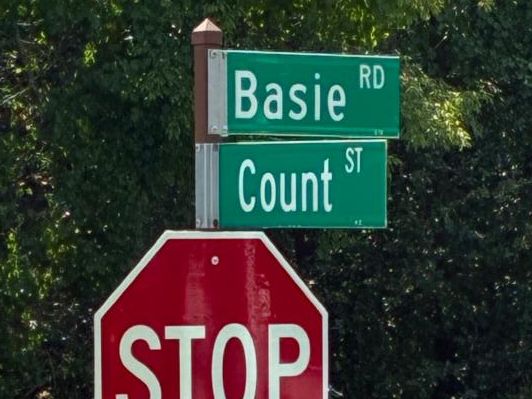
If you’ve ever traveled east on Bethlehem Road, you may have noticed that within a few hundred feet the name changes briefly to Basie Road before turning to Bremner Road, finally ending at Staple Mill Road.
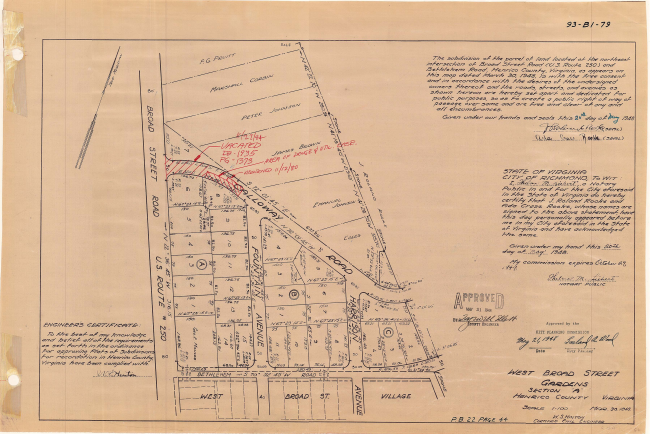
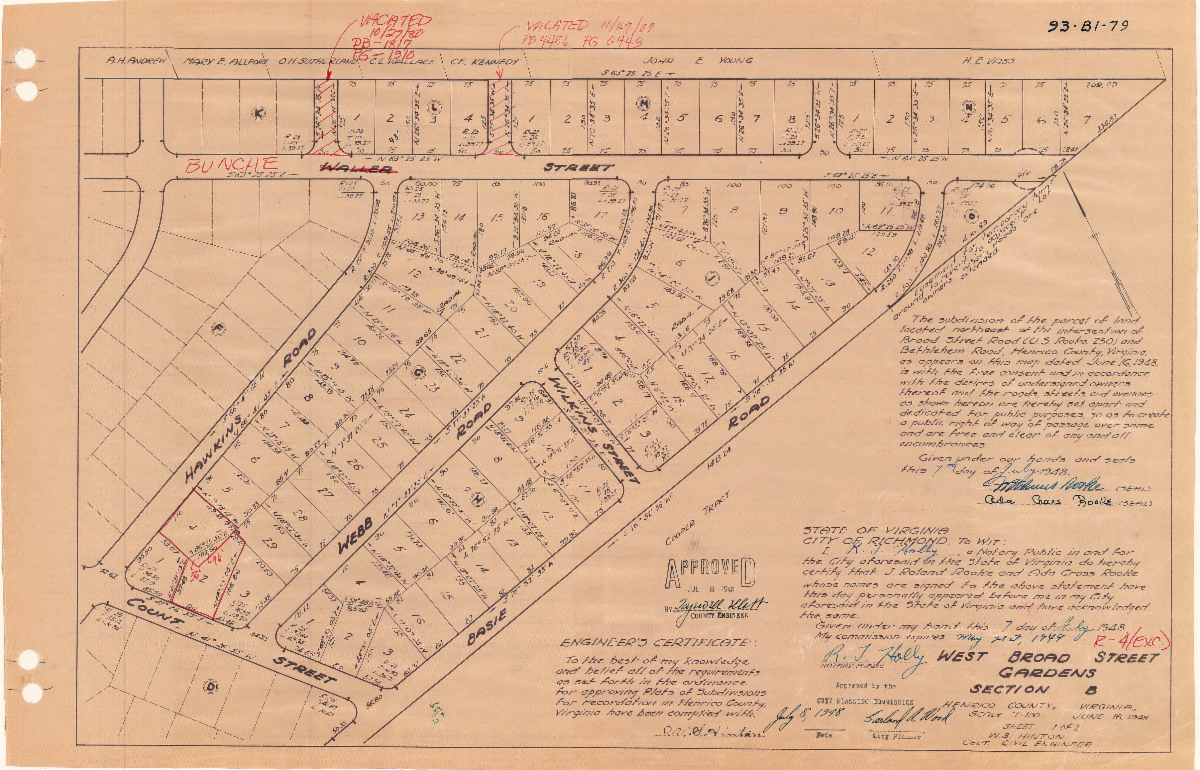
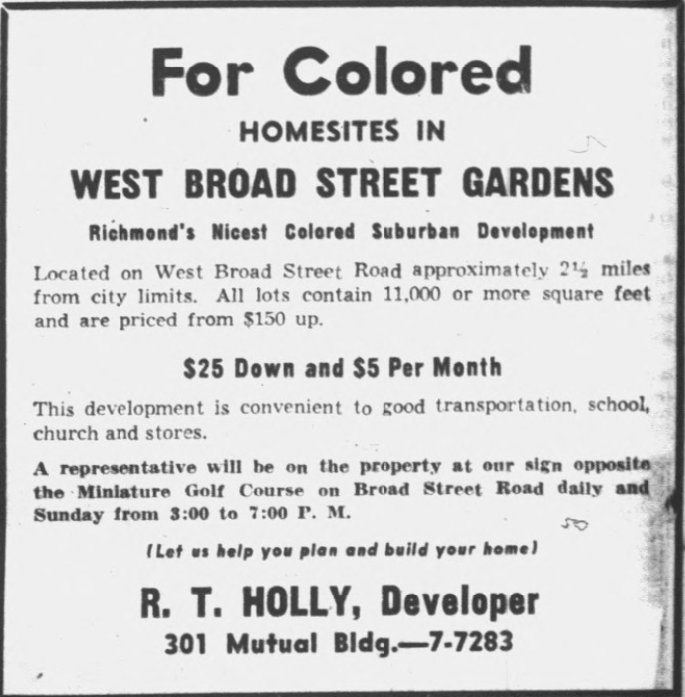
| | West Broad Street Gardens Section A | | West Broad Street Gardens Section B | | Basie Road is the southern boundary of West Broad Street Gardens: a neighborhood originally planned for African American families in 1949 during the final years of the Jim Crow era. The area around Broad Street, and what became Glenside Drive, was already a thriving African American community. The area was home to established neighborhoods like Burrell Town and West Broad Street Village, along with Union School and Pilgrims Journey Church — important institutions that served the community. | | If you travel north into West Broad Street Gardens from Basie Road, you will notice a trend as you travel up Count Street passing Webb and Hawkins Roads, eventually hitting Armstrong Road. If you keep winding your way through the neighborhood, you will find Erskine Street and Calloway Road, as well as Bunche Street, which was originally named Waller Street. If you put all these street names together, you have a mighty impressive fantasy jazz band team. | | Targeted advertisement for West Broad Street Gardens | The fact that the white developers named the streets after, James “Count” Basie, Erskine Hawkins, Louis Armstrong, Henry “Chick” Webb, Cabell “Cab” Calloway III, and Thomas “Fats” Waller (all famous African American jazz musicians of the time) was in all likelihood a marketing ploy to entice African American families into buying property in the neighborhood. Ultimately, the development took a while to sell and, by the time the neighborhood had filled, segregation had finally ended. | |
J. Frank Darling: Entrepreneur
By Mary Ann Soldano
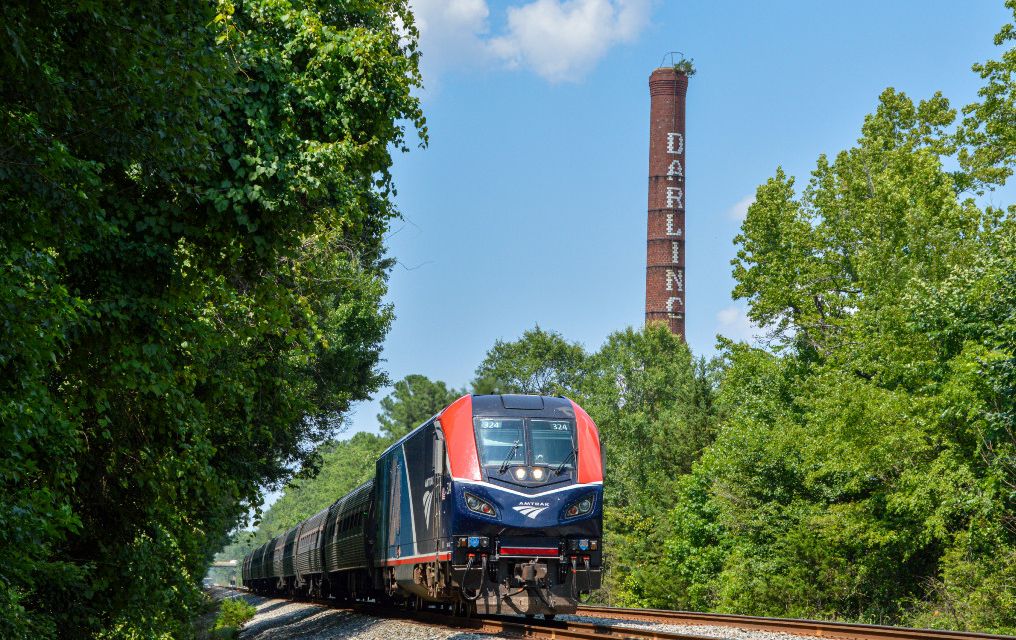
| | A lone smokestack, roughly 100 feet tall, stands alongside the railroad tracks near Mountain Road in Glen Allen, Virginia. The word DARLING appears in bold white letters running vertically down its side. For passengers gliding past on Amtrak, it may look like a sentimental message to a loved one, but it is the last visible remnant of a business once owned by J. Frank Darling. | | Photo by Jack Proksch; RailroadPictureArchives.net | | |
What we know about Darling comes largely from census records, newspaper accounts, local land deeds, and archival research in both Virginia and Delaware. No photographs of him or his wife, Ann Jane (Dyer), have been found, nor any personal or marriage records. His 1917 World War I registration card provides one of the few personal descriptions: he was 30 years old, single, living at the Prince George Hotel in New York City, and described as short and stout, with brown hair and brown eyes.
This is the age-old story of a young man leaving home and later becoming a successful businessman. J. Frank Darling was born in Czechoslovakia in 1887 to Anthony and Antoinette Jelinek (multiple spellings).1 The family immigrated circa 1893 and settled in Illinois. By 1900, they were living in Hanover, Virginia.2 This census lists Frank with the last name Jelinek. It is not known how or when he adopted the last name of Darling and started using the "J" as a first letter. In later years, his parents and seven siblings also started using Darling as a last name.
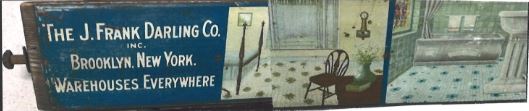
Seeking his fortune, J. Frank Darling left his Virginia home at 14 years of age, and over a period of years worked at a shipyard, sailed on a freight-carrying sailing vessel and traveled about the country, finally ending up in New York. He took the $38.00 that he had when he left Virginia and turned it into a business selling wholesale carpets in New York City3, grossing $2 million a year.4 The J. Frank Darling Company he started in New York in 1916 (incorporated in 1918) also sold “Duralin,” printed floor coverings that became popular in middle-class dining rooms, porches, and bedrooms before being replaced by vinyl in the 1960s. His main plant was in the Bush Terminal Brooklyn New York, and he maintained warehouses all over the country. Offices were maintained in New York and Chicago where his brother Joseph Darling was Vice President.
| J. Frank Darling Co. flooring sign | |
While still operating his business in New York, J. Frank Darling returned to Virginia and in 1919 purchased property near the Glen Allen Station on the R.F.&P. Railroad, formerly owned by Dr. Hopkins of Walkerton Tavern. The Old Dominion Excelsior Company — later renamed the Darling Lumber Company — was run by Darling from 1922 to 1948, with his brother Anthony I. Darling serving as vice president.5 The planing mill produced linoleum racks, cores, plugs, crates, and other materials used both by Darling’s company and others in the industry. Rough, seasoned lumber from nearby sawmills was processed into finished boards, flooring, and trim. According to the 1930 Brookland census, several local residents were employed there as a plug cutter, mill foreman, chauffeur, and watchman.6 In 1948, an explosion and fire destroyed the planing mill, boiler room, engine room, a new tractor, eight lumber wagons, and a truck—an estimated $30,000 loss. This event occurred around the time the Darling family’s involvement with the business came to an end. Today, the Darling smokestack is the only remaining structure from the mill.
In the Richmond area, the Westham Country Club began inviting guests to its opening at Westham Creek and River Road in 1912.7 One notice instructed visitors to “take Westhampton cars [trolleys] and get off at the Virginia Country Club stop, where they will find automobiles in readiness to convey them to the Westham Club.”8 The enterprise was short‑lived; in July 1918, the Richmond Times-Dispatch reported that the property had been sold to J. Frank Darling of New York for $10,000 — equivalent to about $344,000 today. The sale included nearly thirteen acres, along with the club’s furniture and equipment.9 Darling and his wife Ann Jane lived on the River Road property for several years and even hosted his sister Alice’s wedding there in 1926. Over time, he acquired additional parcels from neighboring landowners. He sold 109 acres in 1931, and another 106 acres in 1933.10 A portion of this land later became the Glenbrook Hills subdivision.
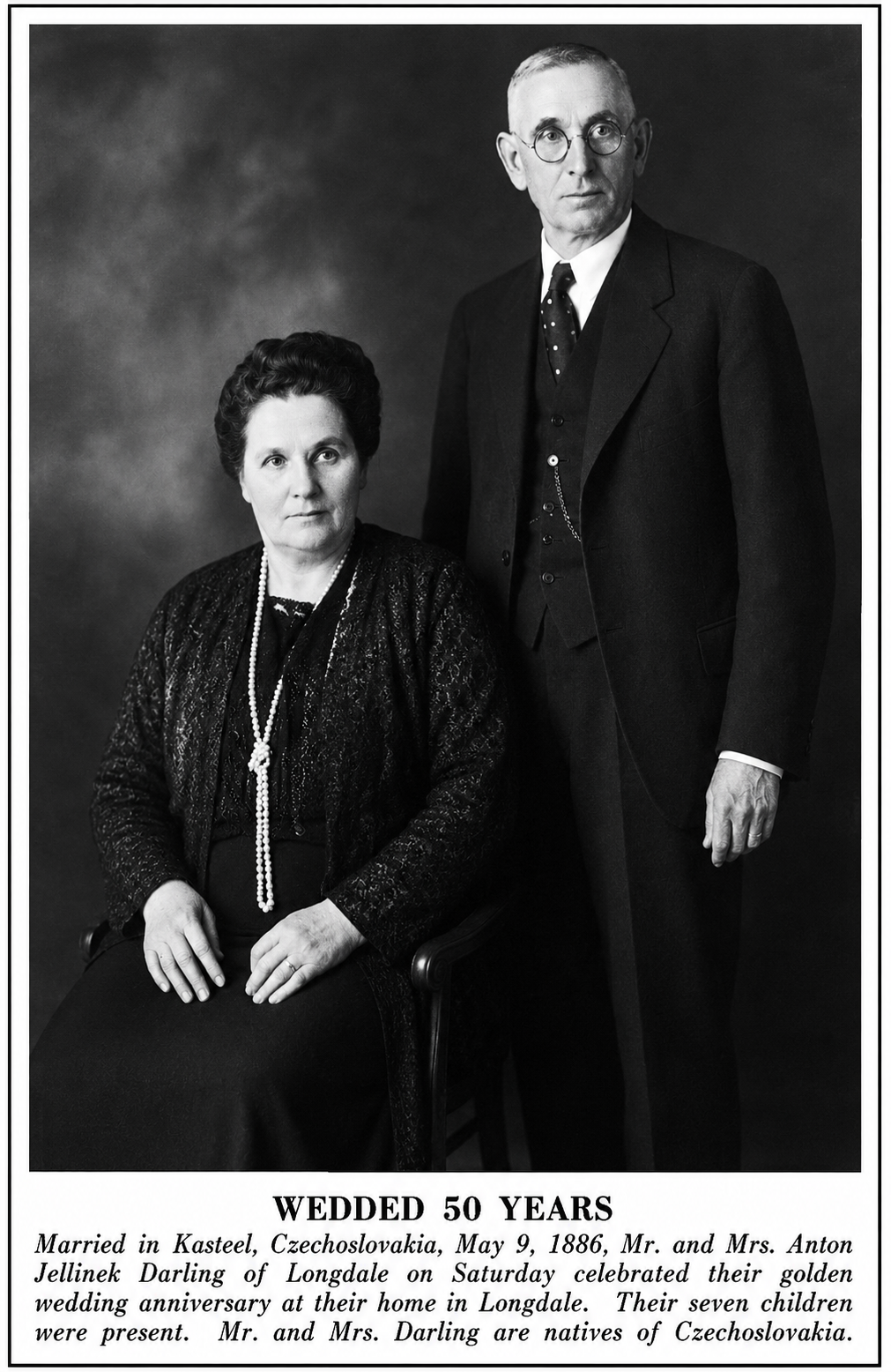
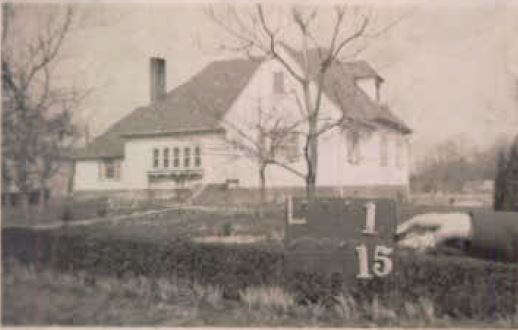
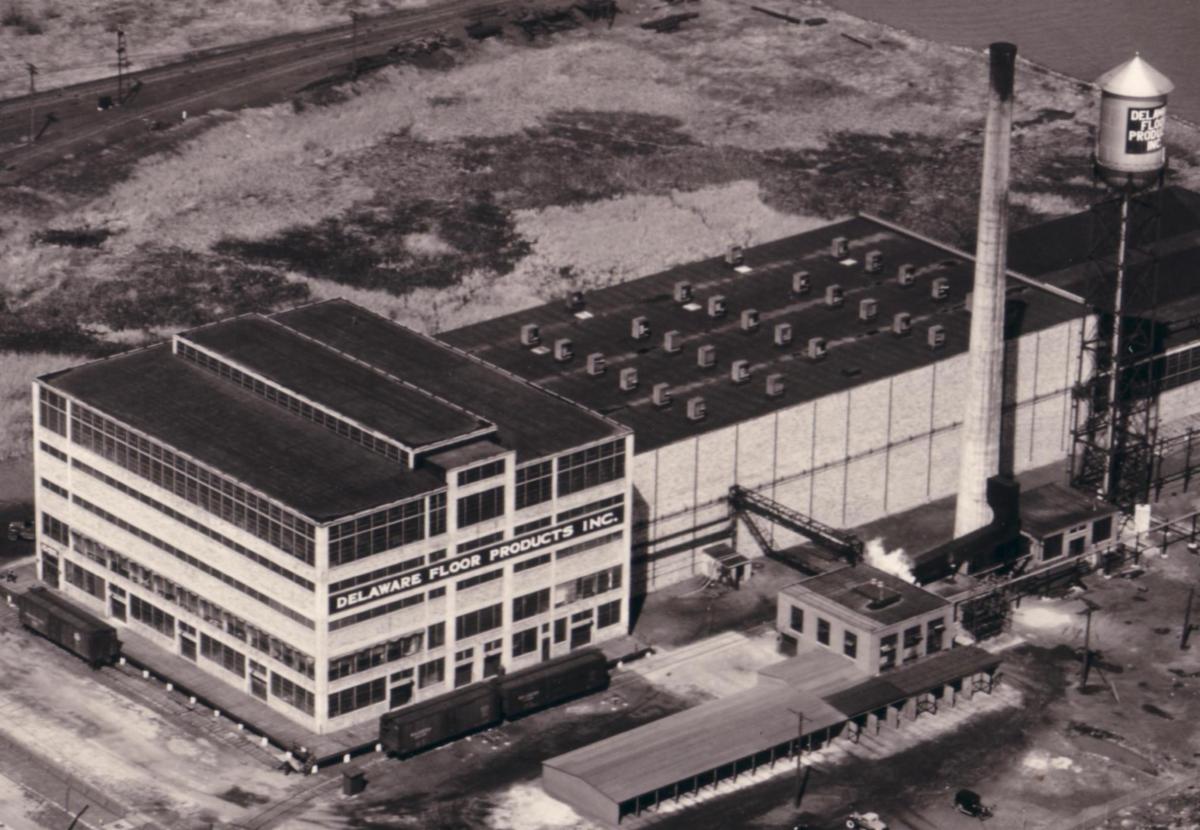
| | | | Family home in Longdale on Cole Boulevard | Darling's parents and seven siblings were still living in the area and, in 1923, he bought his parents a home in the newly developed area of Longdale (after E. T. Long) on Cole Boulevard. His parents and a sibling’s family lived in the home until 1950. | | 1934 aerial view of Delaware Floor Products Inc. | | |
Darling set his sights on expanding his floor products manufacturing business with the help of the Delaware Chamber of Commerce. The location was the partially constructed Adolph Segal’s sugar refinery near the Port of Wilmington (formerly Wilmington Marine Terminal), which is a deep-water port located at the confluence of the Christina River and the Delaware River in Wilmington, Delaware. Segal was a notorious business promoter and developer whose aggressive business maneuvers played a pivotal role in the corporate warfare surrounding the American sugar monopoly.11 He had no experience in the sugar refining industry, but a history of constructing plants which he then sold to industry leaders. The Segal plant was still unfinished when the Delaware Chamber of Commerce proposed the site for Darling’s new venture. The existing 12‑acre refinery, combined with the purchase of an additional 30 acres, provided a waterfront location served by three railroads. Newspapers at the time reported that the facility would employ between 500 and 600 workers. By 1927, the Darling Company was in full operation, with 55 traveling salesmen marketing Duralin floor coverings to retail stores. The new plant had the capacity to produce 6,000,000 yards of material annually.12
The venture saw early success but ultimately failed as a manufacturing operation. Issues related to financial stability, the balance of debt and equity, and concerns about investor misrepresentation led to a special meeting of the Board of Directors of the J. Frank Darling Company. In 1929, the board resolved to change the company’s name to the Delaware Floor Products Company. The business continued into the mid‑1930s before being acquired by the Congoleum Company, a major manufacturer of floor products.
Ever resourceful, he made an outstanding financial comeback in real estate and property development in Delaware. He developed numerous small foreclosed properties from the bank during the Depression and converted them into income-yielding apartments. The Castle Construction Company, run by Darling, developed Swanwyck Estates (a Dutch name meaning “swan district”) beginning in the late 1930s through the late 1940s after buying 225 acres of farmland settled by 17th century Swedish and Dutch colonists.
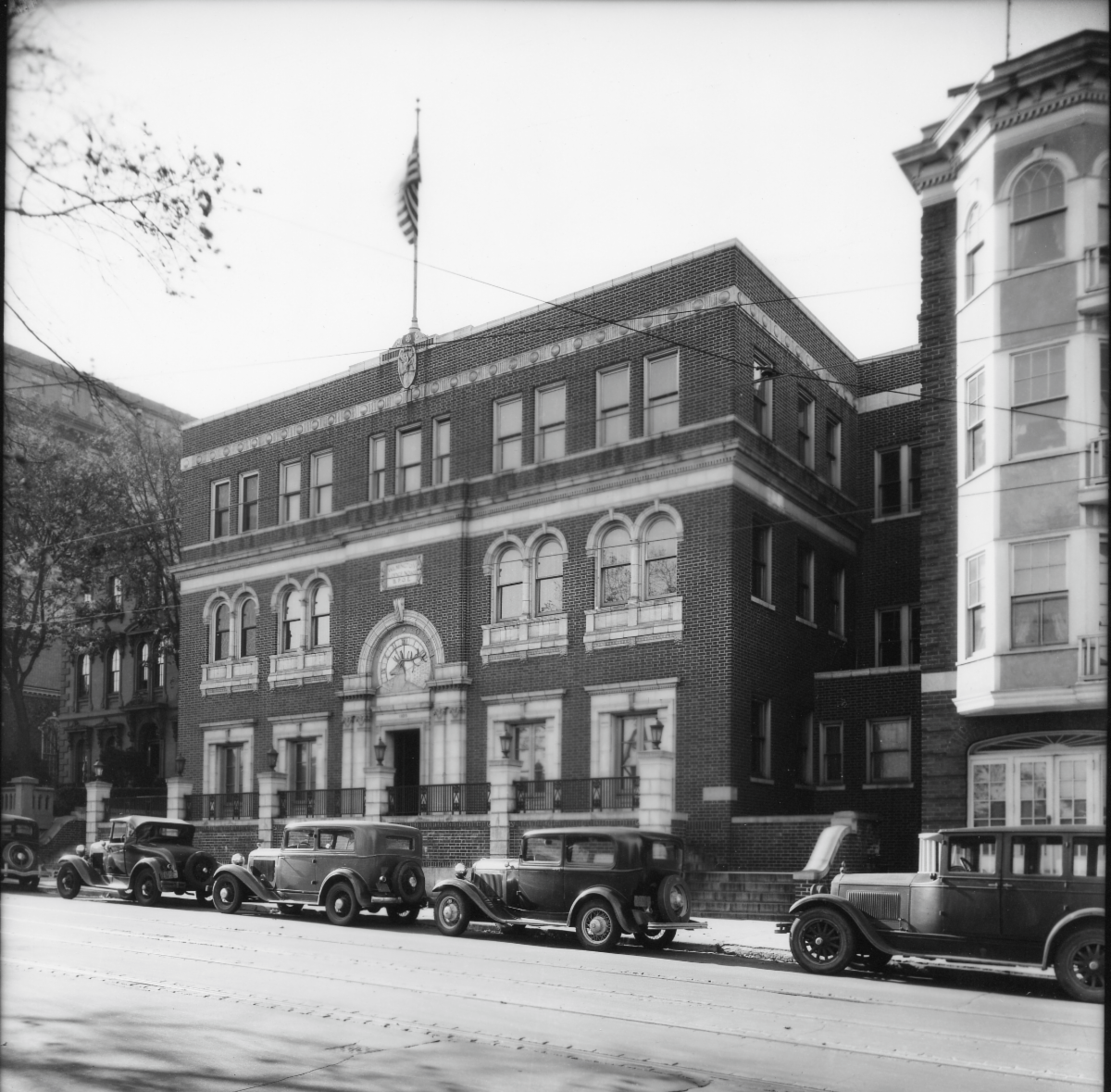
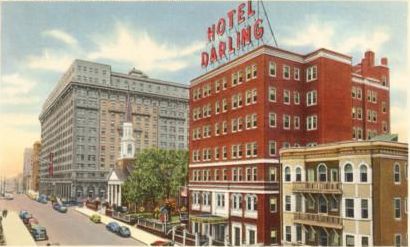
Darling and his wife Ann were also hotel operators. He purchased the three story Wilmington Elks building, added four stories, apartment spaces, a massive rooftop sign, and the Rainbow Grill. The Hotel Darling opened in 1936 with a dinner and floor show in the new grill for nearly 200 attendees. The couple resided in and operated the hotel for about eight years. It later operated under new management as The Hotel Rodney until it was demolished in 1961.
| | Elks Lodge in 1934 to become Hotel Darling; 1105 Market Street, Wilmington DE | | |
The 1950 census has the couple living on Delaware Ave in Delaware and the 1959 Delaware City Directory lists J. Frank Darling as President-treasurer of the Darling Court Company and President-treasurer of the Darling Development Company living at the same location.
Having led a life of industry and vision, Darling was buried at Maplewood Cemetery, Norwich Connecticut at the age of 74 in 1961. His wife, Ann Jane and her family members, also share the same location.
| | |
Sources
1 1900 Census of the United States note: numerous spellings of last name exist
2 Ibid
3 Registration Card WWI
4 The News Journal (Wilmington, Delaware) 10/30/1961 p.8
5 The News Journal (Wilmington, Delaware) 01/25/1927 p. 20
6 1930 Census of the United States Henrico Brookland District
7 Richmond Virginian, September 13, 1912, vol. 3 p.6
8 Ibid
9 Richmond Times Dispatch July 23, 1918, p. 10
10 Plat Book 15 p 73 Darling property Westham 193; Plat Book 16 p 16 Residue of J. F. Darlings land 1933
11 NBER Working Papers Series “Predation and its Rate of Return: The Sugar Industry, 1887-1914” p 29
12 The Morning News (Wilmington Delaware) January 25, 1927, p. 1
| |
Winter Programming and Henrico 250th Update
By Joe Rizzo
| | |
You can plan as carefully as you like for a major event, but there’s only so much you can do to control the weather. Unfortunately, our 250th activities scheduled for July 4 were impacted by record‑breaking heat and thunderstorms, preventing us from carrying out the plans we had worked on tirelessly. While the setback was disappointing, we reminded ourselves that the 250th is a marathon, not a sprint, and we have years of commemorative programming ahead! And that includes several exciting events this winter.
Our biggest Revolutionary War program of the year is coming up on November 7 for our 1776: Signing Day event at Meadow Farm. The day will feature reenactors, music, and family-friendly activities.
In January, we are once again partnering with local organizations for Arnold’s Raid Week, beginning on January 6 and continuing through the weekend. We’ll offer a mix of virtual and in‑person programs exploring the fascinating figures and events connected to Benedict Arnold’s raid on Richmond.
If you’re looking for a reason to stay active this winter, it’s never too early to start training for the 2nd Annual Friend or Foe 5K, taking place at Osborne Landing on April 24. Registration is now open!
January marks the birthday of one of our most surprising — and most delicious — collection items. On January 9, 1926, Virginia Randolph received a celebratory cake in honor of an award she won. Remarkably, the cake was never eaten, and it is still on display at the Virginia Randolph Museum today! We’ll be hosting a birthday celebration on January 9, and of course, there will be plenty of (fresh!) cake to enjoy.
These programs represent just a small sample of the many events, lunch‑and‑learns, walking tours, and outreach opportunities coming up. We hope to see you at them!
| | | | |
2027 Friend or Foe 5K
April 24, 2027
Osborne Park
| |
Forging the Dudley Circuit: The Legacy of Black Entrepreneur & Entertainer Sherman H. Dudley
By Amina Coleman Davis
| | |
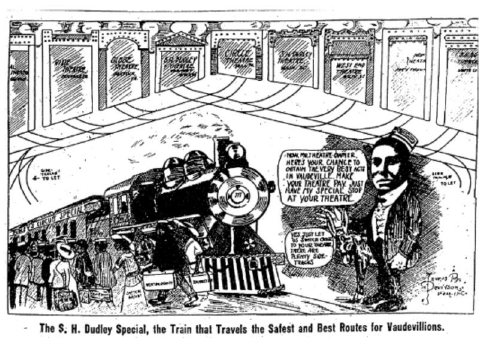
During the early 20th century, central Virginia’s large Black population and position as a railway hub in the South made it an epicenter for Black entertainers and patrons. Post-emancipation and into the early 20th century, Black entertainers sought a way to secure safe, reliable, well-paying opportunities amidst Jim Crow racism. Black vaudeville performer and comedian, Sherman Houston Dudley, would aid in this effort by organizing his own theatrical circuit to connect performers with venues. The Dudley Theatrical Circuit, colloquially known as the Dudley Circuit, would be founded by Dudley in 1912.
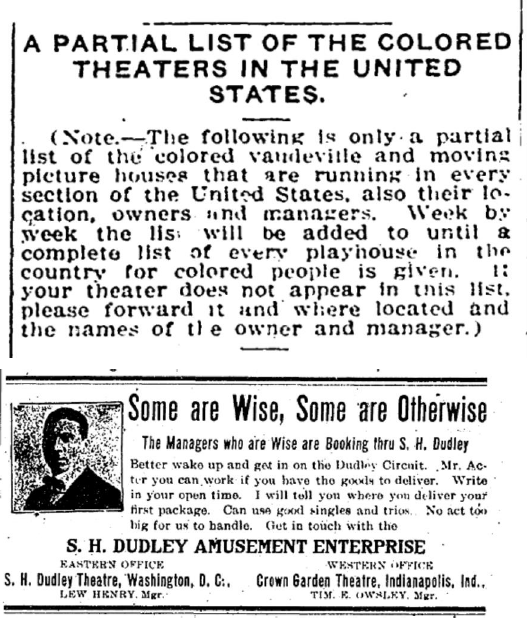
Sherman Houston Dudley was born in 1872 in Dallas, Texas. Dudley would organize the Dudley Theatrical Circuit while he was an active performer. Between 1912 and 1913, Dudley was able to grow his network of theaters to include 35 venues. By 1916, the Dudley Circuit would be absorbed into the Southern Consolidated Circuit and expand into the southwest. It would eventually become the Theater Owners’ Booking Association by 1921. The TOBA was white-owned, but would retain Black leadership including regional managers like Dudley. This expanded version of the TOBA would be responsible for spreading advertisements in Black publications and booking major vaudeville performers of the time. Black newspapers would advertise Black-owned and operated theaters as well as upcoming acts in the weekly column, “What’s What on the Dudley Circuit” from July 1912 to August 1913.
Dudley was also an active member of the Colored Actors’ Union, an organization designed to protect the rights of minority actors who had suffered abuse at the hands of white managers or patrons. The CAU was formed in 1920 in Washington, D.C. By September 1921, the CAU would be merged with the Colored Actors’ Legion and expand to 500 vaudeville acts with 800 total members. In 1926, the CAU published the Colored
Actors’ Union Theatrical Guide, an official handbook listing the organizations’ officers, members, and the contact information for agents nationally and internationally. It also included a summarized history of Black theaters and performances in America, active concerns from the African American community regarding civil rights, and biographies of prominent African American performers, notably Sherman H. Dudley. The success of the circuit can be attributed to the prominence and charisma of Sherman H. Dudley. He was even given the nickname “Uncle Dud” by doting members of his community who applauded his willingness to protect and guide other Black entertainers.
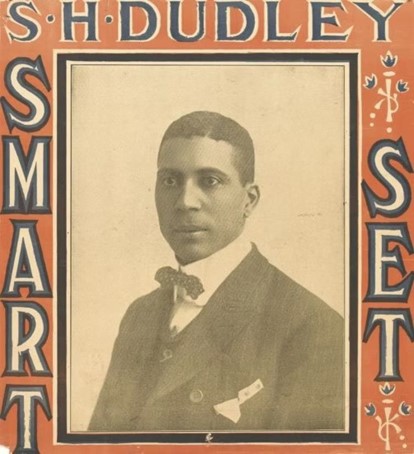
In his youth, Dudley performed in roles available to Black entertainers at the time which included touring medicine shows and minstrel shows. His most famous comedy act centered around a trained mule that appeared to nod when Dudley spoke to it. He created a play that ran from its initial performance in 1896 until 1912 called The Smart Set. The Smart Set was an example of a late 19th to early 20th century musical written by a Black individual that departed from portraying stereotypes and simple plots on stage. Dudley was a pioneer in writing works that gave Black characters and audiences content with more substance. In 1909, The Smart Set separated into a Northern and Southern Smart Set with Dudley being director of the Northern part and his understudy, Salem Tutt Whiteney, being director of the Southern. Their 1909 production, His Honor, The Barber, included music written by Black composers James Tim Brymn, Chris Smith, and James Burris.
By 1910, Dudley was based in Washington, D.C. at 1213 U Street, where he served as general manager and treasurer of the Colored Actors Union, an organization designed to protect the rights of minority actors who had suffered abuse at the hands of white managers or patrons. This would also become the location of his most active venue, The S.H. Dudley Theater from 1912 to 1913. In 1911, he established the S.H. Dudley Theatrical Enterprises and began purchasing theaters to create the first Black vaudeville circuit. He purchased his first theater in the Washington D.C. area in 1912. By August of 1912, he would stop performing with the Smart Set to focus on this greater venture. In 1912 and 1913, The Dudley Circuit secured performers for an opening show at the Hippodrome Theater in Richmond, Virginia. During this time, The Hippodrome would host performances by Griffin Sisters, Pewees, Morton and Allen, Boss and Radcliffe, the Andersons, Hackless and Christian, Criswell and Baily, William Willis, Bougia and Livingston, Miller and Bigeon, Sellman and Jones, and Sam Davis. In 1913, Dudley would purchase and rename the Lyric Theater in Newport News the S.H. Dudley Theater.
After 1917, Dudley devoted himself to producing Black musicals, including updated Smart Set productions. He sold his theaters around 1930 following the onset of the Great Depression and retired to a farm in Maryland, where he bred thoroughbred cattle and racehorses. Sherman H. Dudley died on March 1, 1940 at his residence in Oxon Hill, Maryland. He was married to fellow actress Alberta Ormes in 1902 and survived by one son.
| | Newspaper images and articles about the Dudley Circuit from The Indianapolis Freeman newspaper | |
Collections Spotlight:
Kewpie Doll
By Joanna Hewitson
| | |
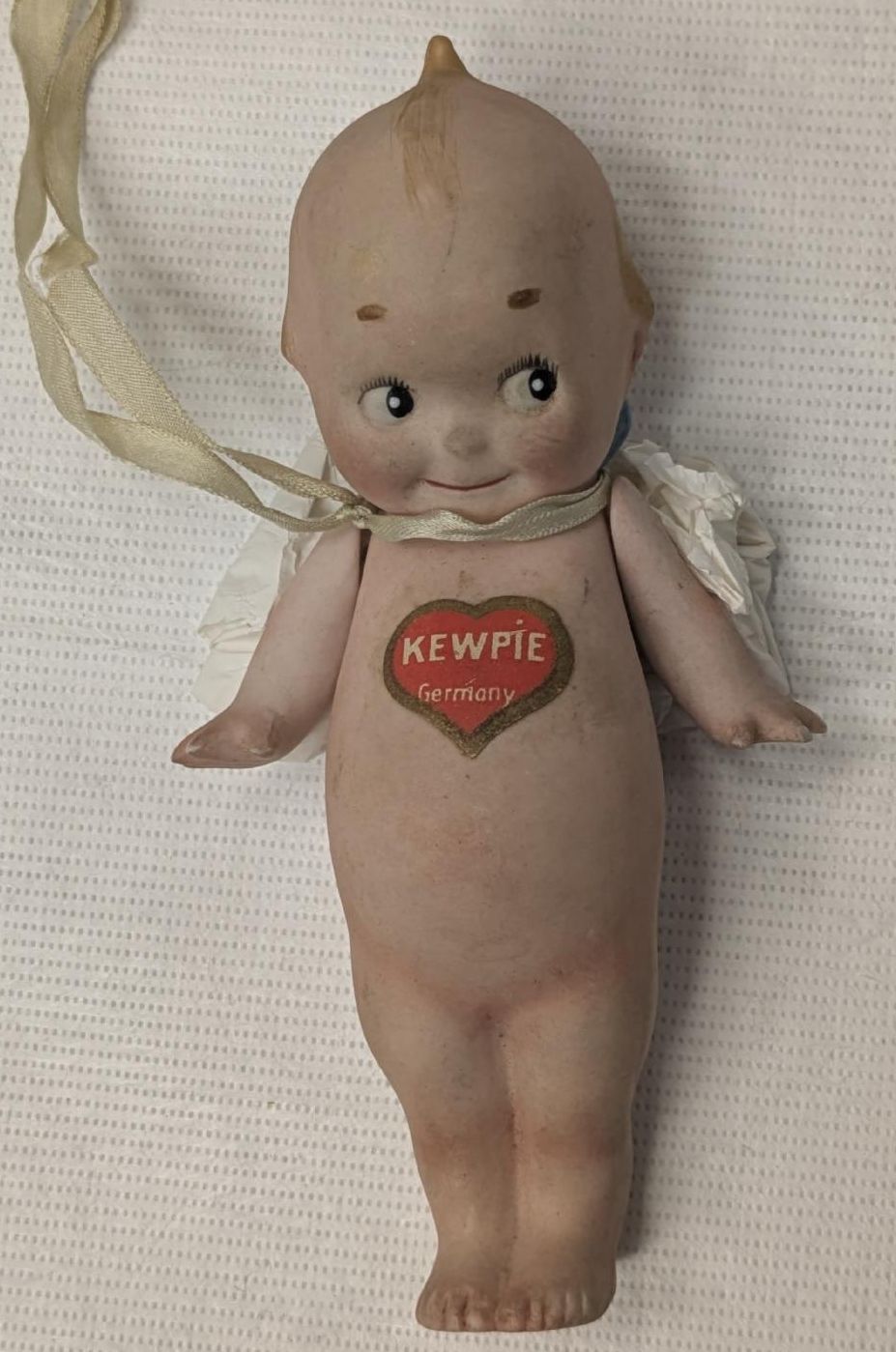
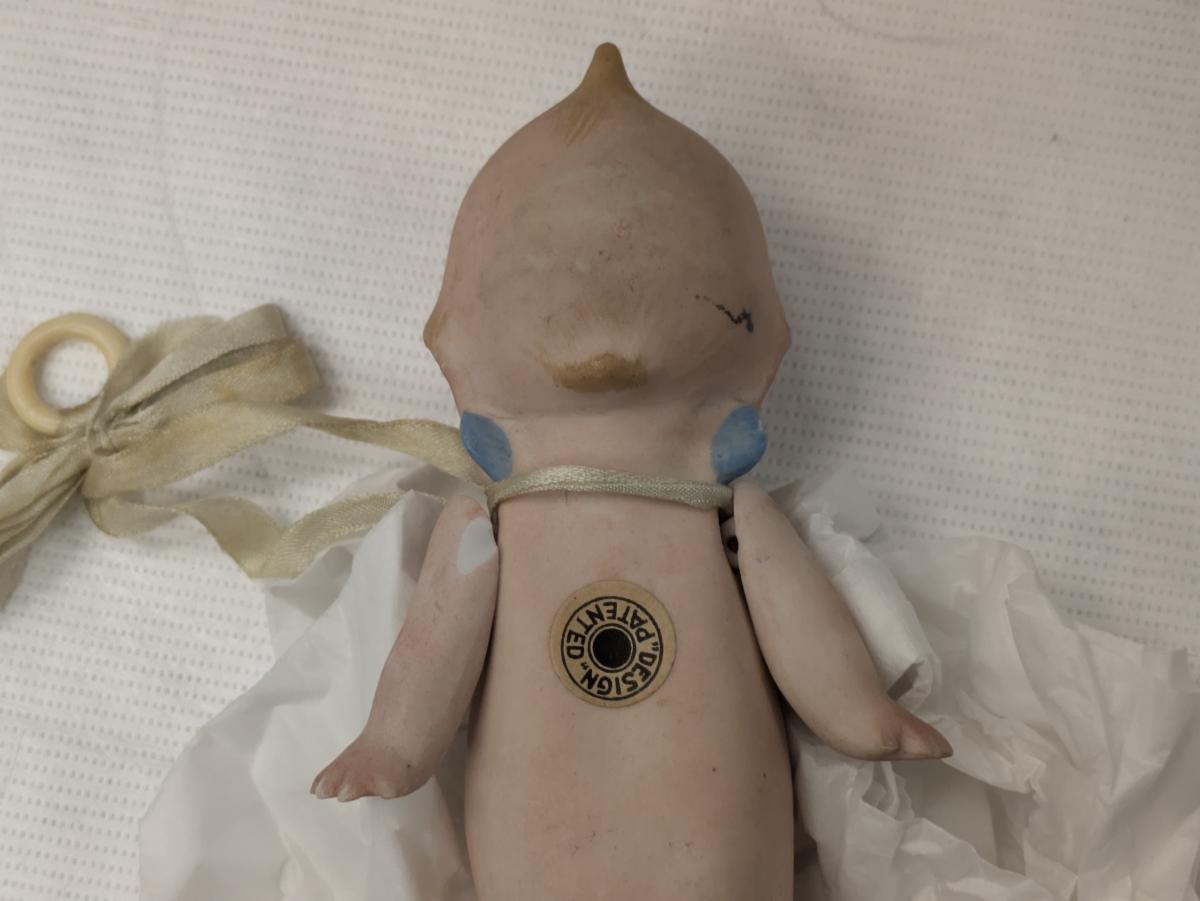
Kewpie Doll 1980.1.512
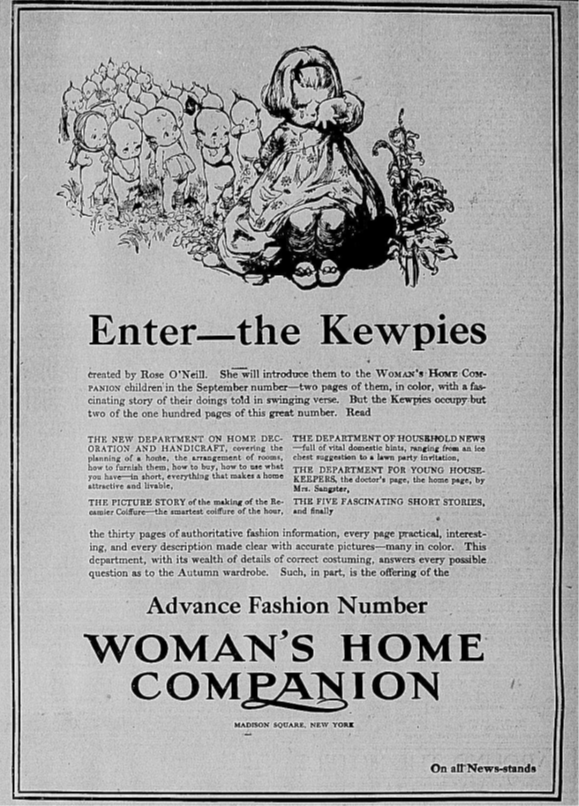
True Kewpie dolls have two small blue wings atop each shoulder, tiny tufts of light brown hair on their head and big brown saucers for eyes, simple smiles, dots for eyebrows and a little potbelly with a sticker label in the shape of heart. Created by Rose O’ Neill, a Nebraska born artist, the Kewpie babies were introduced to the public through the December 1909 issue of the Ladies’ Home Journal. The editor asked O’Neill to create “a series of little creatures” like her illustrations of cupids that he had seen elsewhere. The character’s name came from a ‘baby talk’ version of the word “Cupid.” After the Ladies’ Home Journal article, the Kewpie baby popularity took off, and other magazines began to seek publication of the Kewpie babies along with O’Neill’s stories and verses about them.
| | |
The Kewpie baby’s popularity rose quickly, and soon the first paper‑doll versions of the character were being sold. In 1912, the German toy distributor George Borgfeldt and Company became the first to mass‑produce Kewpie dolls made of bisque, or unglazed porcelain. Children wanted a Kewpie they could hold and these dolls fulfilled that wish.
When the German manufacturer sent Rose O’Neill a sample from the proposed first production line, she rejected the design, had the molds destroyed, and required that new ones be created to more closely resemble her original Kewpie illustrations rather than an ordinary manufactured doll. Although World War I halted German production, factories in the United States, Japan, England, and France increased output to keep up with demand.
| | |
The Kewpie baby craze did not stop there but went on to be incorporated into other manufactured items like ice cream molds, jewelry, baby shoes, and other novelties. The Kewpie babies also began to be incorporated into advertisements for products such as JELL-O and candies. Teenagers shaved their eyebrows to look like the Kewpie baby’s eyebrows. There was even a Kewpie brand of toilet paper. Kewpie Mayonnaise is still sold in Japan. Also, the recently popular Sonny Angel collectible dolls were inspired by O’Neill’s Kewpie doll.
O’Neill took advantage of the popularity of Kewpie dolls to promote social concerns important to her like women’s suffrage, racial equality, and advocating for the poor. Not only did she use the Kewpie characters in cartoons and posters to raise awareness of these concerns, but also used the dolls in the rallies in which she participated. For example, at a 1914 rally in Nashville, Tennessee, a plane piloted by Katherine Stinson flew overhead dropping Kewpie dolls attached to mini parachutes, wearing sashes advocating for women’s rights. Laura Prieto, a professor of history and women’s and gender studies at Simmons College in Boston, points out that Kewpies helped the suffrage movement combat the stereotype of feminists as “old, ugly, and anti-men.” Even after women secured the right to vote and the popularity of Kewpies began to fade, O’Neill continued to advocate for feminist causes until her death in 1944.
| Advertisement in the Times-Dispatch
August 23, 1910 |
How Henrico Got Its Shape
Part I: All in the Family
By Bob Lehr
| |
There was a popular History Channel show about 15 years ago called "How the States got their Shape." The host, Brian Unger, crisscrossed the country describing how geography, politics, religion, and other factors determined how the boundaries of the 50 states came to be. We thought it would be a great idea to take that concept and create a series of our own called ‘"How Henrico got its Shape"... but, sadly, minus the tv cameras... a big budget... and a production team.
So anyway, let’s start with a family that had a significant impact on the beginning of Henrico and not only never stepped foot in Henrico but never made it to America. And that family was King James I and two of his sons, Henry Frederick and Charles.
You may remember from elementary school the name of King James I (1566-1625), who in 1606 chartered the Virginia Company of London with the objective of establishing settlements in North America so that they could find gold, silver, and other valuable prizes. When the settlers arrived in Virginia, they decided to name the settlement and the river after the king. So, a large portion of the southern border of Henrico got its name before it even became a county.
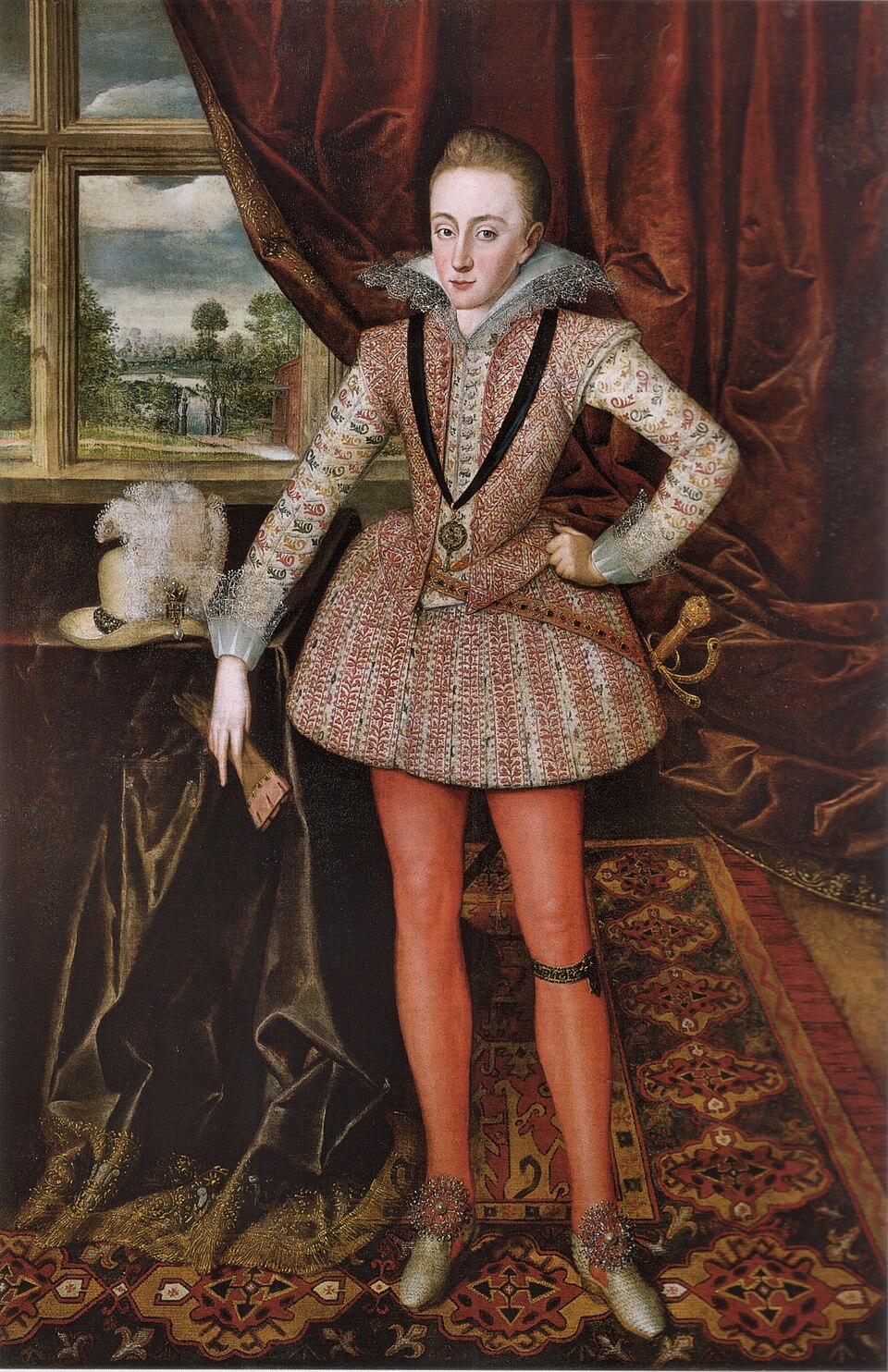
King James I’s oldest son was Henry Frederick (1594-1612). Being the king’s oldest came with a lot of titles, and Henry had several, some given at birth, others after his father became King of England. Henry Frederick was Duke of Rothesay, Baron of Renfrew, Duke of Cornwall, and Earl of Chester just to name a few. His most important title was Prince of Wales, invested to him in 1610 since he was the male heir apparent to the British throne. Here, invested means being formally endowed with rank, power, or office. That tradition still applies today as Prince William, oldest son of King Charles III, the first in line to become the next king, invested the title in 2022.
| |
Henry Frederick was seen as a promising leader and one of his early decisions as Prince of Wales was the reassignment of Sir Thomas Dale to the Virginia Company of London’s struggling colony in Virginia in 1611.
Dale was initially sent to Jamestown to help with the Jamestown colony. Eventually Dale set up another fort further upstream and named it Henricus, in honor of Henry Frederick.
However, Prince Henry did not get to enjoy having a place named after him for very long as he died in 1612 of typhoid fever at the age of 18. Since he died before his father did, Henry’s brother Charles became the next in line to be king and was invested with the Prince of Wales title. And to keep that naming thing going, Charles City County was named after him.
He later became King Charles I in 1625 and had a significant impact on Henrico, which we will cover next time in Part II: Expansion and Contraction.
| Staff Spotlight: Kara DiComo | | |
Hello history people!
My name is Kara DiComo, and I have been a history programmer with Henrico Recreation and Parks for two years now. You may have seen some of my programs on tarot, sword fighting, bog bodies, or cryptids in our monthly newsletters. I have always enjoyed the weirder side of history and love being able to teach people about subjects they may not be familiar with.
I’m originally from Florida, and before I came to Virginia, I obtained my master's degree in applied anthropology from the University of South Florida where my focus was forensic anthropology (basically I know a lot about bones). During that time, I worked on several small exhibitions that grew my passion for finding ways of bringing information to the public in interesting, accessible, and fun ways; something I strive to do in my work today.
When I’m not at work you can typically find me working on some sort of crafty project or playing a cozy game.
| | |
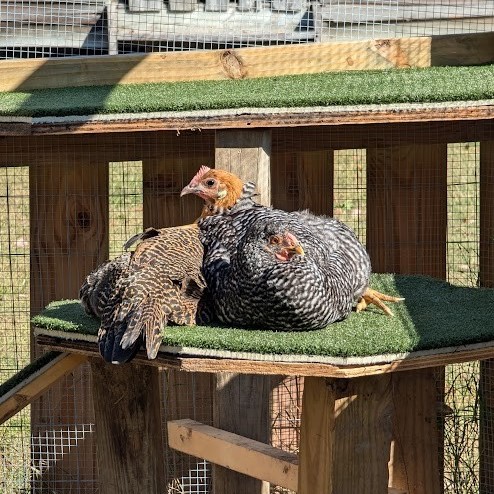
Hallo! I am Bluebell the Golden Campine. How fair ye, hertely? I am Chai the Dominque. We’re digging into our heritage so Bluebell greeted you in Dutch, which is one of the languages spoken in Belgium, the Golden Campine’s country of origin. Chai greeted you in old English using a line from Geoffrey Chaucer’s The Summoner’s Tale.
We have a lot of sixth grade classes coming through in the first week of November! The VA250 Mobile Museum will be here and schools from around Henrico County are coming to see that and do a lot of other fun stuff too, including learning about how animals were important to the American Revolution. We even have the big screen out for a special outdoor screening of Hamilton. I think the pigs were disappointed that the movie isn’t about them, but we told them the emphasis was not on ham.
The days may be getting shorter, but the history staff has no shortage of programs coming up this winter. There are some lunch-and-learn programs at the recreation main office. I hear you bring your own lunch and can learn about Otzi the Iceman on December 3, African American Folk Art on January 6, and Flower Language and the LGBTQ+ Community on February 4. If you are looking for something more active, Kara is doing Suffrajitsu at the Deep Run gym in January and March. This unique program will talk about 19th century women who were trying to get the right to vote and how they defended themselves. You can practice some of their self defense moves. If that has your heart pumping too hard, you can also register for some our hands-on history programs. You can crochet, tinsmith holiday ornaments, decorate denim, and learn to do English paper piecing quilting. We are hoping there is going to be some left over cake from the cake-abration on January 9. The history staff will be celebrating the 100th anniversary of a cake in the Virginia Randolph Museum. Kim Schmidtmann says not to worry, they aren’t eating a century old cake. There are also a bunch of great lectures that are happening around the county.
If you are looking for some animal-centric programs, you can make your own farm-tastic clay ornaments on December 5. We know everyone will want a chicken ornament for their own home. We are most looking forward to the holiday hen houses when guests are going to decorate cardboard miniature chicken coops for us to explore on December 12. Peck your calendar on February 13 for the Eggs-cellent Valentine’s Day Cards, when you can make your own animal-themed cards. We’ll be chick-ing it out for sure!
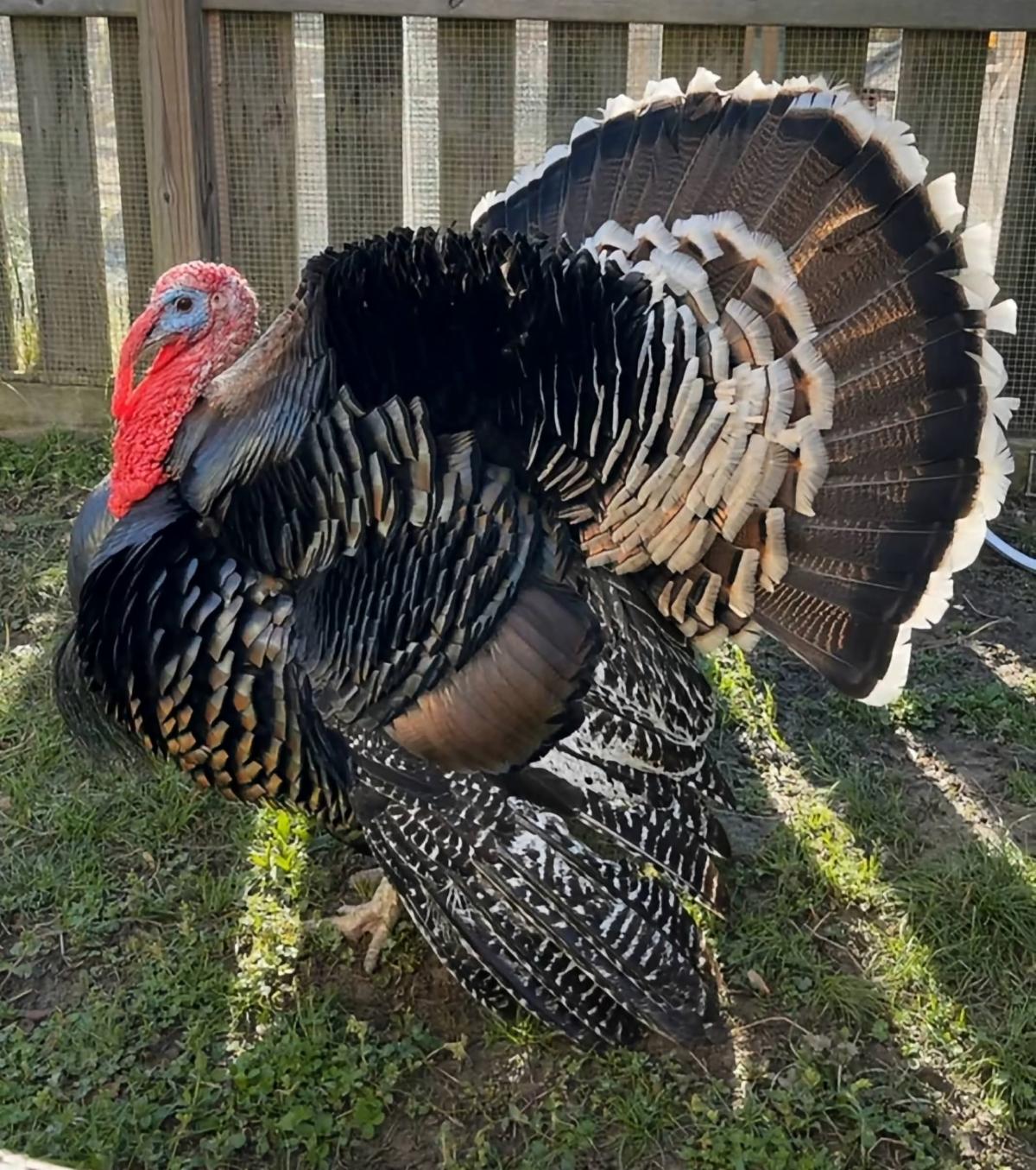
| | We are very sad to have lost our neighbor, Todd the Turkey. He had lived a long life here at Meadow Farm. He was always up for friendly conversation. We hear that we will get new neighbors potentially this spring with more turkeys being added to the farm. | | |
We hope to see you soon, down on the farm!
Bluebell and Chai
(translation courtesy of Kim Schmidtmann)
| | Henrico County Historical Society | | |
The Henrico County Historical Society was founded in 1975 as part of Henrico’s upcoming bicentennial commemoration of the American Revolution. The society meets quarterly, the first Sunday of the month.
Please join us on December 6, 2026, at Kitchen 33 located at 13155 Mountain Road, Glen Allen, VA, 23059. Time: 2:30-4:30. The meal is on your own prior to or after the meeting. The speaker, Chris Walton from the American River Restoration will explain the organization and detail the projects they have completed in the Richmond Area.
You do not need to be a member to attend. Contact Sarah Pace, president, for details, 804-839-2407.
| | Henrico Recreation & Parks | (804) 501-PARK | | | | |