Her Turn's Play of the Month:

Physical Health


Hey Team!


Welcome to the very first edition of

Her Turn's Playbook: A Guide to Youth Sports – your go-to resource for all things youth sports!


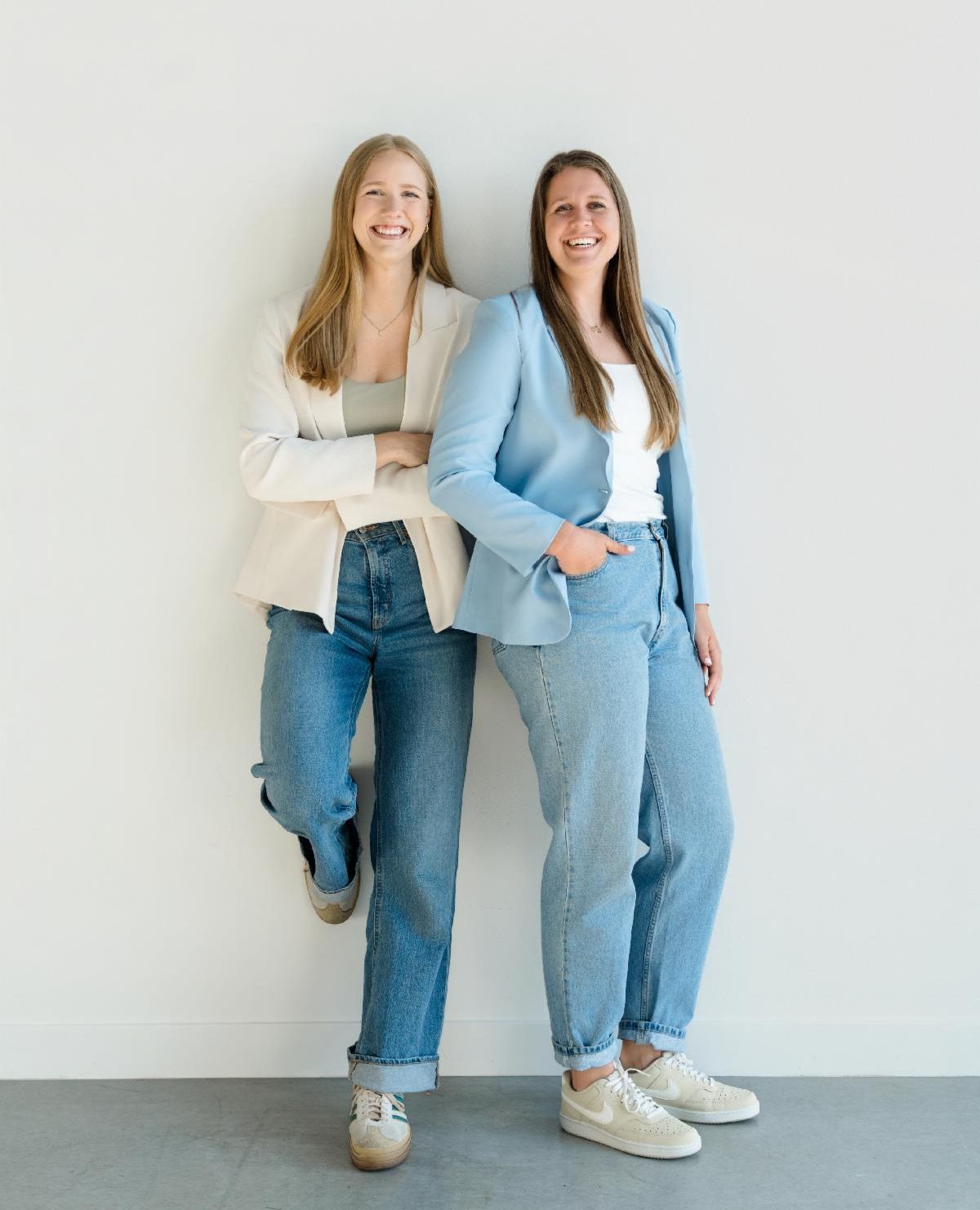
We're Myah Selland and Tori Nelson, former teammates at SDSU and co-founders of Her Turn. Whether you know us from the basketball court or you're just meeting us now, we're so glad you're here. Sports changed our lives, and we believe they can change yours (or your kid's) too!


We founded Her Turn in 2022 to get more girls involved in sports. Our mission is to empower and enable girls to reach their full potential in life and sport through expanded sporting opportunities. You can learn more about our work in creating a more equitable future in sports here. But for now, we hope Her Turn’s Playbook will provide helpful resources and spark necessary conversations to improve the landscape of youth sports for everyone. Together, we can ensure that all kids have a positive, productive experience with sports.


Want a quick recap of this month’s topic? Check out our short reel here and follow us on social media for more Playbook content throughout the year!


This month, we’re kicking things off with Physical Health!


Every good team needs a game plan. In this section, we will break down the basics of the month’s topic. We’ll share the straight forward information you need – nothing more, nothing less!


So let’s get started with the basics of physical health: moving our bodies makes us healthier, stronger, and happier. Organized sports are a great way to move our bodies, but it’s not the only way! Physical activity doesn’t have to be structured to be healthy.

Strong Hearts, Strong Kids


When kids play sports and are physically active, they're building cardiovascular strength without even realizing it. Their hearts get stronger, their lungs work better, and they're setting themselves up for a lifetime of health. Regular physical activity in childhood reduces the risk of developing chronic diseases like heart disease and diabetes later in life.

Building Habits That Stick


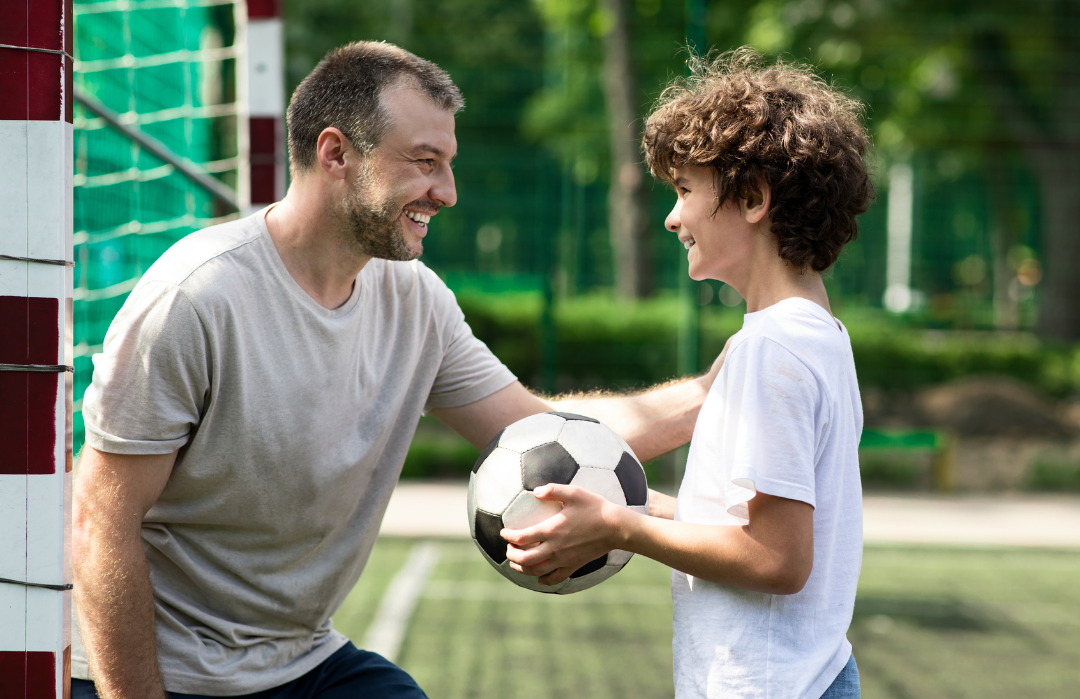
Adults who participated in organized sports when they were young are more likely to remain active throughout their lives. They are also more likely to become role models of good health habits for the next generation. There is no better time to start than now!

Fun = The Best Medicine


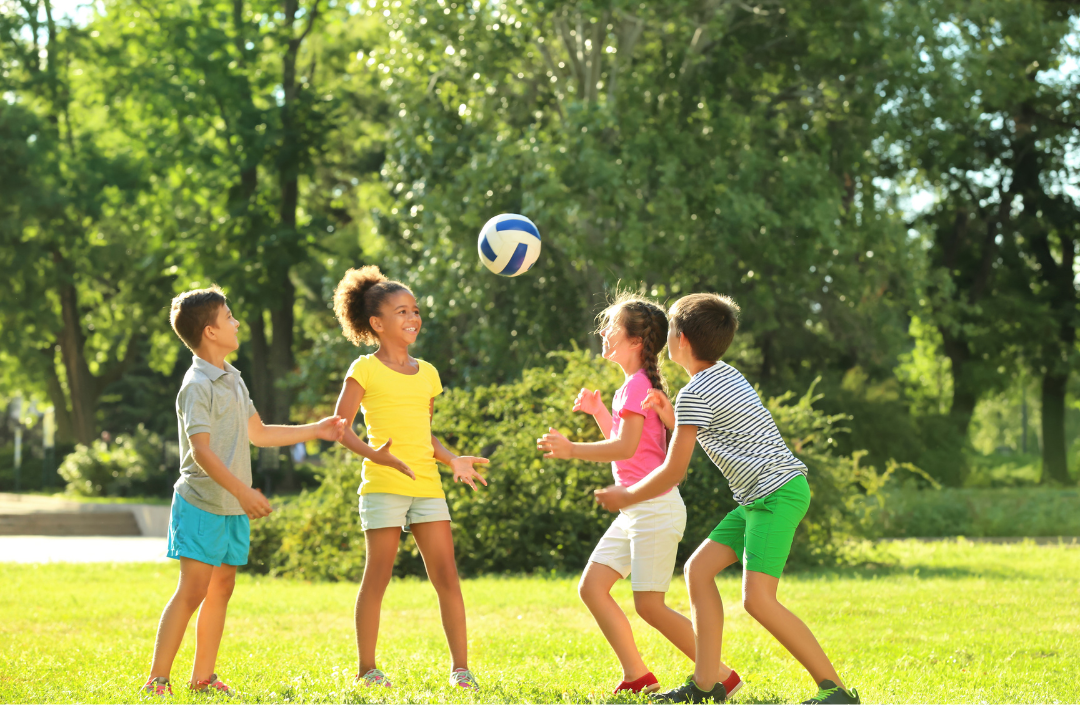
Kids aren't thinking, "Wow, I'm improving my bone density!". They're just playing tag, shooting hoops, or doing cartwheels. And THAT'S the point – movement should feel like fun, not a chore. Let’s keep that joy in sports!


The Film Room with Dr. Jessica Meendering


Good competitors know the importance of watching film. Every month, we’ll sit down with an expert to give you direct access to trusted, local voices. 


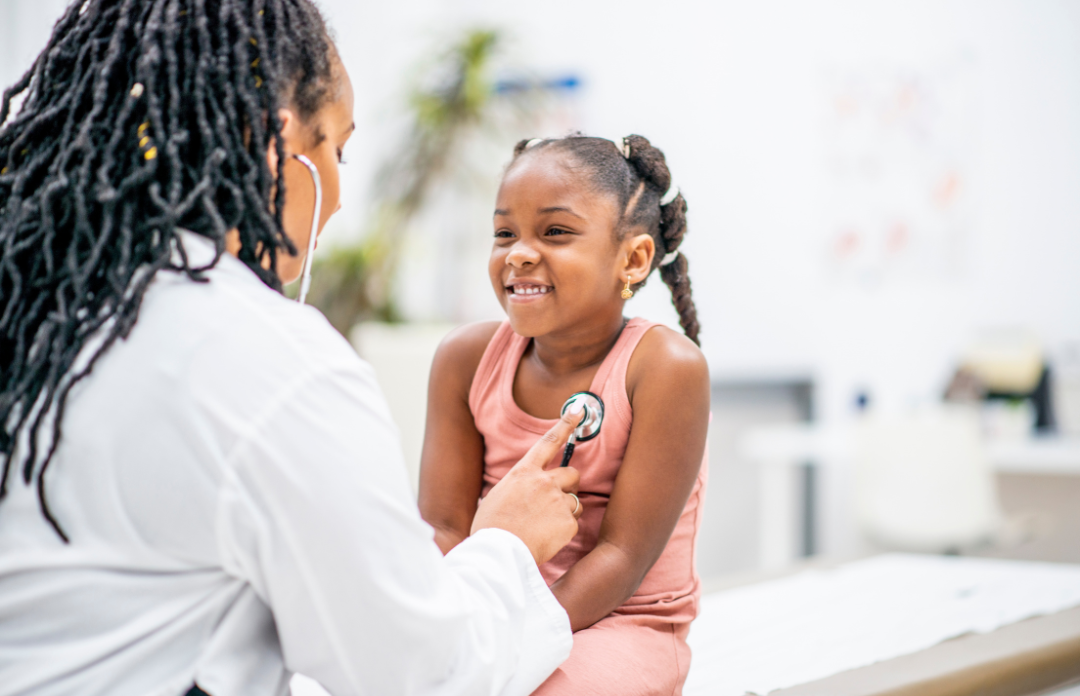
This month, we are talking to Dr. Meendering, professor and director at the School of Health and Human Sciences at South Dakota State University. Here are the key takeaways from that conversation:


  • Physical activity improves attention, memory, mood, and a child’s ability to manage stress.
  • Positive early experiences with movement can build lifelong confidence in exploring and trying new activities later in life.
  • Physical activity helps improve the amount and quality of sleep kids get. Sleep is when we recover!
  • Can kids overtrain? Yes! Too much repetitive movement without variety can lead to injury and burnout. Mix activities up for kids. It keeps them safer and more engaged.
  • Physical activity is great for the entire household. Kids are more likely to see movement positively when they see parents and adults who model active lifestyles themselves.


For more insights and a deeper dive into fostering a healthy and active lifestyle for kids, listen to the full episode with Dr. Jessica Meendering.


Your Turn - 3 Easy Ways to Get Moving This Month


Practice makes perfect! Here we will share a few simple, low-pressure ways to put this month’s gameplay into action at home.

#1: Family Movement Challenge: Pick one activity (dance party, bike ride, backyard soccer, walking the dog, etc) and do it together for 20 minutes. Make it silly, make it fun!


#2: Try Something New: Encourage your kid to pick a sport or activity they've never tried before – even if it's just for one season.


#3: Celebrate Movement: Notice when your kid is active and name it! "I loved seeing you run so fast today!" or "You climbed so high at the playground!".


Trivia Time Out


This is a game break for your fast fact of the month.


Kids aged 6-17 need at least 60 minutes of physical activity every day. But it doesn't have to be all at once! Short bursts throughout the day add up. That includes recess, PE, playing outside, dance breaks, sports practice, and more!


Scouting Report: What's Next?

A look ahead at what we’ll cover in the next episode.


Next week, we're diving into Life Skills! Sports teach way more than just how to dribble or pass. We're talking teamwork, time management, problem-solving, and resilience!


In the meantime, make sure you follow us on social media!


Let's move,

Myah & Tori


Visit Her Turn’s Playbook where you'll find tips from local experts, additional research, and more resources to help your family thrive in sports!

 
Instagram  X  Facebook  TikTok  YouTube