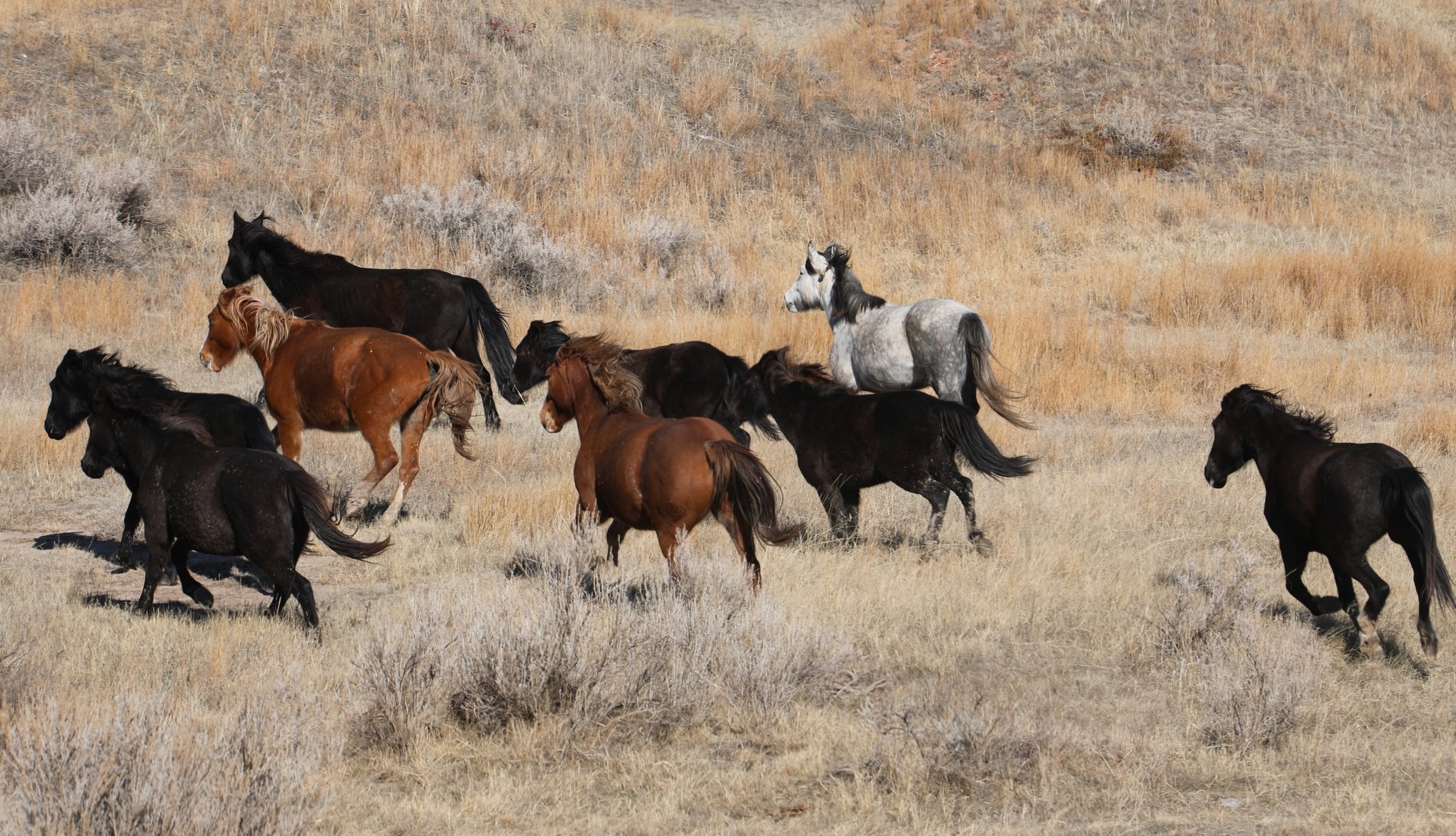
A herd of nine of the estimated 200 horses that roam freely in Theodore Roosevelt National Park slowly gallop away on a recent, warm sunny day. (photo credit Sen. Dean Rummel)
|
|
Ritter to Succeed Simon as WDEA Exec
Experience at DMR, Strong Communications
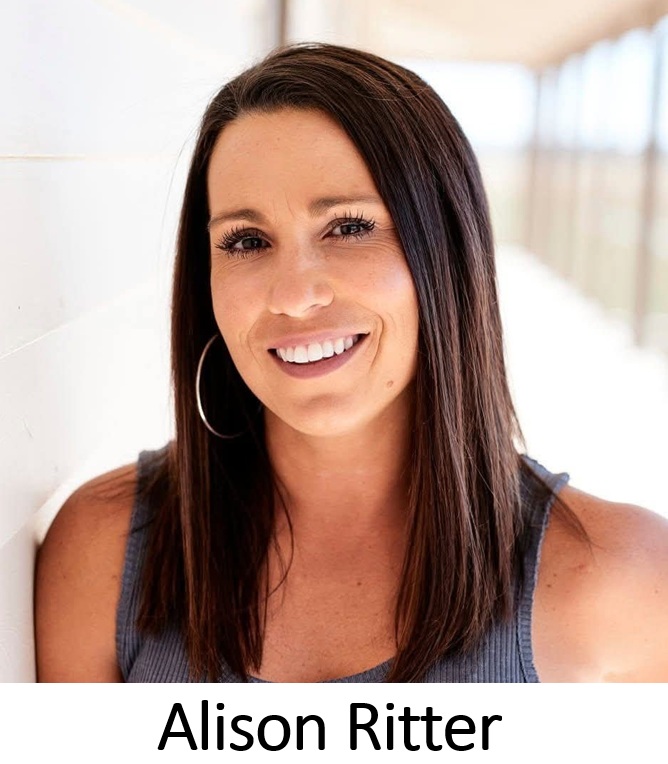
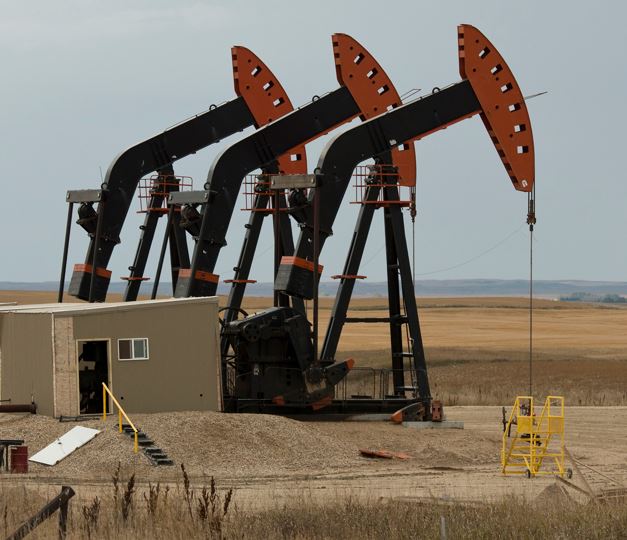
The Western Dakota Energy Association has announced that Alison Ritter will follow Geoff Simon as its Executive Director when Simon retires later this year. Simon has led WDEA for eight years and has been instrumental in advocating for North Dakota’s energy and infrastructure needs. Under his leadership, WDEA has strengthened its role as a voice for the state’s oil, gas, and coal-producing communities, working closely with industry leaders, legislators, and local governments to support the needs of western North Dakota. WDEA’s Executive Committee expressed its appreciation for Simon’s years of service and welcomed Ritter’s appointment. “We extend our deepest thanks to Geoff for his dedication and leadership,” said WDEA President Leslie Bieber, Superintendent of the Alexander School District. “Alison’s communication expertise and passion for North Dakota’s energy industry and the communities where they operate, make her the ideal choice to guide WDEA into the future.” “It has been an honor to serve WDEA and work alongside so many dedicated individuals who are committed to the success of the communities of western North Dakota,” said Simon. “I’m proud of what we’ve accomplished together and confident that Alison will continue to advance our mission with strong leadership and a deep understanding of the fossil fuel industry.” Ritter is a respected communications professional with extensive experience and relationships in North Dakota’s energy sector. She has worked in public relations for the last 14 years and worked for the Department of Mineral Resources during the rise of the Bakken. “I am grateful for the opportunity to lead WDEA and build upon the strong foundation established under Geoff’s leadership,” said Ritter. “North Dakota’s energy industry is vital to our communities and the economy, and I look forward to working with our members and partners to ensure the association’s continued success.” Simon and Ritter will work collaboratively to advance the mission of WDEA until Simon’s official retirement in June.
|
|
ND Senate Weighs Gas Tax Increase
Bill Would Provide $42M for Roads/Bridges
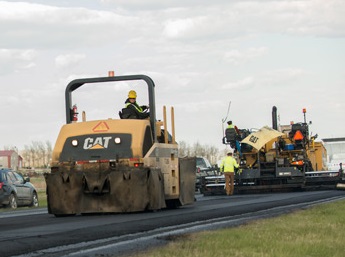
A proposal to increase the state's motor fuel tax by 3 cents a gallon has advanced to the North Dakota Senate. HB 1382, introduced by Emerado Rep. Jared Hagert, would provide road and bridge funding with a three-cent fuel tax increase to 26 cents per gallon, and by raising the registration fees for electric and hybrid vehicles. The bill would create city, county, and township road funds to be allocated to local governments throughout the state. The higher fees would generate $42 million per biennium, with counties receiving $18 million, cities receiving $10 million, and townships receiving $14 million.
Testimony in support of the bill came from county and township representatives, who described the tax as a user fee. The proposed increase was described as a fair and equitable approach of creating a stable, user-based funding mechanism to provide for infrastructure needs. The state's gas tax has not increased since 2005, and would be 38 cents if it had kept up with inflation. North Dakota's gas tax is also lower than surrounding states.
Genny Dienstmann, who represents the ND Association of Counties, said road funding needs continue to increase. Click here to listen to Dienstmann's comments.
Opposition came from business owners and industry representatives arguing against the $42 million tax increase. Opponents pointed to the financial hardship felt by individuals throughout the state, arguing that this is not the time to increase their cost of living. Additionally, it was stated that raising the gas tax increases the cost of doing business, which ultimately hurts local economies.
Click here to listen to comments from Mike Rud representing North Dakota Petroleum Marketers. HB 1382 passed the House 58-35 and awaits further action by the Senate Finance and Taxation Committee.
|
|
House Defeats Township Zoning Bill
Procedure Exists to Recoup Authority
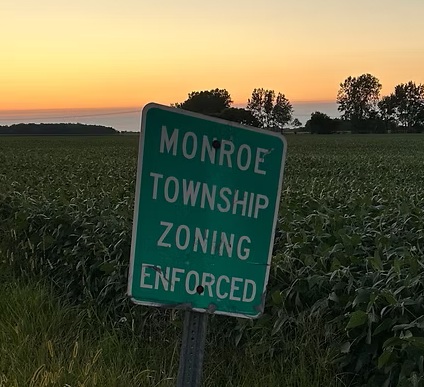
A measure that would allow townships to reassert zoning authority previously relinquished to a county was defeated by the ND House this week. SB 2317, introduced by Hazelton Senator Jeff Magrum, failed on a vote of 49-42 against the bill. The legislation was heard by the House Energy and Natural Resources Committee, which gave the bill a Do Not Pass recommendation on a 10-3 vote. Willow City Rep. Dick Anderson explained the bill's intent on the House floor. He said some townships have relinquished their zoning authority, but state law provides a procedure to reacquire it. Click here to listen to Anderson's comments. Baldwin Rep. SuAnn Olson supported the bill. She said some townships have tried to have zoning authority restored, but the county wouldn't cooperate. Click here to listen to Olson's comments. Olson said many townships relinquished their zoning authority decades ago because nothing was happening in rural areas. But she said times have changed, and townships deserve a voice in what occurs in their area. Click here to listen to Olson's comments. Mandan Rep. Todd Porter, who chairs the House Energy and Natural Resources Committee, said townships need to work with their counties to exercise zoning authority, rather than asking the legislature to make it happen. Click here to listen to Porter's comments. Porter said granting zoning authority to townships hostile to development would be an obstacle to economic progress. Click here to listen to Porter's comments. Click here to read NDCC 54-40.5-04, the current law which provides for the re-establishment of township zoning authority.
|
|
Summit Seeks Dismissal in SD Courts
Pause Also Sought for Permit Proceedings
Joshua Haiar | South Dakota Searchlight A carbon dioxide pipeline company has asked courts to pause or dismiss its pending legal fights against landowners and a state regulator in South Dakota after the state’s adoption of a law that prevents the company from using eminent domain.
Eminent domain is a legal process for acquiring access to land for projects that have a public benefit, with compensation for landowners determined by a court. It’s commonly used for projects such as electrical power lines, water pipelines, oil pipelines and highways. Some South Dakota landowners who oppose the Summit Carbon Solutions project sued to stop the company from surveying their property. They argued that doing so without just compensation was unconstitutional because soil sampling and other invasive practices would occur. Summit said it had a right to survey the land because it had eminent domain authority. The company sued some landowners as well. The disputes ultimately reached the South Dakota Supreme Court, which determined Summit had not yet proven it meets the legal qualification for using eminent domain, and sent the cases back to lower courts. Lawsuits in which Summit no longer needed to survey the land in question – because an agreement was reached or the route was changed – were then dismissed, leaving four cases remaining. Summit filed a motion to dismiss those cases on March 20, two weeks after Republican Gov. Larry Rhoden signed the bill barring CO2 pipeline projects from using eminent domain. Meanwhile, a judge has paused Summit’s legal effort to remove an elected state regulator from its pipeline permitting case. Summit alleged the regulator has a conflict of interest. The company cited the eminent domain ban as part of its rationale for seeking a stay in the case. SD Public Utilities Commissioner Kristie Fiegen’s sister-in-law is part of a trust that owns land on the proposed pipeline route. Fiegen declined to recuse herself from Summit’s permit application, and Summit sued to disqualify her from considering the permit. Both Summit and the state agreed to indefinitely stay the case, and a judge entered the stay on March 14. Click here to read more from SD Searchlight.
|
|
Legislature Considers Annual Sessions
SD Senate Leader Testifies Before Committee
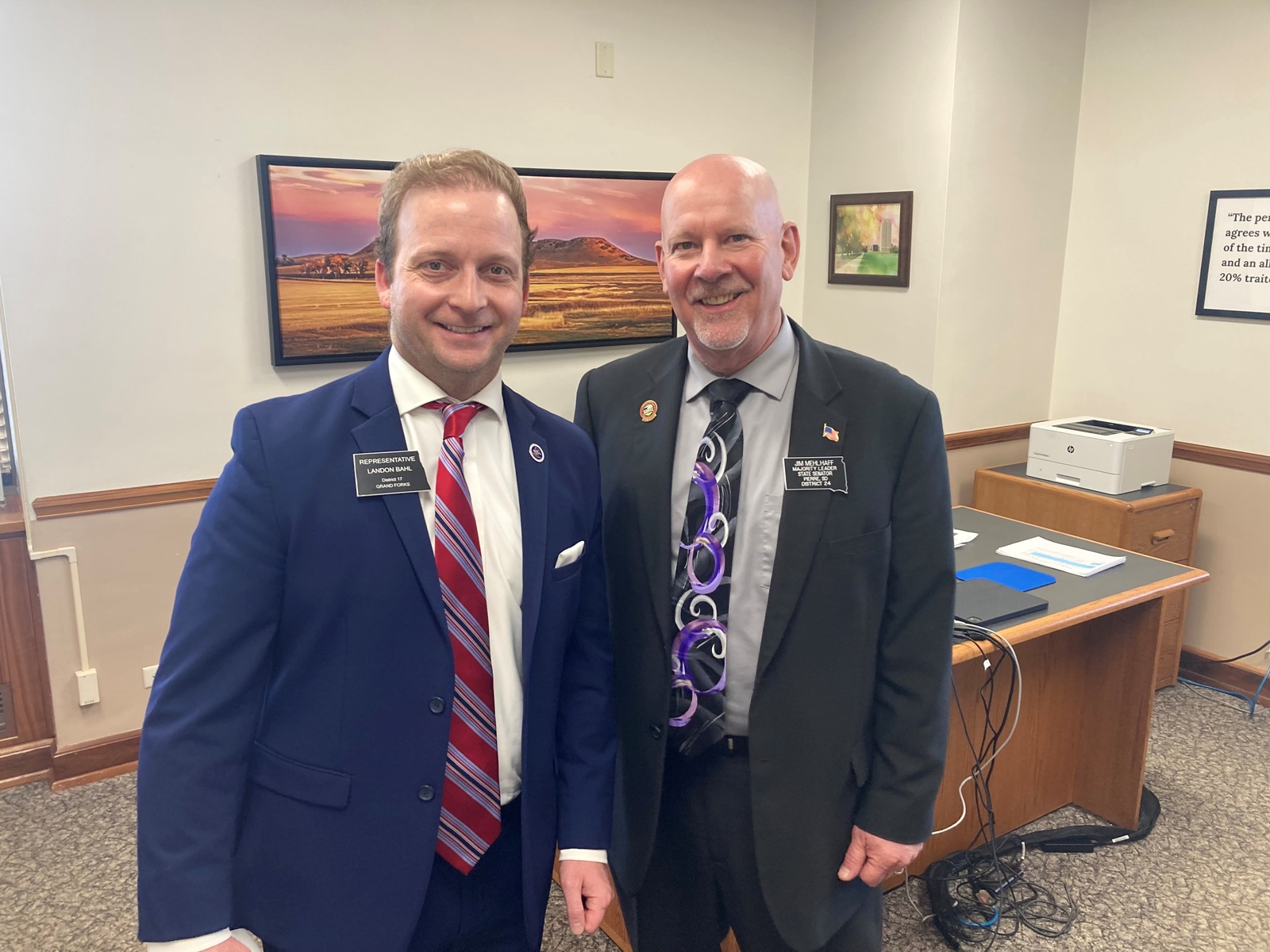
Members of the ND Senate State and Local Government Committee received an overview of the South Dakota Legislature's process for conducting annual sessions in a hearing today. The committee is discussing HB 1408, introduced by Grand Forks Rep. Landon Bahl, that provides a blueprint for North Dakota to begin conducting annual sessions in 2027. Bahl said he believed efficiency could be gained from shorter sessions held every year in January and February. His legislation would not alter the state constitutional limit of 80 days over a biennium, but does specify that if the legislature switched to a 40-day session every year, it would have to be completed in 70 calendar days. Bahl said that means the legislative session would be concluded by the middle of March. Bahl said with economic and societal conditions changing so quickly, it has become much more difficult to properly plan for the future in a two-year biennial budget. He said it's also important for the legislature to recognize the coming impact of term limits, which will require an intense effort to educate new legislators. He said having a session every year would be the best way to accomplish that. Click here to listen to Bahl's comments. Bahl said annual sessions spanning only two months would also likely allow more North Dakotans to consider running for the legislature. He said it's difficult to take four months away from other responsibilities, but a two-month commitment would be more doable. South Dakota Senate Majority Leader Jim Mehlhaff made the trip from Pierre to Bismarck to offer neutral testimony on the bill at the invitation of WDEA Executive Director Geoff Simon, who is a South Dakota native. Mehlhaff walked through South Dakota's 38-day legislative calendar, explaining procedural deadlines to ensure all bills get a hearing within the allotted timeframe. He said one key difference between the states is that bills can die in committee in South Dakota, but can be brought to the floor with a "smokeout" motion, which requires support from one-third of the members in either the House or Senate. Click here to listen to Mehlhaff's comments. Mehlhaff said there is no bill filing limit for legislators in South Dakota, but they introduced far fewer bills than North Dakota legislators have to consider. He said there were 269 House bills and 220 Senate bills, plus a number of resolutions bringing the total to about 600. In contrast, the North Dakota Legislature is working its way through 620 House bills, 400 Senate bills and 65 concurrent resolutions. The Senate Committee took no action on the bill, which previously passed the House on a vote of 64-26.
|
|
Legislative Term Limit Talk Continues
Question of Constitutionality Drives Debate
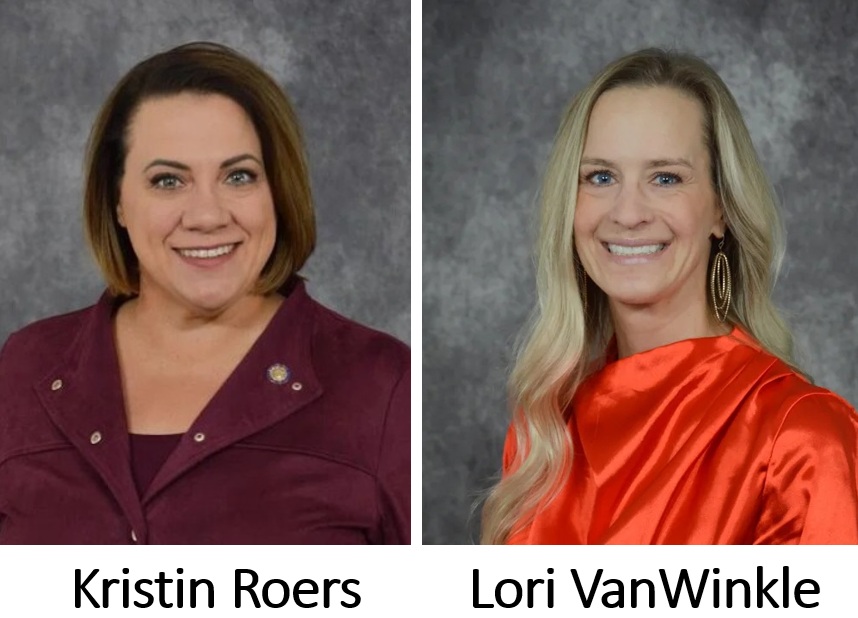
North Dakota lawmakers are taking action on remaining bills introduced this session aimed at addressing legislative term limits. SCR 4008 would limit an individual to no more than four complete terms in the legislature. It also specifies that if an individual is appointed to serve a partial term, the time would not count toward the term limit. The measure also repeals a provision prohibiting the legislature from proposing constitutional amendments relating to term limits. If approved by the House, the measure would be placed on the general election ballot in November 2026. Fargo Senator Kristin Roers called the resolution a structural update that preserves the intent of the ballot measure passed by voters in the 2022 election. SCR 4008 would still limit legislators to eight years of service once elected, but would allow members to remain in the same chamber. Roers said the intent of term limits was to limit legislative power, and the change would still respect the will of the people. Click here to listen to Roers' comments. Opponents of the measure questioned the constitutionality of the proposal because the term limit language in Article XV says the legislature can not propose an amendment to alter or repeal term limits. Minot Rep. Lori VanWinkle argued that voters explicitly outlined in the measure that any attempt to change the term limits needed to be done by an initiated measure, as was done in 2022. Click here to listen to VanWinkle's comments.
SCR 4008 narrowly passed the Senate by a vote of 24-23. The legislation received a do not pass recommendation from the House Government and Veterans Affairs Committee on an 8-5 vote. HB 1300, which establishes an effective date from which years of service will be calculated, was passed by the Senate this week on a 40-6 vote. The legislation previously passed the House 64-28. Legislation which failed to pass includes HCR 3034 and SCR 4028. Another measure, SCR 4011, sought congressional term limits, but failed to pass.
Click here to read a previous WDEA newsletter article about HB 1300.
|
|
BLM Lease Sale Generates $39 Million
ND & Montana Sales Total More Than $11M
The Department of the Interior announced this week it generated over $39 million in total receipts from oil and gas lease sales held in the first quarter of 2025, highlighting the department’s commitment to responsible energy development on public lands and American energy dominance. The total included $11.3 million netted from the sale of 13 parcels covering 1,324 acres in Montana and North Dakota. In line with policies championed under the Trump administration, the revenue reflects a focus on unleashing domestic energy production, supporting job growth, and reducing reliance on foreign resources through efficient, streamlined permitting and leasing processes. BLM leased a total of 34 parcels totaling 25,038 acres. The combined bonus bids and rentals from the leases will be distributed between the federal government and the states where the parcels are located. Sales were also held in New Mexico, Wyoming and Nevada. “This quarter’s lease sales demonstrate Interior’s unwavering commitment to fostering American energy dominance, and we are grateful to those who produce energy on federal lands,” said Interior Secretary Doug Burgum. “By building on the commonsense, pro-growth policies of the Trump administration, we’re ensuring public lands are being used to their fullest potential to support national security, economic strength and the livelihood of the American people.” BLM also announced plans this week for an oil and gas lease sale on April 29, offering 11 parcels covering 4,266 acres in Montana and North Dakota.
|
|
Governor Supports Phone-Free Schools
Bills Aimed at Improving Learning, Well-Being
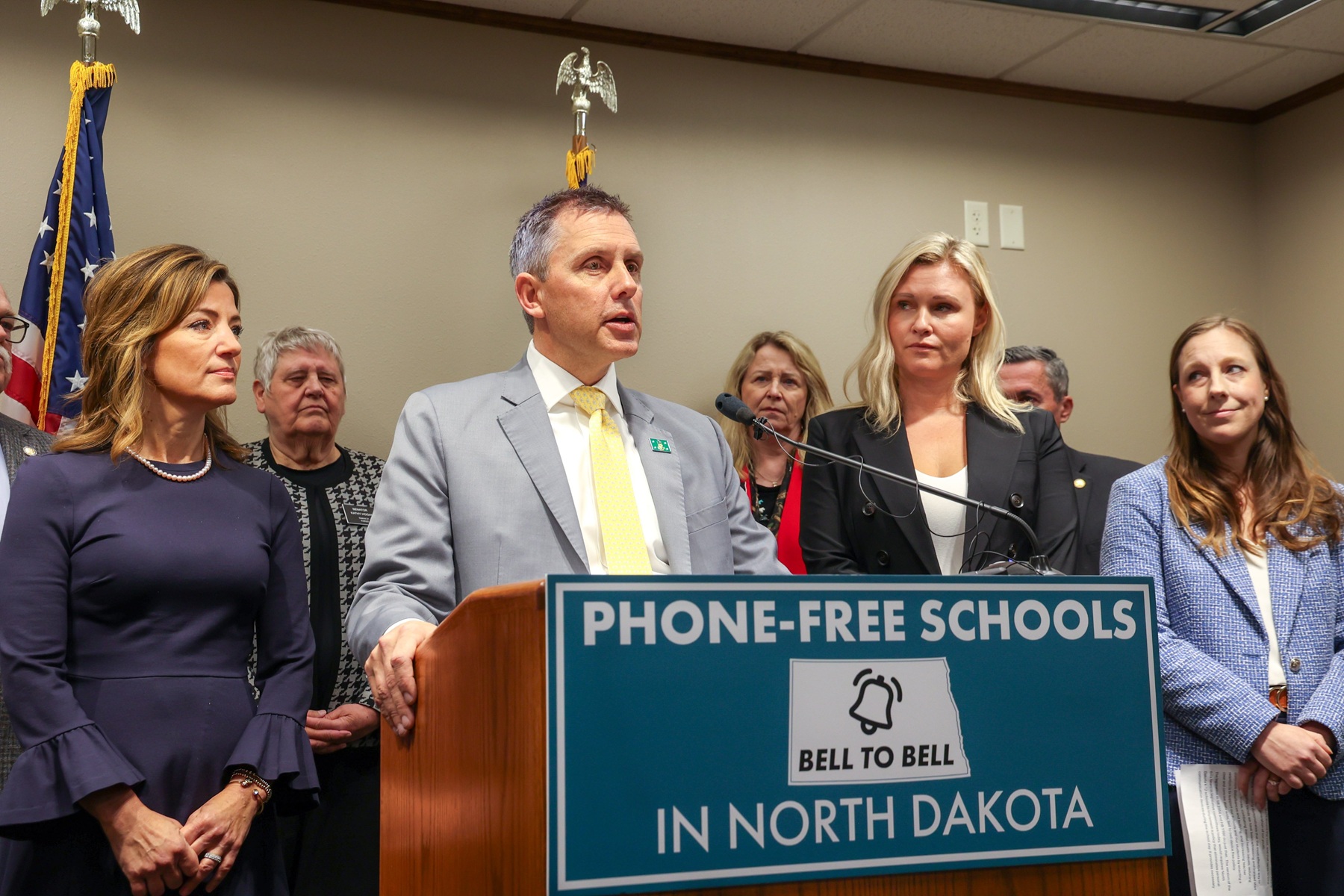
Gov. Kelly Armstrong, First Lady Kjersti Armstrong and Lt. Gov. Michelle Strinden have joined state legislators, education and student representatives, and others in announcing support for legislation designed to improve learning and well-being by requiring public schools to adopt policies that require students’ cell phones to be stored during the school day. “We want to give something back to students: the freedom to learn and grow in school without the distraction of their personal electronic devices and social media,” Armstrong said. “Adopting bell-to-bell phone-free school policies will improve academic performance, mental health and well-being and give our students the best chance to reach their full potential, while also allowing teachers to focus more time on instruction instead of distraction.” Amendments introduced to SB 2354 and HB 1160 would require all personal electronic communication devices to be turned off, securely locked away and inaccessible to students from the start of the school day until dismissal at the end of the school day. Schools would have flexibility in deciding how to stow the devices, such as secure lockable pouches or phone lockers, with $1.5 million in funding proposed to cover equipment expenses. The proposal still allows for the use of tablets and other school-issued electronic devices for learning, while also including exceptions for students who need personal electronic devices for medical reasons or as part of an individual education plan.
Sen. Michelle Axtman of Bismarck, who introduced SB 2354, and Rep. Jim Jonas of West Fargo, sponsor of HB 1160, both agreed to amend their bills with the phone-free school language. House Majority Leader Mike Lefor and Senate Majority Leader David Hogue also supported the amendments, as did State Superintendent of Public Instruction Kirsten Baesler in written testimony.
“The most effective way to reverse the negative trends we have been witnessing and start increasing test scores, combating mental health issues, and reducing classroom disturbances is to support our schools and our students by enacting a clear and concise state wide, bell-to-bell device-free policy,” Axtman said in prepared testimony.
|
|
Wildfires Hit McKenzie County
No Structures Damaged in 3 Fires
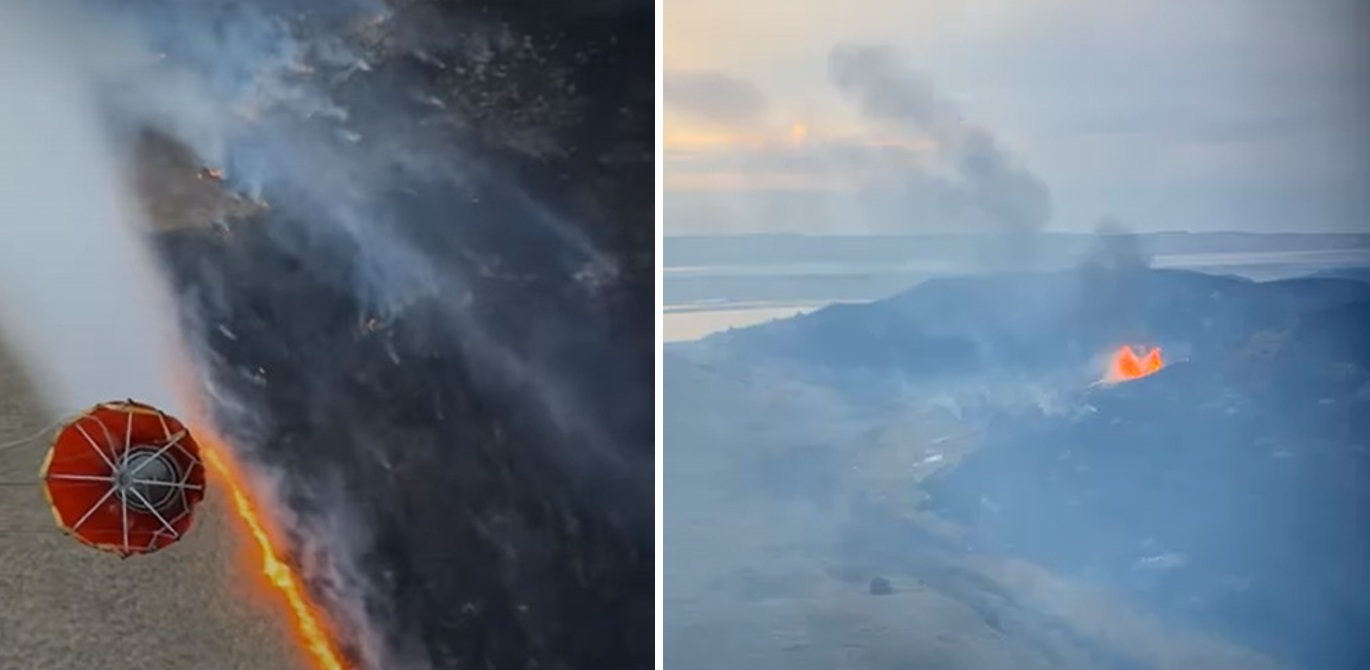
Three separate wildfires broke out this week in McKenzie County, but fortunately no structures were damaged by the wind-driven flames. McKenzie County Emergency Manager Karolin Jappe said multiple fire departments were called out to help contain the blazes, which she said moved rapidly in winds that topped 40 mph. "It ran like water," Jappe said. "It was just crazy how fast it moved." The smallest of the fires which burned just a couple acres south of Watford City was extinguished quickly, but the other two were more challenging, she said. Jappe said a blaze that broke out around 11:30 Thursday morning about five miles north of Watford City consumed 2,250 acres. Fire crews from Watford City, Twin Valley, Alexander, Arnegard, Grassy Butte and Keene were called in to help. The third fire, which burned about 900 acres near Lake Sakakawea, west of the Tobacco Gardens area, started around 1:30. Jappe said because it was in rugged terrain, the county requested assistance from ND National Guard helicopters to dump water on the flames. The ND Forest Service and Stark County Wildland Task Force also assisted in the effort. Jappe said local law enforcement was also called to prevent "looky-loos" from interfering with the firefighting effort. "The one really cool thing when these events happen is to watch them all working together," she said. "You would think they do this daily, they work that well together." Click here to see video of a flyover and water drop on the north fire from the ND National Guard's Facebook page. Click here, here and here to see more fire photos from the Guard. Click here to read a story about an NDSU professor whose study aims to help restore soil health after wildfires.
|
|
Germundson Named Williston Superintendent
Previously High School Principal and Assistant Supt.
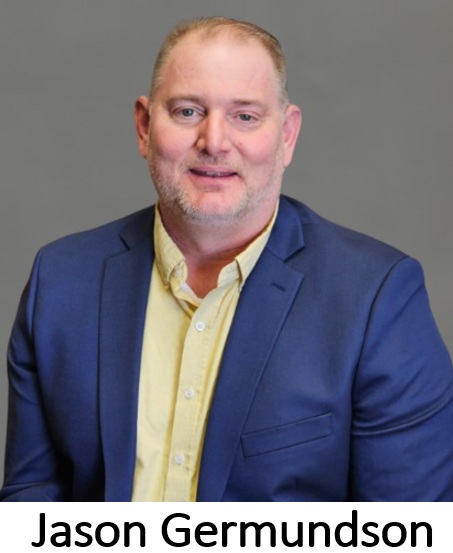
The board of Williston Basin School District #7 voted during a special meeting this week to hire Dr. Jason Germundson as the next superintendent effective July 1. Germundson has been serving as the interim superintendent since January 1, following Dr. Richard Faidley's resignation and transition out of the position. Germundson was previously promoted to assistant superintendent in 2024 after more than 20 years of service as principal and assistant principal at Williston High School. "I am deeply honored to continue serving this wonderful community in the role of superintendent," Germundson said. "I am excited to build on our strong foundation and work together with our dedicated staff, students, and families to create even more success for our district." A selection committee, comprised of school board members, community representatives, and district staff, conducted a thorough process and recommended Germundson for the role. He is a Williston native, and a graduate of Williston High School and Williston State College. He began his career teaching history in Langdon. Before making his way back to Williston, he also taught six years in Surrey, and was principal in White Shield for four years. Click here to read more from the Williston Herald.
|
|
School District Annexation Discussed
Bill Provides Specific Notification Process
North Dakota lawmakers are advancing a bill that seeks to improve the annexation process of property to a school district.
The process allows alterations of school district boundaries through the transfer of real property from one district to another. A family with a school-aged child may petition to transfer their property from one school district into another for the child to attend school in the other district. The land must be contiguous to the district to which it would be annexed. Annexation requires a petition signed by two-thirds of the residents on the land in question. Land exchange requires the trading of property on both sides of the school district line. The difference in taxable valuation between the properties being traded must currently be $1,000 or less. The properties are simply traded, with each becoming a part of the opposite school district to limit the loss of taxable valuation. SB 2351 would require a county superintendent to schedule and give notice of a public hearing regarding the annexation and provide notice to each owner of real property affected by the petition by certified mail at least 21 days before the hearing. The bill also provides the procedure for the hearing and petition requirements. The bill replaces the provision that property not exceed $1,000, instead requiring that the exchange be agreed upon by both affected districts. The amendment was adopted by the House Education Committee after Blaine Anderson, a resident of Mapleton, highlighted the provision while recounting his experience of the annexation process in his testimony.
SB 2351 previously passed the Senate on a 45-2 vote, and received a 13-0 do pass recommendation from the House Education Committee.
|
|
Scott Molander Named DSU President
Wants to Build Partnerships with Community
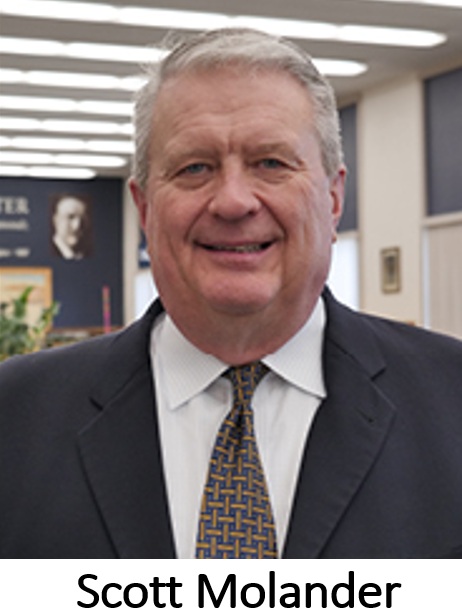
The State Board of Higher Education has selected Scott Molander as the 14th president of Dickinson State University. The board interviewed four finalists at its meeting Thursday, March 27, on the DSU campus. In his interview Molander highlighted his focus on people and team-driven collaboration, and spoke about adapting to meet the needs of the community and workforce through credentials and certificates that are cohesive and stackable. “My focus will always be on people," Molander said. "Teamwork is everything and together, we need to build partnerships within the community. Collaboration with our university system institutions is key.” The Presidential Search Committee was co-chaired by Danita Bye, SBHE vice chair, and Ty Orton, DSU acting president. "I appreciate everyone who provided input to the Presidential Search Committee," Bye said. "Through the input process, we heard an emphasis on selecting a president who has a philosophy that is consistent with North Dakota values and has a vision that weaves in DSU’s dual mission and community philosophy. Scott Molander is that person.” Molander, a native of Crosby, holds a bachelor’s degree in business administration from DSU and a master’s degree from Indiana State University School of Business. He has taught as a full-time lecturer at Butler University and served in adjunct roles in higher education, but his career has been mostly in the private sector. Most recently, he was the managing director at SKINS Compression North America, a company that specializes in compression sportswear. A total of 54 candidates applied for the position. Molander will assume his duties on July 1.
|
|
Fedorchak Joins Trump at White House
Invites President to Visit State This Summer
Congresswoman Julie Fedorchak joined President Donald Trump and her freshman House Republican colleagues at the White House this week, and emphasized the importance of the administration's leadership to secure the country, fight for peace in the world, grow energy resources, and reduce regulatory burdens for all businesses. “North Dakotans overwhelming voted for President Trump, and he has wasted no time in delivering results for our state and the nation," Fedorchak said. "In just two months, we’ve seen action on securing the border, cutting billions in wasteful government spending, securing billions of dollars in investments into the U.S., bringing down costs for families, slashing burdensome regulations, and unleashing American energy."
Fedorchak invited Trump to visit North Dakota this summer to meet with farmers and expressed appreciation for his selection of former Gov. Doug Burgum as Secretary of the Interior. She said Burgum understands the importance of a responsive Interior Department that works for the benefit of all Americans.
“It was an honor to join President Trump at the White House and share what matters most to North Dakotans—lowering costs, securing American energy, protecting jobs, and helping our farmers succeed," Fedorchak said.
|
|
NDSU Offering Bison to Bakken Program
Student Opportunity to Explore Energy Industry
NDSU’s new Bison to the Bakken program has drawn strong interest from students across campus, with 61 students submitting applications before the March 25 deadline. The program, which launches in May, offers a two-week, three-credit opportunity for undergraduate students to explore the energy industry and economic development in western North Dakota. The initiative is open to 45 students from across NDSU who are scheduled to be selected next week. Students will visit several communities including Minot, Tioga, Williston, Watford City, Medora, Dickinson, Bismarck and Mandan. Additional stops and energy facility tours are being finalized. The program schedule also includes outreach to area state legislators to explore opportunities to meet with the group during their travels. “We have been overwhelmed with the response from industry partners across the state. Students are excited to learn more about all aspects of energy production and the lifestyle in western North Dakota," said Kathryn Birkeland, Dean of the College of Business. "We received strong application numbers across majors which demonstrates how the energy industry touches many disciplines.” Each selected student will receive a $1,250 scholarship, funded by corporate partners, to help offset the cost of summer tuition for the course. Travel and lodging expenses are fully covered by the Economic Diversification Research Funds, appropriated by the ND Legislature during the 2023 session. The trip, scheduled for May 18–30, includes on-the-ground exposure to key sectors such as well drilling, fracking operations, pipelines, CO2 capture, biofuels, lignite coal, wind energy and broader economic activity connected to the state’s energy industry. The experience also features social and cultural activities.
Click here for more information on the Bison to the Bakken program website.
|
|
Trust Lands Completion Act Reintroduced
Allows Development of State Mineral Resources
North Dakota's Congressional delegation has reintroduced the North Dakota Trust Lands Completion Act to enable greater development of state-owned lands and minerals. The bill would authorize the State of North Dakota to relinquish state-owned lands and minerals within tribal reservations to the U.S. Department of the Interior, and in exchange, receive federal land and minerals of equal value in North Dakota. “Energy development on state and federally-held lands not only plays a critical role in supporting economic growth and our nation’s energy security, but it produces significant revenue to help fund education, infrastructure and a wide range of priorities,” said Senator John Hoeven. “Through equal-value exchanges, our legislation would help the State of North Dakota and Native American Tribes reduce the fragmentation of their minerals and surface acres, easing the development of these important resources and unlocking their potential for the benefit of North Dakotans and tribal members.” “This legislation will promote more productive trust lands to enhance North Dakota K-12 education funding, while also providing North Dakota Tribes with the opportunity to further consolidate lands within their reservations,” said ND Land Commissioner Joe Heringer. “We were glad to help shape how the draft bill would restore some reservation land previously taken from us,” said Mark Fox, Chairman of the Mandan, Hidatsa, and Arikara Nation. “We support its introduction and look forward to working closely with our congressional delegation and the Congress to ensure the preservation of our treaty rights to land and minerals on the Fort Berthold Indian Reservation.” North Dakota holds more than 130,000 acres of minerals and 31,000 surface acres within reservations alone, which are largely unavailable for development. The legislation would resolve the issue by allowing equal value transactions between North Dakota and the Interior Department to exchange land and mineral rights.
Click here to see the 21-page legislation. View a one page summary of the bill here.
|
|
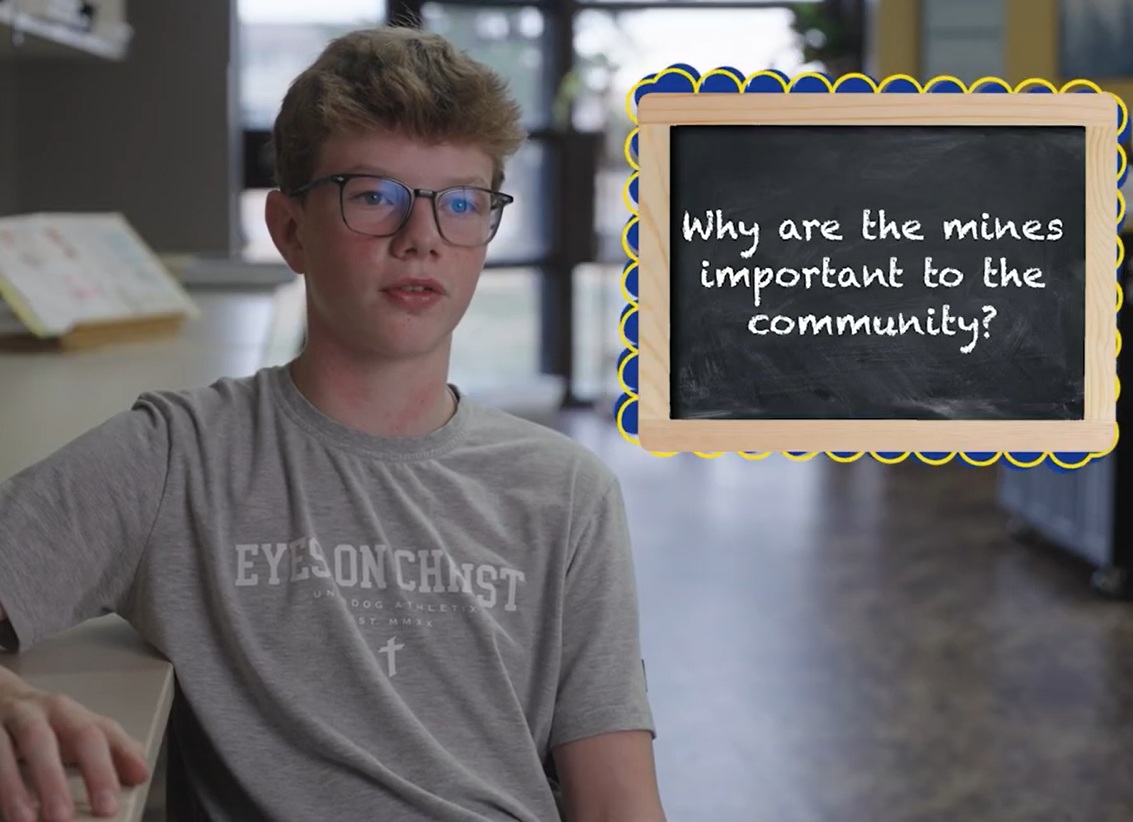
"Kids of Lignite" Video Series Debuts
Students Talk About the Importance of Coal
Beulah Middle School students are highlighted in “Kids of Lignite,” the newest video series of the Lignite Energy Council. The five-minute video features middle schoolers answering questions about the jobs their parents have in the lignite industry, the importance of coal to the community, and what the consequences would be if the industry suffered a downturn. The video also interviewed several teachers about the contributions of the lignite industry. Cassie Plienis, program director of Little People Pre-school in Beulah, said there wouldn't be much of a community left without the coal industry. Click here to listen to Plienis' comments. The youngsters who were interviewed cited numerous contributions from the lignite industry including:
• Thousands of jobs provided to the coal country community. About half the students who attend Beulah Middle School have at least one parent who works at a nearby coal mine, power plant, or Dakota Gasification Company.
• Millions of dollars in state and local tax revenues.
• The growth and prosperity of locally-owned businesses in the communities of coal country. Click here to watch the video.
|
|
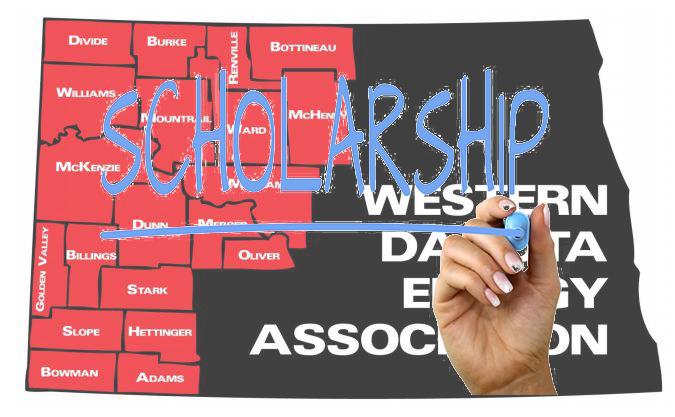
WDEA Offering 8 Energy Scholarships
Aimed at Students Pursuing Energy Career
The Western Dakota Energy Association will award eight $1,000 scholarships this spring to students in an energy-related field at a North Dakota college, university or technical school. WDEA President Leslie Bieber said the association is offering the scholarships to help the industry and western communities meet the workforce challenges historically experienced with oil industry growth. “We recognize that North Dakota will see benefits from the oil industry only if it is able to attract the workforce it needs,” said Bieber. “We want to do everything we can to encourage young people to explore the many opportunities for a rewarding career in the energy sector.” Funding for the scholarship program is generated by sponsorships of WDEA’s annual meeting, which this year will be held Oct. 8-9 in Watford City. Click here to learn more about the selection criteria and how to apply. Click here to view or download an application form. The application deadline is May 16. Scholarship winners will be announced following WDEA's Executive Committee meeting in late May. Click here to see an article about last year's winners.
|
|
Wise Roads Shots of the Week
Northern Lights and Flocks of Geese
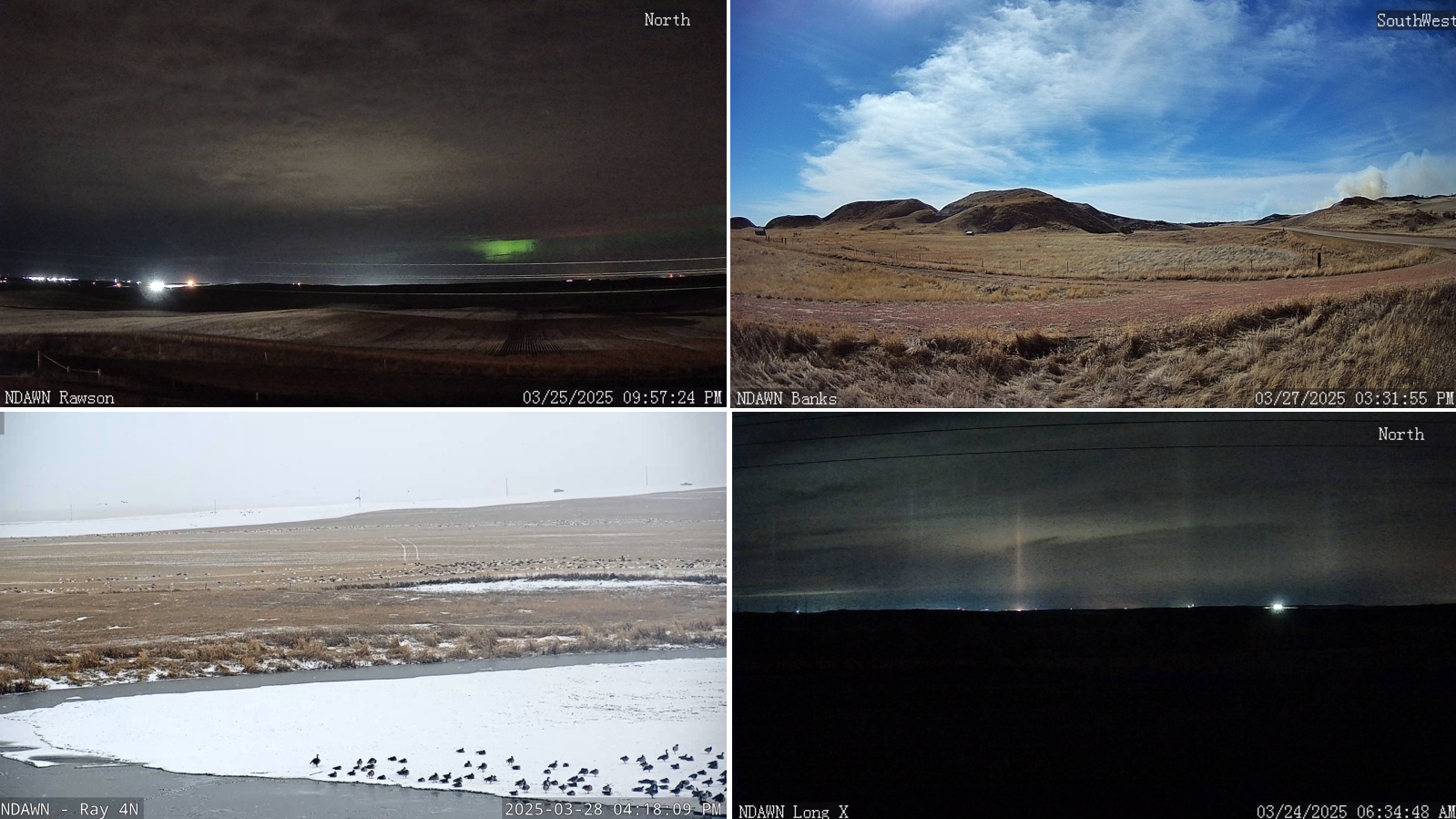
Mostly cloudy skies this week made it tough to catch a glimpse of the Northern Lights, but one of the high-resolution cameras on a Wise Roads weather station captured a peek of green. Cameras also captured a few pics of smoke from this week's McKenzie County wildfires and a few geese on the pond. Photos from Wise Roads cameras are updated continuously throughout the daylight hours on the Wise Roads web page.
The Wise Roads project (Weather Information System to Effectively Reduce Oilfield Delays and Disruptions) was developed by WDEA to increase the efficiency of the movement of oilfield truck traffic. Most weather stations were placed in the core area of Bakken production, focusing on Dunn, McKenzie, Mountrail and Williams Counties. The project provides more accurate weather information to county road managers, especially about rain events, to minimize the need to impose weight restrictions when gravel roads get wet. It was developed in partnership with NDAWN, which maintains the stations for WDEA. The project was also assisted with a $250,000 grant from the Oil & Gas Research Council.
Fifty new stations have been installed, 39 of which are located in the four core oil-producing counties. Prior to the start of the project, Dunn and McKenzie Counties had just one station each, Mountrail County had three and Williams County had four. Weather station data and high-resolution photos can be found at wiseroadsnd.com. There is also an interactive Google Map that users can access to pinpoint the location of Wise Roads and NDAWN weather stations. Additional information is also available from NDAWN. Featured shots this week are clockwise from upper left: Rawson, in central McKenzie County with a glimpse of the Northern Lights; Banks, with smoke from wildfires visible beyond the hill; LongX, with light pillars visible on a chilly evening; and Ray, with a large flock of geese hanging out on an icy pond. Click on the link for a high-resolution image.
|
|
|
Quick Connect
• Iowa lawmaker calls on Summit to withdraw OK'd application -- North Dakota Monitor
• Like SD, North Dakota organizers keep fighting carbon pipeline -- Heartland Signal
• Energy project zoning questions stir controversy at legislature -- Bismarck Tribune
• CO2: State's key to unlocking billions in Bakken oil? -- McKenzie County Farmer
• Oil company, landowner attorney collaborate on bill to avoid court battles in ND -- North Dakota Monitor
• Industrial Commission approves more than $2.8M for lignite research and development -- KX News
• Oil and gas in 'a steady state': officials keep an eye on market uncertainty -- McKenzie County Farmer
• Summit seeks dismissals in cases challenging North Dakota project approvals -- Bismarck Tribune
• Editorial: Both bills dealing with power line aspects have their merits and flaws -- Bismarck Tribune
• 500 barrel source water spill caused by tank overflow reported northeast of Glenburn -- KFYR - TV
• State regulators consider request to let consumers cover data center legal fees -- Bismarck Tribune
• Property tax relief, reform amended by ND Senate; max credit dropped to $1,250 -- Bismarck Tribune
• Rep. Fedorchak faces Trump administration criticism in first phone town hall -- Bismarck Tribune
• Armstrong opposed to using legacy fund money for agriculture & commercial property tax relief -- WDAY
• Senate votes to override first veto of the session; House needs two thirds majority vote -- KFYR - TV
• ND legislative resolution marks first step toward federal protection for wild horses -- Dickinson Press
• National Weather Service predicts increased drought and fire risk for North Dakota -- Dickinson Press
• NDDOT nominating intersection project between Highway 2 and 1804 for nat'l competition -- KFYR - TV
• Public meeting set for 3/31 to discuss improvements for US 83, ND 23 intersection -- Minot Daily News
• The Theodore Roosevelt Presidential Library featured on CBS Saturday Morning program -- LinkedIn
• Wildfire relief program delivers $939K to ranchers and landowners affected by October fires -- KX News
• Data center ordinance recommended for approval; zoning board OKs amendments -- The Journal
• Bowman County Commissioners approve burn ban dur?ing March meeting -- Bowman County Pioneer
• Williston commissioners approve plans for Fighting Pike Data Center north of town -- KFYR - TV
• North Dakota House reconsiders K-12 school surveys bill, but votes it down again -- Fargo Forum
• House lawmakers vote down attempt at using add'l state funding for school construction -- KFYR - TV
• Governor Gianforte signs 'bathroom bill,' transgender athlete ban; ACLU will sue -- Daily Montanan
• Minot State students research the feasibility of operating a downtown grocery store -- Minot Daily News
• House passes bill providing tax incentives for employers to cover childcare 72-to-12 -- KFYR - TV
• Any country buying oil or gas from Venezuela to pay 25% secondary tariff on trades with US -- Oil Price
• Another day ending in "y", more meritless lawsuits against fossil fuel producers -- RealClearEnergy
• What the world needs now is more fossil fuels, says Trump's energy secretary Wright -- The Guardian
• How Texas oil workers and technology are helping build a new renewable geothermal boom -- The Hill
• Far-left organizations soiling legitimate protests with outside agitators looking to fight -- New York Post
• Recycling power: rethinking a ready and available solution in used nuclear fuel -- RealClearEnergy
• Biden administration wrongly nixed oil, gas leases in Alaska refuge, US federal judge rules -- Reuters
• Majority says energy independence more important than fighting climate change -- The Center Square
• EPA rewrites grant rules as Zeldin tries to take back $20B in climate money OK'd by Biden -- E&E News
• Some environmentalists could give a rip about the environment: See Teslas, ND pipeline -- OutKick
• Maine's climate lawfare battle: Legislation aims to stop the AG's lawsuit against oil -- Energy in Depth
|
|
Factoid of the Week
Oil and natural gas remain indispensable to meeting growing global energy demand, with natural gas consumption hitting an all-time high in 2024. Global electricity demand also soared by 4.3 percent, nearly double the average annual increase over the past decade, much of it driven by technology. Gas-fired generation will be essential to meet future power needs.
|
|
March 29
Raymond Family Community Center
March 31
Underwood City Hall
April 4
Mountrail County South Complex
April 4
ND Capitol
April 24
Bismarck and via Teams
April 28 - 30
Regina, Saskatchewan
May 6
Bismarck and via Teams
May 20
Watford City
June 18 - 19
Dickinson
|
|
Oil prices and rig count
March 28, 2025
WTI Crude: $69.36
Brent Crude: $73.63
Natural Gas: $4.07
North Dakota Active Oil Rigs: 33 (Up 2) March 28, 2024 -- 39 rigs
|
|
Geoff Simon
Editor/Executive Director
|
|
|
|
|
|
|









.jpg)