|
AC4C Summer Work Retreat
was Fun, Challenging and Informative!
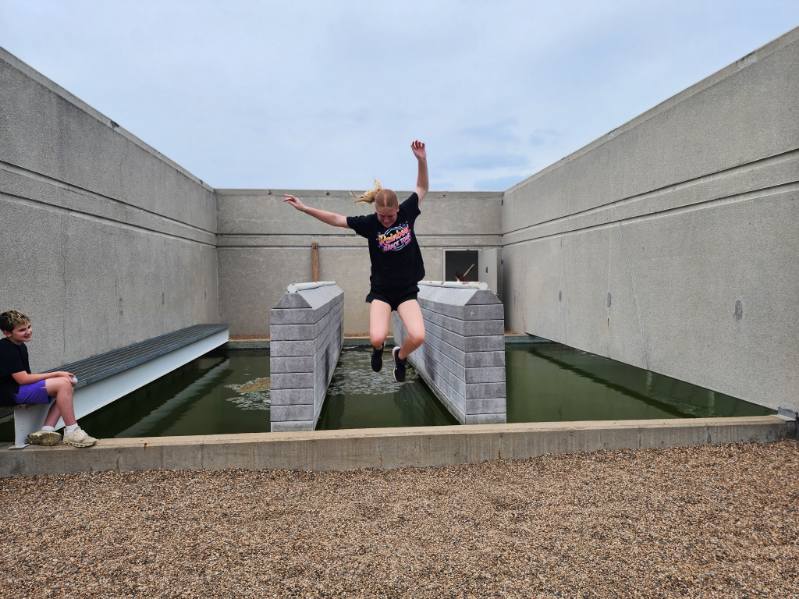
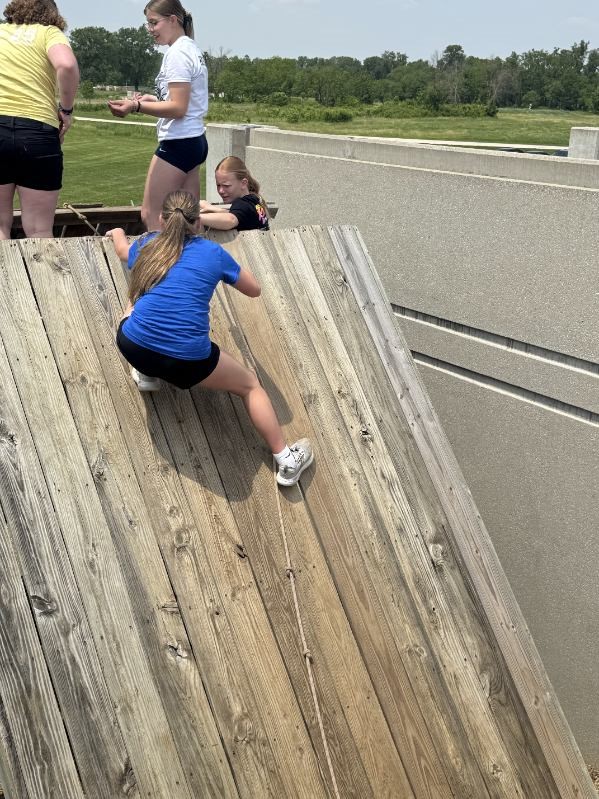
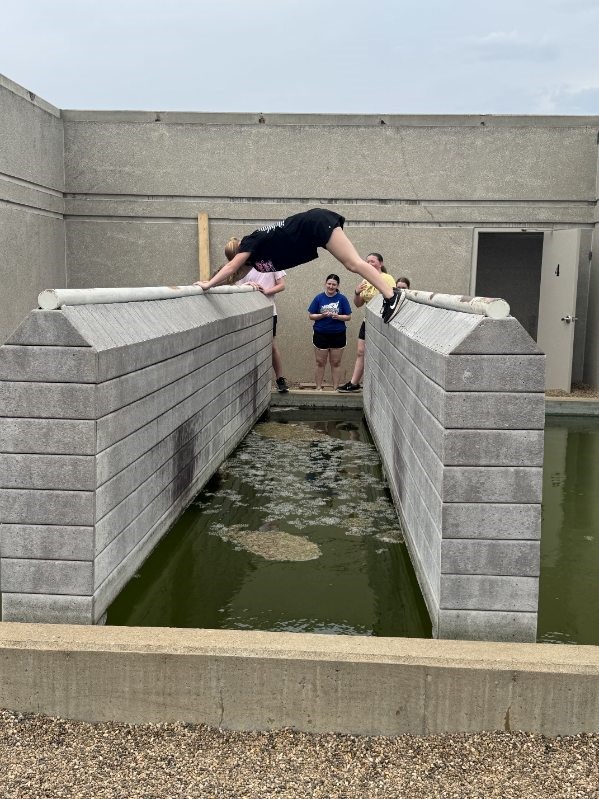
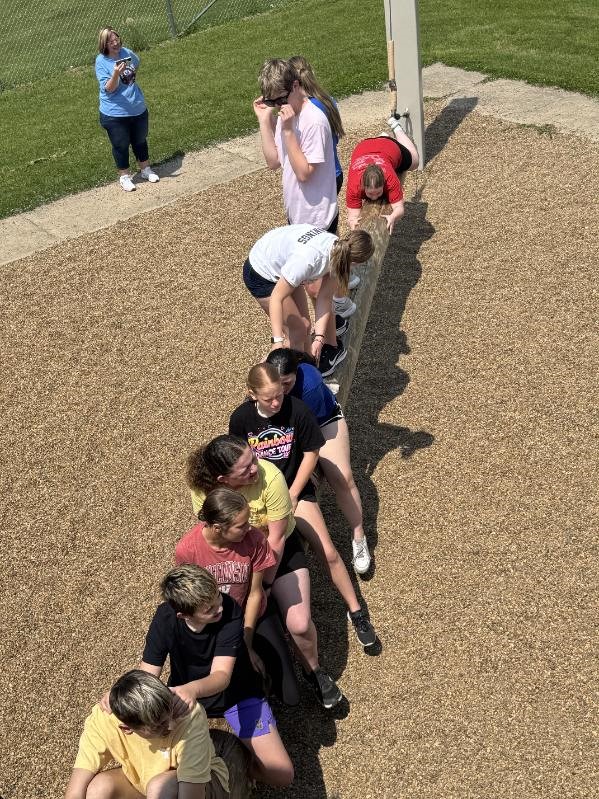
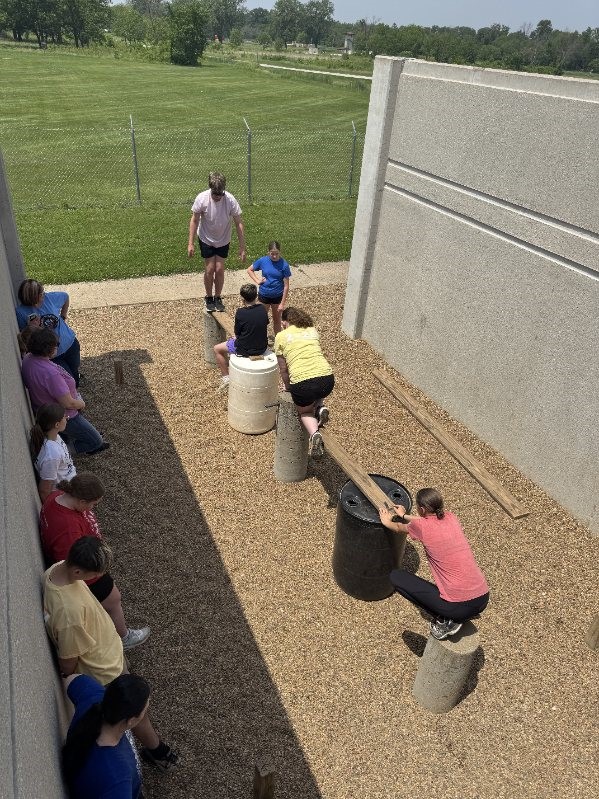
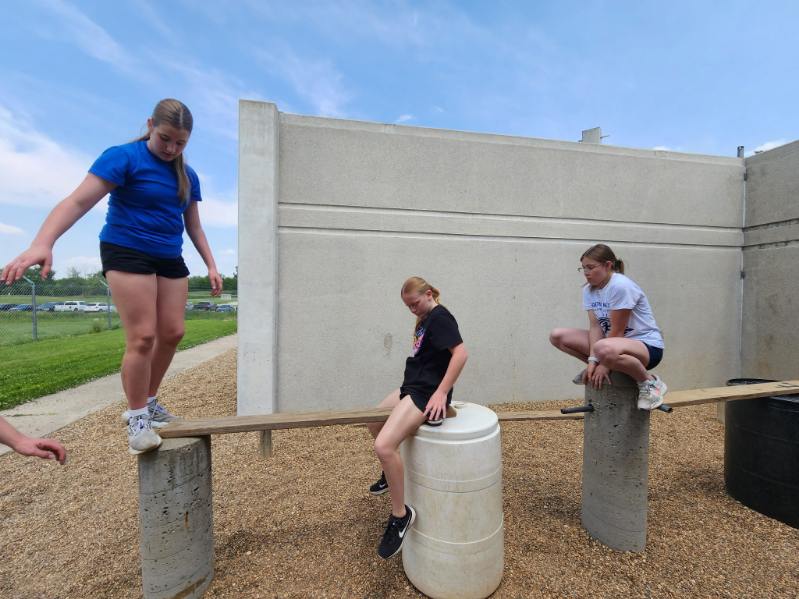
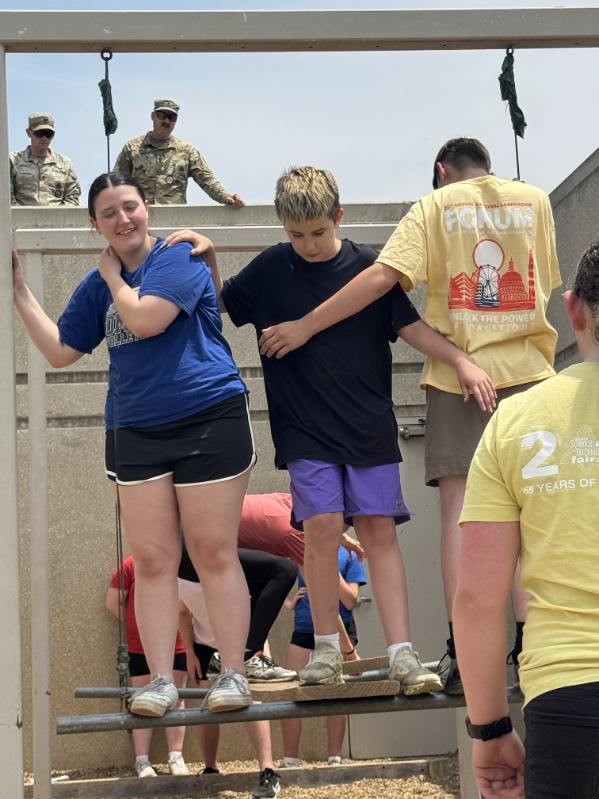
At the end of each day of the AC4C Work Retreats we usually go around and ask each person to say at least one word to describe the day, their favorite part of the day, or of the whole retreat. "Informative" and "collaboration" are often single words reflected. We asked the youth what their highlights were of the Leadership Reaction Course (LRC). It was quite a treat to hear how proud they were of each other and themselves, and how much they helped each other. They had a great day! The adults always love the state partner sharing time and at this retreat, they were inspired by Jay Pedelty with his "Transformational Prevention" presentation. We forgot to take a picture of Jay presenting though, so we'll have to invite him back to speak at some AC4C event and remember the photos next time!
The youth also were led in a focus group to hear what they see or hear is happening in their communities and schools. This input along with other data helps AC4C focus our efforts.
1. What is the best thing about living in your community?
· Misty’s – Ice Cream
· The River
· Sightseeing
· Everyone knows everyone
· Community comes together to help each other, fundraising when needed
· Small businesses
2. What is not so good about living in your community?
· The town is small, so everyone knows everything
· Driving the same streets every day
· Being different allows them to get out of trouble
· Teachers ignore kids vaping because the principal will not do anything
· Because a student is a different race, she cannot get in trouble (racism)
· Your name matters – if you have the right name, you are treated better and get out of trouble
3. What does substance use look like in your community? (Substance use means using alcohol, tobacco, or other drugs in risky ways that may cause problems.)
· Teenagers vaping and drinking
· Sharing vapes by leaving them in the bathroom
· Vapes are hidden, but the admin cannot find them because they change places
· Vapes in the school are ignored
· The student used a weed vape in a classroom – it could be smelled, but no one got in trouble
· School bathrooms smell like vapes
· There was a senior party, and the parents bought the alcohol and supplied it to the kids
· Kids access alcohol from their parents' homes
· Drinking is normal – family parties include alcohol for all of the adults
· Water bottles at school have to be clear because alcohol is an issue
· Popular types of alcohol: White Claws, Carbless/Seltzer, Twisted Tea, Fireball
· Marijuana/THC: A kid's mom, after he got caught with a THC vape, went to Illinois and bought him edibles; drinks are not popular with their youth
· Use at home or out in the country
4. Do you think the adults in your family are aware of the issues some kids face when it comes to substance use?
· Their parents are aware, but don’t act on it because their kids are not doing it
· Parents know some, but don’t know the full extent of use
· Parents know their kids are not, but do not know how much exposure their kids have
5. How can they help?
· Parents should speak up at the school board and also at town halls
6. How do you think kids are getting substances?
· Near peers supply
· Parents Provide
· Kids take it from their parents
· Kids are purchasing at the local Casey’s
· Places in the larger towns do not card and allow kids to purchase vapes
· Kids can purchase online and use their parents' ID if they have to scan one
· Most kids go to a store or have a sibling or a peer purchase
7. Have you seen alcohol, marijuana/cannabis/THC Beverages, vaping, smoking, or other drug use on school grounds?
· A girl was smoking THC in the band closet
· Fireball shooters in the school parking lot
· In the back-parking lot, vapes are lying around
· Use vapes in classrooms and bathrooms
8. Where else are kids using substances in your community?
· Use in parking lots or behind stores (one store a parent owns, and they do not get in trouble because of the name)
· Parks and under bridges
· Out of town limits
9. What are some things that help kids say “no” to substances? For example: talking with a trusted adult, education on the dangers of substance use, activities/sports with consequences for using substances…
· Surrounding yourself with a good crowd – people who are not using
· Learning from what family members have done (my grandfather, who was a heavy drinker and died due to that)
· Participate in sports and activities
· Witnessing the harms (young man with ID due to substance use)
· Parents educating them on the dangers
· Price deters them from purchasing
· What they purchase is based on whose money it is – if it is their cheap products, and if it is someone else’s money, then more expensive products are purchased
10. What else should we know about your community and/or substance use?
· Kids don’t care if they get caught because it is just a cheap ticket
Thanks to the youth for their willingness to share, and Kris Rankin and Savanah Strahan for leading them in this discussion. Thanks to Julie Furne, Sarah Wright and Jackie for leading the youth in the LRC too!
|