|
It’s your mayor, Danny. The end of June and beginning of July are milestones for a couple reasons this year, and I want to share those with you today. | Legislating: Making the big ideas work through collaboration and careful implementation | | |
The end of June is a moment of transition for your local government. We’ve ended the last fiscal year and are starting fiscal year 2027—which runs from July 1, 2026, to June 30, 2027—with a brand new budget. I couldn’t be more proud of this year’s budget process: Along with our partners in City Council, we’ve invested more than three billion dollars to make our amazing city even better. You can explore the full journey of the FY27 budget on the Budget Season page to learn about the new ways we pulled residents into the process, prioritized sharing information about how a budget works, and kept our key budget goals front and center throughout the cycle.
With the budget adopted, our attention now really turns toward implementation. In my year and a half as your mayor, I’ve learned that implementation is a critical, if often overlooked, part of the legislative and policy-making process. As our legislators and administration continue to consider new initiatives and changes to our code, I’ve urged our full team to work together on implementation planning with as much rigor as we discuss the merits of any given idea.
Good policy ideas, and the legislation that operationalizes it, deserve a real chance to work. That means thinking through — before a vote — what it will take to bring a law from the page into practice: which departments are responsible, what resources are required, and what success looks like. Without that work, even well-intentioned ordinances can erode the public’s trust in city government and their elected officials.
To that end, my administration is being careful to have a thorough implementation checklist that we use in tandem with new legislation once it gets passed, with the goal of making sure we have a clear plan for implementation. Longer-term, my goal is to have more of a life cycle approach where we start with the policy concept and journey all the way through passage. This approach will help us track the goals, resources, outcomes, timeline, capacity requirements, and evaluation for any piece of legislation that is introduced.
The recent passage of the newly revised Affordable Housing Trust Fund is an example where a really collaborative approach, with a strong implementation lens, created a policy that will have sustainable, long-term wins for affordable housing. That’s the type of model I envision replicating, and I'll be excited to share our progress with you all.
| | |
July 1 also marks a temporary shift in Richmond’s water conservation practices. I know it’s hard to reconcile some of our recent storms with the fact that Virginia is navigating significant drought conditions. Despite the rain, the James remains lower than we’d like to see at this time of year. That means that on Wednesday, July 1, our region is entering voluntary water conservation measures.
There is no drinking water shortage, but we need your help.
I want to emphasize that these measures don’t mean we’re headed toward a water shortage. The James River Regional Flow Management Plan sets specific metrics for conservation specifically to make sure our region keeps our water sources sustainable.
As you’ll see from the measures below, the goal is to reduce extreme or unnecessary water usage so that our day-to-day usage continues uninterrupted. I speak regularly with Dr. Scott Morris, Director of the Department of Public Utilities, who continues to be a source of incredible knowledge and strategic planning. Scott’s team is super well versed in the regulations that are directing our actions while river levels remain low.
What are the measures?
During periods of voluntary water conservation, residents in the City of Richmond and surrounding counties are asked to voluntarily reduce water usage. While full reductions are listed below, the majority of our residents will be most impacted by the following lawn watering schedule:
|
| | | |
Mondays: No watering
Tuesdays, Thursdays and Saturdays: Odd-numbered property addresses may water
Wednesdays, Fridays and Sundays: Even-numbered property addresses may water
| | |
Here’s the full list of conservation measures:
-
Fountains: Run fountains only between 8:00 p.m. and 10:00 a.m. Fountains may run at any time on two days each week chosen by the owner or operator.
-
Paved areas: Wash driveways, sidewalks, and other paved areas on any two days each week only if needed. Washing for health or safety reasons is always allowed.
-
Swimming pools: Fill or add water to swimming pools only as needed to keep them safe and clean.
-
Vegetable gardens and lawns: Water vegetable gardens only between 8:00 p.m. and 10:00 a.m. Lawns may be watered at any time on two days each week. Watering with a bucket is allowed at any time.
-
Vehicle washing: Wash vehicles on any two days each week using a handheld hose with an automatic shutoff nozzle, only if needed. Commercial mobile vehicle washing businesses are exempt.
-
Restaurants: There are no water use restrictions for restaurants.
-
New landscaping: Newly planted trees, shrubs, flowers, and grass may be watered at any time during the first 10 days after planting. After the first 10 days, follow the lawn watering schedule above.
-
Golf courses: Water golf courses only between 8:00 p.m. and 10:00 a.m. Golf course greens may be watered at any time.
These are the measures listed by name in the voluntary conservation measures. Of course, we can all support this effort by practicing good water conservation habits, like using dishwashers and washers only when you have a full load to clean or checking your home for water leaks. Explore a longer list of conservation practices and add a few to your daily routine.
When will we be able to stop these measures?
The Management Plan recommends these measures when the river’s average water flows drop to 1,700 cfs (cubic feet per second) for 14 consecutive days, a metric that's specific to the summer. Our teams will continue to measure water flows on a daily and weekly basis to ensure we proactively monitor ongoing changing conditions.
What else does a drought mean for us?
In addition to water conservation, it’s important to remember that dry conditions can lead to increased fire hazards. These measures taken ensures we have adequate fire fighting flows with the water distribution system to support firefighting operations. Fire safety guidance encourages residents to avoid burning while we’re in a drought. If you have to burn for any reason, please keep piles small, stay with the fire until it’s completely out, and call 911 immediately if the fire escapes your control. This includes the use of fireworks and other small novelties like sparklers. Using these items during a drought significantly increases the risk of fire damage to the surrounding properties and environment.
We’re also going to keep seeing really high temperatures that we should all be paying attention to. With temperatures nearing 100 degrees, it will be critical to have a plan to stay cool. Drink plenty of water, especially the night before spending time outdoors. Keep sensitive family members in mind and have a plan to get them to a cool place quickly, if needed. Wear loose-fitting and light-colored clothing to stay cool and plan activities in the shade, near splash pads, and other cooler areas. Please take care of yourselves and your loved ones by learning about heat related illnesses and remaining in cool spaces during the hottest hours of the day if you can. Keep in mind that the City has lots of resources for staying cool on hot days.
For all information related to heat, storms, and ongoing drought conditions, please bookmark and visit go.rva.gov/weather. We'll collect all news, resources, and additional guidance there.
| |
| Supporting the youngest members of our workforce | | |
July also means welcoming Youth Works RVA participants to workplaces around the city, including local government. This week, 589 of Richmond’s young people are stepping into new roles designed to help them build professional and leadership skills. I’m especially excited about the way this program from Youth Engagement Services (Y.E.S.) supports participants but also gives our city’s institutions an opportunity to learn from the young voices and perspectives joining our workplaces for the summer. Their perspectives challenge and expand the work we do in so many incredible ways.
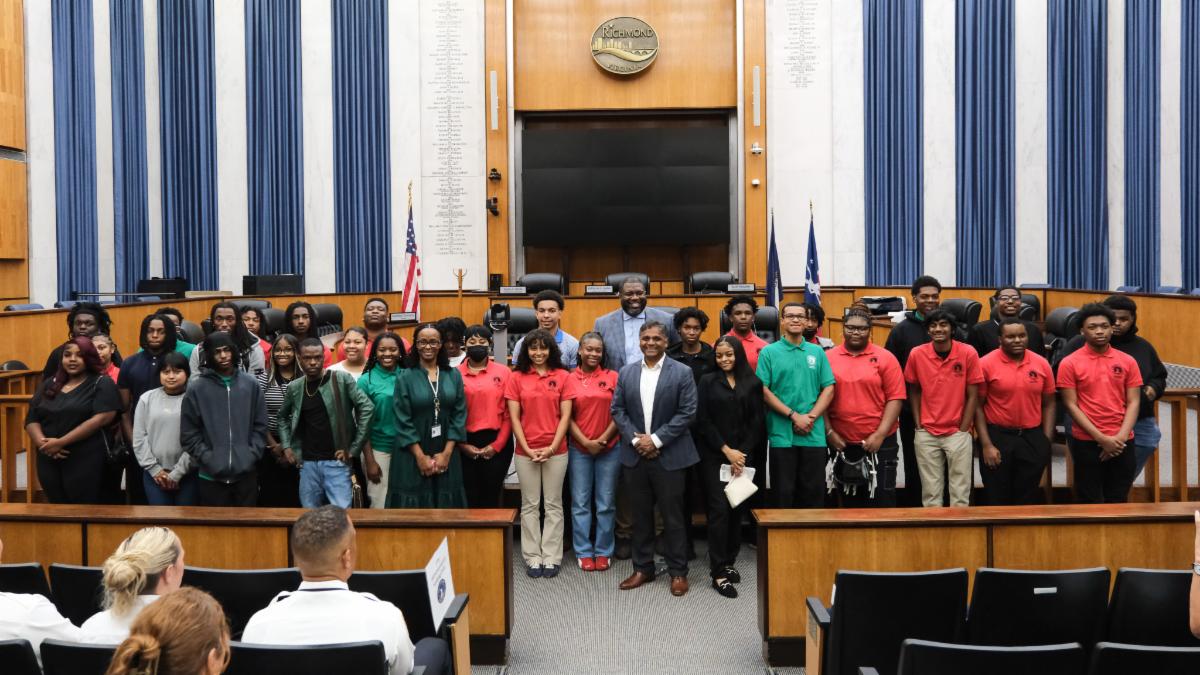
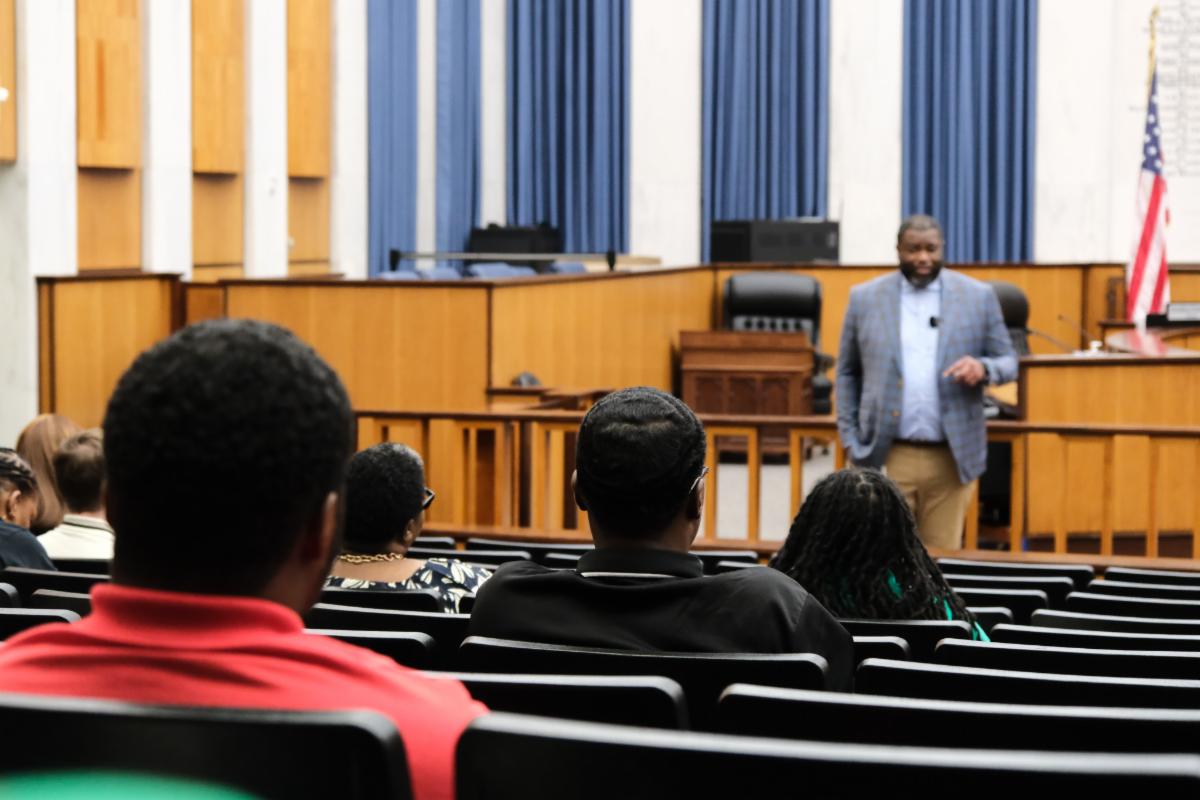
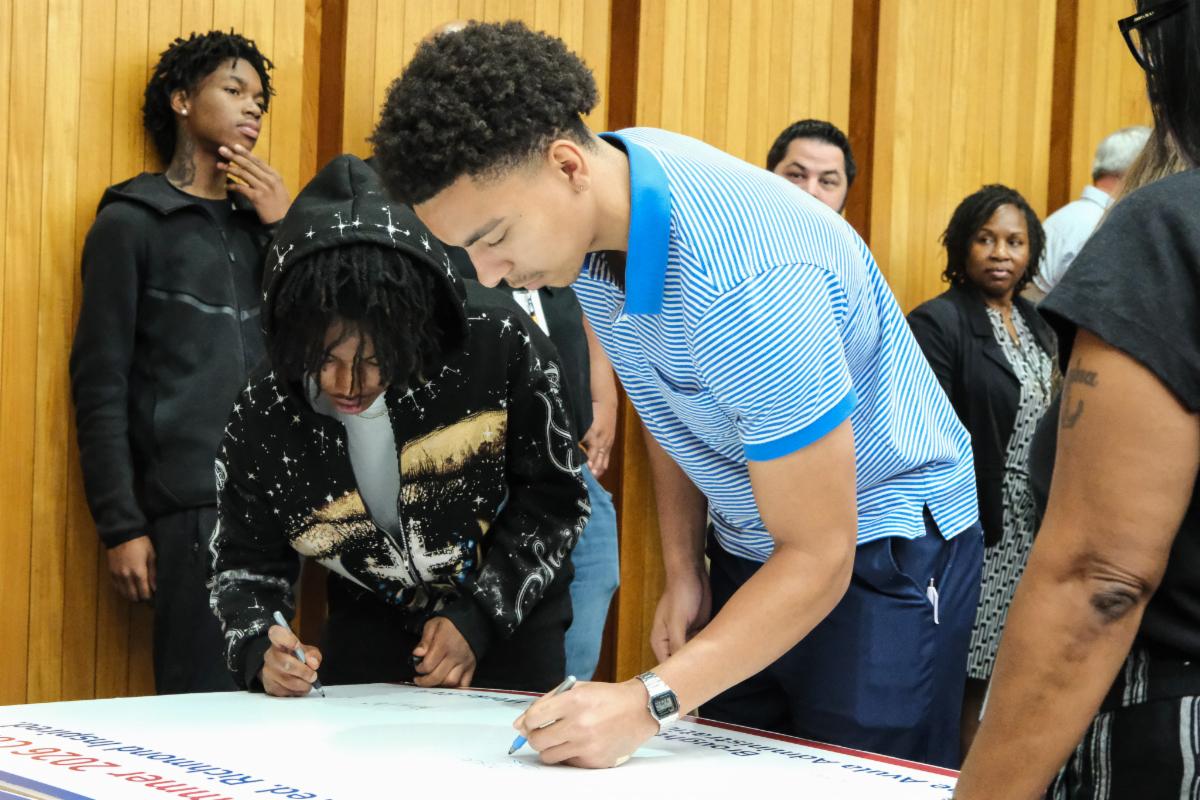
On Monday, or Y.E.S. Day, I got to welcome many of these youth in Council Chambers . Standing in front of them, I could see our next generation of leaders, and I’m thrilled their stories will include at least some time working in public service. If you’re the family member, neighbor, or friend of a Youth Works participant, thank you for supporting and cheerleading them while they’re in the program. And if you’re joining Youth Works this summer, know that you’re making a huge difference in both your community and your future! I hope to meet many more of you over the course of the summer.
| | Caption (clockwise): Mayor Danny Avula, CAO Odie Donald II, and city staff pose with Youth Works RVA participants as they start their day in City Council Chambers. Youth heard from the Mayor and CAO (Did you know both the CAO and Mayor were fired from some of their first jobs for tardiness? They've grown a lot over the years and shared some of those early hard lessons with Richmond's youth!). Youth also signed posters committing to an engaging summer of learning and professional development. | | | | |