|
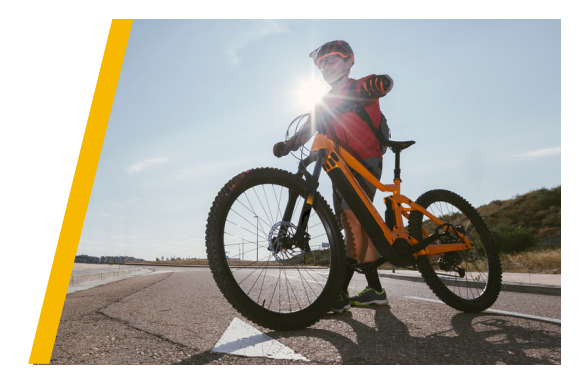
Electric bikes are becoming more common on streets, trails, and in neighborhoods.
Their convenience and fun appeal make them popular, but they also come with increased risks.
These devices are faster, heavier, and more powerful than traditional bicycles, resulting in more severe injuries in crashes.
Knowing what you’re riding, the laws that apply, and how to ride responsibly can make all the difference.
Know What You’re Buying
E‑bikes come in three classes, each offering different levels of assistance and speed.
- Class 1: Pedal‑assist only, up to 20 mph
- Class 2: Throttle and pedal‑assist, up to 20 mph
- Class 3: Pedal‑assist up to 28 mph and equipped with a speedometer
Know the Law
Class 1, 2, and 3 e‑bikes can use bike lanes, bike paths, or traffic lanes when a bike lane isn’t available. They cannot be ridden on sidewalks, and riders must slow to walking speed in crosswalks.
Rules may differ on private property, in parks, or at shopping centers, so always check the local regulations where you plan to ride.
|